You fire up your snow blower on a frigid morning, ready to clear the driveway, only for the engine to sputter and die seconds later. It starts again, runs briefly, then stalls. This frustrating cycle is all too common, especially after months of storage. The good news? In most situations, the reason your snow blower won’t stay running has simple, fixable causes, often requiring no tools and under $10 in parts.
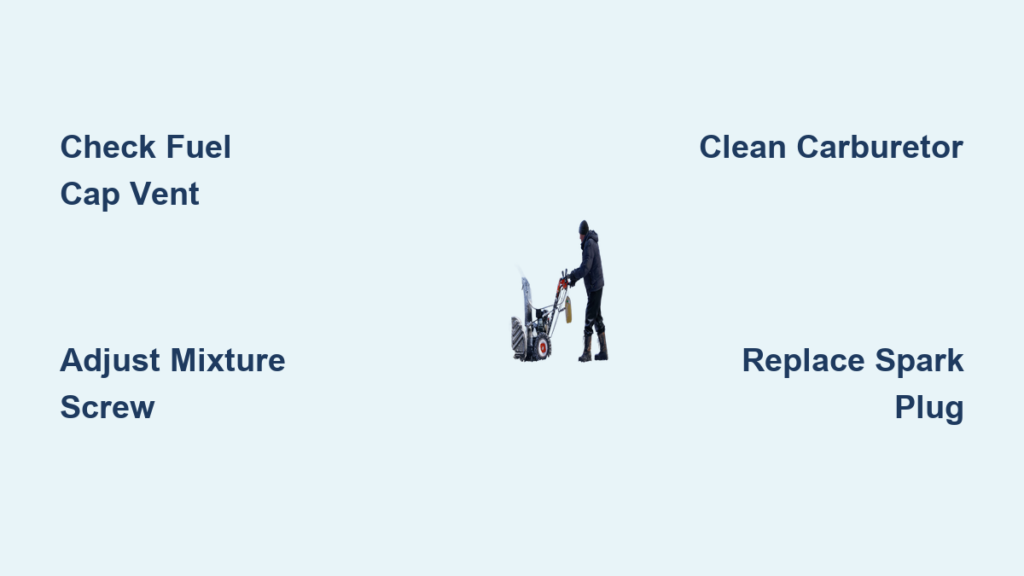
The root issue usually isn’t mechanical failure but fuel delivery problems, with the fuel cap vent being the top culprit. Other frequent causes include a clogged carburetor, worn spark plug, or an improperly adjusted air-fuel mixture. This guide walks you through a step-by-step diagnostic process, starting with the easiest fixes, so you can get your machine running reliably again in minutes.
Check the Fuel Cap Vent

A blocked or missing fuel cap vent is the most common reason a snow blower starts but won’t stay running. Because most snow blowers use a gravity-fed fuel system, the tank must allow air in as fuel flows out. Without proper venting, a vacuum forms, starving the engine of fuel even if the tank is full.
Why the Vent Fails
Over time, the small vent holes in the fuel cap can become clogged with dirt, varnish, ice, or slush. Older models, especially those with Tecumseh engines, often have caps that lack a vent insert entirely. Even if the cap looks intact, the internal vent may be missing or sealed shut. A warped or cracked rubber gasket can also prevent proper airflow.
Test for a Blocked Vent
Use one of these three quick tests:
• Cap-off test: Start the engine with the fuel cap removed. If it runs smoothly, the vent is blocked.
• Hissing sound test: After shutting off the engine, unscrew the cap. A hissing noise means air is entering, so your vent works. Silence suggests a blockage.
• Visual inspection: Remove the cap and check for ice, debris, or a missing vent insert (a small black or shiny metal piece inside the cap).
Fix or Replace the Cap
If the vent is clogged, clean it with a soft brush and dry thoroughly. For missing or non-ventilated caps, replace it with a vented model, available online for around $7. Ensure the new cap has a functional vent insert and a tight-sealing gasket. Reinstall securely to prevent leaks.
Adjust the Air-Fuel Mixture
If the engine runs for 30 to 45 seconds before dying, the issue may be a lean air-fuel mixture, meaning too much air and not enough fuel. This is especially common in older Tecumseh-powered models and often resolves with a simple manual adjustment.
Locate the Mixture Screw
The air-fuel mixture screw is a small needle valve at the base of the carburetor, usually under the exhaust cover. It controls how much fuel enters the combustion chamber. No tools are needed, just your fingertip.
Turn Counterclockwise to Enrich
Start the engine and let it run on choke. Then follow these steps:
- Turn the screw counterclockwise one full turn.
- Let the engine run. If it smooths out, turn it another ¼ to ½ turn.
- Stop when the engine runs steadily without stalling.
Turning the screw counterclockwise adds more fuel, correcting the lean condition. Over-adjusting can cause flooding, so make small, incremental changes.
Why This Works
A lean mixture causes the engine to starve after initial startup. This fix is instant, free, and often overlooked. For many older models, combining this adjustment with a vented fuel cap resolves stalling completely.
Clean or Replace the Carburetor

Old or degraded fuel is a silent killer of small engines. If fuel sits over the off-season, volatile components evaporate, leaving behind a thick, gummy residue that clogs the carburetor’s tiny fuel passages.
Diagnose a Clogged Carburetor
If the fuel cap and mixture screw check out, but the engine still stalls, suspect the carburetor. Symptoms include:
• Engine starts on choke but dies when warmed up
• Sputtering or uneven running
• Fuel present in tank but not reaching the engine
Clean with Carburetor Cleaner
Remove the carburetor bowl and spray carburetor cleaner into all visible ports and jets. Use a thin wire or compressed air to clear stubborn blockages. Reassemble and test. This often restores proper fuel flow.
Replace If Cleaning Fails
If cleaning doesn’t help, replace the carburetor with a rebuilt kit or new unit. While more involved, it’s a reliable fix for persistent fuel starvation. Always use fresh fuel after replacement to prevent recurrence.
Inspect the Spark Plug
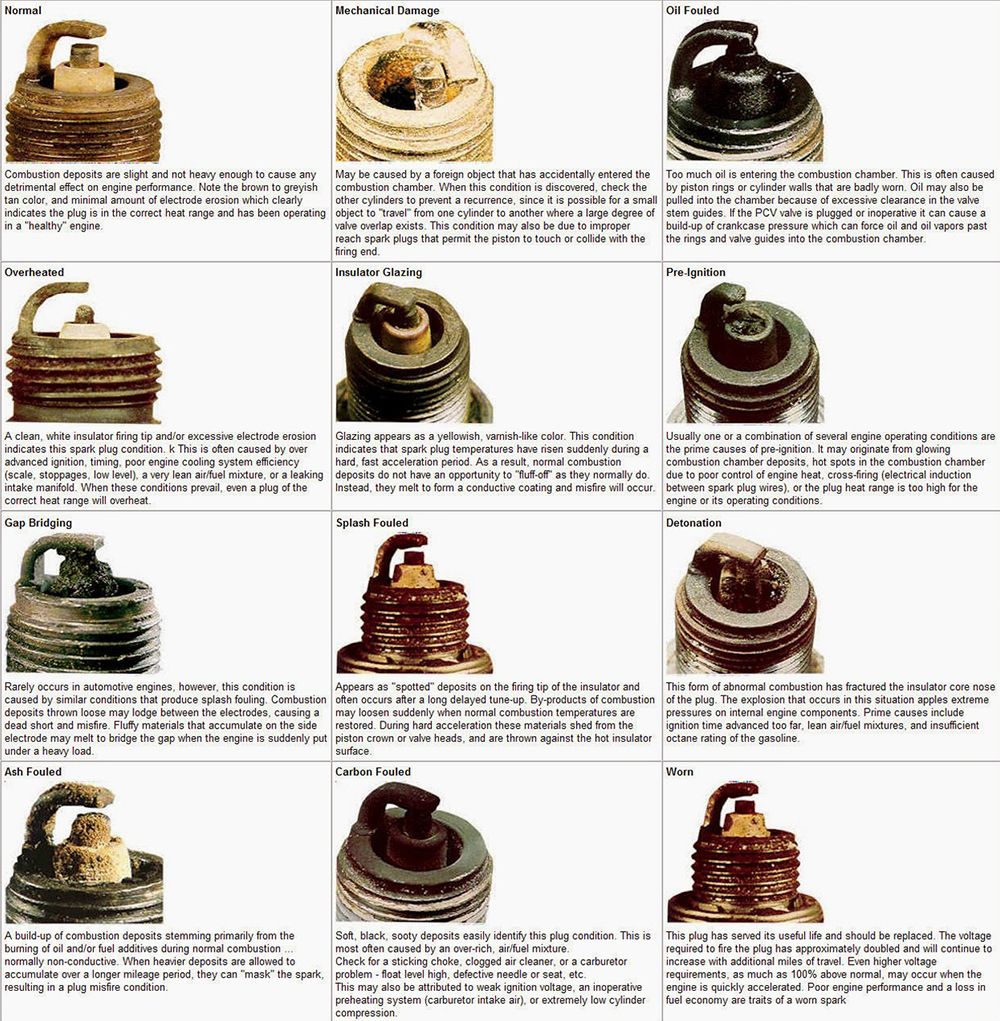
A weak or fouled spark plug can cause misfires and stalling, even if the engine starts initially.
Remove and Examine the Plug
Use a spark plug wrench to remove it. Look for:
• Carbon buildup (black, sooty deposits)
• Worn or eroded electrodes
• Moisture or fuel fouling
A healthy plug should have a light tan or gray tip with a sharp, clean electrode edge.
Test Spark Output
Use an ignition tester to confirm the plug is firing. Connect it to the spark plug wire and ground it to the engine. Crank the engine. If there’s no spark, the plug or ignition coil may be faulty.
Replace Annually
Even if it looks okay, replace the spark plug every year. It’s a cheap, preventive step that ensures strong ignition. Use the type specified in your owner’s manual.
Prevent Future Stalling Issues
Avoid repeat problems with simple seasonal habits.
Use Fresh Fuel and Stabilizer
Always use fresh gasoline (less than 30 days old). If storing the snow blower for more than a few weeks, add fuel stabilizer to prevent varnish buildup. Never leave untreated fuel in the tank over summer.
Store Properly
Keep your snow blower in a dry, covered area to prevent ice and slush from sealing the fuel cap. Clean the cap and tank opening before storage.
Perform Annual Maintenance
At the start of each season:
• Replace the spark plug
• Inspect and clean the fuel cap
• Check the carburetor if fuel was left in the system
• Test the engine with the cap off to verify venting
Troubleshoot by Symptom Pattern
Match your snow blower’s behavior to the likely cause.
Starts, Dies in 2 to 5 Seconds
Likely cause: Blocked fuel cap vent
Fix: Perform cap-off test. Clean or replace cap.
Runs 30 to 45 Seconds, Then Dies
Likely cause: Non-venting cap (common in Tecumseh models)
Fix: Replace cap with vented model (~$7).
Dies After a Few Minutes
Likely cause: Lean air-fuel mixture
Fix: Turn mixture screw counterclockwise 1 to 1.5 turns.
Starts on Choke, Stalls When Warm
Likely cause: Clogged carburetor from old fuel
Fix: Clean with carburetor spray or replace.
Engine Misfires or Runs Rough
Likely cause: Fouled or worn spark plug
Fix: Inspect, test, and replace if needed.
Save Time and Money with Smart Fixes
The two most effective, low-cost solutions (replacing the fuel cap and adjusting the mixture screw) require no tools and often solve the problem instantly. Carburetor cleaning uses an affordable aerosol spray, and spark plug replacement costs under $10. Major repairs should only be considered after ruling out these simple checks.
No Tools? No Problem
Both the cap-off test and mixture screw adjustment can be done barehanded. You don’t need mechanical expertise, just attention to detail and a few minutes.
Avoid Costly Mistakes
Don’t assume the engine needs a full rebuild. Always check the fuel, carburetor, and spark plug before assuming a major repair is needed. These three components are responsible for the vast majority of stalling issues.
Frequently Asked Questions About Snow Blower Won’t Stay Running
Why does my snow blower start but die after a few seconds?
The most common cause is a blocked fuel cap vent. The gravity-fed fuel system needs airflow to replace fuel as it’s consumed. Without venting, a vacuum forms and starves the engine. Run the engine with the cap removed to confirm.
Do I need tools to fix a snow blower that won’t stay running?
Not necessarily. The cap-off test and the air-fuel mixture screw adjustment both require no tools at all. You’ll only need basic tools (a spark plug wrench, screwdriver) for carburetor cleaning or spark plug replacement.
How much does it cost to fix a snow blower that keeps stalling?
The most common fix, a replacement fuel cap with vent insert, costs around $7. Spark plugs are similarly affordable. Carburetor cleaning uses an inexpensive aerosol spray. Most fixes total under $10 in parts.
Can old gas cause my snow blower to stall?
Absolutely. Fuel left in the tank over the off-season breaks down, leaving a thick, gummy residue that clogs carburetor passages. Always drain old fuel or treat it with stabilizer before storage, and use fresh gas (under 30 days old) at the start of each season.
What if my snow blower only stalls in cold or snowy weather?
Ice and slush can accumulate around the fuel cap, sealing the vent even when it’s otherwise functional. Inspect the cap for ice buildup before and during use, and store the machine in a dry, covered area when possible.
How often should I replace the spark plug in my snow blower?
Replace it annually at the start of each snow season, or sooner if you notice misfires, rough running, or stalling. Use the exact plug type recommended in your owner’s manual for best results.
Key Takeaways for Fixing a Snow Blower That Won’t Stay Running
A snow blower that won’t stay running is usually fixable in minutes with basic checks. Start with the fuel cap vent, the most common culprit. Then adjust the air-fuel mixture screw, especially if you have an older Tecumseh model. If those don’t work, move to the carburetor and spark plug.
Before you spend money on a mechanic or major repair, run through this diagnostic sequence yourself. With fresh fuel, a vented cap, and annual maintenance, your snow blower can start reliably and run strong for years. Test the fuel cap first, and you’ll likely solve the problem in under five minutes.