Is your lawn sprinkler not enough pressure to cover the yard? You are not alone. Millions of homeowners face weak spray, dry spots, and pop-up heads that will not rise all signs of low water pressure. Without adequate pressure, even the best sprinkler system fails to deliver consistent coverage, wasting water and stressing your grass.
The good news: most low-pressure issues are fixable with simple diagnostics and targeted repairs. Whether all zones are weak or just one, the root cause can usually be traced to a few common culprits failing valves, clogs, leaks, or incorrect system design. This guide gives you a step-by-step plan to diagnose and fix low lawn sprinkler pressure for good.
Diagnose Systemic vs Localized Low Pressure
Before diving into repairs, determine whether the low pressure affects your entire system or just a single zone.
All Zones Affected? It is Systemic
If every sprinkler zone performs poorly with weak spray, slow pop-up, or uneven coverage, the problem lies in shared components upstream of individual zone valves. These include the main shutoff valve, pressure regulating valve (PRV), backflow preventer, mainline pipe, and municipal supply. System-wide issues point upstream to components all zones share.
Only One Zone Weak? Focus Locally
When just one or two zones have low pressure, inspect the zone control valve, lateral underground pipes, sprinkler heads and nozzles, and wiring and solenoid. A user found 12 PSI on one zone and 35 PSI on another despite 80 PSI static pressure proving a localized restriction, not a system-wide problem.
Test Pressure with a Gauge: Static vs Dynamic

A $10 pressure gauge is your most powerful diagnostic tool for identifying lawn sprinkler not enough pressure issues.
Measure at Hose Bib or Backflow
Use a 3/8-inch thread gauge at an outdoor spigot or backflow test cock to take two measurements. Static pressure is measured when no water is flowing, while dynamic pressure is measured while a zone runs. A dramatic difference between these two readings reveals the true problem.
Interpret the Results
A pressure drop of 5 to 10 PSI indicates normal system loss. A drop of 20 to 50 PSI signals a restriction from a failing PRV, clog, or valve problem. No pressure drop at all suggests a hidden leak or open valve. Optimal sprinkler performance requires 40 to 60 PSI at the head.
Check Main Valves and Backflow Preventers
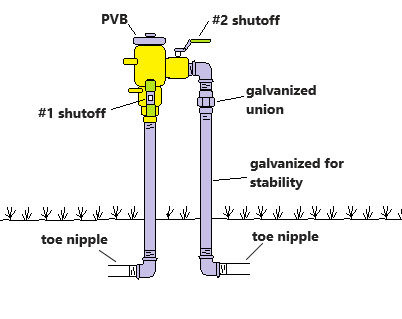
Many low-pressure issues stem from valves not fully open after routine maintenance or annual testing.
Main Shutoff Valve
The main shutoff valve, also called the curb stop, is often left partially closed after plumbing repairs. Use a meter key to turn it fully counterclockwise. One homeowner discovered all three zones had low pressure after replacing a hose bib because the main valve was not fully reopened.
Backflow Preventer Valves
Two isolation valves on the backflow preventer must be fully open. These valves are commonly left half-closed after annual testing. Check the test ports and measure pressure at Port 1 (inlet) versus Port 4 (outlet). Normal loss is 7 to 10 percent of input pressure. Excessive drop means the backflow assembly needs rebuilding or replacement.
Master Valve
The master valve controls water entry to the entire system. It may have a flow control knob that must be turned fully open. You can manually actuate it by unscrewing the solenoid slightly to test whether pressure returns.
Fix a Failing Pressure Regulating Valve
A failing Pressure Regulating Valve (PRV) is a top cause of system-wide low pressure in lawn sprinkler not enough pressure scenarios.
Signs of PRV Problems
Watch for high static pressure (80 PSI) with a dramatic drop under flow (down to 12 to 35 PSI). If all zones underperform, the PRV is likely the culprit. Cheap plastic-top PRVs are known for early failure and should be upgraded.
Test and Adjust
Turn the adjustment screw clockwise (these are reverse-threaded) to increase flow. If pressure still drops under load, replace the PRV. A 20-plus PSI dynamic drop points strongly to PRV failure. Consider upgrading to a durable brass PRV like the LFAUB Watts 1-inch.
Find Leaks and Clear Blockages
Leaks and clogs mimic each other. Use flow rate to tell them apart and resolve your lawn sprinkler not enough pressure problem.
Hidden Leak Symptoms
Wet spots, soggy soil, or unusually green grass patches indicate hidden leaks. Watch the water meter while a zone runs. If it spins rapidly during operation, you have high GPM with low pressure a clear sign of a leak. Even a small underground leak can sap pressure across the entire system.
Clog Indicators
Low flow rate with significant pressure drop suggests a blockage. Look for debris in filters or heads. Recent excavation work using vibratory plow equipment may have crimped the mainline. Use dowsing rods to trace buried pipes and locate physical damage.
Clear Clogged Sprinkler Heads and Nozzles
Clogged nozzles are the number one cause of localized low pressure and often cause lawn sprinkler not enough pressure complaints.
Remove and Inspect
Pop up sprinkler heads and unscrew the caps. Look for dirt, sand, grass clippings, white chalky scale from hard water deposits, worn seals, or cracked casings. These blockages restrict water flow and reduce spray distance.
Clean and Reinstall
Soak heads in white vinegar for 30 minutes or longer to dissolve mineral deposits. Use a soft brush or pipe cleaner to clear the orifices. Rinse thoroughly and reassemble. Test cleaned heads with a garden hose. If they spray strongly now, the issue was clogging, not system pressure.
Balance Sprinkler Heads Across Zones
Too many sprinklers on one zone overloads the system and causes lawn sprinkler not enough pressure issues.
Signs of Overloaded Zone
Pressure drops when multiple heads activate. Spray arcs shrink or mist excessively. Dry spots appear despite long run times. The system simply cannot deliver enough water to all heads at once.
Fix It
Redistribute heads across additional zones to balance the load. Add a new zone using a smart controller. Install pressure-regulated sprinkler heads to stabilize output. The key is balancing flow (GPM) and pressure (PSI) per zone based on pipe size and pump capacity.
Compensate for Elevation and Gravity Effects
Gravity reduces pressure as water moves uphill, creating lawn sprinkler not enough pressure problems for yards with slopes.
Pressure Loss Calculation
Water loses 0.433 PSI per foot of elevation gain. A 10-foot hill means approximately 4.3 PSI loss. This adds up quickly in hilly yards.
Solutions
Zone by elevation by separating high and low areas into different zones. Use pressure-compating emitters or rotary nozzles designed to maintain consistent output despite pressure variations. Install a pressure-boosting pump for severe elevation challenges. Water higher zones earlier in the day when municipal pressure is strongest.
Verify Electrical Power to Sprinkler Valves
Low voltage prevents zone valves from opening fully, causing lawn sprinkler not enough pressure symptoms.
Check Voltage at Valve
Use a multimeter to test for 24VAC at solenoid terminals. Normal reading is 22 to 26 VAC. Below 20 VAC, check the controller fuse, corroded or loose wire connections, and damaged field wiring.
Manually Open Valve
Turn the bleed screw or solenoid to open the valve by hand. If pressure returns, the valve or wiring is faulty. One user found a zone with 25 VAC and 60 Ohms resistance, pointing to mechanical valve failure rather than an electrical problem.
Install Pressure-Regulated Heads and Booster Pumps
Prevent future lawn sprinkler not enough pressure issues with smart upgrades designed for long-term performance.
Pressure-Regulated Sprinkler Heads
These maintain even spray despite pressure swings, reducing misting and evaporation. They are compatible with most existing systems and provide consistent coverage.
Booster Pump Options
Use a booster pump when source pressure is consistently below 40 PSI. Hose-end booster pumps ($50 to $300) work well for portable sprinklers. In-line pressure boosters suit permanent in-ground systems. Pump with relief valve installations require professional help.
Select High-Efficiency Sprinklers for Low Pressure
Upgrade to models designed specifically for low-pressure performance to solve lawn sprinkler not enough pressure issues.
Best Hose-End Sprinklers
The Hose Link Adjustable Oscillating Sprinkler features metal construction, removable caps, and covers 2,000 square feet even at low PSI. The Melnor Mini Max offers adjustable pattern and flow control, ideal for tight spaces. One user switched from Orbit to Hose Link and increased coverage from 100 to 2,000 square feet.
In-Ground Upgrades
Rotary nozzles provide multiple streams with longer throw and lower flow. High-efficiency nozzles save water while reducing runoff. Smart nozzles self-adjust based on pressure and wind conditions.
Maintain Your Sprinkler System Year-Round
Avoid surprises with routine care to prevent lawn sprinkler not enough pressure problems before they start.
Seasonal System Flush
Turn off the main water and open the lowest zone valve to drain the system. Reopen the main and run each zone for 30 to 60 seconds to remove debris, sand, and mineral buildup. Perform this before and after the irrigation season.
Install Inline Filters
Place sediment traps before the PRV and backflow to prevent clogs from dirty well or municipal water. Clean filters every three to six months.
Monitor Water Quality
Use a water softener if scale buildup is frequent. Soak heads in vinegar every six months if hard water is present in your area.
Know When to Call a Professional Sprinkler Technician
DIY fixes work in most cases, but know when to get expert help for lawn sprinkler not enough pressure issues.
Call a Pro If
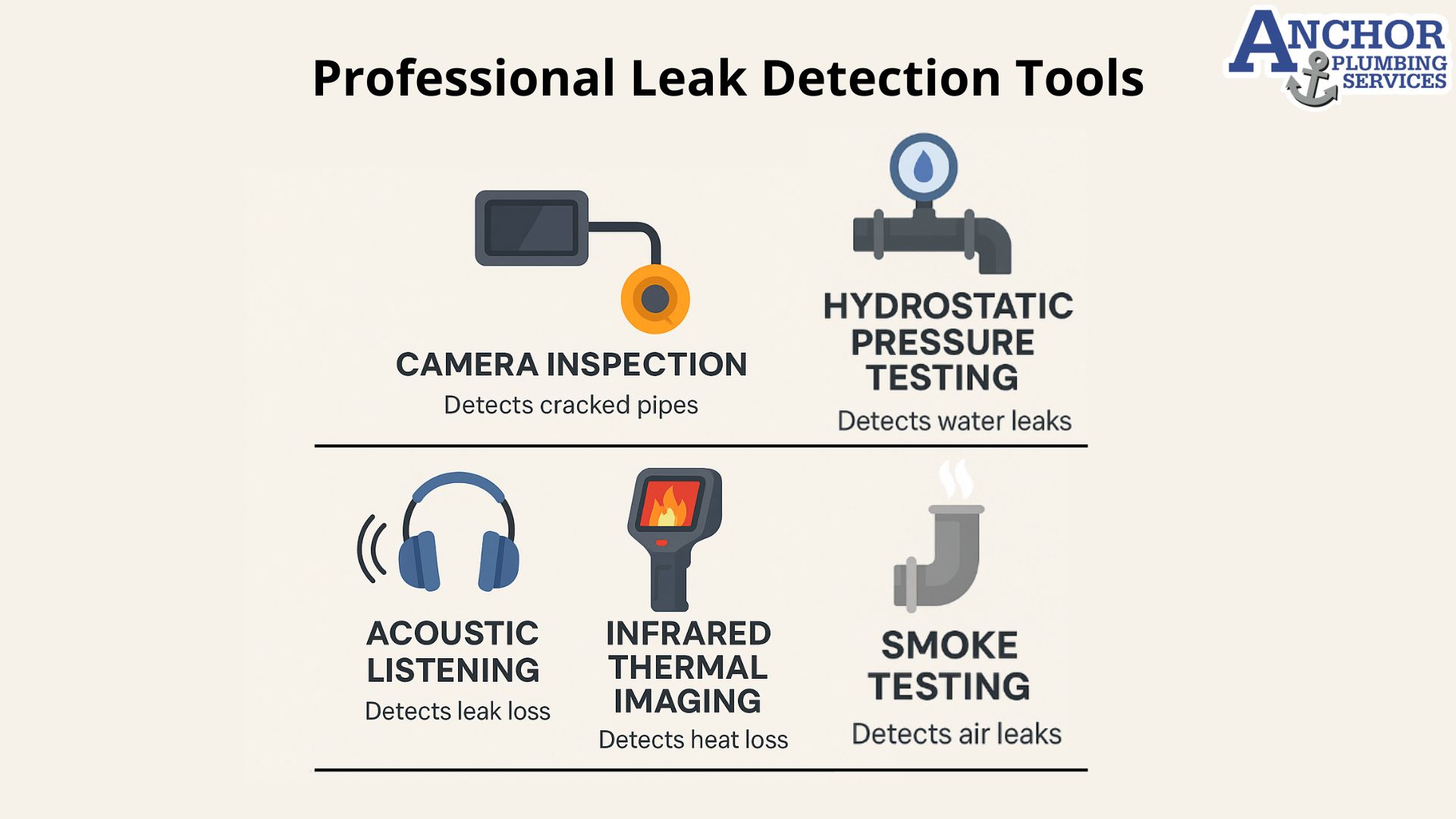
Underground leaks are suspected. PRV or backflow replacement is needed. Mainline repair requires excavation. System redesign (adding zones, pipe upsizing) is necessary. Pressure issues persist after all DIY tests. Professionals use flow meters, camera inspections, and hydraulic modeling to pinpoint hidden issues.
Key Takeaways for Fixing Low Lawn Sprinkler Pressure
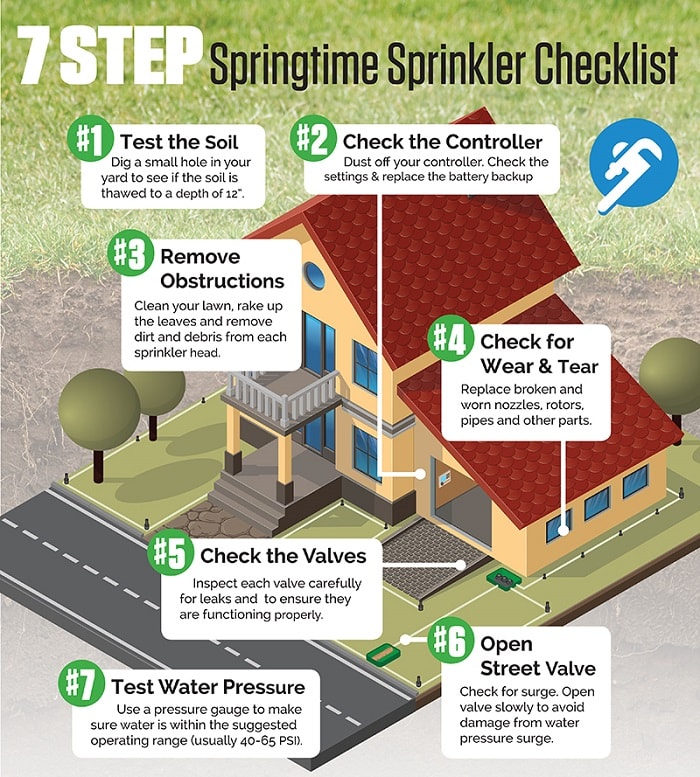
| Step | Action |
|---|---|
| 1 | Test all zones to determine if issue is systemic or localized |
| 2 | Measure static and dynamic pressure with a gauge |
| 3 | Open all main, backflow, and master valves fully |
| 4 | Inspect and adjust or replace the PRV if needed |
| 5 | Check for leaks using the meter test or look for wet spots |
| 6 | Clear clogs from sprinkler heads and nozzles |
| 7 | Verify 24VAC electrical supply at zone valves |
| 8 | Redistribute heads or add zones if overloaded |
| 9 | Upgrade to pressure-regulated or rotary nozzles |
| 10 | Install a booster pump if source pressure is consistently low |
Frequently Asked Questions About Low Lawn Sprinkler Pressure
Why does my sprinkler have low pressure even when the static pressure is normal?
Static pressure alone does not reveal flow problems. You must measure dynamic pressure while a zone runs. A significant drop from static to dynamic pressure indicates a restriction such as a failing PRV, clogged backflow device, or partially closed valve.
How do I know if the problem is in one zone or the whole system?
Test all zones individually. If every zone performs poorly, the issue is systemic (shared components). If only one or two zones are weak, the problem is localized to that zone is valve, lateral line, or sprinkler heads.
Can clogged sprinkler heads cause low pressure?
Yes. Dirt, sand, grass clippings, and hard water mineral deposits restrict flow through nozzles. Remove and soak heads in white vinegar, then clean with a soft brush. Replace worn caps or seals if cleaning does not restore proper spray.
What pressure is needed for sprinklers to work properly?
Optimal sprinkler performance requires 40 to 60 PSI at the head. Below 30 PSI, heads may not pop up fully or will produce weak, uneven spray.
Should I replace my plastic PRV with a brass one?
Yes. Plastic-top PRVs are prone to early failure, especially under load. Upgrading to a durable brass PRV like the LFAUB Watts 1-inch provides reliable pressure regulation for years.
When do I need a booster pump for my sprinkler system?
Install a booster pump if your municipal supply pressure is consistently below 40 PSI and other fixes do not resolve the lawn sprinkler not enough pressure problem. A booster pump can also help properties with significant elevation changes.