If your snow blower drifts to one side, leaves streaks of untouched snow, or feels rough and unstable during operation, the cause might be hiding in plain sight. Tire pressure for snow blower machines is one of the most overlooked factors affecting winter performance, yet it directly influences traction, handling, and even the quality of your snow discharge. Most units ship from the factory with overinflated tires designed to prevent flat spots during storage, not to deliver peak performance in your driveway.
The good news is that correcting this takes only minutes with a basic pressure gauge. In this guide, you’ll learn how to identify the correct PSI for your machine, adjust it safely using a simple five-step process, and maintain optimal pressure throughout the entire winter season.
Why New Snow Blower Tires Are Overinflated
Factory Pressure Protects Tires During Shipping
Manufacturers intentionally inflate snow blower tires above normal operating levels before the unit leaves the warehouse. This prevents deformation, flat spots, and sidewall damage during long transport and storage periods. While this protects the tires structurally, factory pressure is not designed for actual use on snow and ice.
Risks of Running Factory Pressure
Operating with overinflated tires creates several problems that compromise both safety and performance:
- Reduced tread contact with the ground
- Unstable handling on uneven or icy surfaces
- Excessive strain on the auger housing
- Uneven snow discharge patterns
Always check and adjust tire pressure before using your machine for the first time each season, even if the tires appear fine at a glance.
Locate the Correct PSI on Your Tires
Check the Sidewall for Maximum Pressure
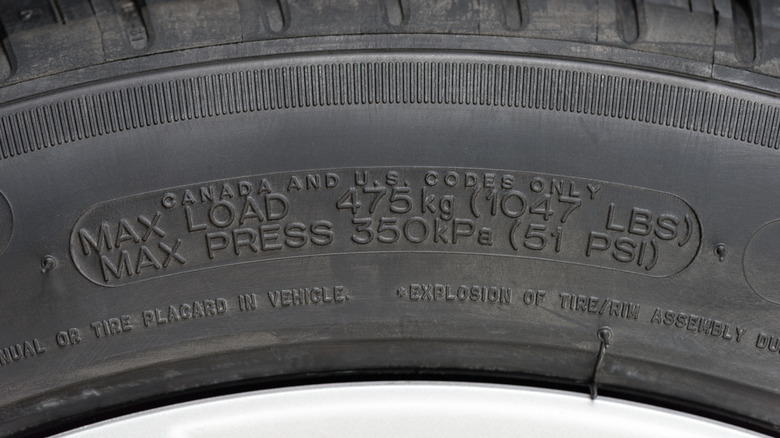
The most reliable source for your tire’s pressure rating is printed directly on the tire sidewall. Look for a marking labeled “Max PSI” or “Maximum Inflation Pressure.” For many snow blowers, including common Ariens models, this number is 20 PSI. This figure represents the absolute upper limit and should never be exceeded under any circumstances.
Use the Lower of Sidewall or Manual Recommendations
If your owner’s manual suggests a pressure lower than the sidewall maximum, follow the manual’s guidance for optimal ride quality. However, never inflate above the sidewall rating, regardless of what any other source recommends. Snow blower tires are engineered for specific weight distributions and ground conditions that differ greatly from vehicle tires.
Adjust Snow Blower Tire Pressure in 5 Steps
Step 1: Gather Your Tools
Before starting, collect the following items:
- A calibrated tire pressure gauge (digital or analog)
- A portable air compressor for convenient inflation
- A valve cap removal tool (optional)
Avoid relying on gas station air machines unless you’ve verified their accuracy. A quality handheld gauge delivers consistent, reliable readings every time.
Step 2: Measure Current Pressure
Remove the valve cap from each tire and press your gauge firmly onto the valve stem until you hear a brief hiss. Read the PSI displayed on the gauge. Check every tire individually, even if they look identical. One tire may be significantly underinflated compared to the others, creating dangerous imbalance.
For best accuracy, take measurements when tires are cold, before any operation. Heat from use expands air and can give you falsely elevated readings.
Step 3: Add Air in Short Bursts
If pressure falls below the recommended level, attach your compressor nozzle to the valve stem and inflate using 2–3 second bursts. After each burst, recheck the pressure before adding more air. This patient approach prevents overinflation, which is a common mistake when users hold the trigger too long. Stop once you reach the sidewall’s maximum PSI or the manufacturer’s recommended level, whichever is lower.
Step 4: Confirm Equal Pressure Across All Tires
Consistency between tires matters as much as the absolute pressure value. Uneven inflation causes the machine to pull to one side and tilts the auger housing, resulting in uneven snow clearing. In one test of an Ariens two-stage model, the left tire read 18 PSI while the right was noticeably lower. Both required correction to restore balanced handling and consistent discharge.
Step 5: Clean and Secure the Valve Caps
After adjustment, inspect each valve stem for dirt, ice, or debris. Wipe clean if needed, then replace the valve caps tightly. These small but essential components keep moisture and contaminants out of the valve core, preventing slow leaks and freeze damage during cold weather operation.
Maintain Proper Pressure All Season
When to Check Tire Pressure
Build pressure checks into your routine at these key moments:
- Before the first snowfall of the season
- After long storage periods
- Whenever handling feels different than usual
- After heavy impacts like hitting curbs or hidden obstacles
Even without obvious symptoms, checking at least once per season is wise. Cold temperatures naturally reduce air pressure, potentially dropping tires below safe operating levels without any visible warning.
Warning Signs of Incorrect Pressure
Watch for these red flags during operation:
- The machine pulls consistently to one side
- Snow clearing patterns are uneven
- The auger housing appears tilted
- Traction on ice feels reduced
- The ride feels bumpy or unstable
Any of these symptoms often trace back to improper tire pressure. Address them immediately to prevent compounding damage to other components.
Avoid These Common Tire Pressure Mistakes
Skipping the Initial Adjustment
Many users start operating right out of the box, assuming factory pressure is correct. This compromises safety and performance from day one. Always verify and adjust pressure before first use.
Exceeding the Sidewall Maximum
Some believe more pressure equals better performance. The opposite is true. Overinflation risks blowouts, especially on warm days or rough terrain, and can send debris flying while destabilizing the machine.
Using Inaccurate Gauges
Uncalibrated or worn gauges lead to incorrect inflation. Test your gauge periodically, or upgrade to a digital model for better reliability. Never guess when a measurement takes seconds.
Forgetting the Valve Caps
Leaving caps off exposes valve stems to snow, slush, and moisture. Over time, this causes corrosion and gradual air loss that can leave you with a flat tire mid-storm.
Key Benefits of Correct Tire Pressure
Better Traction and Stability
Properly inflated tires maintain optimal tread contact with the ground, maximizing grip on icy driveways and packed snow. You’ll experience less slippage and more predictable control during operation.
Extended Equipment Life
Even tire wear means longer-lasting tires. A level auger housing also reduces strain on the drivetrain and engine, lowering maintenance costs and extending your machine’s overall lifespan.
Smoother, More Efficient Operation
Correct pressure reduces rolling resistance and keeps components properly aligned. The result is better fuel economy and less strain on the motor, particularly important for gas-powered models working through heavy snowfalls.
Troubleshoot Persistent Pressure Problems
When Inflation Doesn’t Solve the Issue
If performance doesn’t improve after adjusting pressure, investigate further:
- Listen for hissing sounds that indicate slow leaks
- Apply soapy water to valve stems to spot bubbling
- Inspect tires for cracks, dry rot, or embedded punctures
- Check axles and hubs for visible damage
Persistent imbalance often signals mechanical issues beyond tire pressure that require professional attention.
Why Tires Keep Losing Air
Frequent pressure loss usually points to one of these culprits:
- A loose or damaged valve core
- A cracked rim or compromised tire bead
- Old, dried-out rubber that no longer holds air well
Address leaks immediately. A tire that won’t maintain pressure should be repaired or replaced before the next use.
Safety Guidelines to Follow Every Time
Respect the Maximum PSI
The number on your tire sidewall is an absolute limit, not a suggestion. Overinflation makes tires rigid and brittle, increasing the risk of sudden failure. A blowout during operation can cause injury and serious machine damage.
Use Proper Inflation Equipment
Avoid high-pressure air sources without regulation. A portable compressor with a built-in gauge offers better control and reduces the risk of accidental overinflation.
Inspect Before Every Use
Develop the habit of glancing at your tires before starting. Look for obvious underinflation, cuts, bulges, or ice buildup around the valve stem. This ten-second check can prevent bigger problems down the road.
Real-World Example: Ariens Snow Blower

Factory Pressure Test Results
A two-stage Ariens snow blower was tested straight from storage with the following readings:
- Left tire: 18 PSI (below the 20 PSI maximum)
- Right tire: noticeably underinflated compared to the left
Both tires required adjustment using the short-burst method. After refilling and rechecking, both reached 20 PSI, restoring balanced handling and even snow discharge across the full width of the auger housing.
Why This Matters for Every Brand
Even reputable manufacturers ship machines with inconsistent or incorrect pressure. This example demonstrates why verification is essential regardless of brand reputation or price point. Don’t assume; measure.
Frequently Asked Questions About Snow Blower Tire Pressure
What PSI should my snow blower tires be?
The correct PSI is listed on your tire’s sidewall as the maximum inflation pressure. Many common models, including Ariens snow blowers, are rated for 20 PSI maximum. If your owner’s manual recommends a lower value, follow that for optimal performance. Never exceed the sidewall rating.
Are snow blower tires overinflated from the factory?
Yes, most manufacturers inflate tires above normal operating pressure before shipping. This prevents flat spots and sidewall damage during transport and storage. You should always check and adjust pressure before using the machine for the first time each season.
What happens if snow blower tire pressure is too high?
Overinflation reduces tread contact with the ground, which decreases traction on snow and ice. It also increases the risk of blowouts, especially on warm days or rough surfaces. A blowout during operation can damage the machine and pose serious safety hazards.
How often should I check my snow blower’s tire pressure?
Check pressure at least once per season, ideally before the first snowfall. Additional checks are recommended after long storage periods, noticeable handling changes, or any heavy impact like hitting a curb. Cold weather naturally reduces air pressure, so periodic monitoring throughout winter is beneficial.
Can I use a regular car tire pressure gauge on my snow blower?
Yes, a standard tire pressure gauge works for snow blower tires as long as it’s calibrated and accurate. Many portable compressors and handheld gauges can measure the lower PSI range that snow blowers require. Just make sure your gauge can read pressures in the 10–25 PSI range comfortably.
Why does my snow blower pull to one side?
Uneven tire pressure is one of the most common causes. When one tire has significantly more or less air than the other, the machine naturally tracks toward the underinflated side. Check all tires and equalize the pressure to resolve the issue. If the problem persists, inspect for mechanical issues like damaged axles or bent components.
Key Takeaways for Proper Snow Blower Tire Pressure
Setting the right tire pressure for snow blower operation comes down to three essential practices: always check the sidewall for your maximum PSI rating, inflate in short bursts with a calibrated gauge, and verify equal pressure across all tires before each season. These few minutes of preparation pay off in smoother handling, cleaner snow discharge, and significantly longer equipment life.
Your next step is simple. Grab a calibrated gauge, check your sidewall rating, and spend five minutes confirming both tires are properly inflated before the next storm hits. That small investment of time delivers safer operation, better performance, and a snow blower that lasts for many winters to come.