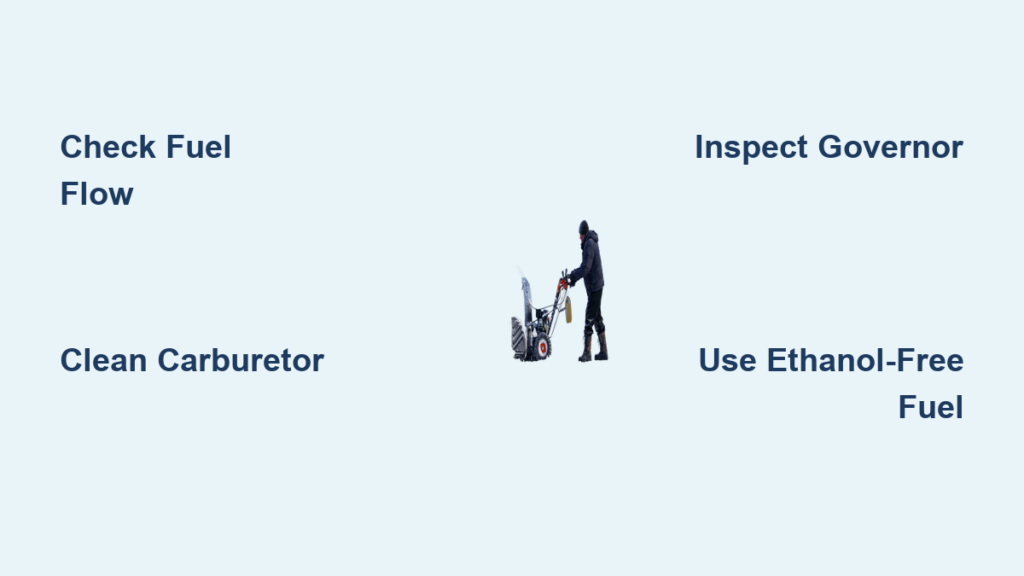
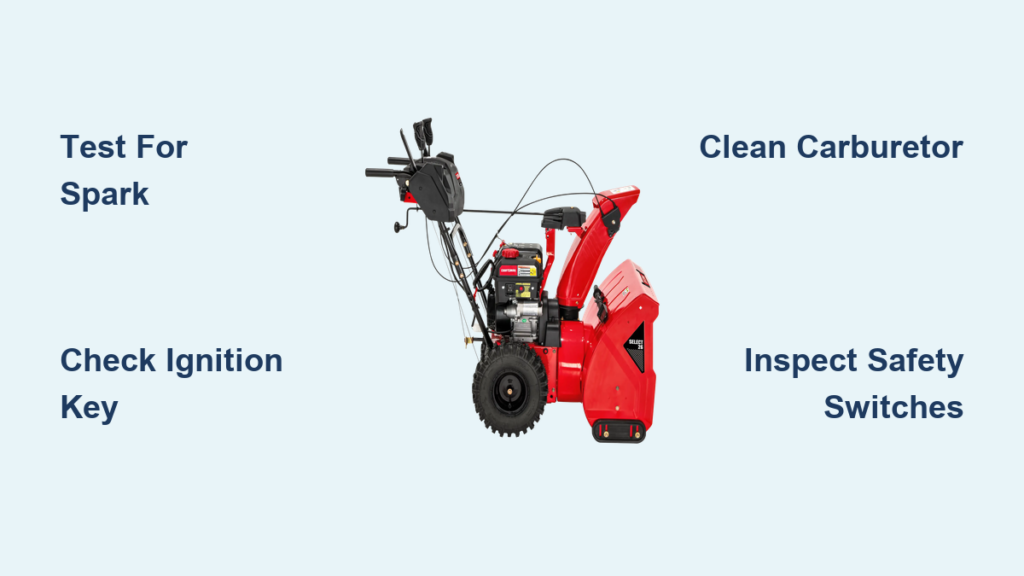
You grab the starter handle on your Craftsman snow blower and pull hard, but nothing happens. No crank, no turnover, no engine rotation. Or maybe the engine spins but refuses to fire. Either way, a snow blower that won’t turn over can stop your winter cleanup before it starts. The good news: most causes are fixable with basic tools and a logical approach.
This guide breaks down exactly why your Craftsman snow blower won’t turn over and how to fix it. You’ll learn how to test for spark, diagnose fuel delivery problems, identify failed ignition components, and follow a proven diagnostic sequence that saves time and money.
Confirm What “Won’t Turn Over” Actually Means
Before replacing parts, understand the exact symptom you’re dealing with.
No Crank vs. Slow Crank
- No crank: Pull cord doesn’t move the engine at all, pointing to a mechanical lockup or broken recoil
- Slow crank: Engine turns sluggishly, often caused by cold weather or a weak electric start battery
What to do right now:
– Try a few firm, full pulls on the starter rope
– Listen for internal movement, such as piston compression
– If the cord pulls freely with zero resistance, the recoil mechanism may be broken
– For electric start models, check that the battery is fully charged and connections are tight
Visual cue: Look for frayed or broken starter rope, loose housing, or a disengaged pulley.
If the engine doesn’t rotate at all, skip fuel checks and focus on mechanical and electrical causes first.
Test for Spark First
A failed ignition system is one of the top reasons a Craftsman snow blower won’t turn over. Always test spark before assuming fuel is the culprit.
Remove and Inspect the Spark Plug
Steps:
1. Disconnect the spark plug wire
2. Use a socket wrench to remove the plug
3. Inspect for these warning signs:
– Cracks in the ceramic insulator
– Rust ring near the hex base (a sign of plug failure)
– Oil fouling or heavy carbon buildup
Even if the plug looks clean, it can still fail under pressure. Replace it if in doubt. It’s the cheapest and most common fix.
Perform a Spark Test
How to test:
1. Reconnect the spark plug to its wire
2. Hold the metal base of the plug firmly against the engine block to ground it
3. Pull the starter cord sharply
4. Watch for a strong blue spark
Results:
– ✅ Strong blue spark → Ignition system works; move to fuel testing
– ❌ No spark or weak yellow spark → Problem exists in the ignition circuit
Pro tip: Test at the end of the spark plug wire before installing a new plug. If there’s spark at the wire but not at the plug, the wire or boot is faulty.
Diagnose Ignition Coil Failure
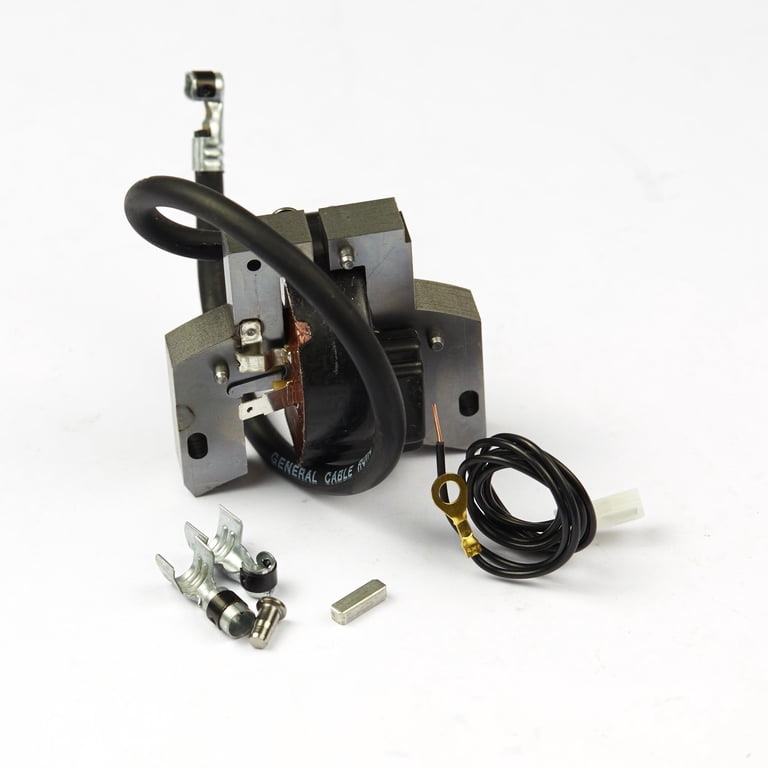
If the spark plug checks out, the ignition coil is the next suspect.
Why Coils Fail
Ignition coils often fail intermittently, especially when hot. A coil that works when cold but dies after warming up is a known failure mode on Craftsman engines.
How to Confirm Coil Issues
After ruling out the spark plug:
1. Install a new, known-good spark plug
2. Ensure the wire clips down tightly onto the terminal
3. Re-test for spark
If still no spark:
– Test at the end of the spark plug wire by holding it near a grounded metal surface
– No spark here means the ignition coil is likely bad
Note: Some coils fail only under load or heat. If your engine starts cold but dies and won’t restart, let it cool completely and retest.
Fix: Replace the ignition coil. Match the part number to your specific model, such as Briggs & Stratton 496302 for many Craftsman engines.
Verify Ignition Switch Operation
A faulty or misconfigured ignition switch can prevent your snow blower from turning over, especially if the key is missing.
How Craftsman Switches Work
Unlike cars, many small engines use a grounding-type ignition switch:
– Run position: Open circuit, meaning ignition is active
– Off position: Shorts the coil to ground, which kills the spark
– Start position: Engages the starter motor
If the key is missing, the switch stays grounded, and no spark is possible.
Bypass Test (Temporary Diagnostic Only)
To test if the switch is the problem:
1. Locate the ignition switch wires
2. Disconnect them
3. Insulate the ends so they don’t touch metal
Now try to start the engine.
- ✅ Starts? The switch or missing key was the issue
- ❌ Still no spark? The problem lies elsewhere (coil, safety switches)
Warning: Never operate the snow blower with safety systems bypassed. This is for diagnosis only. Replace the switch or find the correct key for safe long-term use.
Check Safety Switches in the Circuit

Craftsman snow blowers use safety switches that interrupt ignition if conditions aren’t met.
Common Safety Switch Locations
These switches block ignition when:
– The brake isn’t engaged
– The seat isn’t occupied (on self-propelled models)
– The auger control isn’t released
A faulty switch can prevent spark even if everything else works perfectly.
How to Test Each Switch
Use a multimeter to check continuity:
1. Unplug the switch connector
2. Set the meter to continuity mode
3. Operate the lever or pedal
4. Listen for a beep that changes with position
Alternatively, temporarily bypass each switch one at a time:
– Disconnect both wires
– Twist them together or use a jumper
– Try to start
If it fires, you’ve found the bad switch.
Common failure points:
– Brake engagement lever
– Handlebar safety bar (if equipped)
– Seat switch on ride-on models
Replace any defective switches rather than leaving them bypassed.
Rule Out Fuel Delivery Problems
If the engine cranks but won’t start, fuel delivery may be the issue.
Use Starting Fluid to Confirm
If the engine turns but won’t fire, test with starting fluid:
1. Spray a 1–2 second burst directly into the spark plug hole
2. Reinstall the plug
3. Attempt to start
Results:
– ✅ Fires briefly → Fuel isn’t reaching the combustion chamber
– ❌ No fire at all → Likely no spark or a compression issue
This simple test separates fuel issues from ignition problems in seconds.
Clean the Carburetor Thoroughly
Old, varnished fuel is the number one cause of fuel delivery failure. Even fuel left over from last season can gum up the carburetor.
How to Clean It Step by Step
Disassembly steps:
1. Drain the fuel tank
2. Remove the air intake shroud to access the carburetor
3. Disconnect the fuel line (have a rag ready for spills)
4. Remove the carburetor bowl (typically 2–3 screws)
5. Drain any old fuel and debris from the bowl
Inspect for:
– Sticky residue or varnish
– Clogged jets or passages
– Worn needle and seat
– Corrosion inside the bowl
Cleaning process:
1. Spray carburetor cleaner into all passages
2. Use a fine wire or small brush to clear jets
3. Blow out with compressed air
4. Replace the needle and seat if worn
5. Reassemble carefully
Pro tip: Take photos during disassembly. Misaligned floats or missing gaskets cause frustrating reassembly issues.
After reassembly, reconnect the fuel line, prime the engine, set the choke to partial, and try starting. Expect success within 2–3 pulls if done correctly.
Check Fuel System Flow
Even with a clean carburetor, fuel must actually flow from the tank to the engine.
Is Fresh Fuel Reaching the Engine?
Check these points:
– Fuel tank cap vent (a clogged cap stops flow)
– Fuel line for kinks or cracks
– Inline filter (if equipped) for blockage
Test fuel flow:
1. Disconnect the fuel line at the carburetor
2. Tilt the machine slightly if safe to do so
3. Observe whether fuel drips from the line
No flow? Clean or replace the line.
Prevention tip: Use fresh fuel each season. Add fuel stabilizer if storing the machine for more than 30 days.
Investigate Overheating and Lean Conditions

If your snow blower ran but then stalled and won’t restart, suspect a lean fuel mixture.
Warning Signs of a Lean Condition
- Muffler glowing orange hot
- Engine revving abnormally high
- Sparks shooting from the motor housing
These symptoms point to too much air and not enough fuel entering the combustion chamber.
Spark Plug Color Clues
Remove the plug and check its color:
– White or light gray → Lean mixture (overheating risk)
– Brown or tan → Normal operation
– Black or sooty → Rich mixture
A lean condition often comes from:
– Air leaks in the intake manifold
– Clogged main jet
– Float set too low
Fix the carburetor or replace it entirely if cleaning doesn’t resolve the issue.
Address Oil Condition and Maintenance
An 8-year-old snow blower with never-changed oil will run poorly, if at all.
Why Dirty Oil Matters
Thick, sludgy oil:
– Increases engine strain
– Reduces lubrication
– Contributes to overheating and seizure
Simple Maintenance Steps
- Drain old oil into a proper container
- Refill with SAE 5W-30 or manufacturer-recommended oil
- Check the level before every use
Tip: Change oil annually, even if the machine is used infrequently.
Poor oil condition won’t stop turnover directly, but it can lead to seizure or failure after repeated start attempts.
Model-Specific Fixes Worth Knowing
Craftsman Model 247.88700
This common model often fails after initial use due to:
– Missing ignition key
– Rust ring on the spark plug
– No spark despite a clean-looking plug
Fix sequence:
1. Insert the key or bypass the switch
2. Replace the spark plug
3. Test spark at the wire end
4. Replace the coil if needed
5. Clean the carburetor as a preventive step
Users report success after coil replacement and key restoration.
Quiet Technology Models
These units feature electronic throttle and choke boxes that can fail.
Symptoms of failure:
– Engine runs at full RPM continuously
– Throttle lever is unresponsive
– Machine won’t idle down
If cleaning the carburetor and checking ignition doesn’t help, suspect the electronic control box. Replace it if throttle control is erratic or absent.
Follow This Diagnostic Decision Tree
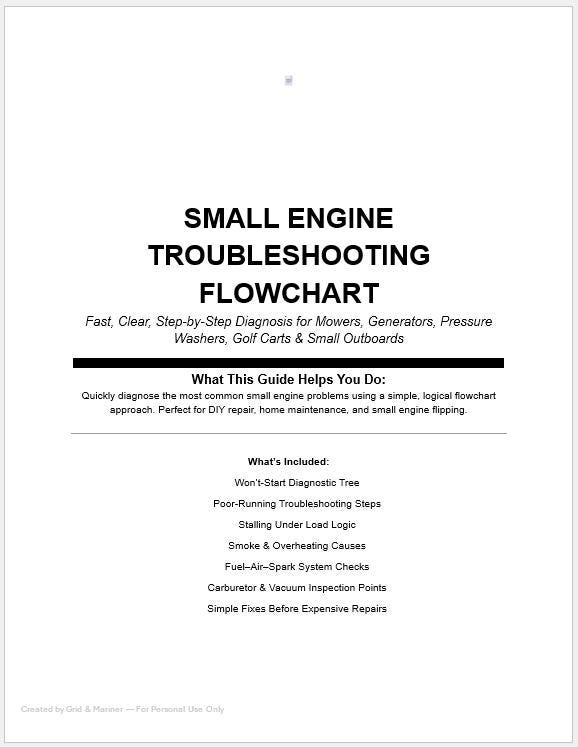
No Spark Path
- ✅ Is the key in the socket? If not, insert or bypass
- ✅ Is the plug wire secure? Reconnect if loose
- ✅ Is there spark at the wire end? If yes, replace the plug
- ✅ Does a new plug still produce no spark? Test the coil
- ✅ Does the coil fail testing? Replace the coil
- ✅ Still nothing? Check safety switches and ignition switch
Fuel Issue Confirmed Path
- ✅ Did starting fluid cause a brief fire? Confirms fuel problem
- ✅ Is there fuel in the tank? Add fresh fuel if empty
- ✅ Is the line clear? Replace if kinked or cracked
- ✅ Is the carburetor clean? Rebuild or replace if clogged
- ✅ Is float level correct? Adjust per specifications
Sticking to this order saves time and prevents wasted parts.
Prevent Future Starting Failures
Seasonal Maintenance Checklist
Before winter arrives:
– Replace the spark plug
– Clean or rebuild the carburetor
– Check oil level and condition
– Inspect fuel lines and filter
– Test all controls and safety switches
After the season ends:
– Drain fuel or add stabilizer
– Run the engine dry if allowed
– Store in a dry location
– Take photos of disassembly for next year
Golden rule: Fresh fuel every season. Old gas causes the vast majority of carburetor issues.
When to Replace or Seek Professional Help
Consider Replacement If:
- Multiple systems have failed (coil, carburetor, starter)
- Repair costs exceed $100
- The machine is over 10 years old with no prior maintenance
Call a Professional If:
- You’ve tested all components and still have no start
- Compression is low (requires a gauge to test)
- Internal engine damage is suspected
Most local small engine shops can diagnose and fix the problem in 1–2 days.
Frequently Asked Questions About Craftsman Snow Blowers
Why does my Craftsman snow blower have no spark at the spark plug?
The most common causes are a failed spark plug, a faulty ignition coil, a missing ignition key that keeps the switch grounded, or a tripped safety switch. Test spark at the wire end first to isolate whether the plug or coil is the issue.
Can a missing key prevent my snow blower from starting?
Yes. On many Craftsman models, the ignition switch works by grounding the coil in the off position. Without a key inserted, the switch remains in the off state, which shorts the ignition to ground and prevents any spark.
How do I know if my ignition coil is bad?
A coil that works when cold but fails after the engine warms up is the classic sign. Test by checking for spark at the end of the spark plug wire with a new plug installed. No spark at the wire means the coil needs replacement.
What does it mean when my snow blower engine turns but won’t start?
This usually indicates a fuel delivery problem. The most likely culprit is old, varnished fuel clogging the carburetor. Spray starting fluid into the spark plug hole; if the engine fires briefly, you’ve confirmed a fuel issue.
Is it worth repairing an old Craftsman snow blower?
If the machine is under 10 years old and the repair costs stay under $100, fixing it is usually worthwhile. Multiple system failures, severe neglect, or repair costs approaching replacement value are signs to consider a new machine.
Key Takeaways for Fixing a Craftsman Snow Blower That Won’t Turn Over
Start your diagnosis with spark testing because it eliminates the most expensive components quickly. Use starting fluid to instantly confirm whether fuel delivery is the culprit. Clean the carburetor thoroughly if fuel is the issue, and pay close attention to missing keys, safety switches, and old fuel, as these are the silent killers of winter reliability. With regular maintenance, your Craftsman snow blower can deliver 15+ years of dependable service. Grab your tools, work through the checklist, and get that driveway cleared.