You press the electric start button on your Ariens snow blower, and nothing happens. Or the motor whirrs but the engine refuses to crank. Meanwhile, snow is piling up on your driveway and the temperature keeps dropping. When your Ariens snow blower electric start is not working, the problem often looks electrical but is usually mechanical or fuel-related.
The good news is that most causes are fixable with basic tools and some patience. This guide walks you through diagnosing the exact failure, repairing stuck or damaged starter gears, testing spark and fuel delivery, and restoring reliable one-button starting. You’ll also learn simple annual maintenance to prevent the same issue from ruining your next snowstorm.
Identify the Failure Type Before Any Repair
Every electric start problem falls into one of three categories. Identifying yours first saves hours of unnecessary work.
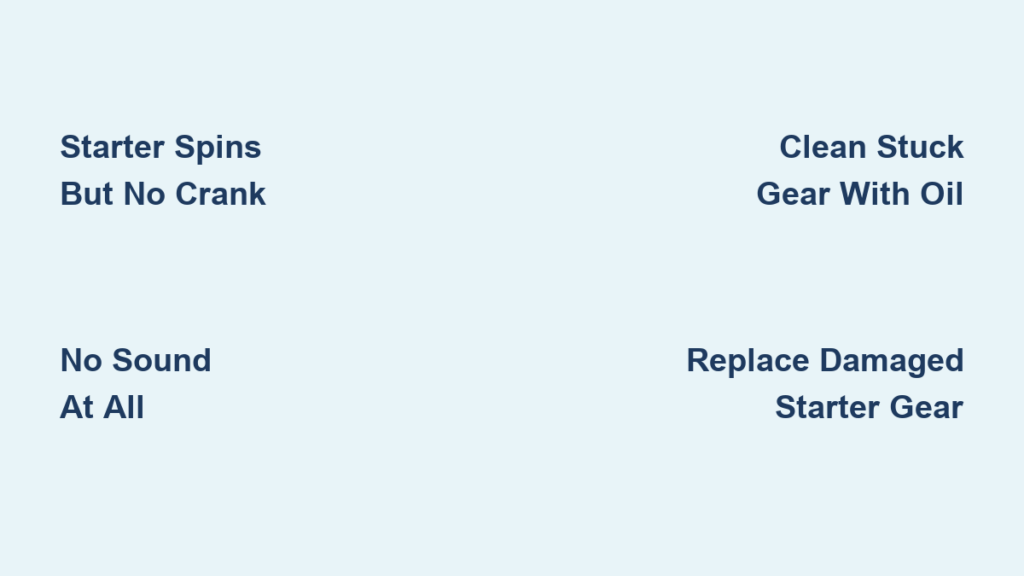
Starter Spins But Engine Won’t Crank
If the motor whirs but the engine stays still, you have mechanical engagement failure. The starter gear isn’t reaching or meshing with the flywheel.
- This is a mechanical problem, not electrical.
- The motor has power, but the gear fails to slide forward.
- Common causes: rust on the shaft, seized components, damaged gear teeth, or a worn return spring.
No Sound At All When You Press the Button
Complete silence points to a power supply issue.
- Check the power cord and outlet first.
- Test whether the plug box is receiving voltage.
- Inspect all electrical connections for corrosion or looseness.
- Rule out supply issues before diving into mechanical repairs.
Pro Tip: Plug another device into the same outlet to confirm it works. A multimeter can verify voltage at the plug box if needed.
Free a Stuck Starter Gear With Penetrating Oil
Rust and corrosion are the top reasons a starter gear refuses to move. This fix works when the gear is seized but teeth are still intact.
Apply Penetrating Oil and Let It Soak
- Spray PB Blaster or Liquid Wrench around the gear shaft and housing.
- Focus on the spot where the gear meets the metal sleeve.
- Wait 10–15 minutes to let the oil break down rust bonds.
Carefully Break the Stiction
- Insert a flathead screwdriver behind a gear tooth.
- Gently “walk” the gear down toward the flywheel.
- Stop if you feel resistance on aluminum housings; they can crack under force.
Scrub, Dry, and Lubricate
- Scrub the shaft with an old toothbrush and soapy water.
- Remove all visible rust and debris from sliding surfaces.
- Dry the area thoroughly.
- Apply light oil such as air tool oil or 3-in-1 oil.
- Skip the grease since it attracts dirt and makes buildup worse.
Test Gear Movement by Hand
- Slide the gear up and down the shaft manually.
- It should move smoothly and snap back via the return spring.
- Repeat cleaning if the gear still sticks.
Warning: Never apply heat from a torch or heat gun to free parts. Aluminum housings can warp or crack permanently.
Replace a Damaged Starter Gear on the Ariens 8526
Cleaning won’t help if the gear teeth are chipped or broken. Replacement is the only reliable fix. The Ariens 8526 with a Tecumseh engine is a common model needing this repair.
Recognize the Signs of Gear Damage
- Three or more broken teeth on the gear.
- Gear slips when power is applied.
- Starter spins but the engine never cranks.
- Visible rounding or wear on tooth edges.
Remove the Plug Box and Starter Assembly
-
Remove the plug box:
– Two long Phillips head screws hold it in place.
– Set it aside gently without disconnecting the wires. -
Locate the starter:
– It sits directly beneath the fuel tank.
– Secured by two T30 Torx screws. -
Unscrew and remove the starter:
– Use a crescent wrench if the screws resist turning.
– Wiggle the unit free carefully.
Install the New Starter
-
Verify part compatibility:
– Confirm your model (8526) and engine type (Tecumseh).
– Double-check the part number before ordering. -
Align and insert:
– The new starter has two key slots on top.
– Align these slots with the mounting screw gaps.
– Slide the unit into position smoothly. -
Secure with T30 screws:
– Tighten firmly without over-torquing.
– Confirm the gear rotates freely and aligns with the flywheel. -
Reattach the plug box:
– Reinstall the Phillips screws.
– Confirm the electrical connection is snug.
Time Estimate: 15–20 minutes. No advanced mechanical skills required.
Inspect the Flywheel Teeth for Hidden Damage

Even a brand-new starter won’t work if the flywheel itself is damaged. Always check this before assuming the repair is complete.
Rotate the Flywheel Slowly
- Pull the recoil starter cord gently to turn the flywheel.
- Watch for missing or broken teeth.
- Look for excessive rust or pitting.
- Check for misalignment with the starter gear path.
Decide What Wear Is Acceptable
- Minor surface rust: Clean with a wire brush and proceed.
- Broken or missing teeth: Requires engine repair or flywheel replacement.
- Worn edges: May still engage, but monitor for slipping over time.
Pro Tip: If the flywheel teeth are intact, a new starter should engage cleanly on the first try.
Test for Spark and Ignition Problems
No spark means no start, even if the engine cranks perfectly. This test isolates ignition from fuel issues.
Ground the Spark Plug for Testing
- Pull the spark plug wire off the plug.
- Remove the plug using a socket wrench.
- Reattach the wire to the plug.
- Hold the metal base of the plug against the engine block to ground it.
- Crank the engine using the pull cord or electric start.
Read the Spark Results
- Strong blue spark: Ignition system is working properly.
- Weak yellow or orange spark: Likely a bad plug or failing ignition coil.
- No spark: Check wiring, coil, or replace the plug entirely.
Replace a Fouled Spark Plug
- Old or dirty plugs cause weak ignition.
- A new plug often resolves no-start issues after mechanical repairs.
- Check your owner’s manual for the correct plug type.
Diagnose Fuel Delivery Problems With Starting Fluid

Old or contaminated fuel is a silent killer of small engines. Use starting fluid to confirm whether fuel delivery is the real culprit.
Confirm Basic Fuel Conditions First
- Check tank level and confirm gas is present.
- Smell the fuel: a faint unpleasant odor means degraded gasoline.
- Set the fuel valve to ON.
- For cold starts, set throttle to full and choke to full.
Spray Starting Fluid Into the Carburetor
- Spray a one-second burst into the carburetor intake.
- Attempt to start the engine immediately.
Interpret the Results
- Engine fires briefly then dies:
- Confirms ignition works correctly.
- Strongly indicates a fuel delivery problem.
- Engine doesn’t start at all:
- Points to no spark or a severe blockage.
- Move back to spark testing.
Key Insight: Starting fluid bypasses the carburetor, so a brief run proves the problem is fuel-related.
Clean the Carburetor and Flush Out Old Fuel
Degraded fuel leaves varnish that clogs the tiny passages inside your carburetor. A full cleaning restores proper fuel flow.
Drain All Old Fuel
- Turn off the fuel valve.
- Disconnect the fuel line or use a siphon pump.
- Drain the tank completely.
- Drain the carburetor bowl if it has a drain screw.
Clean the Carburetor Thoroughly
- Remove the carburetor from the engine.
- Disassemble the main components.
- Soak parts in carburetor cleaner.
- Clear jets and passages with a fine wire or compressed air.
- Reassemble and reinstall carefully.
Replace the Fuel Filter
- Swap out the old filter if your model has one.
- Prevents debris from re-entering the cleaned system.
Refill With Fresh Gasoline
- Use ethanol-free gasoline whenever possible.
- Add fuel stabilizer for seasonal storage.
- Prime the engine and attempt a start.
Pro Tip: Clear-looking old fuel can still leave gummy residue inside the carburetor. When in doubt, drain it.
Prevent Future Electric Start Failures
A few minutes of annual maintenance saves hours of frustration during the next storm.
Lubricate the Starter Every Year
- Remove the starter once per season.
- Clean the shaft and gear thoroughly.
- Apply light oil to prevent rust formation.
- Inspect the return spring for stretching or breakage.
Store the Machine in a Dry Location
- Keep your snow blower in a dry garage or shed.
- Moisture causes rust on critical moving parts.
- Use a fitted cover if storage is in a damp area.
Use Fresh Fuel Each Season
- Never rely on last year’s leftover gasoline.
- Drain the tank before long-term storage.
- Run the engine dry or add stabilizer.
Inspect Electrical Connections Annually
- Check the plug box and wiring once per year.
- Clean corrosion using electrical contact cleaner.
- Confirm all connections are tight and secure.
Model-Specific Tips for Faster Diagnosis
Different Ariens models have slightly different weak points. Here’s what to check first on common machines.
Ariens 8526 With Tecumseh Engine
- Starter sits beneath the fuel tank.
- Held by two T30 Torx screws.
- Plug box uses two long Phillips head screws.
- Replacement typically takes 15–20 minutes.
Ariens 927LE
- Starting failure is often fuel-related, not electrical.
- Old or contaminated fuel is a frequent culprit.
- Diagnose in this order: fuel supply, spark, then fuel delivery.
Tecumseh Engines Across Brands
- Starter secured by two 3/8-inch bolts.
- Same platform appears on multiple snowblower brands.
- Always verify model, engine, and part number before ordering parts.
When Replacement Beats Repair
Not every problem responds to cleaning. Sometimes a new starter is the smarter choice.
Replace the Starter If:
- Three or more gear teeth are broken.
- The gear slips under load repeatedly.
- The starter spins but never engages the engine.
- Multiple cleanings fail to restore smooth operation.
Compare the Cost vs. Benefit
- Return spring: Inexpensive, prevents future failures.
- Complete starter: Around $60–$100, restores full reliability.
- Labor: Minimal since most users can handle this DIY.
Bottom Line: A new starter is often faster and more dependable than repeated repair attempts.
Run a Final Test to Confirm the Fix
After completing any repair, verify everything works before the next snowfall.
Plug In and Press the Start Button
- Watch the starter gear drop down smoothly.
- Listen for clean engagement with the flywheel.
- The engine should crank immediately.
Confirm the Gear Retracts Properly
- After release, the gear should spring back up.
- No sticking or partial retraction allowed.
- Repeat the test three to five times for consistency.
Test in Cold Conditions
- Try the electric start on a cold morning if possible.
- Cold temperatures expose lingering issues that warm testing misses.
Frequently Asked Questions About Ariens Snow Blower Electric Start Problems
Why does my Ariens snow blower electric start click but not crank?
A clicking sound without cranking usually means the starter gear is failing to engage the flywheel. The most common cause is rust buildup on the gear shaft that prevents smooth sliding movement. Try applying penetrating oil and manually working the gear free before considering a full replacement.
Can old fuel really prevent electric start from working?
Yes, old fuel is one of the most overlooked causes of no-start conditions. Gasoline breaks down over time and forms varnish that clogs carburetor jets and fuel lines. Even if the starter motor and ignition work perfectly, the engine cannot run without proper fuel delivery to the combustion chamber.
How do I know if my starter gear teeth are broken?
Remove the starter assembly and visually inspect the gear. Three or more broken or visibly rounded teeth confirm the gear needs replacement. Other signs include the gear slipping under power, the starter spinning without engaging, and the engine never cranking despite a working electric motor.
What oil should I use on a stuck starter gear?
Use a light, non-detergent oil such as air tool oil or 3-in-1 oil. These products lubricate without attracting dirt and debris. Avoid heavy greases or thick oils that collect dust and worsen buildup over time.
Is it worth replacing the starter myself on an Ariens 8526?
Yes, the Ariens 8526 starter is very DIY-friendly. The job requires only basic tools including a Phillips head screwdriver, T30 Torx driver, and possibly a crescent wrench. Most repairs take 15–20 minutes, and the parts typically cost between $60 and $100.
How often should I lubricate my snow blower electric starter?
Lubricate the starter mechanism once per year, ideally before winter storage or at the start of the snow season. Annual cleaning and oiling prevents rust from seizing the gear and extends the life of the return spring and gear teeth.
Key Takeaways for Restoring Your Ariens Electric Start
Most electric start failures come down to three root causes: rust-seized starter gears, broken gear teeth, or old contaminated fuel. Diagnose the failure type first by listening to what happens when you press the button. A spinning motor with no cranking points to a mechanical gear problem, while silence points to electrical supply. For mechanical issues, penetrating oil and cleaning fix most seized gears, while broken teeth require a full starter replacement. For fuel issues, draining old gas, cleaning the carburetor, and refilling with fresh ethanol-free gasoline restores reliable starting.
Next step: Pick up penetrating oil, light machine oil, and basic hand tools before your next storm. A 20-minute inspection and cleaning now prevents a frustrating 20-pull morning when you need your machine most.