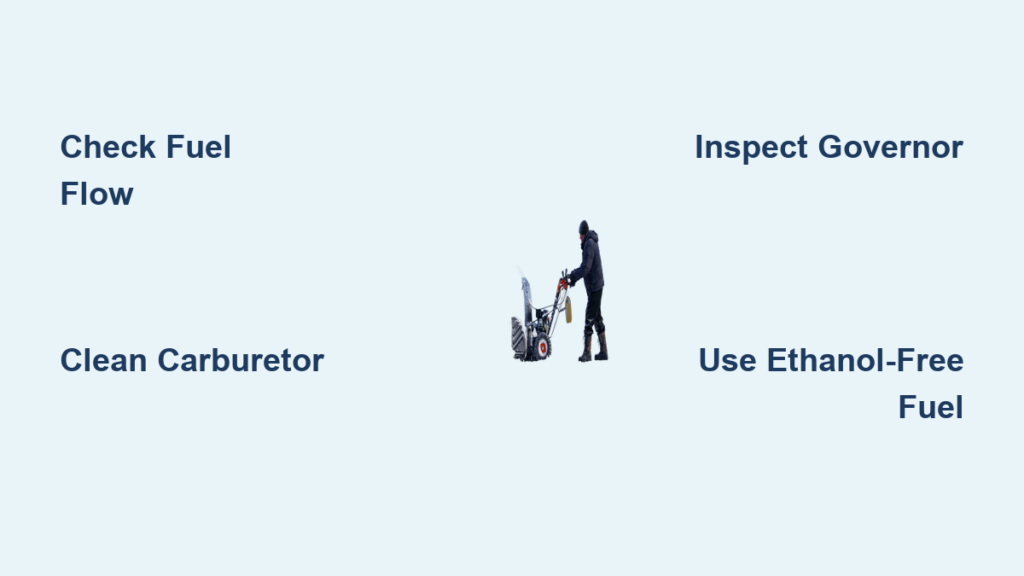
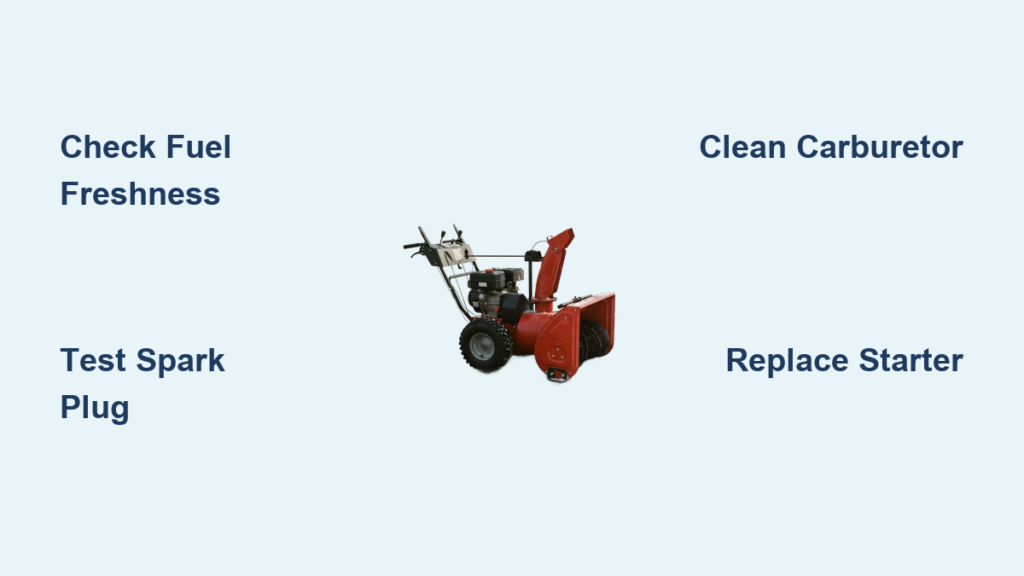
You’re ready to clear the driveway after a heavy snowfall, but your Yard Machine snow blower won’t start. It’s a common frustration, especially after months of storage. The good news? Most no-start issues stem from just a few predictable causes: stale fuel, a clogged carburetor, a weak spark, or electric start failure. With the right steps, you can diagnose and fix the problem in under an hour, often without tools.
This guide walks you through a proven troubleshooting path based on real user experiences and technical data. Whether your snow blower cranks but won’t fire, clicks with no response, or dies immediately after starting, we’ll show you exactly what to check and how to fix it. You’ll learn how to test fuel delivery, confirm spark, clean the carburetor, replace a failed starter, and perform a full tune-up to prevent future issues.
Check Fuel and Oil Levels First
Before diving into complex repairs, verify the basics. A Yard Machine snow blower won’t start if it’s out of gas or low on oil, even if everything else works.
Confirm Fuel Is Fresh and Present
Old fuel is the top cause of no-start conditions after storage. Gasoline degrades in as little as 30 days, leaving varnish that clogs the carburetor.
- Check the fuel tank: Is there gas? If empty, refill with fresh gasoline (no ethanol if possible).
- Smell the fuel: Sour or varnish-like odor means it’s stale. Drain and replace.
- Verify fuel valve position: Some models have a shut-off valve under the tank. Ensure it’s in the ON position.
Inspect Oil Level and Condition
Low or dirty oil can prevent starting on some models with safety switches.
- Remove the oil dipstick or fill plug.
- Check level and add 5W30 oil if low.
- If oil is black or sludgy, drain and replace it as part of a full tune-up.
Test for Spark: Ignition System Check
If the engine turns over but won’t start, the issue may be ignition. A quick spark test tells you whether the spark plug is working.
Pull and Test the Spark Plug
- Remove the spark plug using a socket or wrench (typically 5/8″ or 13/16″).
- Reconnect the spark plug wire.
- Ground the plug against the engine block (metal part, no paint).
- Pull the starter cord or press the electric start.
- Look for a strong blue spark.
- Blue spark: Ignition system is good. Focus on fuel delivery.
- Weak yellow spark or no spark: Check the plug, wire, or ignition coil.
Replace the Spark Plug If Needed
Old or fouled plugs are common after storage.
- Recommended plug: Champion RC12YC or equivalent.
- Gap setting: 0.030 inches. Use a gap tool to adjust.
- Install the new plug, reconnect the wire, and retest.
Diagnose Fuel Delivery Issues

If the engine has spark but won’t start, the problem is almost always fuel delivery. The carburetor is the usual culprit, especially the idle jet.
Use Starting Fluid to Confirm
Spray a 2-second burst of starting fluid into the air intake or spark plug hole.
- Engine starts briefly then dies: Compression and spark are good. Fuel delivery is the issue.
- No start at all: Possible clogged carburetor, stuck fuel valve, or air leak.
Perform the Direct Fuel Test
- Remove the spark plug.
- Add 1 teaspoon of fresh gas directly into the cylinder.
- Reinstall the spark plug.
- Attempt to start.
- Runs for 1–2 seconds then stops: Fuel isn’t reaching the engine. Focus on the carburetor or fuel lines.
- Repeat 2–3 times to confirm.
Clean the Carburetor: Fix Clogs Fast
A clogged carburetor, especially the idle jet, is the most common cause of no-start after storage. Cleaning it often restores function.
Remove and Inspect the Carburetor Bowl
- Place a container under the carburetor to catch fuel.
- Remove the bowl nut (usually at the bottom).
- Inspect the bowl for debris, sludge, or water.
- Check the float. It should move freely. If stuck, gently pull it down to free the inlet needle.
Clear the Main and Idle Jets
- Main jet: Remove and use a tiny wire (like a bread tie) to clear the metering hole.
- Idle jet: Remove the small side jet. Spray carb cleaner or WD-40 through the bore under pressure.
- Tip: WD-40 is safer for rubber seals than aggressive carb cleaners.
Reassemble with Correct Settings
- Reinstall the bowl with a new gasket if needed.
- Do not over-tighten the bowl nut. Hand-tight plus a quarter turn is enough.
- Adjust both carburetor screws:
- Screw in fully (gently), then back out 1.5 turns.
- Fine-tune later when the engine runs.
Fix Electric Start: Replace Faulty Starter
If the pull cord starts the engine but the electric button does nothing, the starter motor is likely failed, especially on older Yard Machine models.
Identify Starter Failure Symptoms
- No sound when pressing the button
- Rapid clicking (could also be a weak battery)
- Whirring without cranking
- Pull start works fine: The engine is good, but the starter is bad
Access and Replace the Starter
Tools needed: 10mm socket, Phillips or star bit screwdriver.
Step 1: Lift the Fuel Tank
- Remove two 10mm bolts holding the gas tank.
- Carefully lift the tank. There is no need to disconnect fuel lines.
- Set aside.
Step 2: Remove the Old Starter
- Remove two top screws (star or Phillips).
- Remove two 10mm nuts at the base.
- Gently pull out the starter. The wiring stays connected.
Step 3: Install the New Starter
- Plug in the new starter.
- Slide it into position and secure with two bottom nuts and top screws.
- Ensure it’s fully seated.
Step 4: Reinstall the Gas Tank
- Lower the tank back into position.
- Align with the bottom groove and reattach bolts.
Test the Electric Start
Press the button. It should crank strongly and consistently.
- No crank? Check the battery, fuse, and ignition switch.
- Battery test: Use a multimeter. It should read 12.6V or higher.
Perform a Full Tune-Up for Reliability
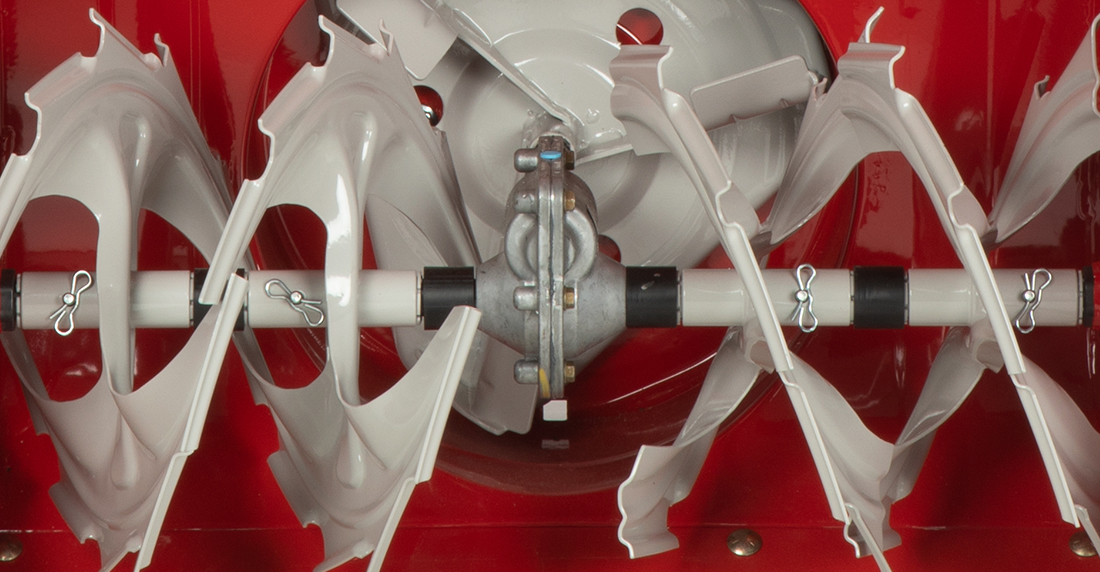
After fixing the no-start issue, do a complete tune-up to prevent future problems and ensure smooth operation.
Change the Oil
- Drain old oil completely.
- Refill with 5W30 oil to the proper level (check dipstick or fill hole).
- Do this annually or after heavy use.
Inspect Belts and Shear Pins
- Drive and auger belts: Look for cracks, fraying, or dry rot. Replace if damaged.
- Shear pins: Check both auger ends. Replace if broken or bent.
Grease the Drivetrain Safely
- Apply grease to bearings, pivot points, and auger shaft.
- Critical: Wipe off all grease from the flywheel and rubber drive belt. Grease causes slippage.
Adjust Cables for Smooth Operation
Drive Cable
- Loosen the locknut.
- Turn the adjustment barrel counterclockwise to tighten.
- Retighten the locknut.
- Test: Engage drive. It should move smoothly under resistance.
Auger Cable
- Slight tightening improves engagement.
- Ensure the auger spins freely when engaged and stops cleanly when released.
Prevent Future No-Start Issues
Avoid next winter’s frustration with proper storage and maintenance.
Drain Fuel or Use Stabilizer
- Option 1: Run the engine dry, then drain the fuel tank and carburetor.
- Option 2: Add fuel stabilizer to fresh gas, run for 5 minutes, then shut off.
- Never store with old fuel.
Store in a Dry, Covered Area
- Moisture causes rust, corrosion, and fuel contamination.
- Use a cover or store in a garage.
Check Before Each Season
- Replace spark plug
- Inspect belts and cables
- Clean or rebuild carburetor if needed
- Test electric start and battery
When to Rebuild the Carburetor
If the engine starts after cleaning but dies when sitting for hours, a full carburetor rebuild is needed.
Signs You Need a Rebuild
- Requires repeated carb cleaner sprays to restart
- Runs only with choke fully on
- Idles poorly or stalls at low RPM
Rebuild Kit vs. Professional Repair
- Rebuild kit: $12–$20. Includes all gaskets, jets, and needles.
- Professional repair: $75–$100.
- DIY is recommended if you’re comfortable with small parts.
Follow the Service Manual
- Download the manual for detailed diagrams, specs, and disassembly steps.
- Contains part identification and torque settings.
Troubleshoot Common Scenarios
Engine Runs Briefly Then Dies
- Cause: Carburetor not delivering steady fuel.
- Fix: Clean or rebuild the carburetor. Adjust the low-speed screw.
Electric Start Clicks But Won’t Crank
- Test the battery first. A weak battery mimics a bad starter.
- If the battery is good, replace the starter.
No Response from Electric Start
- Check for a blown fuse (usually near the battery or switch).
- Test the ignition switch with a multimeter.
- Inspect wiring connections and tighten any loose terminals.
Pull Start Works, Electric Doesn’t
- Confirms the engine and fuel system are good.
- Focus on the starter, battery, fuse, or switch.
Cost-Saving Repair Tips
Fix your Yard Machine snow blower without overspending.
Use a Donor Snowblower
- Many starters are interchangeable.
- Salvage a working starter from a junked unit for a free replacement.
Buy Used or Generic Parts
- Check local classifieds or Facebook Marketplace.
- Amazon starters: $50–$80. Verify model compatibility.
Clean Before Replacing
- Spray carb cleaner inside and out. It may restore function temporarily.
- Full disassembly and rebuild provide a lasting fix.
Frequently Asked Questions About Yard Machine Snow Blowers That Won’t Start
Why does my Yard Machine snow blower not start after sitting in storage?
Old or stale fuel is the top cause. Gasoline breaks down in 30 days, leaving varnish that clogs the carburetor idle jet. Drain old fuel, add fresh gas, and clean the carburetor if needed.
Can I use starting fluid to diagnose a no-start issue?
Yes. Spray a 2-second burst into the air intake or spark plug hole. If the engine fires briefly and dies, spark and compression are good. The problem is fuel delivery, usually the carburetor.
What spark plug does a Yard Machine snow blower use?
The Champion RC12YC is the typical recommendation. Set the gap to 0.030 inches with a gap tool before installing.
How do I know if my electric starter is bad?
If the pull cord starts the engine but the electric button does nothing, clicks rapidly, or whirs without cranking, the starter motor has likely failed. Test the battery first to rule out a weak battery.
How much does it cost to rebuild a Yard Machine carburetor?
A rebuild kit costs $12–$20 and includes gaskets, jets, and needles. Professional rebuild service runs $75–$100. Most homeowners can complete the DIY job in 30–60 minutes.
Why does my snow blower die when I let off the choke?
This points to a clogged idle jet or incorrect low-speed screw adjustment. Clean the idle jet and set the low-speed screw to 1.5 turns out from fully seated, then fine-tune.
Final Checklist: Yard Machine No-Start Fix
- Checked fuel level and freshness
- Confirmed fuel valve is ON
- Tested for strong blue spark
- Used starting fluid to confirm fuel issue
- Cleaned carburetor bowl, main jet, and idle jet
- Replaced spark plug (Champion RC12YC, 0.030″ gap)
- Replaced starter if electric start failed
- Changed oil (5W30)
- Inspected belts and shear pins
- Greased drivetrain (avoided flywheel and belt)
- Adjusted drive and auger cables
- Drained fuel or added stabilizer for storage
Final Thoughts on Yard Machine Snow Blower No-Start Problems
A Yard Machine snow blower that won’t start is usually a simple fix, with stale fuel and a clogged carburetor being the most common culprits. By following this guide, you’ll not only solve the immediate issue but also stop next season’s headache before it starts. Fresh fuel, a clean carburetor, and a quick annual tune-up are the keys to reliable winter performance.