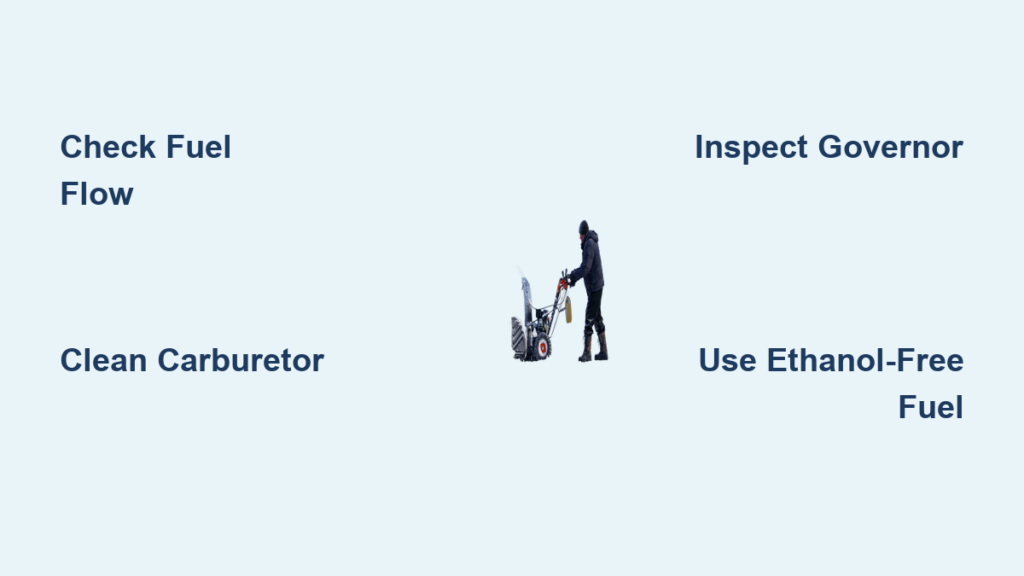
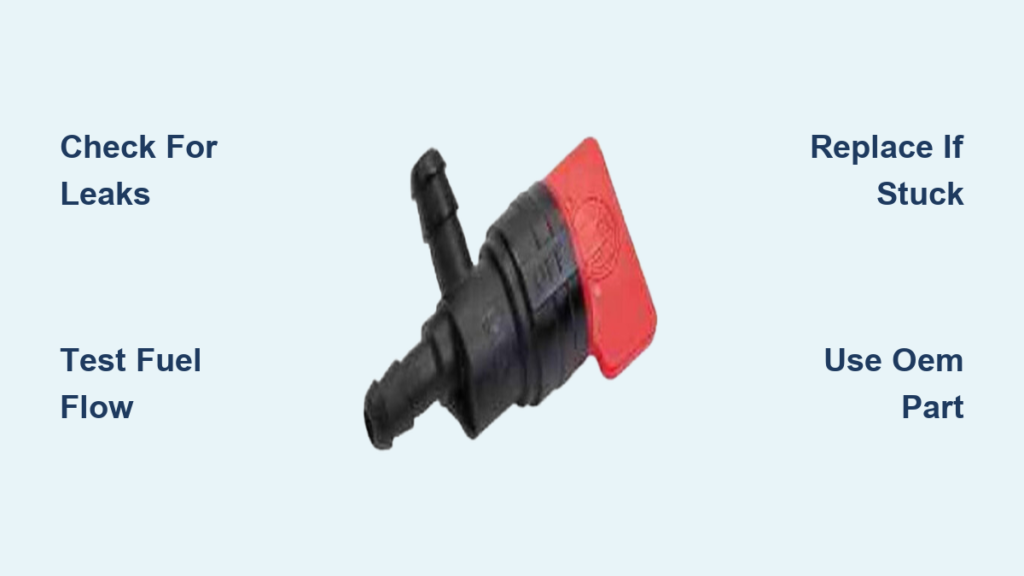
You crank the pull cord on a freezing morning, and your snow blower sputters, refuses to start, or smells strongly of gasoline. A worn snow blower fuel shut off valve is one of the most overlooked causes of these frustrating winter headaches. This small component controls whether fuel flows from the tank to the carburetor, and when it fails, you get hard starts, flooding, or dangerous leaks.
In this guide, you will learn how the valve works, the warning signs of failure, how to replace a faulty unit, and how to keep your fuel system in top shape for years of reliable snow removal.
How the Snow Blower Fuel Shut Off Valve Works

The fuel shut off valve is a simple mechanical gatekeeper between your fuel tank and the engine. When the lever is set to “On,” gasoline flows freely to the carburetor. When set to “Off,” it blocks the passage completely.
Purpose and Placement
The primary job of the valve is to stop fuel flow during storage, transport, or maintenance. Without it, fuel can continuously seep into the carburetor, causing internal corrosion, varnish buildup, or engine flooding.
On compatible Ariens snow blowers, the 20001436 fuel tank on/off valve mounts directly at the base of the fuel tank and connects to the carburetor via a short fuel line. It operates manually with a lever, with no electrical parts involved.
Confirm Your Model Has a Valve
Not every snow blower includes a dedicated shut off valve. Single-stage machines may rely on a vented fuel cap or a simple drain method instead. Two-stage models, especially those with larger engines, are far more likely to include a threaded inline valve.
To check your machine:
– Look under the fuel tank for a small lever-operated valve
– Trace the fuel line from the tank to the carburetor
– Search the owner’s manual for part number 20001436
– Use the manufacturer’s “Does This Fit My Model” tool with your serial number
If your tank has no threaded port, the valve may be integrated into the cap or replaced by a manual inline clamp.
Common Symptoms of a Failing Fuel Shut Off Valve

A bad valve often mimics other engine problems, so recognizing the specific signs saves you from buying parts you do not need.
Fuel Leaks With the Valve Closed
If gas drips from the carburetor or fuel line while the valve is in the “Off” position, the internal seal has likely hardened or cracked. This is more than a mess; it is a serious fire hazard that needs immediate attention.
Check the area beneath the carburetor bowl for wet spots after the machine has been sitting.
Engine Flooding or Hard Starting
A valve stuck in the open position allows fuel to flood the carburetor constantly. You may smell raw gasoline when pulling the cord or notice the engine stalls seconds after firing.
Pro Tip: Strong fuel smell at startup is your first clue to inspect the valve position and seal integrity.
No Fuel Flow Even When Open
If your engine starves for gas despite a full tank and the valve set to “On,” debris from old fuel or rust flakes may be blocking the passage.
Quick test: With the valve open, disconnect the fuel line at the carburetor. If no fuel drips out, the blockage is either in the valve, the tank screen, or the line itself.
Diagnosing the Valve Before Replacement
Spend five minutes confirming the diagnosis before purchasing a new part. A few basic checks can rule out other fuel system issues.
Step-by-Step Inspection Process
- Turn off the engine and allow it to cool completely
- Rotate the valve to the “Off” position
- Slide a drip pan under the fuel line
- Pull the fuel line off the carburetor fitting
- Switch the valve back to “On” and watch the flow
- Normal result: Steady fuel stream when on, zero drip when off
- Faulty result: No flow when on (clog) or constant drip when off (leak)
Cleaning vs. Replacing
Ethanol-blended fuels leave behind varnish and sediment that can gum up the valve’s internal plunger. If the valve is a serviceable design, soak it in carburetor cleaner for 10 to 15 minutes, then blow it dry with compressed air.
Warning: Most OEM valves like the 20001436 are sealed units. Attempting to disassemble them usually destroys the part. If cleaning does not restore function, replacement is the only option.
Replacing the Snow Blower Fuel Shut Off Valve
When cleaning fails, installing a new valve restores safe fuel control. The Ariens 20001436 is an OEM part priced at $30.99 and is currently backordered, so plan ahead during the off-season.
Tools and Materials
- Replacement valve (Part #20001436)
- Wrench or pliers matching the fuel line clamp
- Fuel line pinch-off tool or small C-clamp
- Drip pan and shop rags
- Carburetor cleaner (optional)
- Safety glasses
Time estimate: 20 to 30 minutes
Skill level: Moderate, basic fuel line handling required
Removing the Old Valve
-
Drain or burn off the fuel
Run the engine until it stalls, or siphon the tank into an approved container. -
Clamp the fuel line
Pinch the line behind the valve to prevent spillage. -
Disconnect the line from the valve outlet
Gently twist and pull. Replace any cracked or brittle hose. -
Unscrew the valve from the tank
Turn counterclockwise. Use pliers carefully to avoid stripping the tank threads. -
Wipe the mounting surface clean
Remove any rust, old thread sealant, or debris.
Installing the New Valve
-
Thread the new valve in by hand
Turn clockwise until snug. Avoid overtightening to prevent cracking the tank. -
Reattach the fuel line
Push the hose fully onto the barbed outlet. Add a new clamp if the old one is corroded. -
Test for leaks
Open the valve slowly and watch every connection for drips. -
Start the engine
Let it idle for two to three minutes. Confirm smooth operation and no fuel seepage.
Pro Tip: If the lever markings have faded, label the “On” and “Off” positions with a paint marker for quick reference.
Compatibility and Fitment Details

The 20001436 valve is not universal. It is designed for specific Ariens snow blower lines.
Models That Use This Valve
According to the manufacturer, this part fits select Ariens Two-Stage and Single-Stage SNO-THRO models. To confirm exact fitment, enter your serial or model number into the “Does This Fit My Model” lookup tool on the parts page.
If your fuel tank lacks a threaded valve port, this part will not install. Some models use integrated cap valves or inline manual clamps instead.
Why Choose the OEM Part
Aftermarket fuel valves exist at lower prices, but the OEM 20001436 guarantees:
– Correct thread pitch and length
– Proper internal flow rate
– Ethanol-resistant seals and housing
– A lever angle that matches the original routing
Generic versions often leak under pressure or degrade within one season of exposure to modern gasoline.
Maintenance Tips to Extend Valve Life
A few minutes of seasonal care prevents most fuel valve failures.
Winterizing the Fuel System
- Close the fuel shut off valve
- Run the engine until it dies to clear the carburetor
- Leave the valve in “Off” position during storage
- Add fuel stabilizer before the final tank of the season
- Store the machine with a full tank to reduce condensation
Fuel Quality Best Practices
- Use gasoline with no more than 10% ethanol (E10)
- Add fresh stabilizer to every fill if the machine sits for more than 30 days
- Replace fuel that is older than 90 days
- Keep the tank cap tight to block moisture
Expert Note: Even with a perfect valve, old fuel will clog carburetor jets and cause hard starting. Fresh, stabilized gas protects the entire fuel system from tank to spark plug.
When to Call a Professional Technician
Most valve replacements are DIY-friendly, but certain situations call for expert help.
Signs You Need Service
- The fuel tank is cracked, dented, or heavily rusted
- The tank threads are stripped or cross-threaded
- Fuel leaks continue after a new valve is installed
- The carburetor shows visible corrosion or damaged floats
A certified technician can weld plastic tanks, retap threads, or rebuild the carburetor if the damage extends beyond the valve itself.
Frequently Asked Questions About the Snow Blower Fuel Shut Off Valve
What does a fuel shut off valve do on a snow blower?
It controls the flow of gasoline from the fuel tank to the carburetor. Closing the valve prevents fuel from entering the engine during storage or maintenance, which protects against flooding, leaks, and varnish buildup.
How do I know if my snow blower fuel shut off valve is bad?
Common signs include fuel leaking from the carburetor when the valve is closed, the engine flooding or refusing to start, and no fuel reaching the carburetor even with the valve open and a full tank.
Can I use an aftermarket fuel valve instead of the OEM Ariens 20001436?
Aftermarket valves are available, but OEM parts ensure the correct thread size, flow rate, and ethanol-resistant construction needed for a reliable seal and long service life.
How much does the Ariens 20001436 fuel shut off valve cost?
The OEM Ariens 20001436 valve is priced at $30.99. It is currently listed as backordered, so ordering before peak winter season is recommended.
Where is the fuel shut off valve located on my Ariens snow blower?
On compatible models, the valve is mounted directly at the base of the fuel tank and connects to the carburetor via a short fuel line. It operates with a manual lever marked “On” and “Off.”
Do all snow blowers have a fuel shut off valve?
No. Many single-stage models omit the valve and rely on fuel cap vents or manual draining. Two-stage machines with larger engines are far more likely to include a dedicated shut off valve.
Key Takeaways for Maintaining Your Snow Blower Fuel Shut Off Valve
The snow blower fuel shut off valve is a low-cost part that protects your engine from fuel-related damage during the off-season. Recognize the early warning signs of leaks and flooding, test the valve before replacing it, and use the OEM Ariens 20001436 part for guaranteed fitment on compatible Two-Stage and Single-Stage SNO-THRO models.
Order your replacement valve early in the fall while supply is available, then spend a few minutes each season draining old fuel, adding stabilizer, and confirming the valve moves smoothly between positions. A five-minute check today prevents a no-start emergency on the next snowy morning.