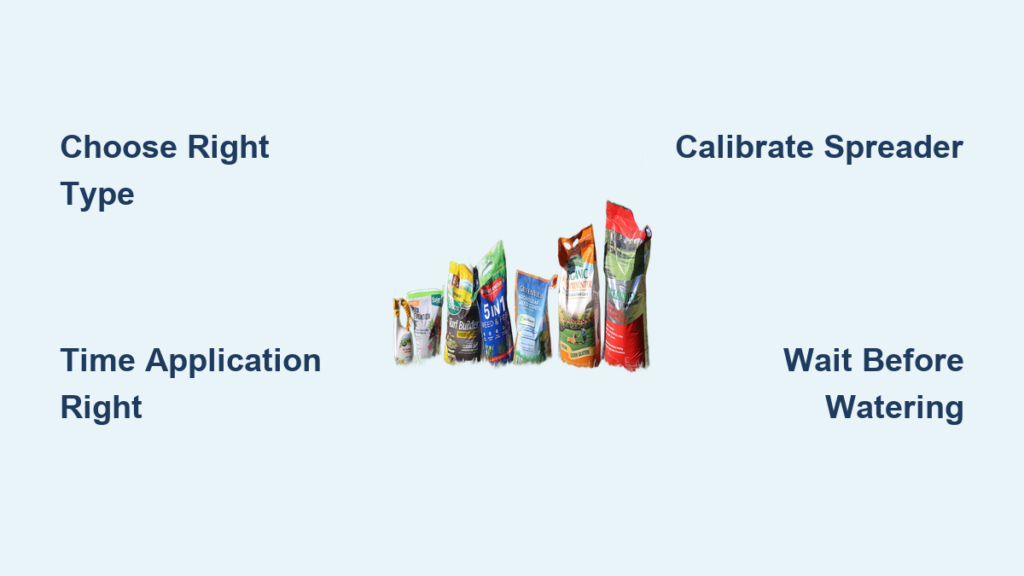
Weeds creeping through your grass? A patchy, lackluster lawn despite regular mowing and watering? You are not alone. Millions of homeowners turn to weed and feed as a quick fix to kill weeds and green up their turf in one step. This dual-action product combines herbicides to eliminate broadleaf invaders like dandelions and clover with fertilizer to nourish the grass, promising a lush lawn with less effort. But using it wrong can damage your lawn, waste money, or harm nearby plants.
When applied correctly, weed and feed delivers visible results. Yellowing weeds appear within a week, and thicker grass grows in three to four weeks. But timing, technique, and product choice make all the difference. This guide reveals exactly how to use weed and feed on lawn for maximum impact without risking turf burn, chemical runoff, or failed weed control. You will learn the best times to apply, how to prep your lawn, step-by-step application methods, and pro tips to avoid common mistakes.
Choose the Right Weed and Feed Type

Match Product to Weed Type
Not all weed and feed products work the same. Your choice depends on what weeds you are fighting and when you are applying.
Post-emergent weed and feed kills existing broadleaf weeds like dandelions, clover, and plantain. Use it in spring or early fall.
Pre-emergent weed and feed prevents weed seeds like crabgrass and foxtail from sprouting. Apply it in early spring before soil hits 55°F.
Three-in-one formulas combine fertilizer, pre-emergent, and post-emergent herbicide. These are ideal for early spring applications, such as GreenView Premium.
Check the label for crabgrass prevention. Most standard weed and feed products do not control grassy weeds unless specifically labeled.
Select Fertilizer Release Type
Quick-release formulas provide fast greening in three to five days. They work best in spring but carry a burn risk during hot weather.
Slow-release formulas feed grass over six to twelve weeks. They are safer for summer edges and fall applications and reduce mowing spikes.
A 15-5-10 ratio boosts spring growth. This means 15% nitrogen, 5% phosphorus, and 10% potassium. Avoid phosphorus-heavy formulas near waterways.
Apply at the Best Time of Year
Spring vs. Fall Timing
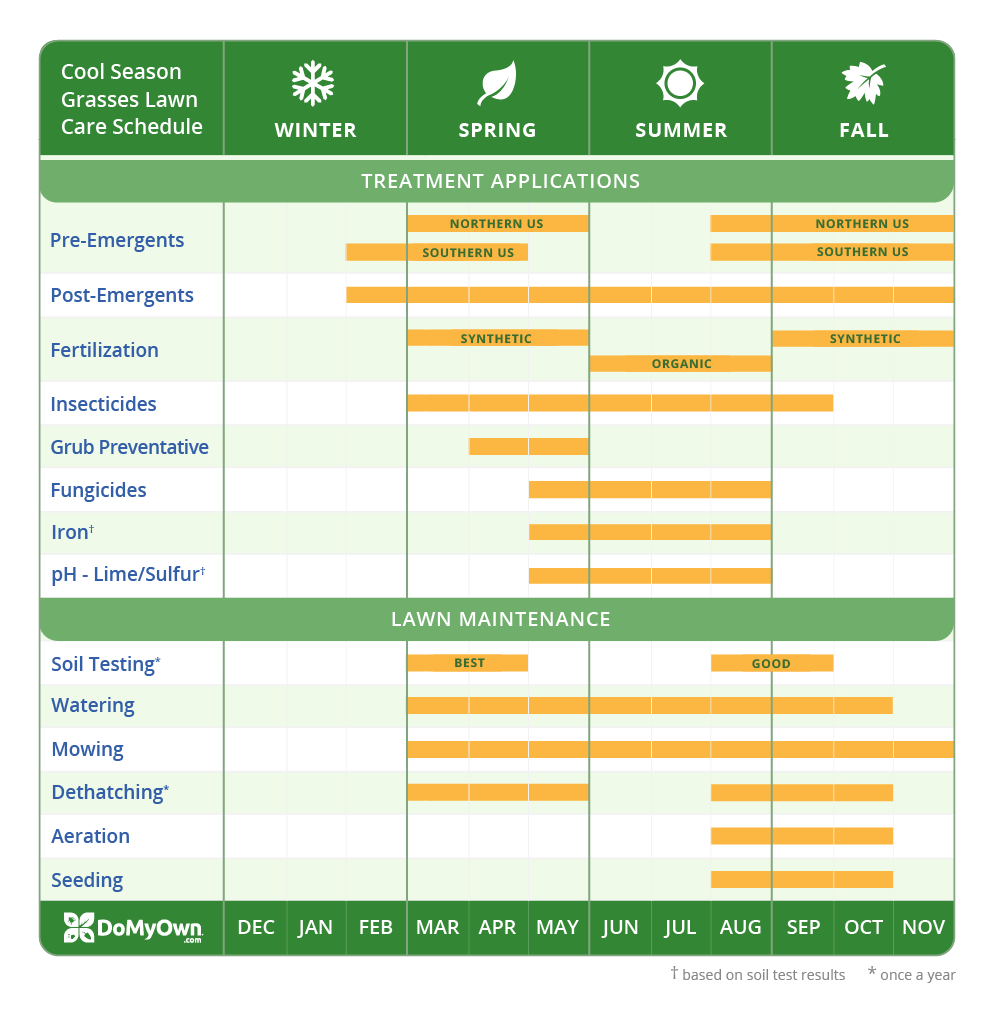
Northern lawns benefit from applications in April through May when soil reaches at least 50°F. A second application works well in September through early October.
Southern lawns should apply in late February through March and again in late August through September.
Never apply more than twice per year. Always wait at least eight weeks between treatments.
Optimal Weather Conditions
Temperature matters significantly. Apply when temperatures range from 60 to 90°F. Below 60°F, herbicides will not absorb well. Above 90°F, the risk of turf burn increases.
Apply to slightly damp grass. Dew or light sprinkling helps granules stick to weed leaves.
Avoid application if rain is expected within 24 to 48 hours. Watering too soon washes off the herbicide before it can work.
Fall applications are often more effective. Cooler temperatures reduce stress, and weeds absorb herbicide aggressively before winter.
Avoid These Application Mistakes
Never Use on Stressed or New Lawns
Do not apply during drought, extreme heat, or when grass is dormant. Wait two to three mowings after seeding or sodding before using weed and feed.
Do not reseed for three to four weeks after application. If the product prevents crabgrass, wait up to ten weeks.
Keep Away From Sensitive Plants
Avoid gardens, flowers, and vegetables. Herbicides like 2,4-D and Dicamba can drift and kill broadleaf plants.
Maintain a 25-foot buffer from ponds, lakes, and storm drains to prevent contamination.
Windy days increase drift risk. Delay application if wind exceeds 10 mph.
Step-by-Step: Apply Weed and Feed Correctly
Mow and Prep the Lawn First
Mow one to two days before application. This reduces canopy height and exposes weeds.
Do not mow for 24 to 48 hours after application. This gives weeds time to absorb the herbicide.
Lightly water the day before to moisten soil. However, apply to damp grass, not wet turf.
Dew-covered weeds in the early morning are ideal for granule adhesion.
Calibrate Your Spreader
Using the wrong spreader setting is the number one cause of streaks or lawn damage.
Test first by applying over a 250 square foot area to verify coverage.
Adjust for speed. Walk slower for heavier application and faster for lighter coverage.
Use the half-rate criss-cross method. Apply half the product in one direction, then the other half perpendicularly for even distribution.
For a 2,500 square foot lawn at 3.2 pounds per 1,000 square feet, you will need eight pounds total.
Apply Evenly and Safely
Start at the edges and work inward to avoid missing strips.
Overlap passes by six to eight inches.
Sweep granules off driveways, sidewalks, and gutters back onto the lawn. This prevents runoff and chemical pollution.
Fill the spreader on a tarp or cardboard. Never fill directly on pavement.
Water and Wait: Post-Application Care
Wait Before Watering
Hold off 24 to 48 hours after application. Some products like Estate Weed and Feed require 48 hours for full herbicide uptake.
Never water immediately. This washes off the herbicide before weeds can absorb it.
Water Deeply After Waiting
After the waiting period, water deeply to soak soil six inches down.
This activates the fertilizer and moves nutrients into the root zone.
Light sprinkling will not suffice. Use a rain gauge or soil probe to confirm depth.
Expect Realistic Results
When Will Weeds Die
First signs appear in seven to 14 days. Weeds yellow, curl, or wilt.
Full kill occurs in 30 days. Some persistent weeds like mature dandelions take longer.
No effect on nutsedge. This tall, lime-green grass is immune to most weed and feed products.
Granular herbicides are hit or miss on contact. For better control, spot-spray with liquid herbicide like Ortho Weed B Gon after application.
How Will Grass Respond
Quick-release formulas produce noticeable greening in three to five days.
Slow-release formulas create gradual thickening over six to 12 weeks.
Avoid reapplying too soon. Overuse causes nutrient buildup, thatch, and weak roots.
Safety and Environmental Tips
Protect Yourself and Pets
Wear gloves, long sleeves, pants, and closed shoes.
Keep children and pets off the lawn until granules dissolve, which happens after first watering or rain.
Wash hands and tools after use.
Prevent Environmental Harm
Never apply near water sources. Herbicides and excess nutrients pollute lakes and streams.
Do not over-apply. Follow label rates exactly. More is not better.
Store unused product in a cool, dry place out of reach of children and animals.
For large lawns over 10,000 square feet, consider hose-end sprayers like Ortho Dial-N-Spray for targeted control and less chemical use.
Weed and Feed vs. Separate Treatments
Why Some Pros Skip Weed and Feed
While convenient, many lawn care experts apply herbicide and fertilizer separately.
Weeds and grass have different peak needs. Optimal herbicide timing rarely aligns with ideal fertilization windows.
Better control results from spot-treating weeds. This avoids unnecessary chemical exposure.
This approach is safer for sensitive grasses like St. Augustine, which can be damaged by some herbicides.
An alternative strategy works well. Fertilize in early spring, then use a weed-only granular herbicide four to six weeks later when weeds are actively growing.
Top-Rated Products for 2024

Best Overall: BioAdvanced 5-in-1 Weed and Feed
This product kills over 200 weeds and feeds for up to three months. It is effective on dandelions, clover, and crabgrass with pre-emergent included.
Best Organic Option: Preen One LawnCare Weed and Feed
This combines natural fertilizers with pre and post-emergent action. It is safe for use around flowers when applied as directed.
Best for Spring: GreenView Premium Formula
This three-in-one product provides fertilizer, crabgrass preventer, and broadleaf killer. It is ideal for northern lawns needing early-season protection.
Best Value: Scotts Weed and Feed
This widely available option targets dandelions, clover, and chickweed. It contains no phosphorus, making it eco-friendly, but avoid using it on St. Augustine grass.
Always verify grass type and reseeding restrictions before buying.
Frequently Asked Questions About Weed and Feed
Can I apply weed and feed after fertilizing?
Yes, but wait two to four weeks between applications. Better yet, use a weed-only product to avoid over-fertilizing.
Does weed and feed work on clover?
Yes. Most post-emergent formulas control white clover. Confirm on the label before use.
What time of day should I apply?
Apply in late afternoon or early evening. Cooler temperatures reduce burn risk and evaporation.
How long after application can I reseed?
Standard products require a wait of three to four weeks. Crabgrass preventers require waiting up to 10 weeks.
Is granular weed killer as good as liquid?
Liquids are more effective for post-emergent control. They coat leaves better. Granular is easier for large areas but less precise.
Can I use weed and feed on new grass?
No. Wait until new grass has been mowed two to three times to ensure it is established.
Key Takeaways for Using Weed and Feed on Your Lawn
Weed and feed is a convenient tool for managing moderate broadleaf weed infestations, but it requires proper technique to work effectively. Timing is critical. Apply in spring or fall when weeds are actively growing and temperatures stay between 60 and 90°F. Always read the product label to confirm grass compatibility, application rates, and reseeding restrictions.
Calibrating your spreader and applying evenly prevents streaks and lawn damage. Use the criss-cross method at half rates for uniform coverage. Wait 24 to 48 hours before watering to give weeds time to absorb the herbicide, then water deeply to activate the fertilizer.
Avoid overuse. Never apply more than twice per year, and maintain buffer zones from water sources to protect the environment. For heavily weeded lawns or sensitive grass types, consider separate herbicide and fertilizer applications or spot-spraying with liquid products for better control.
The best defense against weeds is dense, healthy grass. Combine proper mowing, watering, and targeted treatments for lasting results. When you know how to use weed and feed on lawn correctly, you get a greener, weed-free yard with less work.