Your lawn turns brown overnight. You panic—was it the heat? A fertilizer mistake? Your dog? Before you rip it all up, take a breath: most burnt lawns can recover with the right fix. The key is knowing why it burned and acting fast. Whether it is drought, dog urine, fire, or fertilizer, this guide gives you exact steps to revive your lawn with no guesswork.
You will learn how to tell if grass is dead or dormant, repair any burn type in days, and prevent future damage. And if you have Bermuda grass, good news: even fire damage might make it stronger.
Identify What Burned Your Lawn

Before treating your lawn, you must pinpoint the exact cause. The repair method depends entirely on what damaged it.
Check for Heat and Drought Damage
Brown patches appear after weeks of hot, dry weather. Look for uniform browning in full sun areas, grass blades that curl or feel crisp to touch, and recovery in shaded spots. Dormant grass survives these conditions. It simply stops growing until water returns. Water deeply, and you may see green-up in 7 to 10 days.
Spot Fertilizer Burn Signs
Did you feed your lawn recently? Over-fertilizing causes rapid tip burn within 24 to 72 hours of application. Symptoms include yellow or brown grass tips, streaks or blotches matching spreader paths, and visible granules in the worst spots. Excess nitrogen creates salt buildup that pulls moisture from roots, essentially causing chemical dehydration.
Detect Dog Urine Damage
The classic sign is a brown circle with a green ring around it. Urine is high in nitrogen, which kills the center where it concentrates but acts as fertilizer on the outer edges where it dilutes. These spots appear most commonly near walkways, fences, or entry points where dogs linger.
Recognize Fuel or Chemical Spills
Petrol, oil, or herbicide spills leave jagged, irregular dead zones. Look for an oily sheen or chemical smell, soil that feels crusty or repels water, and no green regrowth after weeks. Unlike urine damage, there is no surrounding lush ring with fuel spills.
Confirm Fire or Spark Burns
Construction sparks or accidental ignition can char the surface of your lawn. A critical insight for Bermuda grass: surface burn often is not fatal because rhizomes survive underground. Ash actually helps the lawn by adding potassium and acting as a natural dethatcher.
Is Grass Dead or Dormant? The Pull Test
You do not need to reseed if your grass is simply resting. Here is how to tell the difference.
The Root Pull Test
Grab a handful of brown grass and tug gently. If it comes up easily with bare roots, the grass is dead and needs reseeding. If it holds firm and you see green at the base, the grass is dormant and will recover on its own.
Look for Green Shoots
Part the grass blades close to the soil line. If you see green inside, the grass is alive but stressed. If the blades are totally straw-colored throughout, the grass is likely dead.
Time Tip: Wait 7 to 10 days after the stress ends. Dormant grass will show signs of life by then.
Repair Dog Urine Burns Step by Step
Fix small dead spots fast with this proven method.
Remove Dead Grass Completely
Use a penknife or spring rake to cut out the damaged patch. Go 1 to 2 inches deep and remove all brown, dead material.
Flush Soil with Soapy Water
Mix a few drops of washing-up liquid in a gallon of water. Pour it over the spot. The soap breaks surface tension and helps water flush out residual urea from the soil.
Fill with Seed-Soil Mix
Blend a handful of grass seed with a bucket of screened topsoil. Fill the hole, press down firmly, and water well. Top with a light layer of hay mulch to retain moisture.
Pro Tip: In summer, dig a half inch deeper. Cooler, moider soil improves germination rates significantly.
Prevent Future Urine Spots
Designate a specific pee zone using gravel or mulch. Water spots immediately after your dog uses them. Use Dog Rocks in your pet is water bowl to balance pH. Avoid protein-heavy diets that increase nitrogen output in urine.
Fix Petrol and Fuel Spills Quickly
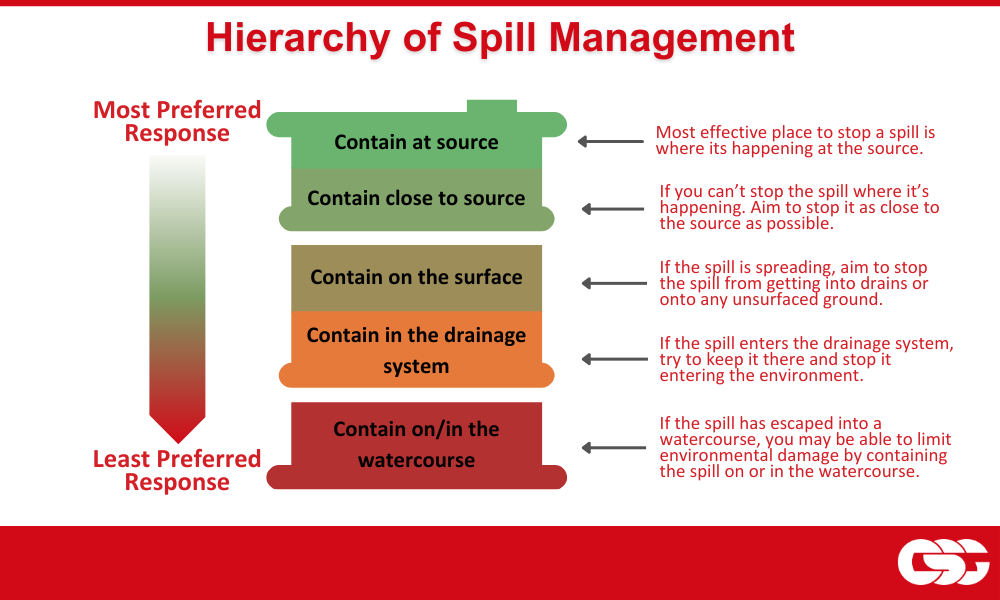
Gas kills grass fast, but the fix is straightforward.
Cut and Remove Contaminated Soil
Use a utility knife or auger drill to break up the damaged area. Scrape out the top 1 to 2 inches of soil if it looks oily or discolored. Replace it with fresh screened topsoil.
Reseed and Protect
Mix grass seed into the new soil. Press down firmly. Water daily until new growth appears, which typically takes 7 to 14 days.
Warning: Never pour fuel on your lawn. Even small amounts persist in soil and cause long-term damage.
Prevent Fuel Spills Forever
Switch to battery-powered mowers and trimmers. No fuel means no spills, plus they are quieter and easier to maintain.
Reverse Fertilizer Burn Fast
Act quickly because most fertilizer damage can be fixed.
Mow and Assess Damage
Cut your lawn to normal height. This removes burned tips and reveals the true extent of damage.
Rake Out Debris
Clear away dead grass and clumps. Expose clean soil so new seed can make contact.
Choose Fresh, High-Viability Seed
Old seed fails. Check the packing date and use seed less than 1 to 2 years old. Opt for proven blends labeled for summer repair.
Overseed and Cover
Sprinkle seed over bare patches. Dust with 5 to 10 millimeters of sandy topsoil to protect from birds and sun. Water gently twice daily.
Water Consistently
Keep soil moist but not soggy for 10 to 14 days. Germination typically occurs in 7 to 10 days.
Best Time to Repair: September through October offers ideal soil warmth and moisture for successful recovery.
Revive Sun-Scorched and Dry Lawns
Heat-damaged lawns respond well to smart watering and proper care.
Deep Water Once Weekly
Give your lawn 1 to 1.5 inches of water per week. Use a tuna can to measure how much your sprinklers deliver. Water early in the morning to reduce evaporation.
Aerate for Better Absorption
Use a core aerator to punch holes in compacted soil. This allows water and oxygen to reach roots. Aeration works best in spring or early fall.
Overseed Thin Areas
Rake lightly, spread seed, then cover with topsoil. Mulch with straw or hay to prevent washout.
Mow High and Sharp
Set your mower to 3 to 3.5 centimeters. Taller grass shades roots and retains moisture. Never cut more than one-third of blade length at once, and keep blades sharp.
Handle Fire-Damaged Lawns

Fire looks bad, but recovery depends on your grass type.
For Bermuda Grass: Do Nothing
Surface burn? Do not panic. Rhizomes survive underground. Ash is actually beneficial because it contains potassium and acts as natural fertilizer.
Rake and Water Lightly
Gently rake ash into the soil. Water to help nutrients dissolve. Green-up is expected in spring, often faster than before the fire.
For Cool-Season Grasses: Reseed
If no green shoots appear by spring, remove charred debris, aerate the soil, and overseed with a climate-appropriate blend.
Intentional Burning for Bermuda Only
Some landscapers burn dormant Bermuda to remove thatch and stimulate growth. To do this safely, use a weed burner from a hardware store. Work in small sections and keep a hose ready. Never burn in dry, windy conditions.
Extreme Caution: Fire spreads fast. This method is not for beginners.
General Lawn Recovery Checklist
Follow this framework for any type of burnt lawn.
Assess Damage Type and Extent
Dormant grass only needs water and time. Dead grass needs reseeding. Contaminated soil needs replacement.
Water Deeply and Smart
Apply 1 to 1.5 inches per week in early morning. Avoid frequent light sprinkles because they encourage weak, shallow roots.
Aerate for Root Health
Use a core aerator to relieve compaction and improve water, air, and nutrient flow to roots.
Test and Balance Soil
Check pH and aim for 6.0 to 7.0. Correct imbalances with lime or sulfur before seeding.
Overseed at the Right Time
The best window is early fall, specifically September through October. Use the same grass species or a high-quality repair mix.
Cover and Mulch Seeds
Apply a 5 to 10 millimeter topsoil layer. Use hay or straw mulch to retain moisture and deter birds. Water gently until established.
Mow Only When Ready
Wait until new grass reaches 5 centimeters tall. Mow at a higher setting and use sharp blades only.
Boost Recovery with Targeted Nutrients
Speed up greening with these treatments.
Apply Green-Up Fertilizer
After initial recovery, use a formula with 12 percent nitrogen for leaf growth, 10 percent iron for instant green color, and 1 percent magnesium for chlorophyll support. Apply 200 to 500 milliliters per 100 square meters.
Use Iron Without Watering In
Iron works best when absorbed through leaves. Apply in early morning and do not water immediately. Let it dry on the blades.
Add Microbial Boosters
Nourish at 200 milliliters per 100 square meters improves soil microbes. Vitalize at the same rate enhances stress recovery. Seaweed tonic strengthens roots.
Spray Correctly
Dilute in 4 to 5 liters of water per 100 square meters. Use a crosshatch pattern for even coverage. Apply in early morning or late afternoon.
Prevent Future Lawn Burns
Avoid repeat damage with these smart habits.
Water Smartly
Practice deep, infrequent watering. Use drip or soaker hoses in dry zones. Install rain sensors on irrigation systems.
Mow Properly
Keep height at 3 to 3.5 centimeters. Use sharp blades. Alternate mowing directions each time.
Fertilize Safely
Use slow-release formulas. Calibrate your spreader. Fill containers on the driveway, not the grass. Water in liquid feeds immediately.
Manage Pets
Train your dog to use a pee zone. Use Dog Rocks. Water spots within minutes of urination.
Upgrade to Battery Tools
No fuel means no spills. Battery tools are quieter, lighter, and low maintenance.
Know the Best Repair Seasons
Timing affects success significantly.
Spring: Prep and Repair
Ideal for cool-season grasses. Aerate, dethatch, and overseed. Soil is warming up and moisture is consistent.
Summer: Hydrate, Do Not Seed
Avoid reseeding because heat and evaporation kill seedlings. Focus on deep watering. Only repair if grass is confirmed dead.
Early Fall: Prime Repair Window
Soil is still warm but air is cooling. Rain is more consistent. Weed competition is low. This is the best time to overseed, specifically September through October.
Late Fall: Stop Seeding
After mid-October, frost risk kills new grass. Focus on cleanup and prepare for spring instead.
Winter: Wait and Watch
Dormant Bermuda needs no intervention. Recovery comes naturally in spring. There is no need for panic fixes.
Avoid Contractor Shortcuts
Some professionals take easy paths that hurt your lawn long-term.
Say No to Hydroseeding with Ryegrass
Contractors often spray cool-season annual ryegrass on warm-season lawns. The problem? It competes with Bermuda, weakens it, and dies in summer, leaving bare spots. Better approach: let Bermuda recover naturally or overseed properly.
Demand Proper Base for Hardscapes
Pouring concrete over sod is unacceptable. It leads to cracking and drainage issues. The correct base involves excavating 6 to 8 inches, removing all grass, and installing compactable gravel. If a contractor refuses, consider an insurance claim or legal advice.
Frequently Asked Questions About Repairing Burnt Lawns
How long does it take for a burnt lawn to recover?
Recovery time depends on the damage type and treatment. Dormant grass greens up in 7 to 10 days with proper watering. Newly seeded areas show germination in 7 to 14 days. Full recovery to thick lawn density takes 4 to 8 weeks.
Can burnt grass come back to life?
Yes, most burnt lawns recover fully. The key is determining whether grass is dead or dormant. Dormant grass recovers naturally. Dead grass requires reseeding. Bermuda grass is particularly resilient and often comes back thicker after fire damage.
Should I water a burnt lawn every day?
No. Water deeply once or twice per week, giving 1 to 1.5 inches total. Frequent light watering encourages shallow roots. Water early morning to reduce evaporation loss.
What does fertilizer burn look like?
Fertilizer burn appears as yellow or brown grass tips within 24 to 72 hours of application. You may see streaks matching spreader paths or concentrated damage where granules spilled. The grass feels crispy and pulls up easily.
Will Bermuda grass grow back after being burned?
Yes. Bermuda grass has rhizomes that survive underground even when surface grass is charred. Surface burn is rarely fatal. In fact, controlled burning is a common practice to remove thatch and stimulate growth. Expect green-up in spring, often faster and thicker than before.
How do I fix brown patches from dog urine?
Remove dead grass with a rake. Flush the area with soapy water to break down urea. Fill with seed and topsoil mix. Water consistently until established. Prevent future damage by designating a pee zone or watering spots immediately after your dog uses them.
Key Takeaways for Repairing Your Burnt Lawn
A burnt lawn is not a lost cause. Most recover fully with the right care, and your lawn may come back thicker and healthier than before. Bermuda grass actually thrives after fire damage, dog spots vanish with quick action, and fertilizer burns reverse with proper watering and overseeding.
The secret to success is acting fast, diagnosing the cause correctly, and timing your repair right. Deep watering of 1 to 1.5 inches weekly, core aeration to improve root health, and overseeding in early fall give you the best results. Prevent recurrence by switching to battery tools, managing pet waste properly, and fertilizing safely with slow-release products.
Your green lawn is just weeks away. Start with diagnosing the cause, test for dormancy, remove dead material, and follow the specific repair steps for your burn type. By next season, your lawn will be the envy of the neighborhood.