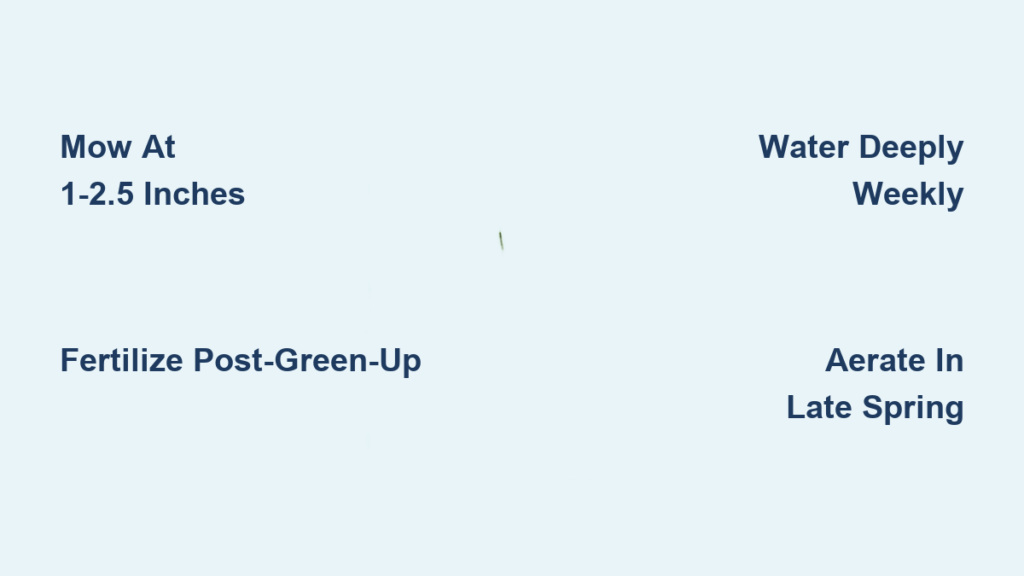
A lush, green zoysia lawn is the pride of many homeowners in warm and transition zones. Known for its dense growth, drought resistance, and natural weed suppression, zoysia grass forms a durable turf that thrives under foot traffic and heat. But to keep it looking its best year-round, you need a smart, science-backed maintenance routine. Unlike high-maintenance grasses that demand constant care, zoysia rewards consistency, not excess. This guide walks you through every critical step from spring green-up to winter dormancy so you can master how to maintain a zoysia lawn like a pro.
Spring Green-Up for Zoysia Grass
Spring is the most important season for setting your zoysia lawn up for success. As soil temperatures rise above 50°F, the grass begins to emerge from winter dormancy. This is when your actions directly impact summer performance.
When to Start Mowing Zoysia in Spring
Start mowing as soon as you see a full green haze across the lawn. Set your mower to 1 to 1.5 inches, low enough to remove dead winter thatch but high enough to avoid scalping. Use a reel mower or a sharp rotary mower with scalp wheels for the cleanest cut.
Bag the clippings after the first few mows. They are often bulky and can mat down, blocking sunlight and encouraging disease. Mow every 2 to 3 days during peak green-up to prevent removing more than one-third of the blade at once.
Pro tip: Dull blades tear rather than cut, leaving frayed tips vulnerable to disease. Sharpen blades after every 15,000 sq ft mowed or monthly during active growth.
Fertilizing Zoysia After Winter Dormancy
Never fertilize dormant zoysia. Wait three weeks after visible green-up before applying the first nitrogen feed. Apply ½ lb of nitrogen per 1,000 sq ft using a balanced fertilizer like 12-4-8 or 16-4-8 (3-1-2 ratio).
To calculate how much product to use, divide 50 by the first number on the fertilizer bag. For example, for 10-10-10, divide 50 by 10 to get 5 lbs per 1,000 sq ft. Limit total annual nitrogen to 2 to 4 lbs per 1,000 sq ft, depending on soil type. Sandy soils may need up to 4 lbs, clay soils often thrive with just 2 lbs.
Applying Iron for Early Green Color
Zoysia often greens up slowly. Boost color without stimulating excessive growth by applying ferrous sulfate or chelated iron every 6 weeks during the growing season. Iron gives a rich green hue and helps correct spring yellowing caused by manganese deficiency.
Controlling Spring Weeds in Zoysia
Apply pre-emergence herbicides in mid-February to early March in coastal areas or mid-March inland to stop summer weeds like crabgrass, goosegrass, and spurge before they sprout. Use products with pendimethalin, prodiamine, or dithiopyr. Split applications 8 to 10 weeks apart for season-long control.
For existing broadleaf weeds like clover and dandelion, apply a 3-way herbicide (2,4-D, dicamba, mecoprop) in May, but only when the lawn is actively growing and not drought-stressed. Never spray glyphosate on dormant zoysia, as it can cause injury.
Dethatching Zoysia Grass

If the thatch layer exceeds ½ inch, use a power rake or core aerator after green-up. Thatch is dead stem and root material that blocks water and nutrients. Avoid pronged dethatchers, as they can rip out stolons and slow recovery. Dethatch every 2 to 3 years, not annually.
Aerating Zoysia for Strong Roots
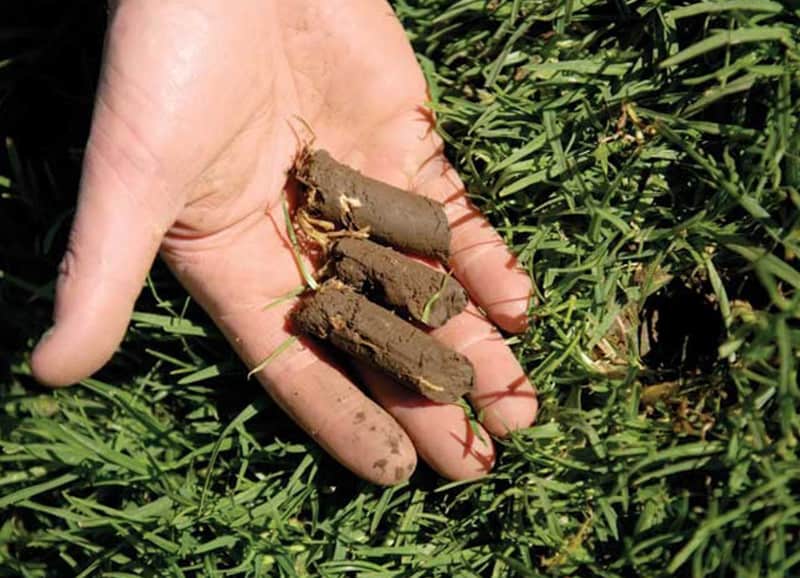
The best time to core aerate is late spring to early summer, when zoysia is entering peak growth. Aeration relieves soil compaction, improves water infiltration, and boosts root development. Use a core aerator, not a spike aerator. Remove plugs and leave them on the lawn to decompose. Aerate before applying pre-emergent herbicides if possible, or wait until the next application window to avoid disrupting the chemical barrier.
Summer Zoysia Lawn Maintenance
Zoysia grows most aggressively in summer. With proper care, it becomes a thick, weed-resistant turf that handles heat and foot traffic with ease.
Mowing Height for Summer Zoysia
Keep mowing height between 1 and 2.5 inches. In full sun, mow at 1 to 1.5 inches. In partial shade, raise to 2 to 2.5 inches to maximize photosynthesis. During heat or drought, raise the deck slightly to reduce stress. Mow every 5 to 7 days and never remove more than one-third of the blade in a single cut. Leave clippings on the lawn unless they clump, as zoysia benefits from the returned nutrients.
Summer Fertilization Schedule
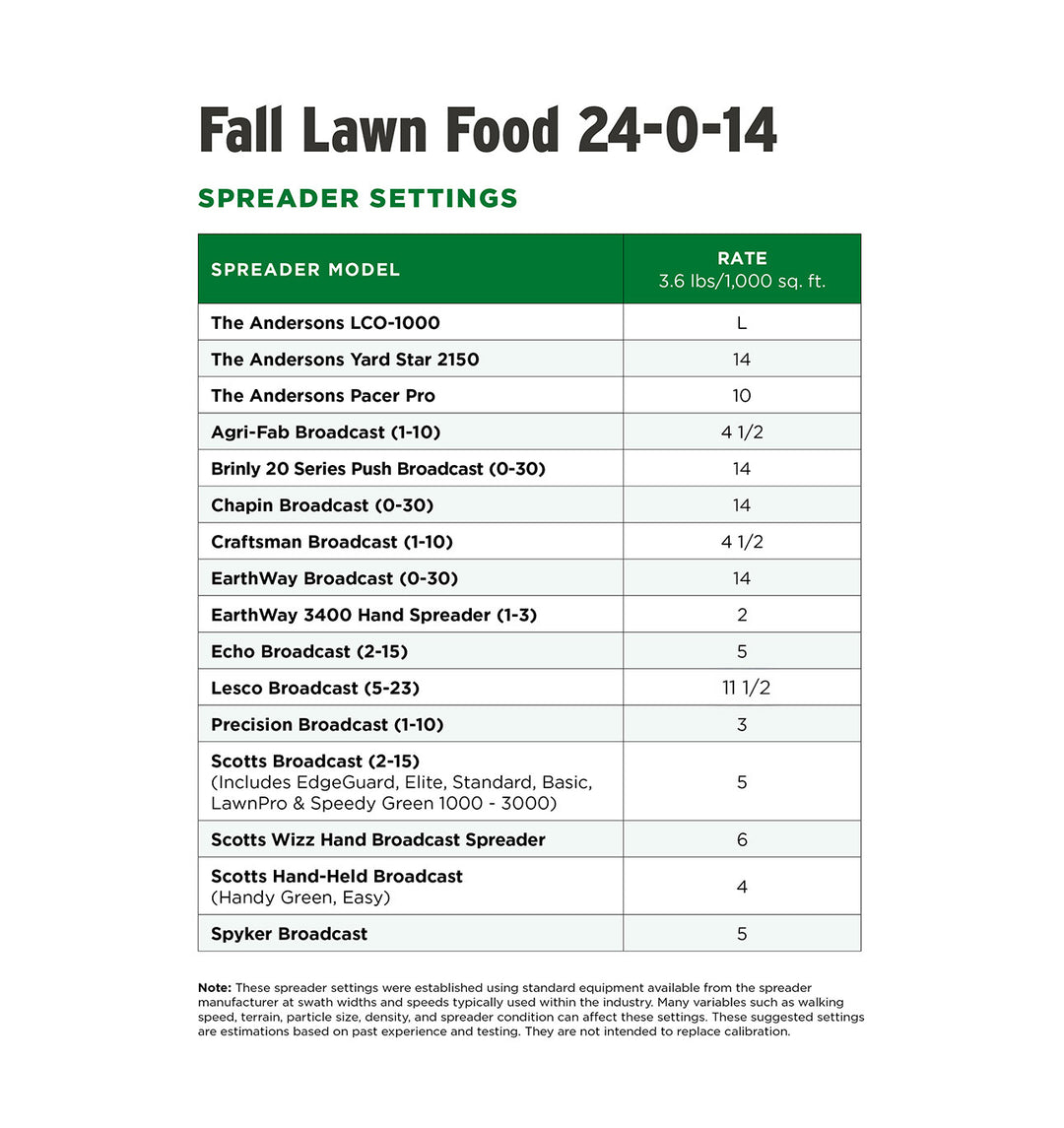
Apply ½ to 1 lb of nitrogen per 1,000 sq ft in late June or early July. Follow with a second ½ lb application in mid-August. Use a fertilizer with high potassium (like 15-0-15) to improve stress tolerance and disease resistance. Maintain a 1:1 nitrogen-to-potassium ratio for optimal health. Continue iron applications every 6 weeks for deep green color.
Watering Zoysia Deeply in Summer
Zoysia is drought-tolerant but performs best with ¾ to 1 inch of water per week, including rainfall. Water deeply to reach the top 8 inches of soil, where most roots grow. On sandy soils, water 2 to 4 times per week. Clay soils retain moisture longer, so water less frequently.
The best time to water is early morning. This reduces evaporation and fungal risk. Signs of drought stress include a bluish-gray color, footprinting (footsteps stay visible), and wilting or curled leaves. Use rain gauge cans to measure output. Most systems deliver ¾ to 1 inch in 30 to 50 minutes per zone.
Summer Weed and Pest Control
Apply post-emergence herbicides as needed. For broadleaf weeds, use a 3-way mix (2,4-D, dicamba, mecoprop). For nutsedge, use sulfentrazone, bentazon, or imazaquin. For dallis grass and goosegrass, spot-treat with glyphosate on a cloth to avoid killing surrounding grass. Avoid herbicides when temperatures exceed 90°F, as they can burn the lawn.
For pests, apply preventive treatment for white grubs in June when beetles are laying eggs. Treat mole cricket nymphs in mid-July. Apply insecticide for sod webworms at the first sign of chewed leaf tips. Use labeled curative products and water deeply after application.
Treating Summer Zoysia Diseases
Common summer diseases include dollar spot (small 2 to 6 inch, straw-colored spots in humid weather), rust (orange pustules on blades during mild, humid periods), and large patch (circular brown patches with smoky edges that can persist into summer). Prevent disease with morning watering, proper mowing height, and balanced fertilization. Treat severe cases with Pillar, G-Headway, Armada, or PRO DG fungicides.
Fall Preparation for Zoysia Winter Dormancy
As growth slows in fall, your focus shifts to strengthening the lawn for winter survival. This is also the best time to prevent cold-season problems.
Adjusting Mowing Height in Fall
As nighttime temps drop below 70°F, increase mowing height by ½ inch. Taller grass stores more energy, improving cold tolerance. Continue mowing until growth stops. Bag clippings if they accumulate heavily.
Applying Fall Potassium to Zoysia
Do not apply nitrogen in fall. Instead, apply 1 lb of potassium (K₂O) per 1,000 sq ft 4 to 6 weeks before the first expected frost. Potassium boosts cold hardiness and disease resistance. Use 1.6 lbs muriate of potash (0-0-60), 2 lbs potassium sulfate (0-0-50), or 5 lbs sul-po-mag (0-0-22). To calculate, divide 100 by the third number on the fertilizer bag. For example, for 6-6-12, divide 100 by 12 to get 8.3 lbs per 1,000 sq ft.
Preventing Winter Weeds
Apply pre-emergence herbicides in September to stop winter annuals like chickweed, henbit, and annual bluegrass. Apply a second treatment 8 to 10 weeks later for full coverage. Water granular herbicides into the soil after application. For lawns overseeded with ryegrass, wait until night temps are consistently below 65°F and avoid herbicides for 3 weeks before seeding.
Treating Lingering Pests Before Winter
Apply curative insecticides in fall if you see signs of white grubs (spongy turf, animal digging), billbugs (hollow stems, thinning grass), or mole crickets (tunneling, lifted turf). Fall is the last chance to control these pests before dormancy.
Preventing Large Patch Disease in Fall
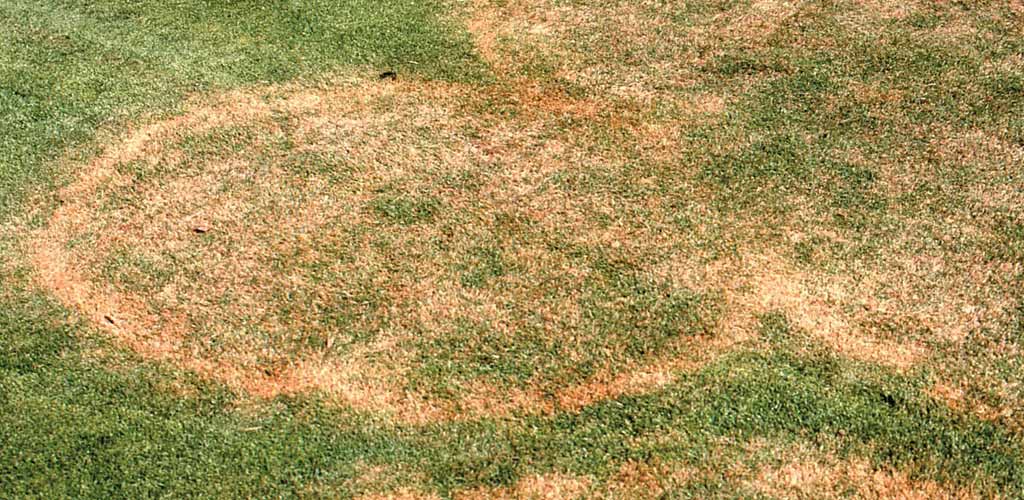
Large patch (Rhizoctonia solani) is the most destructive fall disease. Apply preventive fungicides when soil temps consistently reach 70°F. Use Pillar, G-Headway, Armada, or PRO DG. Apply two treatments, 21 to 28 days apart. Avoid late-season nitrogen, as it fuels disease.
Managing Fallen Leaves on Zoysia
Rake or mulch fallen leaves regularly. A thick layer of leaves can smother grass, trap moisture, and promote fungal diseases. Use a mulching mower to chop leaves into small pieces that filter down to the soil.
Winter Zoysia Dormancy Care
Zoysia turns brown in winter but remains alive. Dormancy is natural, so do not try to keep it green with late fertilization.
Minimizing Winter Maintenance
Mowing is rarely needed. If you overseeded with ryegrass, mow at 2 inches to maintain appearance. Water once every 2 to 3 weeks during dry spells, especially before hard freezes. Moist soil protects crowns from cold injury. Never let the lawn dry out completely, as winter desiccation can kill grass.
Avoiding Herbicides in Cold Weather
Do not apply herbicides in freezing temperatures, as they are ineffective and can damage turf. Spot-treat winter weeds only when temps are above 50°F and the lawn is dry.
Testing Soil pH in Winter
Winter is the best time for soil testing. Test every 2 to 4 years to guide lime or sulfur applications. Ideal pH is 6.0 to 6.5. If soil is too acidic (below 5.8), apply lime. If too alkaline (above 7.0), apply pelletized sulfur (5 lbs per 1,000 sq ft when temps are below 75°F). Retest after 3 months.
Maintaining Lawn Care Tools
Clean and sharpen mowers, aerators, and spreaders. Sharp blades prevent disease entry. Servicing tools now ensures they are ready for spring.
Year-Round Zoysia Maintenance Best Practices
Mowing Frequency and Blade Sharpness
Zoysia’s stiff leaves require a sharp reel or rotary mower. Dull blades tear grass, increasing disease risk. Ideal height is 1 to 2.5 inches. Fine-bladed types like Emerald and Zeon can be mowed lower (0.5 to 1.5 inches). Coarse types like El Toro and Meyer should be kept at 1.5 to 2.5 inches. Scalp in late spring to remove winter debris by cutting to 50% of normal height when green-up is uniform.
Smart Fertilization Approach
Follow a spoon-feeding approach: small, frequent nitrogen applications instead of heavy doses. Annual nitrogen is 0.5 to 4 lbs per 1,000 sq ft, depending on soil and use. Sandy soils may need up to 4 lbs, clay soils as low as 2 lbs. Always pair nitrogen with potassium. Use organic supplements like HUMICHAR or DirtBooster to improve soil health. Avoid weed-and-feed products, as they often lead to improper timing and turf burn.
Professional Watering Techniques
Provide 1 inch per week from rain and irrigation combined. Water deeply and infrequently to encourage deep roots. Use short cycle watering (6 to 9 minutes, 2 to 3 times) on slopes to prevent runoff. Install rain sensors or smart controllers to avoid overwatering.
Preventing Thatch Buildup
Thatch forms from excess nitrogen, poor aeration, and infrequent mowing. Prevent it by core aerating annually in summer, avoiding over-fertilization, and mowing regularly. If thatch exceeds ½ inch, dethatch with a power rake. Do not overdo it, as zoysia recovers slowly.
Handling Dog Urine Spots
Dog urine burns grass due to high nitrogen concentration, not pH. Solutions include training pets to use a designated area, flushing spots with water immediately, and using a lawn pee spot treatment to neutralize salts.
Choosing the Right Zoysia Cultivar
Popular zoysia types include Emerald, Zeon, and Geo for fine texture and lush appearance. Palisades, El Toro, and Meyer are coarser and establish faster. Zenith and Compadre are seeded varieties requiring soil temps above 65°F. Match the cultivar to your climate, soil, and sun exposure.
Frequently Asked Questions About Zoysia Lawn Maintenance
When should I start mowing my zoysia lawn in spring?
Start mowing as soon as you see a full green haze across the lawn. Set your mower to 1 to 1.5 inches and mow every 2 to 3 days during peak green-up to avoid removing more than one-third of the blade at once.
How much water does zoysia grass need weekly?
Zoysia needs ¾ to 1 inch of water per week, including rainfall. Water deeply to reach the top 8 inches of soil where most roots grow. Sandy soils may need 2 to 4 watering sessions per week, while clay soils require less frequent watering.
What is the best fertilizer for zoysia grass?
Use a balanced fertilizer with a 3-1-2 ratio like 12-4-8 or 16-4-8. Apply ½ lb of nitrogen per 1,000 sq ft three weeks after green-up. Maintain a 1:1 nitrogen-to-potassium ratio throughout the growing season.
How do I control weeds in my zoysia lawn?
Apply pre-emergence herbicides in spring (mid-February to mid-March) and fall (September) for season-long control. For existing broadleaf weeds, use a 3-way herbicide containing 2,4-D, dicamba, and mecoprop in May. Spot-treat tough weeds like nutsedge with specific herbicides.
Should I aerate my zoysia lawn?
Yes, core aerate once per year in late spring to early summer when zoysia is entering peak growth. Aeration relieves soil compaction, improves water infiltration, and boosts root development. Use a core aerator, not a spike aerator.
Why does my zoysia turn brown in winter?
Zoysia is a warm-season grass that goes dormant in winter when temperatures drop. This brown coloration is natural and the grass remains alive. Do not apply nitrogen to force green color, as this can damage the lawn. Allow dormancy to happen naturally.
Key Takeaways for Maintaining a Zoysia Lawn
A well-maintained zoysia lawn is dense, drought-tolerant, and naturally resistant to weeds and pests. By following a seasonal plan, you will enjoy a low-maintenance, high-performance turf year after year. Remember to fertilize after green-up in spring with balanced nutrition, mow at the correct height for your conditions (1 to 2.5 inches), and water deeply but infrequently to encourage deep root growth. Prevent disease by avoiding late-season nitrogen, applying preventive fungicides in fall, and watering in the morning. Test your soil every 2 to 4 years, sharpen your blades regularly, and let dormancy happen naturally. Your zoysia will reward you with resilience and beauty season after season.