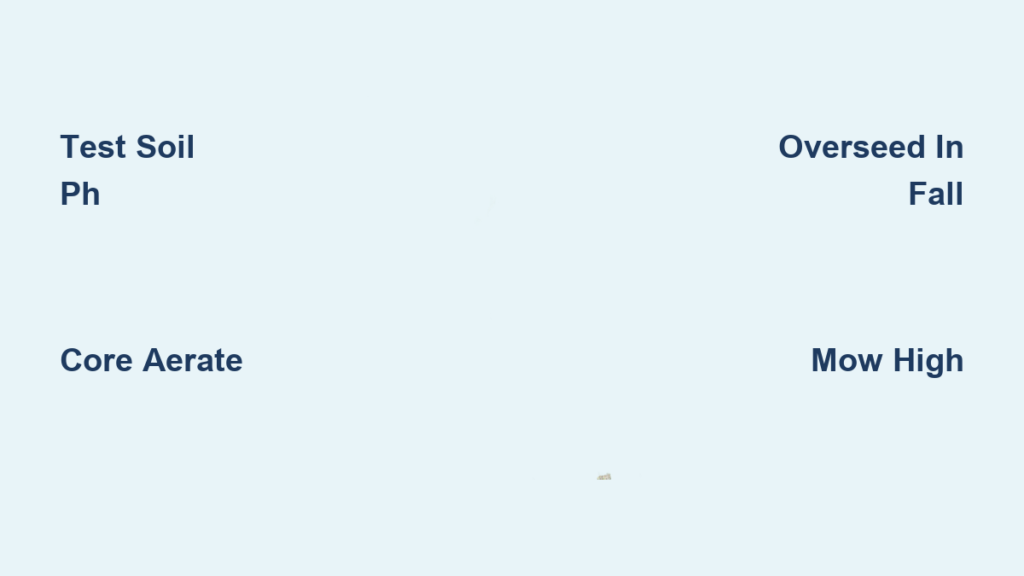
A thin, patchy lawn can be frustrating, especially when weeds start taking over. But the good news is that how to make lawn grass thicker isn’t a mystery. With the right science-backed strategies, even the most lackluster turf can transform into a dense, lush carpet. The secret lies in a coordinated approach centered on soil health, proper mowing, overseeding, and seasonal timing. Most thinning grass signals deeper issues like compacted soil, nutrient gaps, or poor watering habits. Fix those underlying problems, and your lawn will naturally crowd out weeds and grow thicker on its own. This guide breaks down every proven method, from aeration to nitrogen timing, so you can build a resilient, envy-worthy lawn step by step.
Improve Soil Health First

Test Your Soil’s pH and Nutrients
Before adding seed or fertilizer, you need to know what your soil actually needs. A soil test reveals pH levels and nutrient deficiencies, which are critical for thick grass growth. Most grasses thrive in a pH range of 6.0 to 7.0. If your soil is too acidic, which is common under oaks and pines, moss may appear and nutrients won’t be available to grass. Use a home test kit or send a sample to a lab every one to two years. Adjust pH with lime to raise it or sulfur to lower it. Correcting pH unlocks existing nutrients and makes fertilizers more effective.
Feed with the Right Nutrients
Nitrogen is the number one nutrient for grass thickness. Apply one pound of nitrogen per 1,000 square feet during peak growth, which is spring and fall for cool-season grasses. Use slow-release or organic sources like urea, especially in sandy soils where nutrients leach quickly. Spoon-feed small amounts monthly to maintain steady growth. Phosphorus supports root development, while potassium boosts stress resistance. Apply both based on soil test results. Products like Pennington Full Season Lawn Fertilizer (32-0-5) feed for up to four months, reducing leaching.
Fix Sandy or Compacted Soil
If you have sandy loam with fast drainage, nutrient leaching is a major concern. Spoon-feeding nitrogen helps keep levels stable. For compacted soil, core aeration is essential. In poor soils, top-dress with heat-treated topsoil or compost to improve structure and organic matter. Use a compost roller to spread it evenly without stones. Avoid cheap topsoil because it may introduce weeds.
Aerate to Loosen Compacted Soil
Core Aeration Boosts Root Growth
Compacted soil suffocates roots, blocking air, water, and nutrients. Core aeration removes small soil plugs two to three inches deep, creating space for roots to expand. This simple step dramatically improves overseeding success by increasing seed-to-soil contact. Rent a core aerator or hire a pro. Most lawns need aeration once a year, more often in high-traffic areas. The best time is early fall for cool-season grasses and late spring for warm-season types.
Aerate Before Overseeding
Timing is everything. Always aerate before overseeding, not after. The holes left by the tines give new seeds a direct path to soil and moisture. For best results, aerate when the soil is moist but not wet. Run the machine in two directions for full coverage. Some users saw no improvement after years of overseeding, likely because they skipped aeration or had uncorrected soil pH.
Dethatch to Restore Airflow
Remove Excess Thatch
A thin layer of thatch, which is dead grass and roots, is healthy. Up to one-half inch insulates and retains moisture. But thicker buildup acts like a barrier, preventing water and nutrients from reaching the soil. If your lawn feels spongy, you likely have too much thatch. Use a powered dethatcher or stiff rake to remove it. Do this in early fall or spring, never during dormancy or heat stress. After dethatching, rake up debris and overseed immediately.
Avoid Over-Dethatching
Do not dethatch every year unless needed. Overdoing it stresses the lawn. Only dethatch when the layer exceeds one-half inch. Cool-season grasses recover best in fall, warm-season types in late spring. Pair dethatching with aeration for maximum impact. Both open the soil surface for new growth.
Overseed for Instant Density
Best Time to Overseed
Fall is prime time for cool-season grasses like Kentucky Bluegrass, Tall Fescue, and Ryegrass. The ideal window is late August to mid-October. Warm-season grasses like Bermuda and Zoysia do best when overseeded in late spring or early summer. Some homeowners overseed warm-season lawns with ryegrass in fall to keep them green in winter.
Prepare and Seed Properly
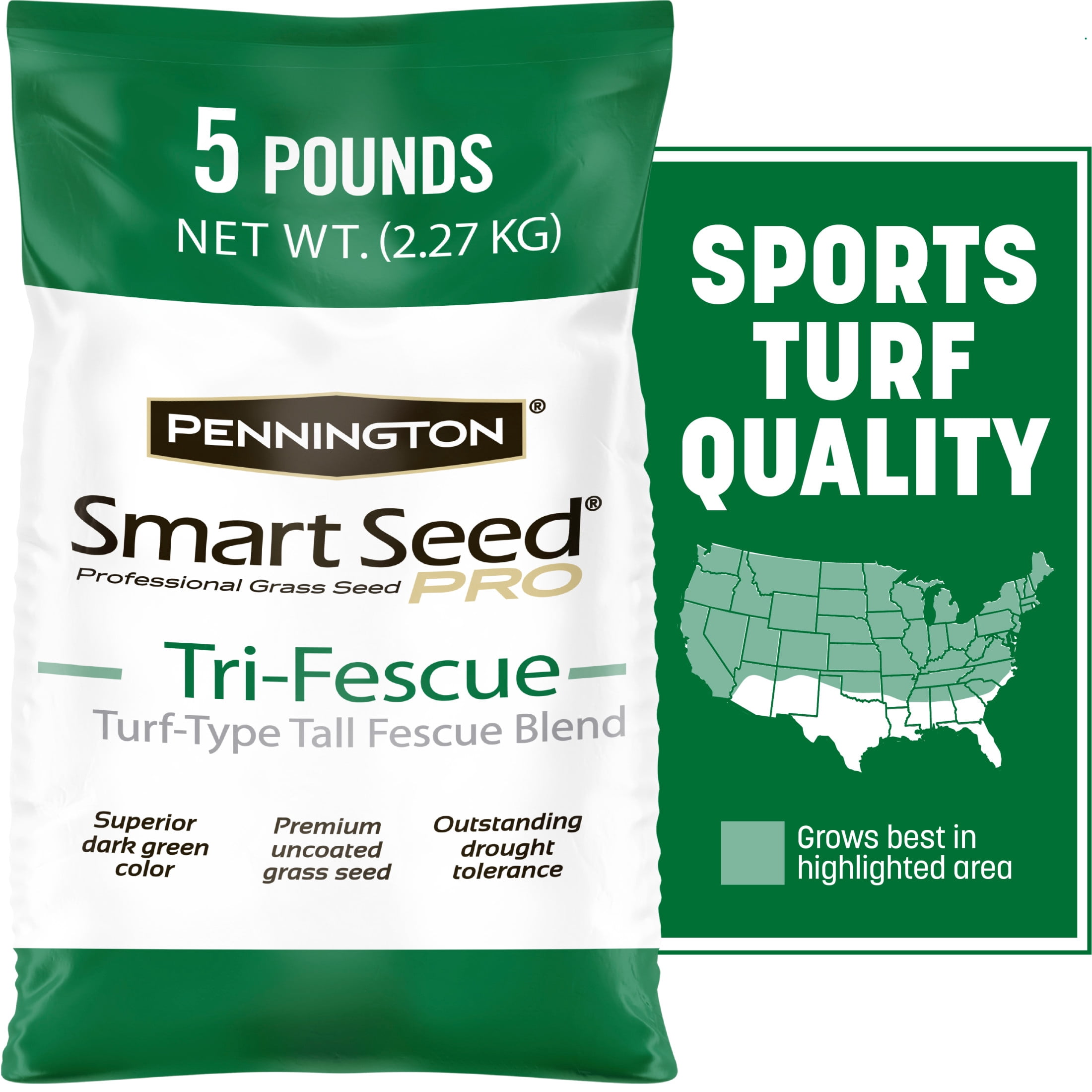
Mow low, one notch below normal, and dethatch and aerate first. Rake to clear debris. Use a high-quality, weed-free seed blend like a rye-fescue mix for durability and shade tolerance. Pennington Smart Seed is drought-resistant and needs 30% less water. Apply with a spreader in two perpendicular passes for even coverage. For small lawns, four bags may suffice. Larger areas may need ten.
Top-Dress and Press Seeds In
After seeding, apply a thin layer, about three millimeters, of seeding soil or compost to retain moisture. Use a drag mat to gently press seeds into the soil. This boosts germination. A lawn roller can help, but do not overdo it. Too much weight compacts soil. For precise amounts, use the I Grow Carpet Lawn Calculator to determine seed, fertilizer, and soil needs by square footage.
Mow for Maximum Thickness
Follow the One-Third Rule
Never cut more than one-third of the grass blade at once. Removing too much stresses the plant and weakens root systems. Mow based on growth, not the calendar. During peak season, that may mean mowing weekly. In summer slowdowns, mow less often.
Keep Blades Sharp and Vary Patterns
Dull mower blades tear grass, leaving jagged edges that invite disease. Sharpen blades at least twice per season. Use high-lift blades for thick or tall grass. They create better airflow and a cleaner cut. Change mowing direction each time to prevent soil compaction and encourage upright growth.
Mow Taller in Summer, Shorter Before Seeding
In summer, raise the mowing height to shade roots and reduce water loss. Taller grass also crowds out weeds. But before overseeding, mow lower than usual to help seeds reach the soil. Leave clippings on the lawn unless they clump. Clippings return nutrients and organic matter.
Fertilize Strategically
Use Slow-Release and Three-in-One Products
Fast-release fertilizers can burn grass and leach quickly. Choose slow-release options like Pennington Full Season Lawn Fertilizer (32-0-5) for steady feeding over three to four months. For faster results, try a three-in-one lawn booster. These combine seed, fertilizer, and soil enhancer. They combine nutrients with gypsum or compost to improve soil and speed establishment.
Time Fertilization Right
Cool-season grasses should be fertilized in early spring, late spring, early fall, and late fall. Warm-season grasses need feeding in late spring and early summer. Fall is critical. A nitrogen-rich application in September builds roots and density before winter.
Add Iron in Spring
An iron supplement in spring enhances green color without spurring excessive top growth. This keeps the lawn dense without needing constant mowing. Iron also helps correct chlorosis, which is yellowing, in high-pH soils.
Water Deeply and Wisely
Give One Inch Per Week
Most lawns need about one inch of water per week, including rainfall. Use a rain gauge or tuna can to measure output. Water two to three times per week, not daily. Deep, infrequent watering encourages roots to grow downward, making grass more drought-resistant.
Water New Seedlings Daily
Until seeds germinate, which takes one to two weeks, keep soil consistently moist. Water lightly each day, preferably in the early morning to reduce evaporation and fungal risk. Once established, switch to deep watering. Avoid evening watering because it promotes disease.
Avoid Over- and Under-Watering
Soggy soil leads to foul odors, mushy roots, and fungal growth. Wilting, brown patches, or footprints that do not bounce back signal drought. Sandy soils dry faster, so monitor closely. In fast-draining soils, spoon-feeding water and nutrients helps maintain balance.
Prevent Weeds and Pests
A Thick Lawn Naturally Suppresses Weeds
Weeds invade thin, stressed lawns. A dense turf blocks sunlight and consumes resources, making it harder for weeds to establish. Focus on overseeding, proper mowing, and soil health to crowd them out.
Kill Weeds Before Overseeding
In early fall, eliminate existing weeds with a selective herbicide like LawnPro Turfclean Ultra or Pennington Weed and Feed. Wait at least two to four weeks before overseeding. Pre-emergent herbicides like crabgrass preventer should be applied in spring, but never when overseeding because they block all seed germination.
Manage Pests and Disease
Common threats include white grubs, sod webworms, and chinch bugs. Use pesticides or beneficial nematodes. Fungal diseases like dollar spot or large patch require improved airflow, reduced thatch, and avoiding over-fertilizing. Prevention is key. Aerate, dethatch, and water properly. Treat infestations early to avoid thinning.
Handle Shady Spots Smartly
Increase Sunlight with Tree Trimming
Most grasses need four or more hours of direct sun. Prune low-hanging branches to let in more light. Thin dense canopies to improve airflow and reduce moisture buildup, which causes disease.
Choose Shade-Tolerant Grasses
In low-light areas, plant fine fescue or tall fescue. They tolerate shade better than Kentucky Bluegrass. If grass still will not grow, consider alternative ground covers like pachysandra, moss in acidic soil, or mulch.
Try Advanced Thickening Methods
Apply Seaweed for Stress Resistance
Liquid or granular seaweed boosts root depth, drought tolerance, and microbial activity. Apply every four to six weeks during the growing season. Natural seaweed from places like Donegal is highly effective. Combine with fertilizer for stronger results. Users report improved color, resilience, and foot traffic recovery.
Use Plant Growth Regulators
PGRs slow vertical growth and encourage lateral spreading, resulting in denser turf. They work best on warm-season grasses but can be used cautiously on cool-season lawns. Requires careful application. Follow label instructions exactly.
Try the Fall Nitrogen Blitz
Skip overseeding and try the Fall Nitrogen Blitz instead. A heavy nitrogen application in early fall maximizes nutrient uptake when grass is most active. This builds density and root strength without seeding. One user reported skipping aeration and overseeding for three years yet saw improvement with this method alone.
Skip Unproven Hacks
Some claim cornstarch and water suppress weeds. There is no scientific backing, and it will not thicken grass. Stick to proven methods like soil testing, aeration, overseeding, and proper nutrition.
Follow a Year-Round Care Plan
Early Spring Tasks
Mow using the one-third rule. Aerate and dethatch if needed. Apply pre-emergent herbicide only if not overseeding. Start overseeding warm-season grasses.
Late Spring Focus
Fertilize with slow-release nitrogen. Monitor for pests, diseases, and early weeds. Begin spoon-feeding in sandy soils.
Summer Maintenance
Mow high to reduce heat stress. Water deeply two to three times per week. Avoid heavy feeding because grass growth slows. Spot water high-traffic zones.
Early Fall: The Most Important Time
Core aerate and dethatch. Overseed cool-season grasses. Apply nitrogen and seaweed. Kill existing weeds before they spread.
Late Fall Prep
Final fall fertilization for cool-season grasses. Rake and remove leaves. Do not let them smother grass. Clear debris to prevent disease.
Annual Must-Dos
Soil test every one to two years. Inspect your lawn daily. Walk it to catch thinning, pests, or disease early. Service tools. Sharpen mower blades and clean spreaders.
Use the Right Tools
Having the proper equipment makes lawn thickening much easier. A core aerator can be rented for around $80 to $100. A dethatcher or scarifier comes in manual or powered versions. A compost roller ensures even top-dressing. A drag mat, which you can DIY for under $40, presses seeds in. A broadcast spreader gives the best even seed and fertilizer distribution. A lawn roller works well but use it lightly to avoid compaction.
Frequently Asked Questions About Making Lawn Grass Thicker
What is the fastest way to thicken thin lawn grass?
Overseeding is the fastest way to increase density. Combine it with aeration and proper fertilization for best results. Fall is the ideal time for cool-season grasses.
How often should I aerate my lawn for thicker grass?
Most lawns need aeration once a year. High-traffic areas may need it more often. Aerate in spring for warm-season grasses and fall for cool-season varieties.
Does mowing higher really make grass thicker?
Yes. Taller grass develops deeper roots and shades out weeds. Raise your mower blade in summer to reduce heat stress and water loss.
What fertilizer makes grass grow thicker?
Nitrogen is the key nutrient for thickness. Use slow-release fertilizers like Pennington Full Season (32-0-5). Apply one pound per 1,000 square feet during peak growing seasons.
Can I thicken my lawn in summer?
It is challenging because grass growth slows in heat. Focus on deep watering and avoid heavy fertilization. Overseeding cool-season grasses in summer often fails.
Why does my lawn keep thinning despite care?
Underlying issues like compacted soil, incorrect pH, or nutrient deficiencies may be the cause. Soil testing is essential. One user saw no improvement for three years until addressing soil pH.
Key Takeaways for Making Lawn Grass Thicker
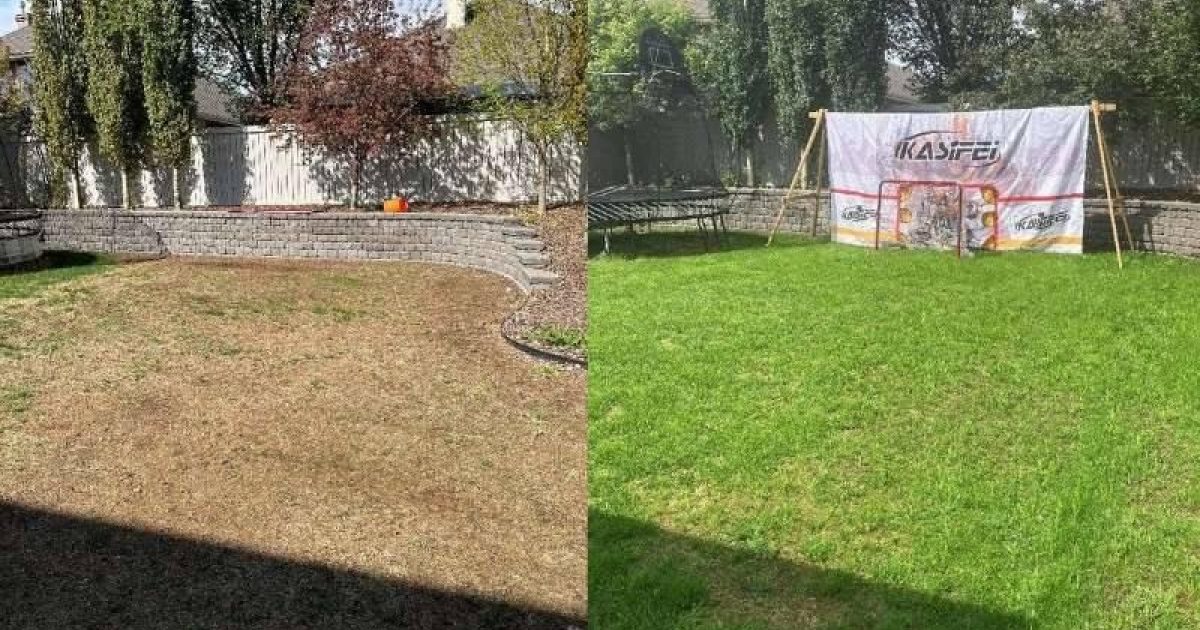
A thick lawn is not built in a day. It is the result of consistent, targeted care starting with soil health. Always test your soil first. Correct pH and nutrient imbalances before adding seed or fertilizer. This foundation makes every other effort more effective.
Timing matters enormously. Fall is the most critical season for cool-season grasses. Aerate, dethatch, overseed, and feed heavily in early fall. This single season can transform thin turf into dense, healthy lawn.
Never skip aeration or overseeding. These two practices work together. Aeration creates holes for seeds to germinate. Overseeding fills those holes with new grass plants. Combined with proper mowing, watering, and fertilization, your lawn will thicken naturally and crowd out weeds on its own. Start with these strategies this fall, and in one growing season, you can transform thin turf into a dense, healthy lawn that thrives for years.