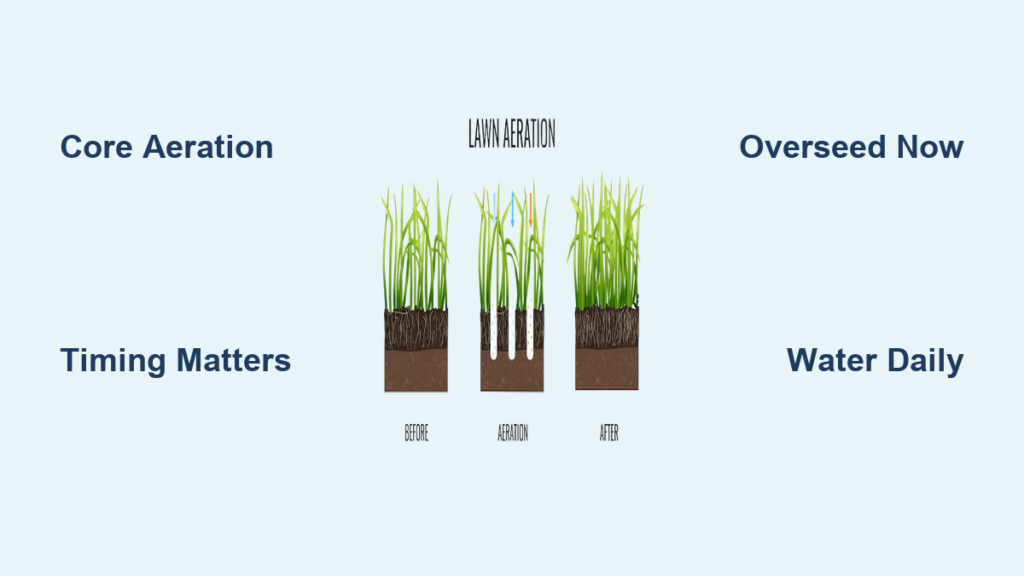
You step outside, ready to enjoy your lawn, only to find puddles after light rain, thinning grass, or a surface that feels spongy underfoot. These are classic signs your soil is suffocating. Lawn aeration is the solution: a simple but powerful process that lets your grass breathe, drink, and grow like never before.
Aerating means creating small holes in your soil so air, water, and nutrients can reach the roots. Over time, foot traffic, mowing, and weather pack soil tight, especially in clay-heavy or high-traffic yards. That compaction blocks root growth and starves your lawn. Aeration breaks through that barrier, giving your grass the deep support it needs to thrive.
When to Aerate Your Lawn
Best Time by Grass Type
Timing your aeration around your grass’s growing season ensures fast recovery and maximum benefit. Aerating during dormancy or extreme heat can stress your lawn.
Cool-Season Grasses (Kentucky Bluegrass, Fescue, Ryegrass): Aerate in early fall (September to October). This is the sweet spot: temperatures are cooler, roots are actively growing, and rainfall helps moisture soak in. Fall aeration sets the stage for overseeding, letting new seed settle into holes and establish before winter.
An alternative timing is early spring (March to April), but avoid this if you have applied pre-emergent herbicides because they can block seed germination.
Warm-Season Grasses (Bermuda, Zoysia, St. Augustine): Aerate in late spring to early summer (May to June). These grasses thrive in heat and recover quickly when aerated during peak growth. Avoid fall or winter aeration because your lawn may be dormant and unable to heal.
Never aerate dormant lawns. You will damage the turf without triggering recovery.
How Often Should You Aerate
Most lawns need aeration once a year, but frequency depends on soil type and use:
- Annually: High-traffic areas, clay soils, or lawns on new construction sites where subsoil compaction is common.
- Every 2 to 3 years: Low-traffic lawns with sandy soil.
- Twice a year: Severely compacted clay soils or lawns with pets, kids, or frequent events.
If water pools after rain or a screwdriver is hard to push into the soil, it is time to aerate.
Types of Aeration: Which Method Works Best

Core Aeration: The Gold Standard
Core (plug) aeration removes small cylinders of soil, about 2 to 4 inches deep and 0.5 to 0.75 inches wide, leaving holes that allow instant airflow and root expansion. This method is the most effective for compacted soil.
Why it works:
- Removes soil, reducing compaction.
- Breaks up thatch layer.
- Brings beneficial microbes to the surface.
- Creates perfect pockets for overseeding.
TruGreen professionals and lawn experts strongly recommend core aeration over other methods.
Best tools: Walk-behind core aerators (rentable at Lowe’s or Home Depot), tow-behind models for large yards, or handheld core forks for small areas.
Spike Aeration: Risk of Making It Worse
Spike aerators poke holes with solid tines, but they do not remove soil. Instead, they push particles aside, which can increase compaction, especially in clay soils.
Avoid spike aerators if your lawn is even moderately compacted. They are only suitable for very loose, sandy soils with minimal foot traffic.
Liquid Aeration: Not Proven
Liquid solutions claim to loosen soil through surfactants or organic acids, but research shows minimal effectiveness. It is not a substitute for mechanical core aeration.
Stick with core aeration for real results.
How to Prepare for Aeration
Mow and Water Beforehand
Mow your lawn short, 1 to 2 inches high. Short grass helps aerator tines penetrate deeper and improves overseeding success.
Water 1 to 2 days before aeration. The soil should be damp but not soggy. If your lawn is dry, water in short bursts (5 minutes, 4 times a day) for a week prior.
Stick a screwdriver into the soil. If it goes in easily, you are ready.
Mark Sprinklers and Obstacles
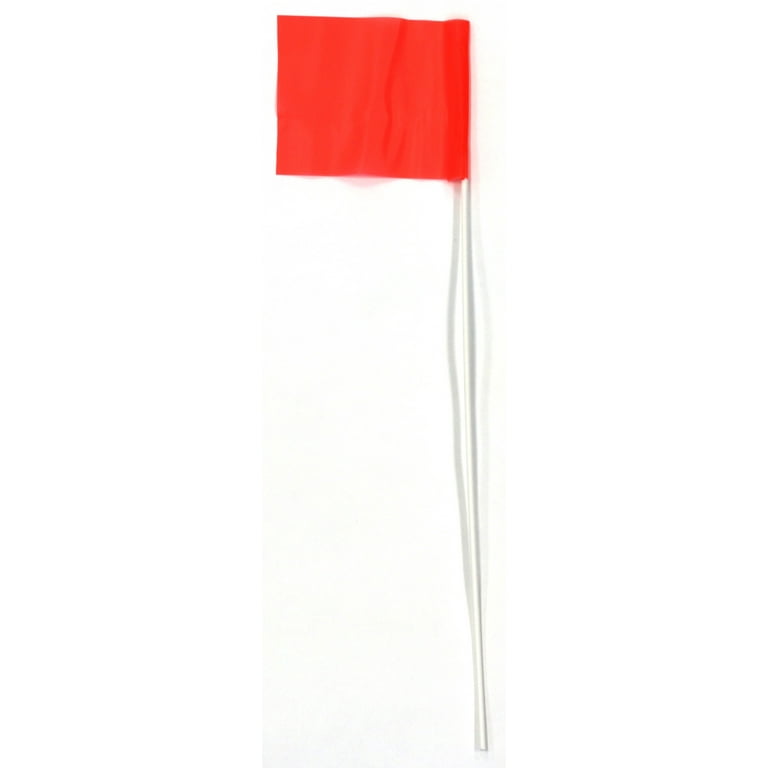
Aerators can damage sprinkler heads, irrigation lines, tree roots, and utilities. Use flags, spray paint, or a garden hose to mark these areas.
One user accidentally punched holes through several sprinkler lines during aeration. Repairs cost time and money, so mark everything first.
Step-by-Step: How to Aerate Your Lawn
Choose the Right Aerator
| Tool | Best For | Notes |
|---|---|---|
| Walk-behind core aerator | 5,000+ sq ft lawns | Rentable; weighs 150 to 250 lbs |
| Tow-behind aerator | Large yards with tractor or ATV | Fast coverage |
| Handheld core fork | Small areas (under 100 m²) | Affordable but labor-intensive |
On dry soil, add water to the aerator’s tank (20 to 25 lbs) for better penetration. On wet soil, remove weights to avoid sinking.
Aerate in Two Directions
- Start at the perimeter, working in straight lines.
- Make a first pass across the lawn.
- Make a second pass at a 90-degree angle (perpendicular) for full coverage.
Heavily compacted or never-aerated lawns need overlapping holes for maximum impact. Overlap rows by 2 to 3 inches. Keep a steady pace because going too fast reduces effectiveness while going too slow causes clogging.
Slope safety:
- Going uphill: Face the machine uphill.
- Going downhill: Face downhill and use throttle as a brake.
What to Do After Aeration
Leave the Soil Plugs
Do not rake up the soil plugs. They break down naturally in 2 to 6 weeks, returning nutrients and microbes to the surface.
The nutrition comes from the microbes in the soil. When you mow next, you will sheer the plugs into fine fiber pieces.
If plugs are large or unsightly, mow over them to speed decomposition.
Overseed for a Thicker Lawn
Overseed immediately after aeration. The holes are perfect traps for seed, ensuring excellent seed-to-soil contact, which is critical for germination.
Steps:
- Choose grass seed that matches your climate and existing lawn.
- Use a broadcast or drop spreader.
- Apply in a cross-hatch pattern (two passes at 90-degree angles).
- Lightly rake to settle seed.
A common myth is that seeds are too deep in aeration holes. This is false. Holes 2 to 3 inches deep are ideal because seeds are not buried; they are protected and in contact with soil.
Fertilize and Water for Fast Recovery
Apply Fertilizer Right After
Fertilize immediately after aeration. Nutrients flow directly into the holes, feeding roots where it matters most.
Use a slow-release fertilizer with balanced N-P-K:
- N (Nitrogen): Promotes green leaf growth.
- P (Phosphorus): Supports root development.
- K (Potassium): Boosts stress resistance.
Test your soil first (Lowe’s sells kits) to pick the right formula.
Water Like a Pro
- First 3 to 5 days: Water lightly once or twice daily.
- First 7 to 10 days (if seeded): Keep soil consistently moist. Water every 4 to 6 hours for 7 minutes (adjust for local rules).
- Best time: Early morning to reduce evaporation and fungal risk.
- After germination: Switch to deep, infrequent watering (2 to 3 times per week).
Never let seeds dry out during germination.
Optional: Topdressing and Sand for Better Soil
Topdress with Compost
Spread a thin layer (¼ inch) of compost over the lawn after aeration. It levels uneven areas, adds organic matter, and feeds microbes in the soil. Use a rake to work it into the holes.
Add Sand to Clay Soil
For heavy clay lawns, apply silica sand (0 to 2 mm) after aeration. Work it into the holes to improve drainage and prevent re-compaction.
Use only non-calcareous sand. Avoid beach or concrete sand.
Light Rolling (If Needed)
A light roller can help level the surface, but never roll wet soil because it causes compaction.
Aeration vs. Dethatching: Know the Difference
| Factor | Aeration | Dethatching |
|---|---|---|
| Purpose | Relieve soil compaction | Remove thatch layer (over ½ inch) |
| Best For | Hard, compacted soil | Spongy lawns with thick thatch |
| Tool | Core aerator | Dethatching rake or power rake |
| Depth | 2 to 4 inches into soil | No deeper than ½ inch |
Do dethatching first, then aerate. Aeration alone does not remove thatch.
DIY vs. Professional Aeration
DIY: Save Money, But Be Prepared
Pros:
- Rent a core aerator for $70 to $100 per day.
- Full control over timing.
Cons:
- Heavy and hard to maneuver (150+ lbs).
- Risk of uneven coverage or sprinkler damage.
- Labor-intensive on large lawns.
I was stronger than average but still struggled. Recommend help or a trailer.
Hire a Pro for Best Results
Pros:
- Commercial-grade machines go deeper and more consistently.
- Experts assess soil type and grass needs.
- Often includes overseeding and fertilization.
- Part of full-service plans (like TruGreen).
Best for:
- Lawns over 5,000 sq ft.
- Heavy clay or severe compaction.
- Homeowners who want long-term care.
Common Myths and Mistakes
Aeration Destroys Pre-Emergent Barrier
This is a myth. Research shows aeration does not reduce crabgrass control. However, if you have already applied pre-emergent in spring, delay aeration until fall to avoid disturbing the chemical layer.
Aeration Causes Weeds
Only if you do not overseed. Exposed soil can invite weeds, but overseeding fills the gaps, crowding out invaders.
Aeration is not the number one way to guarantee weeds. Proper overseeding prevents weed takeover.
You Must Seed After Aeration
No. Aeration improves soil health on its own. But overseeding maximizes results for a thicker lawn.
When to Avoid Aeration
- During drought: Stressed grass will not recover.
- On frozen or snowy ground: Impossible and damaging.
- If lawn is dormant: No growth means no healing.
- Right after pre-emergent: Wait until fall for cool-season lawns.
Key Takeaways for Aerating Your Lawn

- Best method: Core aeration removes soil plugs for lasting results.
- Best time: Fall for cool-season grasses, late spring for warm-season.
- Must-do prep: Mow short, water, mark sprinklers.
- Aerate twice: Make two perpendicular passes for heavy compaction.
- Leave plugs: Let them break down naturally.
- Overseed immediately: Fill holes with seed for thicker turf.
- Fertilize after: Nutrients penetrate deep into open channels.
- Water consistently: Keep soil moist for 7 to 10 days if seeded.
- Avoid spike aerators: They can worsen compaction in clay soil.
With the right timing and technique, how to aerate lawn becomes a simple, powerful step toward a lush, resilient yard. Aeration is not just maintenance; it is transformation. Give your grass the breathing room it needs, and watch it grow thicker, greener, and stronger than ever.
Frequently Asked Questions About Lawn Aeration
When is the best time to aerate a cool-season lawn?
The best time is early fall (September to October). Cooler temperatures reduce stress, roots are actively growing, and natural rainfall aids moisture penetration. Fall aeration also sets up your lawn perfectly for overseeding.
Can I use a spike aerator instead of a core aerator?
Avoid spike aerators if your lawn has any moderate compaction. They push soil aside rather than removing it, which can actually increase compaction over time, especially in clay soils. Core aeration is always the better choice.
Does aeration help with overseeding?
Yes, dramatically so. Aeration holes provide excellent seed-to-soil contact, which is critical for germination. The holes protect seeds from birds, keep them moist, and give roots easy access to soil.
Will aeration damage my sprinkler system?
It can if you are not careful. Mark all sprinkler heads, irrigation lines, and underground utilities before aerating. Hitting sprinkler lines is a common mistake that leads to costly repairs.
Do I need to rake up the soil plugs after aerating?
No, leave them where they are. The soil plugs break down naturally in 2 to 6 weeks, returning nutrients and beneficial microbes to your lawn. Mowing over them speeds up the decomposition process.
How soon after aeration can I mow my lawn?
Wait about 24 to 48 hours after aeration before mowing. This gives the soil cores time to settle and reduces disturbance to the newly created holes.