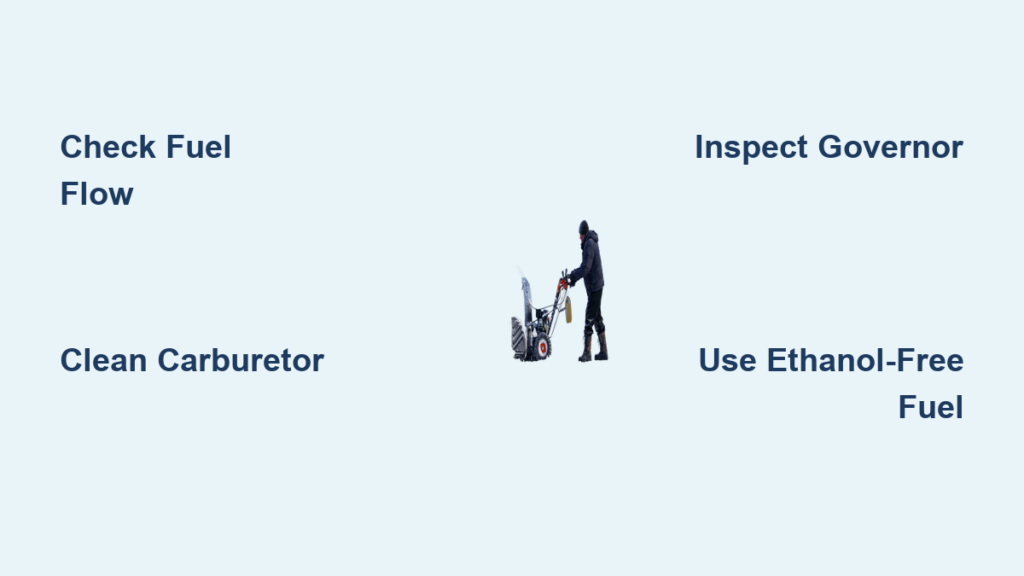
A Troy-Bilt snow blower is built to handle heavy snowfall, but when it fails mid-storm, clearing your driveway turns into a frustrating chore. Knowing how to repair a Troy-Bilt snow blower can save you time, money, and the hassle of waiting for service. Common issues like failure to start, clogged chutes, or loss of auger and drive power are often fixable at home with basic tools and a little mechanical know-how.
This guide walks you through diagnosing and repairing the most frequent problems Troy-Bilt owners face. From checking fuel and spark plugs to replacing shear bolts and drive belts, you’ll learn step-by-step solutions that get your machine back in action. Always consult your owner’s manual for model-specific details and safety instructions, and wear protective eyewear when performing any repair.
Fix a Snow Blower That Won’t Start
A snow blower that won’t start is the most common winter headache. Most no-start issues stem from stale fuel, low oil, or faulty ignition components. Addressing these in order increases your chances of a quick restart.
Replace Old Fuel with Fresh Gas
Gas left in the tank from last season degrades over time, forming varnish that clogs the carburetor. Drain old fuel completely using the fuel valve or a siphon pump. Refill with fresh, clean gasoline for reliable starting. Add a fuel stabilizer if storing for long periods.
Check Oil Level and Condition
Low or dirty oil can prevent engine startup or cause permanent damage. Pull the dipstick and inspect oil level. Add more if below the “Add” mark. If the oil is dark, gritty, or smells like gasoline, perform an oil change. Check your manual for the correct oil specification based on temperature.
Inspect and Clean the Spark Plug
A fouled or corroded spark plug stops ignition. Remove the spark plug with a socket wrench and inspect for carbon buildup, moisture, or cracked porcelain. Clean with a wire brush or replace it if damaged. Ensure the spark plug boot is securely connected.
Prime and Use Choke Properly
If your model has a primer bulb, press it a few times to enrich the fuel mixture. Set the choke before pulling the starter cord. After the engine sputters, gradually move the choke to “Run” as it warms up. For electric-start units, some models have push-button electric start, which eliminates pull-starting.
Clear a Clogged Snow Blower Chute
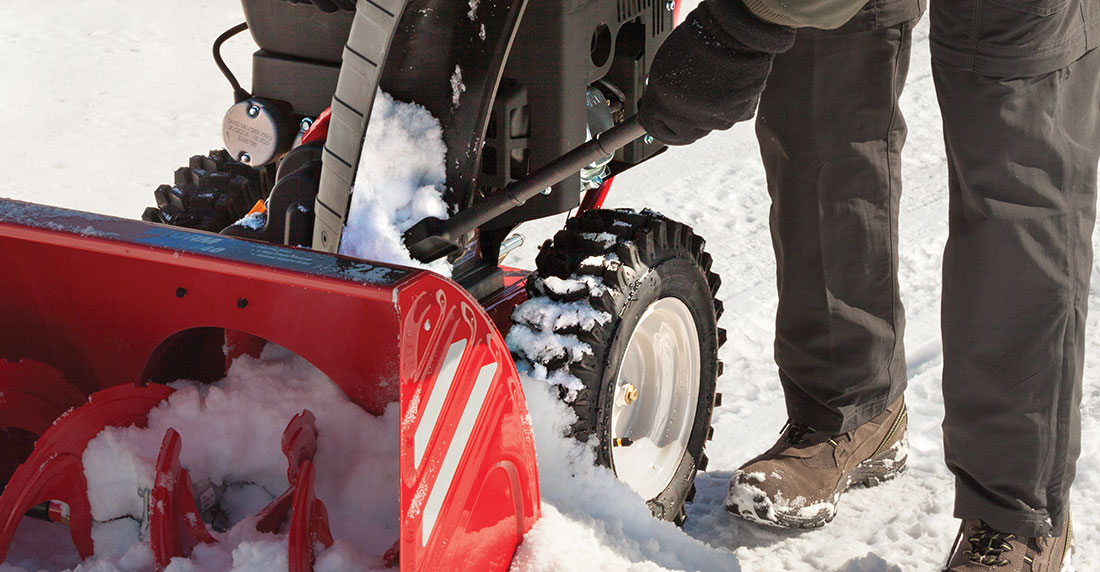
Wet, heavy snow can jam the auger housing and chute, halting snow discharge. Never clear a clog while the engine is running. This is a serious safety hazard.
Shut Off Engine and Disengage Controls
Release both the auger control and drive control. Shut off the engine and remain behind the handles until all other moving parts have stopped. Remove the ignition key to fully stop the engine.
Use the Clean-Out Tool Safely
Use the shovel-shaped end of the clean-out tool to break down and remove snow and ice from the clogged chute. On most Troy-Bilt snow blowers, the clean-out tool is fastened to the rear of the auger housing with a mounting clip. Once cleared, refasten the tool to the mounting clip.
Restart and Clear Residual Snow
Reinsert the ignition key and start your snow blower. While standing in the operator’s position behind the machine, engage the auger control for a few seconds to clear any remaining snow and ice from the chute assembly.
Diagnose Auger Not Turning

If the engine runs but the auger isn’t spinning, the issue lies in the drive system. The problem could be cables, belts, or shear bolts. Each requires a different fix.
Adjust Auger Control Cable
Snow blower cables stretch over time. Performing the cable adjustments listed in the “Final Adjustments” section of your owner’s manual will tighten any slack caused by stretching. Proper tension ensures the auger engages fully when the lever is pulled.
Inspect and Replace Drive Belts
The drive belts power both the wheels and the auger. Remove the belt cover and inspect for cracks, fraying, or glazing. Replace damaged belts with the correct OEM part. Align the new belt properly over the pulleys and reattach the cover.
Replace Broken Shear Bolts
If the belts seem fine and the engine runs but the augers have lost half or full operation, broken shear bolts are likely the failure. Shear bolts are located along the main auger shaft in the center of each auger spiral. Remove broken pieces and install replacements as specified in your illustrated parts list. Never substitute with standard bolts.
Fix Loss of Drive Power

When the wheels stop turning but the engine and auger run, the drive system is compromised. Common culprits include worn friction wheels, drive belts, or cable misalignment.
Check the Friction Wheel Condition
The rubber friction wheel transfers power from the belts to the drive wheels. Inspect it for wear. Consider replacement when the thickness of the exposed rubber wears to approximately 1/8 inch. Operating the unit with worn-out friction rubber may damage the drive system, so check this part regularly.
Test Drive Belt Tension and Wear
Like the auger belt, the drive belt can crack or slip. Remove the drive belt cover and inspect the belt’s condition. Adjust tension or replace if necessary. Ensure the belt is properly seated on both the engine and transmission pulleys.
Align Drive Control Cable
A loose or misaligned drive cable prevents engagement. Check the connection from the handle to the transmission. Tighten any loose bolts and adjust cable tension so the drive lever engages smoothly without sticking.
Prevent Future Snow Blower Problems
Regular maintenance prevents most breakdowns. A few simple habits keep your Troy-Bilt running strong all season.
Run Fuel Stabilizer Before Storage
At the end of winter, add fuel stabilizer to the tank and run the engine for several minutes to circulate it. This prevents gum and varnish buildup in the carburetor during off-season storage.
Clean Housing After Each Use
Scrape snow and ice from the auger housing, chute, and skid shoes after every use. Moisture leads to rust and clogs. A quick wipe-down extends component life.
Store in a Dry, Covered Area
Keep your snow blower in a garage or shed to protect it from moisture and temperature swings. Cover it if stored in a damp area.
Schedule Annual Tune-Ups
Before winter starts, perform a full inspection. Change the oil, replace the spark plug, check belts and cables, and lubricate moving parts. This pre-season checkup prevents most starting and performance issues.
Frequently Asked Questions About Troy-Bilt Snow Blower Repair
Why won’t my Troy-Bilt snow blower start after sitting all summer?
Old fuel is the most common cause. Gas left in the tank degrades into varnish, clogging the carburetor. Drain the old fuel, refill with fresh gasoline, and check the spark plug for corrosion or buildup. Also confirm the choke is set and the primer bulb has been pressed a few times.
How do I safely unclog a snow blower chute?
Never use your hands. Release the auger and drive controls, shut off the engine, and remove the ignition key. Wait for all moving parts to stop. Use the shovel-shaped end of the clean-out tool to break down snow and ice, then restart and engage the auger to clear residual debris.
Where are the shear bolts on a Troy-Bilt snow blower?
Shear bolts are located along the main auger shaft in the center of each auger spiral. They are designed to break under heavy impact to protect the gearbox. Always replace them with the correct OEM part listed in your manual.
When should I replace the friction wheel on my snow blower?
Replace the friction wheel when the exposed rubber thickness wears down to approximately 1/8 inch. Operating with worn friction rubber can cause further damage to the drive system, so inspect it regularly.
How do I keep my snow blower from clogging?
Use the clean-out tool after every session to clear packed snow. Keep the chute free of ice buildup, and avoid pushing the machine into deep, wet snow faster than the auger can process. Adjusting travel speed reduces clogging risk.
Key Takeaways for Repairing Your Troy-Bilt Snow Blower
Repairing a Troy-Bilt snow blower doesn’t require a mechanic. Just patience and the right steps. Most breakdowns trace back to stale fuel, a clogged chute, stretched cables, worn belts, or snapped shear bolts. Address these issues promptly to avoid downtime during heavy snow.
Keep your owner’s manual handy for model-specific torque specs, belt numbers, and shear bolt locations. Use genuine replacement parts whenever possible to protect your machine’s longevity. When in doubt, reach out to Troy-Bilt customer service at 800-828-5500 or browse available snow blower parts online for the exact fit you need.