Every winter, thousands of people rely on snow blowers to clear driveways and sidewalks quickly and efficiently. But while these machines save time and energy, they also pose serious risks when handled carelessly. Snow blower safety tips are essential knowledge for anyone who operates this powerful equipment, because a single moment of inattention can result in life-altering injuries, particularly to the hands and fingers.
The American Society for Surgery of the Hand reports that hundreds of emergency room visits each year are linked to snow blower accidents. Many of these injuries involve amputations, severe lacerations, or nerve damage, often because users attempted to clear jams while the machine was still running. In this guide, you’ll find practical snow blower safety tips that protect you and your family from preventable harm, from pre-season inspections to emergency response steps.
Pre-Operation Safety Checks

A few minutes of preparation before each use can prevent dangerous malfunctions and unexpected breakdowns.
Inspect for Damage and Wear
Walk around the machine and check the auger, impeller, belts, and housing for cracks, bends, or excessive wear. Look for loose bolts or damaged safety shields. If any part appears compromised, do not start the engine until the issue is resolved.
- Worn belts can snap mid-use, causing unpredictable movement
- Cracked housing may expose dangerous moving parts
- Loose hardware increases vibration and the risk of component failure
Replace any damaged components with manufacturer-approved parts to maintain safe operation.
Clear the Area of Debris
Remove sticks, rocks, gravel, and other hidden objects from your driveway or walkway before starting. Snow blowers can launch debris at high speeds, creating a serious hazard to bystanders, windows, and vehicles.
Walk the path with a rake first to surface anything buried under the snow. Also, watch for obstacles like curbs, mailboxes, and garden edging that could catch the machine and cause kickback.
Proper Attire for Safe Operation
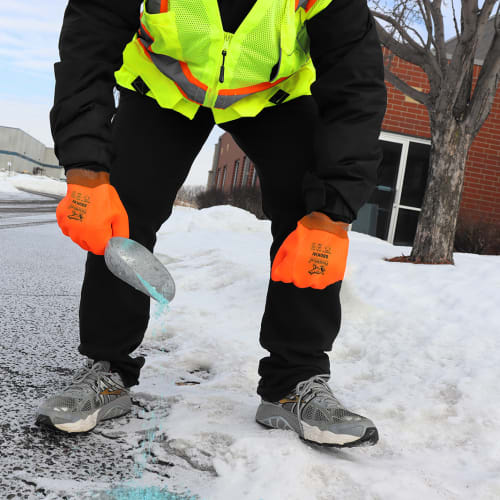
What you wear directly affects your visibility, mobility, and protection while clearing snow.
Wear Sturdy, Slip-Resistant Boots
Choose insulated, waterproof boots with aggressive treads. This combination helps maintain traction on icy patches and reduces the risk of slips and falls. Make sure laces are tied tight and tucked away from moving components.
Use Gloves Designed for Grip and Dexterity
Wear insulated gloves that allow finger movement while providing a secure grip on the handles. Avoid bulky mittens that reduce control and reaction time. Some modern gloves feature touchscreen-compatible fingertips, so you can check your phone without exposing bare skin to the cold.
Avoid Loose Clothing and Scarves
Baggy coats, untucked shirts, and long scarves can become entangled in the auger or drive system. Opt for fitted winter gear and tuck in all loose ends. Consider wearing a brightly colored jacket or reflective vest to stay visible during early morning or evening clearing sessions.
Safe Starting Procedures
Starting your snow blower correctly sets the foundation for a safe and productive clearing session.
Read the Owner’s Manual First
Every model has unique startup requirements. Review your manual for fuel mix ratios, choke settings, and priming instructions. Familiarize yourself with the location and function of every control, especially the emergency shut-off.
Start on a Flat, Stable Surface
Never start the machine on ice, snowbanks, or uneven terrain. Place it on a level driveway or concrete pad where it cannot tip or shift unexpectedly. Keep children and pets at least 10 feet away before pulling the cord or turning the key.
Use One Hand to Start, One to Steer
Keep both hands on the designated controls once the machine is running. Never try to stabilize the snow blower with your free hand, since this is a leading cause of hand injuries during operation. If your model offers electric start, use it to reduce strain and improve control.
Never Clear Jams with Your Hands
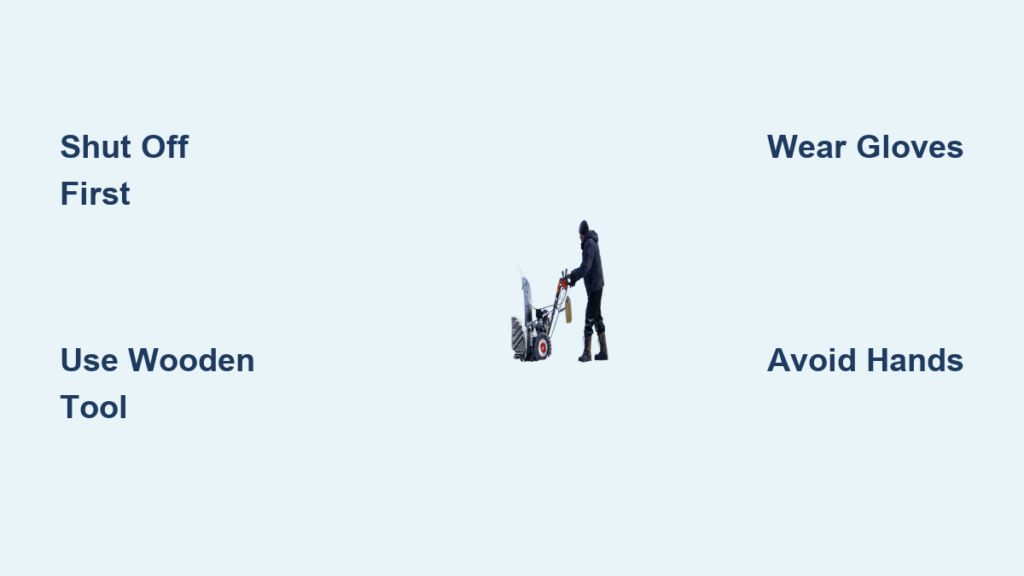
This is the single most important snow blower safety tip to remember: never insert your hand into the chute or auger housing to clear a clog.
Shut Off the Machine First
If snow builds up in the chute or around the auger, turn off the engine and wait at least 10 seconds for all moving parts to come to a complete stop. For electric models, unplug the unit. For gas models, disconnect the spark plug wire to prevent accidental restarts.
Use a Wooden or Plastic Tool to Clear Blockages
Insert a broom handle, snow rake, or the manufacturer-recommended clearing tool to dislodge packed snow. Never use metal objects, as they can damage internal parts or create sparks near fuel sources. Keep your face and body away from the chute during this process.
Wait 30 Seconds After Restarting
After clearing a jam, step back and restart the machine from a safe distance. Wait half a minute before resuming operation to ensure the auger is feeding smoothly and the engine is running properly.
Maintain Control at All Times
Losing control of a snow blower can lead to collisions, tip-overs, or unintended contact with body parts.
Keep Both Hands on the Handles
Even when navigating turns or backing up, maintain two-handed control. This ensures you can immediately access the emergency stop if needed. Do not attempt to lift the front of the machine while it is running unless your model is specifically designed for that function.
Walk, Don’t Run, Behind the Machine
Move at a steady pace that matches the machine’s natural speed. Rushing increases fatigue and reduces your ability to react to changes in terrain. Stay alert for dips, cracks, and hidden curbs that could catch the wheels or housing.
Turn Off Before Adjustments
If you need to change the chute direction or adjust the deflector, stop the engine first. Many injuries occur during mid-operation adjustments when users reach near moving parts. Always wear gloves when touching cold metal components.
Prevent Carbon Monoxide Poisoning

Gas-powered snow blowers emit carbon monoxide, an odorless and potentially deadly gas that can cause serious harm or death in minutes.
Never Operate Indoors or in Enclosed Spaces
This includes garages, even with the door open. Carbon monoxide accumulates rapidly in enclosed areas and can cause dizziness, nausea, or unconsciousness before you realize something is wrong. Always use outdoor-rated equipment in open, well-ventilated areas.
Recognize Early Symptoms of CO Exposure
Common warning signs include:
– Headache
– Dizziness
– Nausea
– Confusion
– Shortness of breath
If you experience any of these symptoms, stop the machine immediately, move to fresh air, and seek medical attention. Installing a battery-powered carbon monoxide detector in your garage adds an extra layer of protection for your household.
Store Safely After Use
Proper storage protects your family and extends the life of your machine.
Let the Engine Cool Completely
Wait at least 15 to 20 minutes before moving the snow blower indoors. Hot engines can ignite flammable materials like gasoline, oil-soaked rags, or dry leaves. Never touch the muffler or exhaust area with bare hands after use.
Store Fuel Properly
For long-term storage, either drain the fuel tank completely or add a fuel stabilizer to prevent gumming and engine damage. Keep fuel in an approved container, away from heat sources and out of reach of children.
Lock Away or Disable Access
If you have young children or frequent visitors, consider disconnecting the spark plug or using a lockable cover to prevent unauthorized use. Store the key or pull cord separately whenever possible.
Train All Users on Safety Rules
Everyone who operates the snow blower should understand the basics, especially teens or family members lending a hand.
Require Supervision for New Operators
Have an experienced user demonstrate safe startup, operation, and shutdown procedures. Practice in a clear, open area before tackling heavy snowfall to build confidence and familiarity.
Post a Safety Checklist Near the Machine
Create a laminated card with key reminders and post it where the snow blower is stored. Helpful items to include:
– Check the area for debris
– Wear gloves and boots
– Start on flat ground
– Never clear jams by hand
– Shut off before adjustments
Review this checklist before every use to reinforce safe habits.
Know What to Do in an Emergency

Even with careful precautions, accidents can still happen. Being prepared saves time and improves outcomes.
Call 911 Immediately for Severe Injuries
If a hand or finger is cut, crushed, or partially amputated, dial emergency services first. While waiting for help, apply firm pressure with a clean cloth to control bleeding, elevate the injured limb above heart level, and avoid washing the wound or removing embedded debris.
Save Amputated Parts Properly
If a body part is severed, follow these steps:
1. Wrap it in a clean, damp cloth
2. Place it in a sealed plastic bag
3. Put the bag in ice water, avoiding direct contact with ice
4. Bring it with the patient to the hospital
Time is critical, as replantation is most successful within 6 to 8 hours of the injury.
Seek a Hand Surgeon Quickly
After initial emergency treatment, see a hand specialist as soon as possible. Hand surgeons are medical doctors trained in both orthopedic and plastic surgery, giving them unique expertise in treating injuries to the hand, wrist, and upper extremity. Early intervention significantly improves recovery outcomes and long-term function.
Frequently Asked Questions About Snow Blower Safety
What is the most common snow blower injury?
The most common snow blower injuries involve the hands and fingers, including lacerations, fractures, and amputations. These typically occur when users attempt to clear jams from the chute or auger while the machine is still running.
Can I use my hand to clear a clogged snow blower chute?
No. You should never insert your hand into the chute, even if the engine is off. Always shut off the machine, disconnect the spark plug wire, wait for all parts to stop moving, and use a wooden or plastic clearing tool instead.
How long should I wait before restarting after clearing a jam?
Wait at least 10 seconds for moving parts to stop completely before clearing the jam, and another 30 seconds after restarting to ensure the auger is feeding properly before you resume clearing snow.
Are electric snow blowers safer than gas models?
Electric snow blowers eliminate carbon monoxide risks and reduce some maintenance concerns, but they still pose serious entanglement and cutting hazards. The same safety practices apply regardless of power source.
What are the symptoms of carbon monoxide exposure from a snow blower?
Early symptoms include headache, dizziness, nausea, confusion, and shortness of breath. If you notice any of these signs, stop the machine immediately, move to fresh air, and seek medical help right away.
How do I find a hand surgeon after a snow blower injury?
The American Society for Surgery of the Hand offers a Find a Hand Surgeon directory where you can search by location, specialty, and language to locate a qualified specialist near you.
Key Takeaways for Safe Snow Blower Use
Following snow blower safety tips protects more than just your hands; it safeguards your independence, livelihood, and long-term quality of life. Always inspect your machine before use, dress in proper winter gear, and keep both hands on the controls at all times. Most importantly, never use your hands to clear a clog. Shut off the engine, disconnect the spark plug, and use a clearing tool instead.
Before your next snowfall, take a few minutes to review your owner’s manual, check your equipment, and share these guidelines with anyone in your household who may help with snow removal. A little preparation now prevents a lifetime of regret later. Stay alert, stay equipped, and stay safe every time you step outside to clear the snow.