A Yard Machine snow blower that refuses to start on a freezing morning can turn a simple driveway into a frustrating battle. Most failed starts trace back to skipped prep, wrong choke settings, or old fuel sitting in the carburetor. Knowing the exact sequence for your model removes the guesswork and gets you clearing snow fast.
Below you’ll find step-by-step instructions for the Yard-Man 24-inch, the 8HP 26″ by MTD, and the 10.5 HP 28″ snow thrower. You’ll also learn troubleshooting fixes, clog prevention tips, and maintenance habits that keep your machine firing on the first pull every time.
Pre-Start Safety and Setup

Skipping preparation is the number one reason Yard Machine snow blowers fail to start. A quick safety and fluid check protects both you and the engine.
Clear the Area and Gear Up
Sweep the work path for rocks, ice chunks, and hidden debris. These objects can turn into dangerous projectiles once the auger spins. Wear gloves, eye protection, and non-slip boots before you touch the machine. Stand with feet shoulder-width apart and keep both hands on the handles during operation.
Check Oil Level the Right Way
For the 8HP 26″ model, screw the oil cap fully in before pulling it out for a dipstick reading. Oil must sit between the “Add” and “Full” marks. Overfilling can damage the engine. For the 10.5 HP 28″ model, use SAE 30 oil and confirm the dipstick reads at “Full” before starting. Never run any snow blower without verifying oil first.
Prep the Fuel System
Use fresh unleaded gasoline whenever possible. Non-ethanol fuel with 92 octane is ideal because it prevents carburetor gunk and stays stable for years in storage. On the 8HP 26″ model, align the fuel shutoff valve with the fuel line to open the fuel flow. Never refuel while the engine is hot.
Insert the Ignition Key
The pull-out ignition key must be fully inserted or the engine will not turn over. Confirm the stop switch sits in the “On” position before attempting any start.
Set Choke and Throttle Correctly

Choke and throttle settings vary by model, so matching the procedure to your snow blower is key for cold starts.
Position the Choke for a Cold Engine
- Yard-Man 24-inch: Push the choke fully down.
- 8HP 26″: Move the choke lever to the right (ON).
- 10.5 HP 28″: Pull the choke lever to “Closed.”
After the engine fires, gradually open the choke. If the engine sputters, keep it closed a little longer. Once warmed up, fully open the choke to stop black smoke and wasted fuel.
Adjust Throttle Before Starting
On the 8HP 26″ model, set the throttle to “Turtle,” slightly below full speed. This gives the right fuel-to-air mix for ignition. Avoid max throttle until the engine warms up.
Prime the Engine
Priming pushes fuel into the carburetor before you start, which matters most in freezing temps.
Press the Primer Bulb
- Yard-Man 24-inch: 1 to 2 presses (essential below 30°F).
- 8HP 26″: 2 to 3 presses.
- 10.5 HP 28″: 3 to 5 presses.
Use firm, full presses each time. If the bulb feels hard or fails to spring back, inspect for cracks or a disconnected fuel line.
Electric Start Procedure

Electric start saves your arms on cold mornings, but only when used correctly.
Yard-Man 24-Inch Direct Plug-In
Use only the 7–10 ft power cord that came with the machine. Plug directly into a grounded outlet. Extension cords reduce amperage and can burn out the starter motor. Press the electric start button, and once the engine fires, immediately turn off the choke and unplug the cord.
8HP 26″ with Short Extension
A 16-gauge or 14-gauge extension cord up to 10–15 ft is acceptable. Match the 3-prong plug to the inlet. Press the start button in 2–3 second bursts to keep it from overheating. Let the starter rest between attempts.
Manual Pull Start Method
If electric start fails or you’re working in extreme cold, switch to the recoil starter.
Yank the Rope with Confidence
Confirm the choke is set and the engine is primed. On the 10.5 HP 28″ model, hold the engine stop lever down while pulling. Pull the rope firmly and steadily without jerking, then let it rewind smoothly. If the engine floods, wait a few minutes with the choke open before trying again.
Starting Troubleshooting Tips
Even with perfect prep, sometimes the snow blower still won’t fire. Here’s how to diagnose the issue fast.
Why the Engine Won’t Start
- Fuel: Tank full? Gas fresh? Old or ethanol-blended fuel leads to trouble.
- Oil: Low oil can trigger safety shutoffs.
- Spark Plug: Remove and inspect for fouling, cracks, or bad gap.
- Choke and Primer: Enough priming? Choke closed for cold starts?
- Stop Switch: Key fully inserted? Switch set to “Run”?
Engine Starts Then Dies
The choke may be opening too early. Keep it closed until the engine runs smoothly for 15–20 seconds. Also inspect for clogged fuel lines or a dirty air filter.
Operating Controls After Start

Once the engine runs smoothly, engage systems in the correct order to avoid clogs and strain.
Engage the Auger First
Always spin the auger before driving forward. On the Yard-Man 24-inch, pull the auger lever. On the 10.5 HP 28″, push the engagement lever forward. This clears snow immediately instead of pushing it into a dead intake.
Select Drive Speed
- Yard-Man 24-inch: Use the right-side lever for six forward and two reverse speeds. Start low in deep snow.
- 8HP 26″: Release the transmission handle, choose a gear, then press to engage. Never shift while moving.
- 10.5 HP 28″: Adjust the height control lever to match snow depth.
Aim the Chute
Rotate the chute left or right with the main lever. Adjust the angle using the knob on the Yard-Man or the T-handle on the 8HP 26″. On the 10.5 HP 28″, use the deflector to fine-tune throw distance. Avoid pointing too far down, which causes snow to back up and clog.
Prevent Clogs and Stalls
Smooth operation starts before the snow falls. These habits keep your chute clear and your engine strong.
Spray Silicone Before Use
Apply silicone spray inside the chute and auger housing before each session. The non-stick coating reduces ice buildup and blockages. Reapply after heavy storms.
Keep the Auger Engaged Until Clear
On the 8HP 26″ model, hold the auger handle down until all snow exits the chute. Releasing early traps snow and strains the motor.
Clean After Every Use
Use a plastic scraper to remove snow and ice from the auger, chute, and housing. Metal scrapers can damage surfaces and create sparks. Clearing debris prevents rust and ice jams.
Maintenance That Prevents 90% of Issues
A few minutes of upkeep each season keeps your snow blower reliable for years.
Weekly: Inspect the Air Filter
Check the air filter weekly. Clean or replace it when dirty. A clogged filter causes hard starts and rough performance.
Seasonal: Change Oil and Spark Plug
At the start and end of winter, change the oil (SAE 30 for 10.5 HP models). Inspect or replace the spark plug. Lubricate cables, gears, and moving parts.
Winter Storage Tips
Drain the fuel or add a stabilizer at season’s end. Run the engine briefly to circulate treated fuel. Store in a dry, covered area and remove the battery if equipped.
Shear Pin Care for 8HP 26″ Models
Four shear pins connect the auger to the drive system. They break on impact to protect the engine from damage.
Check for Broken Pins
If the auger stops spinning while the engine still runs, a shear pin likely broke. Shut off the engine and inspect all four pins. Replace with the correct part and keep spares available for quick swaps in the field.
Pro Tips for Reliable Starts Every Time
A few expert habits prevent most snow blower problems.
Use Non-Ethanol Fuel
Ethanol attracts moisture and degrades rubber parts. Non-ethanol fuel keeps the carburetor clean and fuel fresh for years.
Adjust Priming for Temperature
Below 30°F, press the primer extra times, especially on 10.5 HP models. Cold fuel doesn’t vaporize easily, so extra priming helps.
Follow the Start Sequence
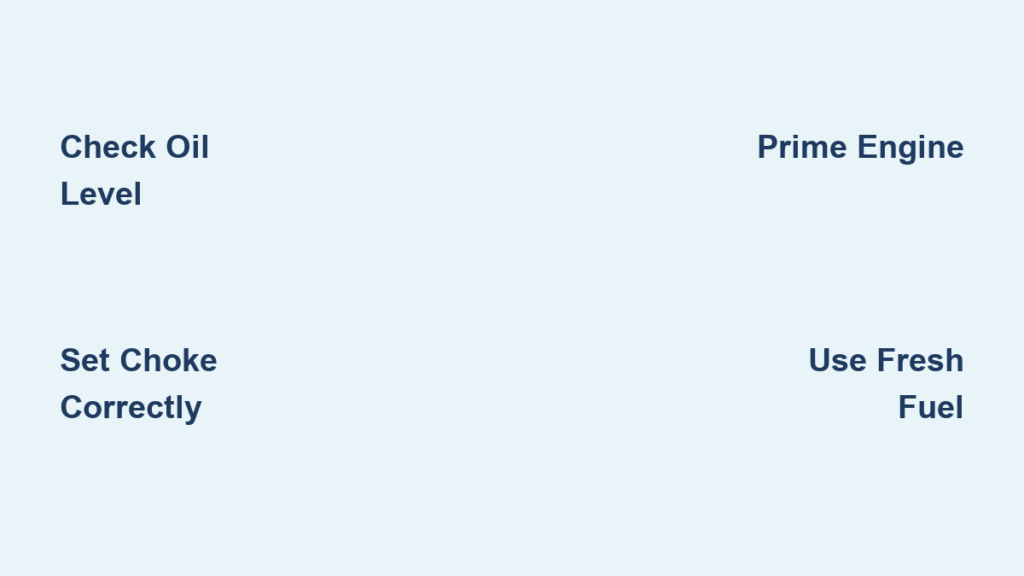
- Check oil and fuel.
- Insert the stop key.
- Set choke and throttle.
- Prime the engine.
- Start (electric or pull).
- Warm up with choke closed.
- Open choke and begin operation.
This routine prevents 90% of starting issues across all Yard Machine models.
Frequently Asked Questions About Yard Machine Snow Blowers
Why won’t my Yard Machine snow blower start after sitting all summer?
Old fuel is the usual culprit. Ethanol-blended gas attracts moisture and gums up the carburetor over time. Drain the old fuel, refill with fresh unleaded gasoline (non-ethanol if possible), and prime the engine 3–5 times before starting.
How many times should I press the primer bulb?
It depends on your model. Yard-Man 24-inch needs 1–2 presses, the 8HP 26″ needs 2–3, and the 10.5 HP 28″ needs 3–5. In temps below 30°F, add one or two more presses to compensate for cold fuel.
Can I use an extension cord with my Yard-Man electric start?
Only the 7–10 ft cord that came with the machine should be used on the Yard-Man 24-inch. Longer cords reduce amperage and can burn out the starter motor. The 8HP 26″ allows a 16 or 14-gauge cord up to 10–15 ft.
Why does my engine start then stall right away?
The choke is likely opening too soon. Keep it closed until the engine runs smoothly for 15–20 seconds. A clogged fuel line or dirty air filter can also cause stalling.
What oil should I use in my Yard Machine snow blower?
Use SAE 30 oil for the 10.5 HP 28″ model. For the 8HP 26″, check the dipstick between the “Add” and “Full” marks. Change oil at the start and end of each winter season.
How do I prevent snow clogs in the chute?
Spray silicone inside the chute and auger housing before each use. Keep the auger engaged until all snow clears the chute, and avoid pointing the chute too far downward.
Final Thoughts on Starting Your Yard Machine Snow Blower
Starting a Yard Machine snow blower comes down to preparation. Check oil and fuel first, insert the ignition key, set the choke based on your model, and prime based on temperature. Use non-ethanol gas to prevent fuel breakdown and clog the carburetor with residue.
Once you know the starting sequence for your specific Yard Machine model, the process becomes second nature. Perform seasonal maintenance, keep spare shear pins handy, and stock silicone spray for clog prevention. With these habits, your snow blower will fire up on the first try every winter morning. Stay safe, stay warm, and clear that driveway with confidence.