You step outside to enjoy your yard, only to feel tiny bites on your ankles or spot unsightly mounds popping up across the grass. Ants in the lawn are a common but frustrating problem for homeowners. While some ants play beneficial roles like aerating soil and eating pests, an overabundance can ruin your lawn’s appearance, damage plants, and pose a health risk if they are fire ants. The good news: with the right strategy, you can permanently remove ants from your lawn using safe, effective methods that target both visible mounds and hidden colonies.
This guide reveals the most proven techniques, from natural remedies like diatomaceous earth and nematodes to chemical baits and long-term soil transformation, so you can reclaim a smooth, ant-free yard. Whether you are dealing with small black ants or aggressive fire ants, you will learn how to identify the species, eliminate colonies, and make your lawn uninhabitable to future infestations.
Identify the Ant Species Invading Your Lawn
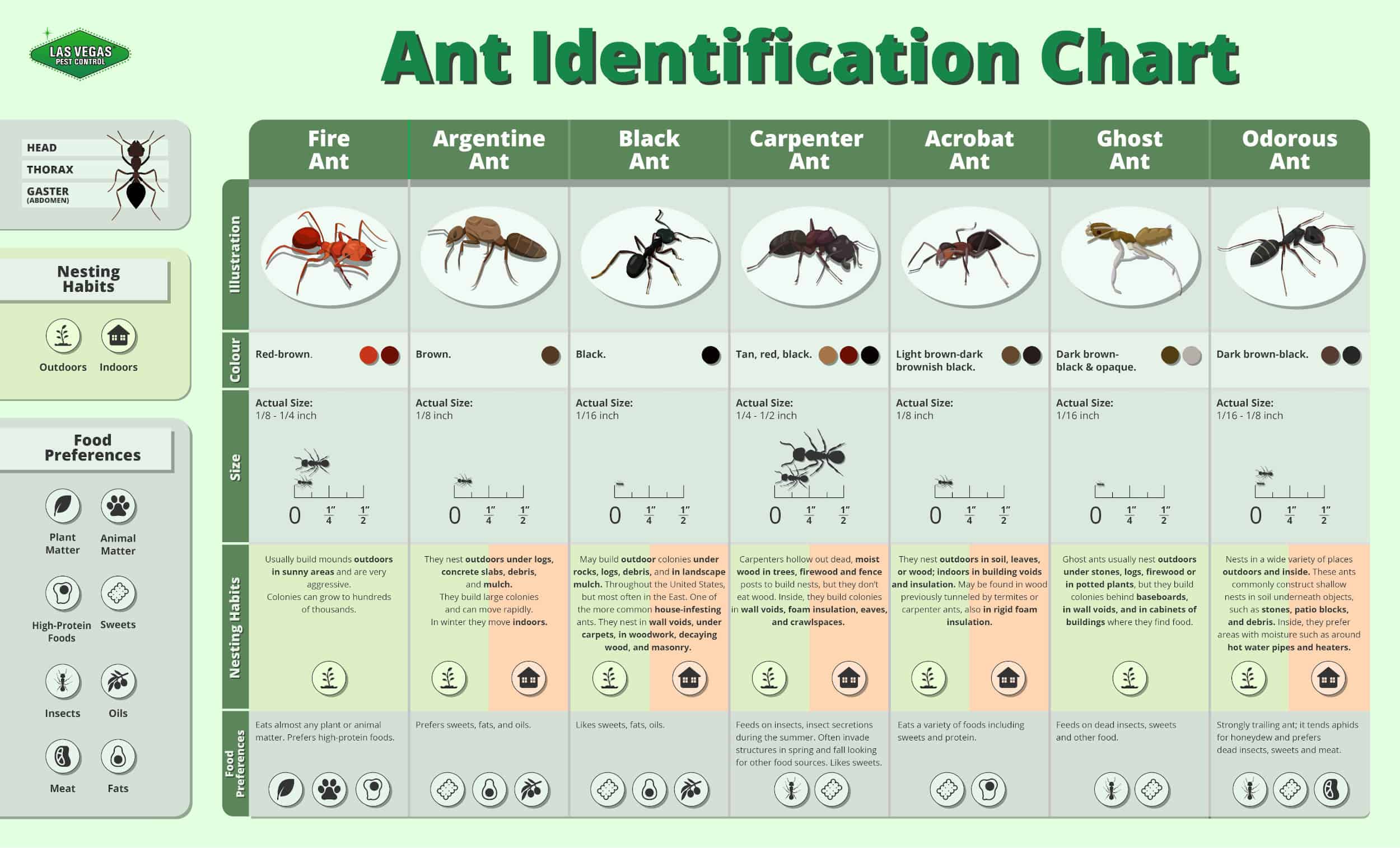
Before treating your lawn, it is crucial to know what kind of ant you are dealing with. Not all ants require aggressive eradication, and the treatment method depends entirely on the species.
Common Lawn-Dwelling Ants
The most frequently encountered ant species in lawns include field ants, which are large and black or brown and build mounds but do not sting. Black garden ants are small, non-aggressive ants that nest in dry soil and forage for sweets. Fire ants are reddish ants that build large mounds and deliver painful stings, primarily found in southern U.S. states. Odorous house ants emit a rotten coconut smell when crushed and prefer moist areas near foundations. Argentine ants form massive supercolonies and are highly invasive.
Critical Warning: If you see large black ants in your lawn, they are likely field ants, not carpenter ants. True carpenter ants do not nest in open turf and instead inhabit moist, decaying wood, which could indicate structural issues if found indoors.
Confirm Nesting Location
Check where the ants are most active to determine your treatment approach. Mounds in open grass indicate soil-nesting species like field ants, fire ants, or black ants. Trails near the foundation suggest odorous or Argentine ants. Activity around decaying wood may mean carpenter ants, which requires inspecting your home structure.
Quick Methods to Destroy Visible Ant Mounds
Disrupting mounds early prevents colony expansion and buys you time while you implement longer-term solutions.
Rake Flat at First Sign
Using a garden rake to break apart and level new mounds as soon as they appear disrupts tunnel systems and discourages re-nesting. This method works best for small, fresh mounds before tunnels harden. Do this daily during peak nesting season, preferably in the morning when ants are most active underground.
Wash Away With Water
Blasting mounds with a strong stream from a garden hose disperses soil and drowns shallow tunnels, forcing ants to relocate. This technique works well for lawns with multiple minor infestations. Avoid overwatering, as repeated flooding can compact soil and harm grass roots.
Apply Heat Trapping
Covering mounds with black plastic, buckets, or seedling trays traps solar heat, reaching temperatures of 110 to 130 degrees Fahrenheit, which kills ants, eggs, and larvae. Place dark material over the mound, seal edges with soil or rocks, and leave for 48 to 72 hours. This method is eco-friendly, requires no chemicals, and is safe for pets and pollinators. After removal, rake flat and overseed if needed.
Natural Remedies That Repel or Kill Ants
Non-toxic solutions reduce ant activity safely without harming your grass, pets, or beneficial insects.
Diatomaceous Earth (DE)
Food-grade DE contains sharp fossil particles that pierce ant exoskeletons, causing dehydration. Dust a thin layer around mounds and trails, and reapply after rain or watering. Wear a mask during application to avoid lung irritation. Many users report significant reduction, though effectiveness decreases when wet.
Beneficial Nematodes
These microscopic worms infect and kill ant larvae. Mix with water and spray over infested areas in cool, moist conditions, preferably early morning or evening. Water soil before and after application. Apply once or twice per year in spring and fall. Nematodes target pests only and remain safe for earthworms, pets, and plants.
Vinegar and Lemon Spray
Mix one part white vinegar with three parts water, or one part lemon juice with one part water. Spray along ant trails and near mounds to disrupt scent trails. Use sparingly, as overuse may alter soil pH or burn grass.
Coffee Grounds and Cinnamon
Scatter used coffee grounds around mounds to repel ants while adding nitrogen to soil. Sprinkle ground cinnamon on trails as a natural deterrent. Both are eco-friendly, harmless to grass and pets, and readily available.
Chemical Treatments That Eliminate Colonies

For established colonies, targeted chemical methods deliver the best results by destroying the entire nest, including the queen.
Commercial Ant Baits
Products like Amdro Ant Block, Advance 375a, and Terro stakes work when worker ants carry bait back to the nest, feeding the queen and larvae. Place one teaspoon of granular bait just outside the mound and reapply weekly until activity stops. The key rule is to avoid using repellent sprays nearby, as ants will not take the bait.
DIY Borax-Sugar Bait
Mix one-half cup of sugar with one teaspoon of borax and enough water to make a paste, or combine equal parts icing sugar and borax. Place in bottle caps near trails. Borax disrupts ant digestion, and many users report successful colony elimination. Keep away from children and pets.
Granular Insecticides
Products containing bifenthrin, permethrin, or cyfluthrin kill scout ants on contact. Apply with a spreader around the lawn perimeter and high-traffic zones, then water lightly to activate. In southern climates, apply three times per year. In northern climates, apply twice per year. Avoid using in gardens, as these products kill earthworms and beneficial insects.
Insecticidal Sprays and Powders
For aggressive species like fire ants, rake the mound flat and drench with diluted spray or apply powder into crevices. Follow label instructions carefully to avoid grass damage.
Transform Your Lawn to Prevent Ant Return
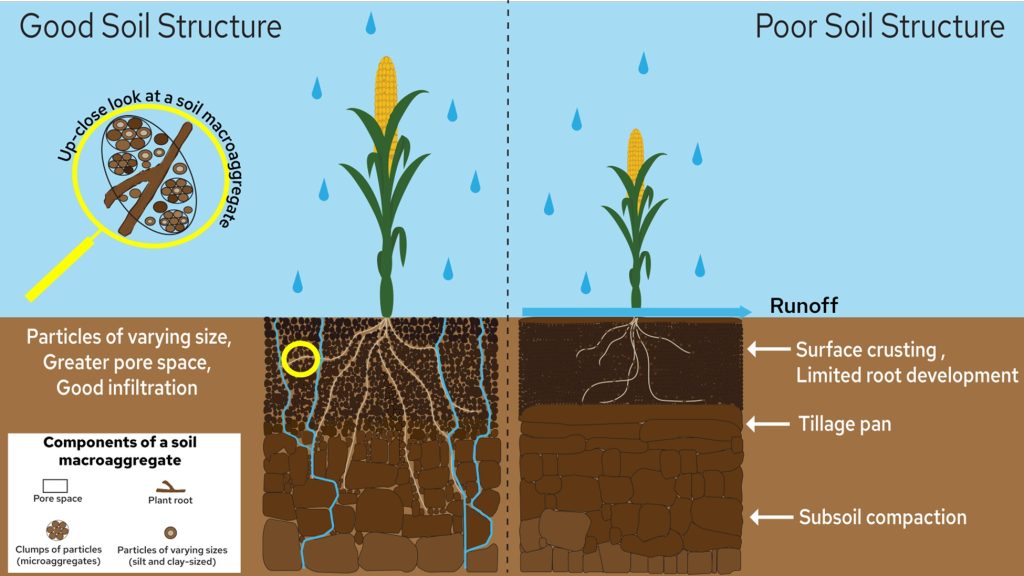
The most effective long-term strategy makes your lawn uninhabitable to ants by changing the soil structure and environment.
Convert Soil from Sandy to Organic-Rich
Ants prefer dry, loose, sandy, well-drained soil because it is easy to tunnel. Transform your soil by adding compost and mulch in thick layers. Replace sandy patches with organic loam. Install raised beds filled with compost. The result is soft, unstable soil that collapses when dug, preventing ants from building stable nests.
Adjust Lawn Care Practices
Water deeply and frequently, as ants avoid moist soil. Mow high at three to four inches to shade the soil and reduce foraging ease. Core aerate annually to improve drainage and reduce compaction. Dethatch regularly, as thick thatch encourages nesting. Maintain a thick, healthy lawn through proper fertilization.
Eliminate Ant Attractants
Remove food sources by picking up fallen fruit, storing pet food indoors, and cleaning grills and outdoor trash cans. Reduce shelter by elevating firewood off the ground, removing rock piles and debris, and trimming shrubs away from the house. Fix moisture issues by repairing leaky faucets and improving yard drainage.
Long-Term Prevention Strategies
Maintaining a lawn that resists infestation requires consistent effort throughout the year.
Weekly Monitoring
Walk your yard weekly in spring and summer looking for new mounds, trails, or increased ant activity. Treat immediately, as early action prevents colony growth.
Install Landscape Fabric
Lay landscape fabric under raised beds, along walkways, and at garden edges to block ants from accessing native soil. This permanent solution lasts five or more years.
Plant Ant-Repellent Herbs
Plant mint, basil, or lavender near patios, foundations, and garden entrances. These herbs deter ants while adding fragrance and deterring mosquitoes.
Store Mulch and Compost Away from House
Keep compost bins and mulch piles at least 20 feet from the foundation. Piles near the house attract ants seeking shelter.
When to Call a Professional Exterminator
DIY methods fail? It may be time for expert help.
Call a Professional If You Have
Fire ants require specialized treatment due to their aggression and medical risk. Indoor infestations, especially carpenter ants, could mean structural damage. Widespread mounds indicate a large, established network. No results after four to six weeks of consistent baiting and treatment also warrants professional help.
Benefits of Professional Service
Professionals use non-repellent insecticides that ants carry back to the colony. They have access to stronger, longer-lasting products and expertise in locating hidden nests. Average cost ranges from $200 to $300 for full treatment. Reputable providers include Orkin, Antworks Pest Control, and local licensed exterminators.
Compare Treatment Options for Your Lawn
| Method | Kills Colony? | Safe for Grass? | Long-Term? | Eco-Friendly? | Ease |
|---|---|---|---|---|---|
| Commercial baits | Yes | Yes | Yes | Moderate | Easy |
| Borax bait | Yes | May alter pH | Temporary | Yes | Easy |
| Diatomaceous earth | Partial | Yes | Temporary | Yes | Moderate |
| Beneficial nematodes | Yes | Yes | Yes | Yes | Moderate |
| Heat trapping | Yes | Yes | Yes | Yes | Easy |
| Raking/watering | No | Yes | Temporary | Yes | Easy |
| Granular insecticides | Yes | Risk in gardens | Yes | No | Moderate |
| Vinegar/lemon | No | Risk if overused | Temporary | Yes | Easy |
| Cinnamon/coffee | No | Yes | Temporary | Yes | Easy |
| Soil transformation | Yes | Yes | Permanent | Yes | Hard |
Final Action Plan for an Ant-Free Lawn
Based on expert and user-tested success, follow this three-step system for permanent ant elimination.
Step 1: Defensive Barrier
Apply bifenthrin or Talstar Xtra granules around the lawn perimeter. Reapply two to three times per year in spring, summer, and fall. This stops scouts from entering and establishing new colonies.
Step 2: Offensive Strike
Place commercial ant bait like Amdro or Advance 375a near active mounds. Let ants carry poison back to the queen. Reapply weekly until no activity remains.
Step 3: Habitat Transformation
Add compost to create unstable, organic-rich soil. Install landscape fabric in garden beds. Maintain tall, well-watered grass. The result is a lawn that becomes uninhabitable to ants.
Frequently Asked Questions About Removing Ants from Lawn
Does raking ant mounds actually work?
Raking disrupts tunnel systems and discourages re-nesting, but it rarely kills the entire colony. It works best as a temporary measure combined with bait or other treatments targeting the queen.
What is the fastest way to kill an ant colony?
Commercial ant baits are the fastest way to kill an entire colony, including the queen. Worker ants carry the poison back to the nest, eliminating the colony within 24 to 72 hours.
Are ants harmful to my lawn?
While ants aerate soil and eat pests, large populations create unsightly mounds, expose plant roots through tunneling, and may deliver painful stings if fire ants are present. Some species can also attract aphids, which damage plants.
Will diatomaceous earth hurt my grass?
No, food-grade diatomaceous earth is safe for grass. It loses effectiveness when wet, so reapply after rain or heavy watering. Wear a mask during application to avoid lung irritation.
How do I prevent ants from coming back?
Transform your soil with compost, maintain tall and well-watered grass, eliminate food sources, and apply perimeter barriers like granules or diatomaceous earth. Weekly monitoring and early intervention prevent established infestations.
Key Takeaways for Removing Ants from Your Lawn
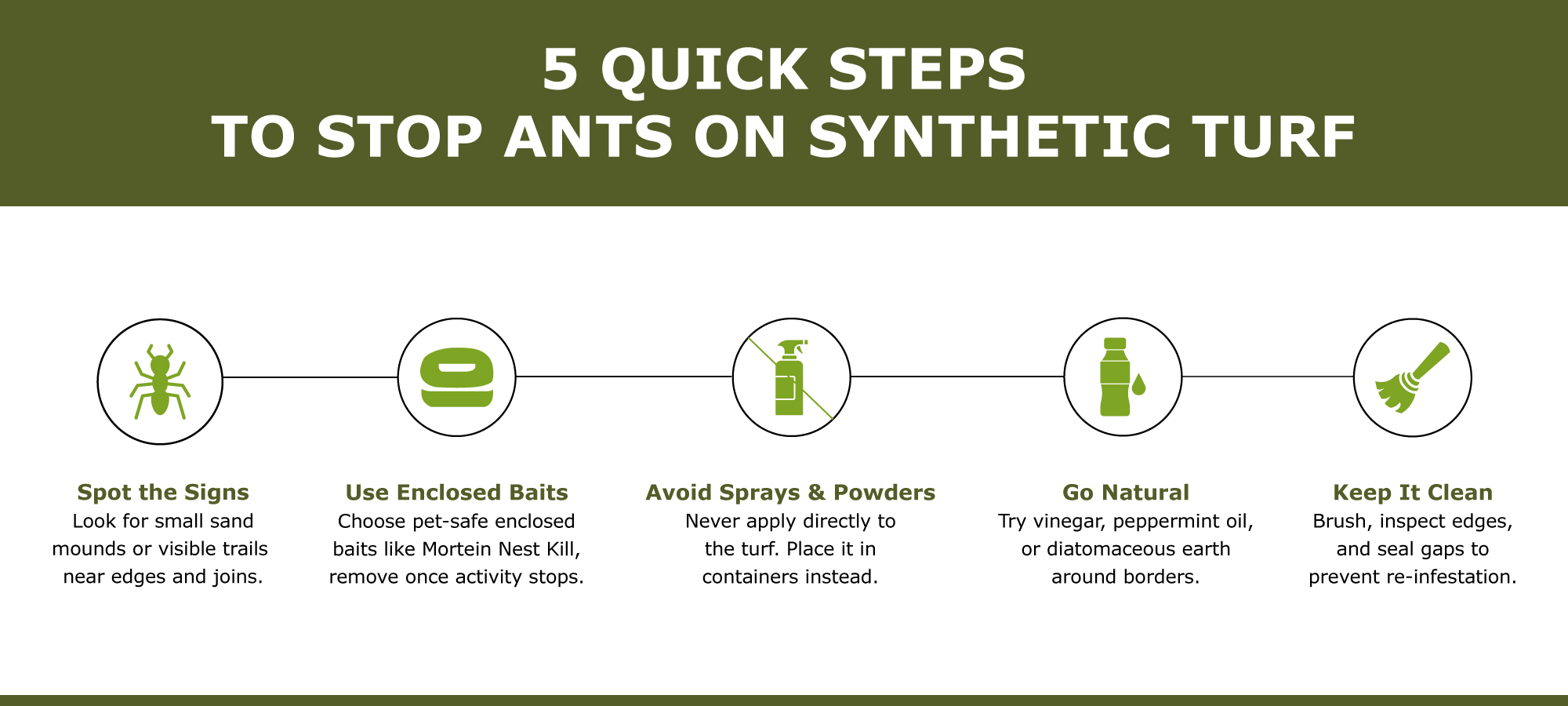
Removing ants from your lawn requires a combination of immediate action and long-term habitat modification. Start by identifying the ant species to determine whether aggressive treatment is necessary. Use commercial ant baits to destroy entire colonies, including the queen. Apply natural remedies like diatomaceous earth for perimeter defense. Transform your soil by adding compost and maintaining moist, organic-rich conditions that ants avoid. Monitor weekly and treat new mounds immediately. With consistency, you can achieve a permanent ant-free lawn.