Is your lawn struggling despite regular watering and feeding? You might be battling compacted soil—a silent killer of healthy turf. When soil becomes dense and compressed, it blocks air, water, and nutrients from reaching grass roots, leading to thin, patchy growth and poor drainage. The good news: you can reverse it.
Loosening compacted lawn soil isn’t just about poking holes. It’s a smart mix of mechanical aeration, organic improvement, and long-term care. Whether you’re dealing with heavy clay in Reno or sandy soil in Rochester, this guide gives you proven steps to revive your lawn. You’ll learn how to identify compaction, choose the right tools, apply effective amendments, and prevent future damage.
Spot Compacted Soil Early
Catching soil compaction early saves time, money, and grass. Waiting too long means deeper damage and slower recovery. Start by checking for telltale signs that your soil has lost its structure.
Check for These Warning Signs
Walk across your lawn barefoot. Does it feel hard and unyielding? That’s a red flag. Other key indicators include water pooling after rain or irrigation instead of soaking in. Thin, weak grass with bare patches or invasive weeds like dandelions is another warning. Difficulty pushing a screwdriver or shovel into the ground signals real trouble. Cracked, alligator-skin surface after dry spells indicates broken soil structure.
These symptoms point to reduced pore space, the hidden problem behind poor root growth and low microbial activity.
Test Soil Readiness Safely
Before working the soil, test moisture levels to avoid making things worse. Squeeze a handful of soil. If it forms a tight ball that doesn’t crumble, it’s too wet, so wait. If it crumbles easily, it’s ready for aeration or tilling.
Working wet soil smears particles together, increasing compaction. Always wait until the soil is slightly moist but not soggy.
Core Aerate for Deep Relief
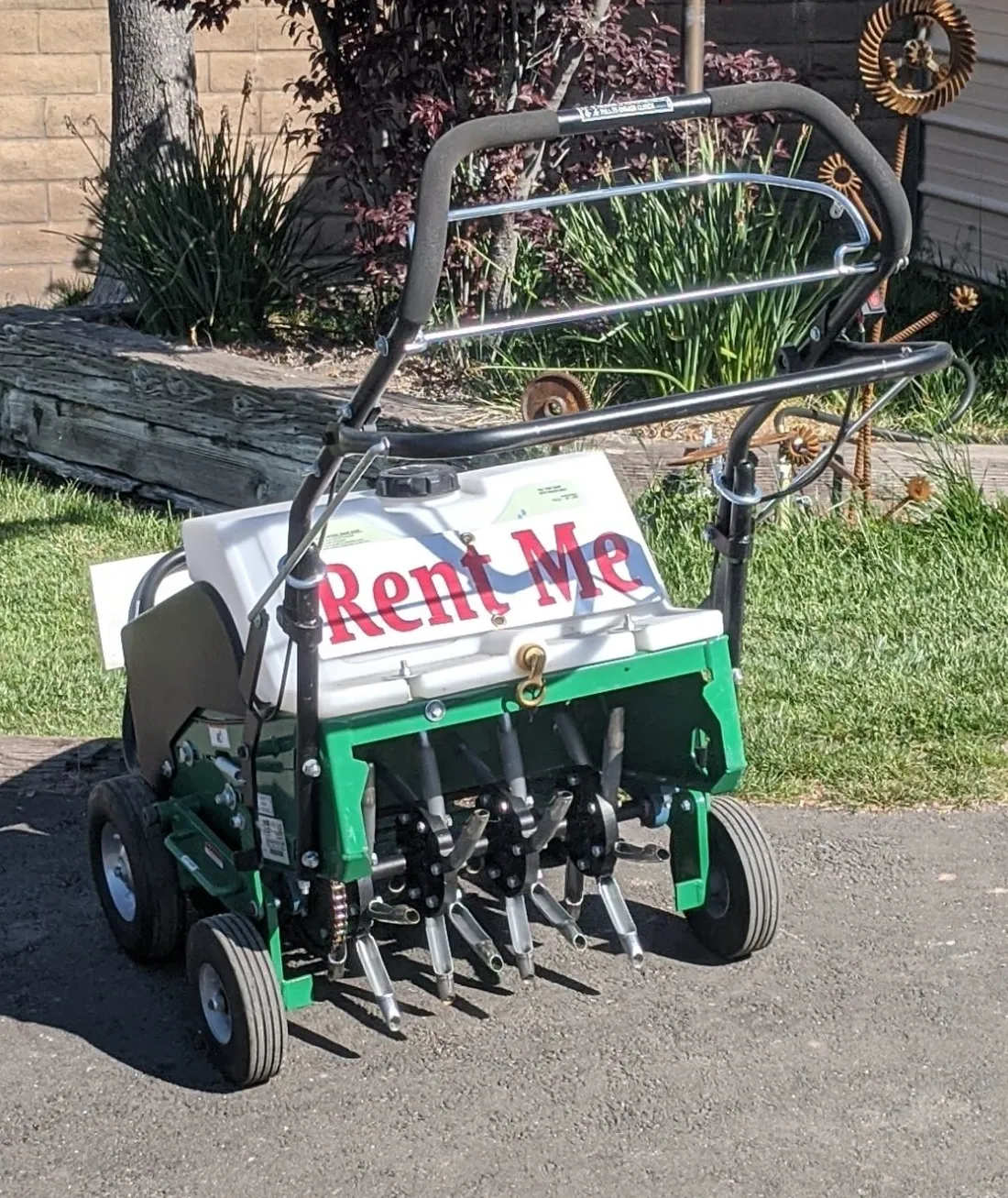
Core aeration is the most effective way to loosen compacted lawn soil. Unlike spike aerators, which push soil aside, core aerators remove small plugs, creating real space for roots, air, and water to move freely.
Choose the Right Aerator Type
Three main options exist. A rental walk-behind core aerator works best for medium to large lawns over 1,000 square feet and penetrates 2-3 inches deep. A manual stepping aerator like the Yard Butler ID-6C is ideal for small areas under 8×8 feet. It requires effort but delivers solid results. Professional-grade equipment is used by landscapers for deep, uniform aeration on tough clay soils.
Avoid spike aerators. They compact soil further around the holes.
Aerate at the Right Time
Timing matters. For cool-season grasses like Kentucky bluegrass and fescue, early fall or spring is best, when grass is actively growing and can recover fast. Warm-season types like zoysia and Bermuda respond best to late spring aeration.
Avoid aerating during drought or extreme heat.
Prep and Perform Aeration
Follow these steps for clean plug removal. Mow the lawn one-third shorter than usual to help the machine glide smoothly. Water deeply 1-2 days before, so the soil is moist but not wet. Pass the aerator over the lawn 2-3 times in different directions for full coverage. Leave soil plugs on the surface because they break down naturally and return nutrients.
Space holes 2-6 inches apart. Dense clay or high-traffic zones may need extra passes.
Use Hand Tools for Small Areas
If you have a small yard or tight spaces, power equipment isn’t always practical. Manual tools offer precision and control without damaging surrounding plants.
Try the Garden Weasel
The Garden Weasel is a rolling tool with curved tines that slices through hard soil. It’s excellent for breaking up crusted surfaces, preparing seedbeds, and loosening soil in garden edges or narrow strips.
Pro tip: Moisten soil first. Dry ground resists penetration, and wet soil turns to mud. Work slowly, letting the tool do the work.
One user reported tine wear after a year but found repairs easy, even in rocky soil.
Use Stepping and Fork Tools
For spot treatment, use a manual core aerator. Step on the platform to drive hollow tines into the ground, which removes small plugs. Wear sturdy boots because this can be hard on feet. A pitchfork works well for small patches. Push it deep into the soil and rock it back and forth. A landscape spade digs and turns soil in renovation zones. It’s labor-intensive but effective.
Build a Hand Tool Workflow
For best results in small zones, lightly water the area to soften the soil. Roll with the Garden Weasel to break the surface. Skip the hard-tine rake if the soil is loose enough. Add 1 inch of compost or topsoil to boost fertility and seed contact.
This combo prepares ideal conditions for overseeding or sod repair.
Improve Soil with Organic Matter
Aeration opens the door, but adding organic matter keeps the gains. Without it, soil recompacts quickly. Topdressing feeds microbes, builds structure, and prevents future hardening.
Apply Compost After Aeration
Right after aerating, spread a ¼ to ½ inch layer of screened compost over the lawn. Use a flexible rake to work it into the holes.
Benefits include filling aeration holes with nutrient-rich material, encouraging earthworm activity (nature’s aerators), and boosting soil aggregation and water retention.
Best materials are lightweight compost, composted manure (well-aged), grass clippings in thin layers, and coffee grounds sparingly (no more than 10% of the mix). Avoid uncomposted wood chips because they rob nitrogen as they break down.
Aim for 5-15% Organic Content
Healthy soil contains 5-15% organic matter. Most lawns fall short. Regular topdressing, once per year, gradually builds this up.
Over time, you’ll see darker, crumbly soil texture, faster water absorption, fewer weeds, and thicker, greener grass.
Break Up Clay With Gypsum
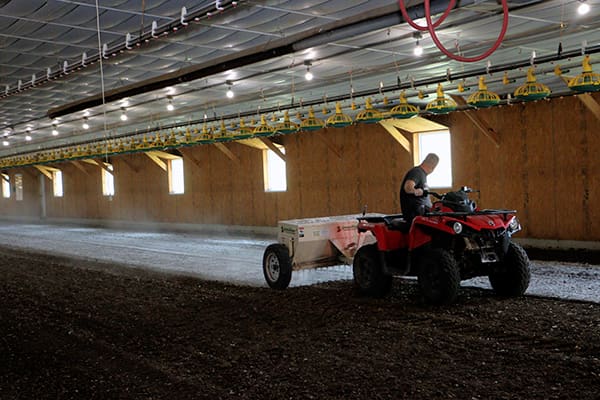
Clay soils are prone to compaction due to fine particles that pack tightly. While compost helps, gypsum (calcium sulfate) is the secret weapon for long-term clay improvement.
Why Gypsum Works
Gypsum doesn’t change pH like lime. Instead, it replaces sodium ions with calcium, causing clay particles to flocculate (clump into aggregates). It improves pore space, drainage, and root penetration. It also reduces runoff and crusting.
It’s especially useful in regions like Reno, NV, or Greece, NY, where heavy clay dominates.
Apply Gypsum Correctly
Use granular gypsum (2-4mm) for even spreading. Apply via broadcast spreader at 5-10 kg per 100 square meters (roughly 1-2 lbs per 100 sq ft). Rake lightly to help it settle. Water thoroughly to activate.
Best times are after core aeration, before laying new turf, and every 2-3 years as maintenance. Effects take 2-6 months to show. This is a slow fix with lasting rewards.
Never Mix Sand Into Clay
A common mistake is adding sand to clay to loosen it. This can create a concrete-like mix. Instead, rely on compost and gypsum, which are safe, effective, and soil-friendly.
Renovate Severely Damaged Lawns
When compaction is extreme and grass is nearly gone, aeration alone won’t cut it. You need full tillage and rebuilding.
Use Rotary Tilling for Full Recovery
For dead or dying lawns, remove debris and weeds first. Till soil 6-8 inches deep using a rotary hoe. Mix in 2-3 inches of sandy loam and compost. Add gypsum if soil is clay-heavy. Rake smooth, let settle, then reseed or lay sod.
This method resets the entire root zone.
Caution: Tilling Has Downsides
While effective, tilling destroys soil structure and microbes. It can worsen compaction over time. It also exposes weed seeds.
Only use tilling for complete renovations, not routine care. For established lawns, stick with core aeration and topdressing.
Prevent Re-compaction Long-Term
Fixing compaction once isn’t enough. Without prevention, the problem returns, often faster. Build habits that protect soil health year after year.
Change Mowing Patterns
Running your mower the same route weekly creates rut compaction. Break the cycle by varying direction each time. Use wider tires or flotation tires on heavy machines. Avoid mowing when soil is wet.
Even small changes reduce pressure buildup.
Limit Foot and Vehicle Traffic
High-traffic areas like play zones, pet runs, and driveways compact fastest. Reduce damage by installing stepping stones or paths. Redirect play areas periodically. Avoid parking on the lawn.
For construction zones, protect soil with mulch or plywood during work.
Avoid Working Wet Soil
Tilling or walking on saturated ground is one of the top causes of compaction. Always use the soil ball test. Grab a handful and squeeze. If it holds shape and doesn’t crumble, wait 1-2 days.
Patience protects structure.
Support Soil With Cover Crops
During off-seasons or lawn renovations, cover crops act as living soil looseners.
Plant Deep-Rooted Varieties
Best choices include oilseed radishes (taproots go 12+ inches deep, breaking hardpan), annual ryegrass (fibrous roots hold soil and add organic matter), and winter rye, hairy vetch, or buckwheat (all improve tilth and prevent erosion).
Plant in fall or spring, then mow and till in before planting grass.
How Cover Crops Help
Cover crops penetrate compacted layers, add biomass when turned into soil, feed microbes and earthworms, and reduce runoff and compaction risk.
They’re ideal for gardeners in Michigan, NY, or similar climates with seasonal dormancy.
Maintain Healthy Soil Yearly
Great soil isn’t a one-time project. It’s a cycle of care. Follow this annual plan to keep your lawn thriving.
Follow a 7-Step Maintenance Plan
Step 1: Mow 1/3 shorter before aeration. Step 2: Water deeply 1-2 days pre-aeration. Step 3: Core aerate in spring or fall. Step 4: Topdress with compost immediately after aeration. Step 5: Apply gypsum if clay soil (every 2-3 years). Step 6: Overseed optionally to boost density. Step 7: Mulch mow year-round to feed soil.
This routine builds resilience and prevents compaction from returning.
Test Soil Every 3 Years
Use a mail-in soil test kit to track pH, nutrient levels, and organic matter percentage. Knowing your numbers helps you adjust amendments wisely.
Frequently Asked Questions About Loosening Lawn Soil
How do I know if my lawn soil is compacted?
Walk across your lawn barefoot. If it feels hard and unyielding, that’s a sign of compaction. Other indicators include water pooling after rain, thin or patchy grass, difficulty pushing a screwdriver into the ground, and cracked surface soil after dry spells.
When is the best time to aerate my lawn?
For cool-season grasses (Kentucky bluegrass, fescue), aerate in early fall or spring. For warm-season grasses (zoysia, Bermuda), late spring is ideal. Avoid aerating during drought or extreme heat.
Can I use sand to loosen clay soil?
No. Adding sand to clay soil can create a concrete-like mixture that worsens compaction. Instead, use compost and gypsum to improve clay soil structure safely.
How long does it take for gypsum to work on compacted soil?
Gypsum takes 2-6 months to show visible results. It’s a slow but lasting solution that improves soil aggregation, drainage, and root penetration over time.
How often should I aerate my lawn?
Annual aeration is recommended for high-traffic lawns. For low-impact areas, every 2-3 years may suffice. Core aeration creates permanent channels that gradually fill in, so regular treatment maintains the benefits.
What’s the difference between core aeration and spike aeration?
Core aeration removes small plugs of soil (2-3 inches deep), creating actual space for air, water, and nutrients. Spike aeration only pushes soil aside, which can compact soil further around the holes. Core aeration is far more effective for loosening compacted soil.
Key Takeaways for Fixing Compacted Lawn Soil
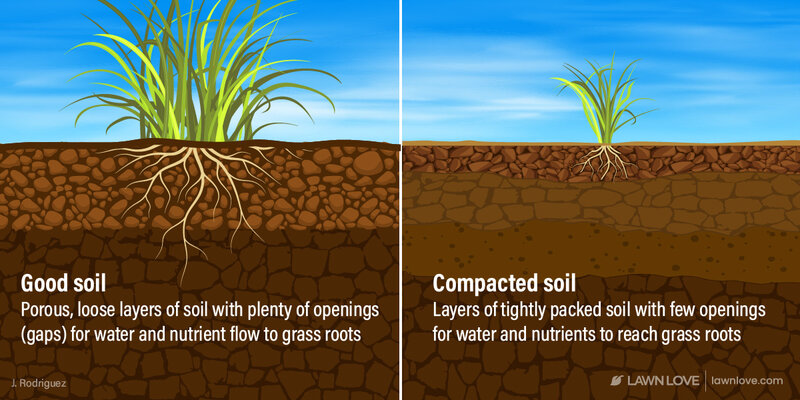
Loosening compacted lawn soil takes effort, but the payoff is a lush, drought-resistant lawn. Start with core aeration, which is the gold standard for creating pathways for air, water, and nutrients to reach grass roots. Boost results with compost and gypsum. Compost adds organic matter that feeds microbes and encourages earthworms, while gypsum breaks up clay particles and improves drainage.
Protect your gains with smart mowing and traffic control. Vary your mowing patterns to avoid rut compaction. Limit foot and vehicle traffic on vulnerable areas. Never work soil when it’s wet.
Whether you use a rental machine or a hand tool, every step brings your soil closer to healthy, breathable perfection. Stick with it, and within a season, you’ll see grass that’s greener, thicker, and truly alive.