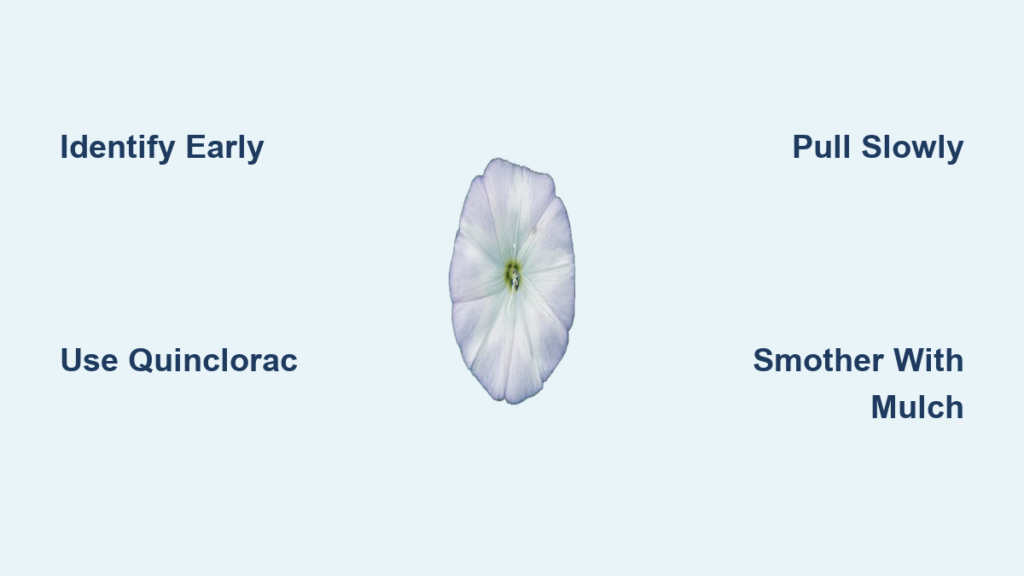
Bindweed is a relentless invader, creeping across lawns and smothering grass with its twining vines and deep roots. If you have noticed arrow-shaped leaves, pale pink trumpet flowers, or vines wrapping around your lawn tools, you are likely battling Convolvulus arvensis, commonly known as field bindweed. This tough perennial spreads through a network of roots up to 10 feet deep and horizontal runners up to 30 feet wide, making it one of the hardest weeds to eliminate. Worse, its seeds can lie dormant for up to 50 years, waiting for the right moment to sprout.
The good news is that you can win this battle, but not overnight. Getting rid of bindweed in lawn demands persistence, timing, and the right mix of methods. Whether you prefer chemical control, organic tactics, or manual removal, success comes from targeting both the visible growth and the hidden root system. In this guide, you will learn proven strategies to stop bindweed in its tracks, step-by-step treatment plans, and long-term prevention tips to keep your lawn weed-free.
Identify Bindweed Early
Before you treat, confirm your enemy. Mistaking bindweed for morning glory or other vines leads to ineffective control. Learning to identify this weed correctly saves time and ensures you use the right treatment methods from the start.
Look for These Signs
Bindweed has several distinctive features that set it apart from other vines:
- Leaves: Arrowhead-shaped, 1 to 2 inches long, arranged alternately on stems
- Stems: Thin, white-green, and twining, wrapping around plants or growing flat along the ground
- Flowers: Small, funnel-shaped, white to light pink, blooming from late spring through fall
- Roots: Tough, white, and deep, with significant resistance when pulled
Pro Tip: Break a young stem. If it oozes milky sap, it is bindweed.
Spotting it early means smaller infestations and faster control. Check your lawn weekly during growing months, especially near fence lines or garden edges where bindweed often starts.
Kill Bindweed with Herbicides

Herbicides are often the most effective way to attack bindweed is deep roots, especially when applied correctly. The key is choosing the right product and applying it at the optimal time.
Use Quinclorac for Lawn-Safe Control
Quinclorac is one of the few herbicides that consistently penetrates bindweed is waxy leaves and reaches the roots without killing your grass.
Best products include:
- Ortho Weed B Gon MAX plus Crabgrass Control
- Bayer Advanced All-In-One Lawn Weed Killer
When to apply:
- Early summer, before flowering
- Fall, when nutrients move into roots
How to apply:
- Spray on calm, dry days
- Add a non-ionic surfactant to help the herbicide stick and soak in
- Reapply every 2 to 3 weeks during active growth
Do not compost grass clippings after treatment, as residue can harm garden plants.
Try Three-Way Herbicide Blends
Single-ingredient herbicides like 2,4-D often fail against established bindweed. Three-way formulas deliver better results.
Active ingredients to look for:
- 2,4-D
- Dicamba
- MCPP (mecoprop)
Effective products include Trimec and Spectracide Weed Stop for Lawns. Apply in cool weather between 60 and 80 degrees Fahrenheit and avoid spraying on windy days to protect nearby trees and shrubs.
Spot-Treat with Glyphosate
For severe patches, glyphosate delivers a lethal dose, but use it carefully to avoid killing your grass.
Best time to apply is late summer to early fall, when bindweed moves energy to roots. Safe application methods include:
- Paintbrush method: Dab glyphosate directly on leaves using a small brush
- Bagging technique: Slide a zip-lock bag over the bindweed, spray inside, seal, and leave for 1 to 2 weeks until dead, then dispose in trash
Never broadcast spray in lawns, as glyphosate kills grass.
Pull Bindweed by Hand—The Right Way
Manual removal works, but only if done consistently and correctly. The biggest mistake people make is ripping out stems quickly, which breaks the roots and leaves fragments behind to regrow.
Pull Slowly to Avoid Root Breakage
Best time to pull is after rain or watering, when soil is soft.
Technique:
- Grasp the stem at the base
- Pull slowly and steadily, do not yank
- Aim to remove the entire root, not just the top growth
Even quarter-inch root fragments can regrow. If the root snaps, mark the spot and re-pull in 2 to 3 weeks.
Finger Pulling for Precision
In flower beds or near grass, use your fingers to gently tease out roots just below the surface. This method is less disruptive than tools and reduces the risk of spreading root fragments. It is ideal for daily touch-ups while gardening.
Expect to repeat this process weekly for 2 to 5 years. Persistence drains the root is energy reserves over time.
Dig Deep to Remove Roots Completely
For isolated clumps, digging is the most thorough mechanical option. This method requires more effort but offers the best chance of complete removal.
Use a Garden Fork, Not a Shovel
A fork loosens soil deeper, up to 5 feet, without chopping roots into fragments.
How to dig:
- Loosen soil around the plant
- Lift roots gently, keeping them intact
- Remove every visible fragment
Time commitment is 10 to 15 minutes per plant. Revisit the spot every 2 to 3 weeks, as new shoots mean more roots to extract.
Smother Bindweed with Mulch
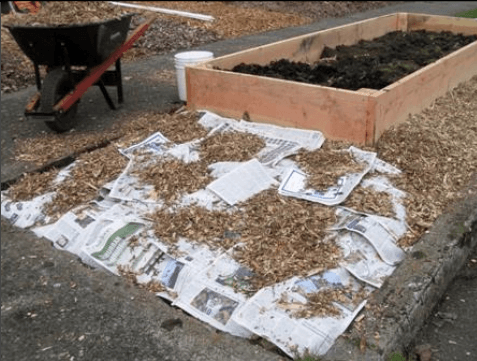
Blocking sunlight starves bindweed over time, especially in garden beds or lawn edges. This method is 100 percent organic and improves soil health as mulch breaks down.
Apply Sheet Mulching
Sheet mulching works by blocking sunlight and preventing photosynthesis.
Steps:
- Step 1: Mow or cut bindweed close to the ground
- Step 2: Lay thick cardboard or 8 to 10 layers of newspaper over the area
- Step 3: Cover with 4 to 6 inches of mulch, such as wood chips, straw, or leaves
- Step 4: Leave for at least one full growing season
Bonus: You can plant through the cardboard. Your garden plants grow down, but bindweed cannot grow up through the barrier.
Stop Bindweed Without Chemicals
Prefer natural solutions? These non-chemical methods work, especially when combined with other approaches.
Solarize the Soil in Summer
Solarization uses the sun is heat to kill roots and seeds.
How to solarize:
- Cover infested area with clear plastic for 6 to 8 weeks during hot weather
- Soil heats to 120 to 140 degrees Fahrenheit, killing roots and seeds
- Best for full-sun areas in hot climates
- Not effective in cool or cloudy regions
Pour Boiling Water on Crowns
Use this method for driveways, cracks, or spot-treatment in bare soil. Slowly pour boiling water directly on new shoots and root crowns. Repeat weekly. This kills grass and nearby plants, so it is not suitable for lawns.
Try Vinegar (With Limits)
Use 20 to 30 percent horticultural vinegar, not kitchen vinegar. Sprays burn foliage but do not kill roots, so weekly applications are required. This method can acidify soil over time.
Avoid salt. While some report success, it ruins soil for years.
Build a Bindweed-Resistant Lawn
A healthy, dense lawn is your best long-term defense against bindweed invasion. Strong grass outcompetes weeds for sunlight, nutrients, and water.
Mow High to Shade Out Weeds
Keep grass 2.5 to 3 inches tall. Taller grass blocks sunlight, preventing bindweed seeds from germinating.
Fertilize and Water Properly
Apply 2 to 4 nitrogen feedings per year, based on grass type. Water deeply and infrequently, about 1 inch per week, to encourage deep root growth in your turf.
Improve Soil Health
Bindweed loves compacted, poor soil. Fix that by aerating annually, topdressing with compost, and adding organic matter to build rich, loamy soil. Over 2 to 3 years, healthier soil weakens bindweed and supports thick turf.
Prevent Bindweed from Returning
Even after removal, vigilance is key. One missed root or seed can restart the entire infestation.
Never Let It Flower
Cut off flower buds immediately. One plant can produce 500 seeds, so eliminate blooms before they set.
Clean Tools After Use
Wash shovels, forks, and mower blades after working in infested areas. This prevents spreading root fragments to clean zones.
Block Roots from Neighbors
Install galvanized steel barriers 18 to 24 inches deep along property lines. This stops underground invasion from adjacent yards.
Inspect New Plants and Sod
Check roots of transplants and sod for hidden bindweed. Quarantine new plants if possible before introducing them to your landscape.
Combine Methods for Best Results
No single tactic wins alone. Use an integrated strategy over multiple seasons for the best results.
3-Year Eradication Plan
Year 1: Attack
- Apply quinclorac or glyphosate every 2 to 3 weeks in growing season
- Pull emerging shoots weekly
- Dig out isolated patches
Year 2: Strengthen
- Improve soil with compost and mulch
- Overseed thin lawn areas
- Begin sheet mulching in garden beds
Year 3: Maintain
- Spot-treat new growth with herbicides or hand-pulling
- Install root barriers if needed
- Monitor weekly during growing season
Pro Tip: Offer kids a root bounty for the longest bindweed root they dig up. Makes weeding fun and effective.
Be Patient—Eradication Takes Time
There is no quick fix. Complete bindweed removal typically takes 3 to 5 years of consistent effort.
Do not give up after one season. Track progress by taking photos monthly to see improvement. Celebrate small wins, such as fewer flowers, smaller patches, and healthier grass appearing over time.
Success is not about perfection. It is about persistence.
Frequently Asked Questions About How to Get Rid of Bindweed in Lawn
How long does it take to get rid of bindweed completely?
Complete eradication typically takes 3 to 5 years of consistent effort. Bindweed is deeply rooted and regrows from root fragments, so persistence is essential. You will see progress sooner, but eliminating every last root fragment requires long-term commitment.
What is the most effective herbicide for bindweed in lawns?
Quinclorac is the most effective herbicide for lawns because it penetrates bindweed is waxy leaves and reaches the roots without killing grass. Products containing quinclorac include Ortho Weed B Gon MAX and Bayer Advanced All-In-One Lawn Weed Killer. Glyphosate is more effective but must be spot-applied carefully to avoid killing turf.
Does pulling bindweed by hand actually work?
Hand pulling works, but only if done correctly and consistently. You must pull slowly to extract the entire root, as even quarter-inch fragments can regrow. This method requires weekly effort for 2 to 5 years to deplete the root system is energy reserves completely.
Can I use vinegar to kill bindweed?
Horticultural vinegar with 20 to 30 percent acidity burns the foliage but does not kill the roots. You need weekly applications, and the method can acidify soil over time. Vinegar works best as a supplemental treatment rather than a standalone solution.
Will improving my lawn help prevent bindweed?
Yes, a healthy, dense lawn is one of the best defenses against bindweed. Mow at 2.5 to 3 inches to shade out weed seeds, fertilize properly with 2 to 4 nitrogen applications per year, and improve soil health through aeration and compost. Strong grass outcompetes bindweed for resources.
Key Takeaways for Eliminating Bindweed from Your Lawn

Bindweed is one of the most tenacious weeds you can face, but it is not unbeatable. Success requires patience, persistence, and a strategic, multi-pronged approach that targets both the visible vines and the massive root system beneath your lawn.
The most effective strategy combines chemical control with mechanical removal. Apply quinclorac or spot-treat with glyphosate every 2 to 3 weeks during growing season while manually pulling or digging out roots. Sheet mulching works excellently for garden beds, while soil improvement strengthens your lawn over time to naturally outcompete weeds.
Remember that bindweed can produce 500 seeds per plant, and those seeds remain viable for up to 50 years in soil. Never let it flower, clean your tools after working in infested areas, and consider installing root barriers along property lines to prevent reinfestation from neighbors.
Start today by choosing one method and committing to it. Pull one vine, apply one treatment, or lay one sheet of cardboard. The best time to fight bindweed was yesterday. The next best time is right now.