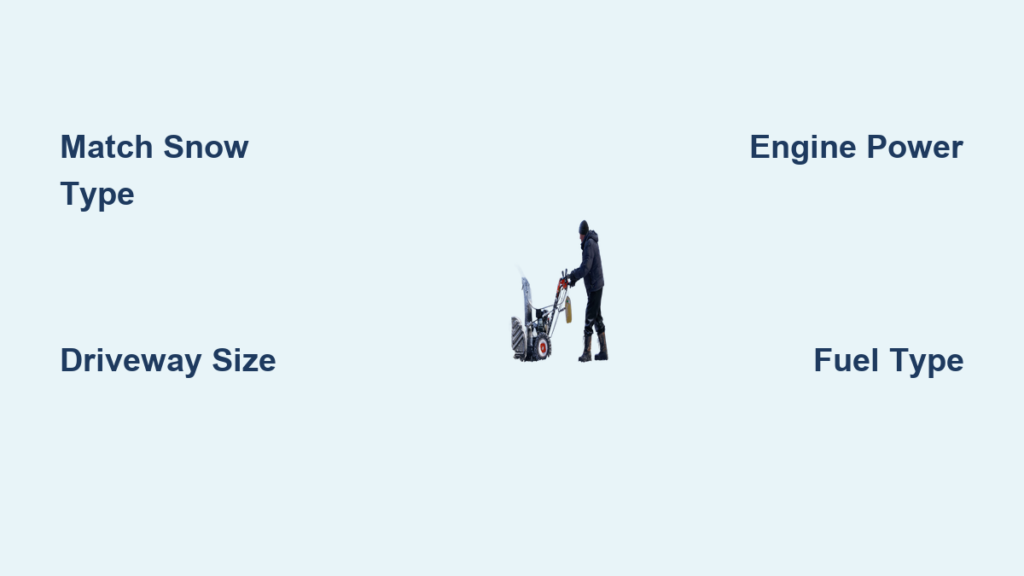
If you’re tired of shoveling heavy snow every winter, a snow blower can be a game-changer. But with so many models on the market, how to choose a snow blower that fits your needs isn’t always obvious. The right machine depends on your climate, driveway size, snow type, and physical ability. Choosing poorly could mean buying a blower that’s underpowered, too bulky, or too expensive for your needs.
This guide cuts through the noise to help you make a confident decision. You’ll learn the differences between single-stage, two-stage, and three-stage snow blowers, how engine power matches snow conditions, and what features actually matter. Whether you get 6 inches of powder or 2 feet of wet slush each storm, you’ll find the best snow blower for your home without overspending.
Match Blower Type to Snow Conditions
The first step in choosing a snow blower is understanding the three main types and which one fits your typical winter weather.
Single-Stage: Best for Light, Frequent Snow
Single-stage snow blowers are ideal for areas with frequent but light snowfall, usually under 8 inches per storm. These models use an auger to scoop up snow and blast it through the discharge chute. Since they make direct contact with the ground, they work best on paved surfaces like concrete or asphalt.
They’re lightweight, easy to maneuver, and perfect for small driveways or walkways. However, they struggle with heavy, wet snow or ice buildup. If you live in a region with deep or compacted snow, a single-stage model may stall or leave behind a slushy mess.
Best for:
– Snowfalls under 8 inches
– Paved surfaces
– Small to medium driveways
– Users who want easy storage and push-style operation
Avoid if:
– You get frequent heavy snow
– Your driveway is gravel
– You need to clear ice
Two-Stage: Power for Heavy, Deep Snow
Two-stage snow blowers handle deeper, heavier snow with ease. They use two components: an auger that breaks up snow and an impeller that throws it out through the chute. Because the auger doesn’t touch the ground, these models can clear snow down to the pavement without damage, making them great for uneven or gravel surfaces.
With engine sizes ranging from 200cc to over 300cc, two-stage blowers tackle 12 to 20+ inches of snow in one pass. They’re larger, heavier, and more expensive than single-stage models, but offer superior performance in harsh winter climates.
Best for:
– Snowfalls over 12 inches
– Long or wide driveways
– Wet, packed, or icy snow
– Gravel or uneven surfaces
Features to look for:
– Power steering
– Heated handgrips
– Electric start
Three-Stage: Maximum Speed and Power
Three-stage snow blowers are the top-tier option for those who face extreme snowfall or want to clear large areas quickly. They add a third component, an accelerator, that pulverizes snow before the impeller launches it. This allows faster clearing with less strain on the engine.
These models are best suited for long driveways, rural properties, or commercial use. They’re the most expensive and require more storage space, but they clear wide paths up to 30 inches and throw snow farther than other types.
Best for:
– Frequent heavy snowstorms
– Driveways over 50 feet long
– Users who prioritize speed and efficiency
Consider:
– Higher cost (often $1,500+)
– Larger storage needs
– More complex maintenance
Size and Width: Fit Your Driveway

Choosing the right snow blower width ensures you clear snow efficiently without unnecessary passes.
Measure Your Driveway First
Before looking at models, measure your driveway’s width and length. A narrow urban driveway (8 to 10 feet wide) works well with a 20 to 22 inch clearing width. A wider suburban or rural driveway (12+ feet) benefits from a 24 to 30 inch model to reduce passes.
Longer driveways (over 40 feet) demand a two- or three-stage blower with a larger clearing width. Fewer passes mean less time in the cold and faster results.
Clearing Width vs. Machine Size
Wider isn’t always better. A 30-inch blower may seem efficient, but it’s harder to maneuver around tight corners, cars, or landscaping. Balance width with your driveway layout. For tight spaces, a 22 to 24 inch model offers a sweet spot between speed and control.
Also consider turning radius. Some models have zero-turn capability or power steering, making tight turns easier. If your driveway has curves or obstacles, maneuverability matters as much as width.
Engine Power: Match to Snow Type

Engine size determines how well a snow blower handles different snow conditions.
Small Engines (120 to 200cc): Light Duty
Smaller engines power most single-stage snow blowers. They’re sufficient for dry, fluffy snow under 8 inches. However, they bog down in wet snow or deep drifts. If your winters are mild, this power level may be enough.
Mid-Range Engines (200 to 300cc): All-Around Performance
Found in most two-stage models, these engines handle 12 to 18 inches of snow with ease. They’re reliable for mixed conditions like powder, slush, and occasional ice. Look for overhead valve (OHV) engines, which offer better fuel efficiency and longer life.
Large Engines (300cc+): Heavy-Duty Clearing
Top-tier two-stage and three-stage blowers use engines over 300cc. These deliver maximum torque for breaking through packed snow and ice. Brands like Ariens, Toro, and Cub Cadet offer models with 400cc+ engines for extreme conditions.
Pro Tip: Electric start is highly recommended with larger engines. Pull-starting a 300cc+ engine in freezing weather is difficult and discouraging.
Fuel Type: Gas, Electric, or Battery?
Your power source affects performance, maintenance, and convenience.
Gas-Powered: Most Power, Most Maintenance
Gas snow blowers offer the highest performance, especially for deep or wet snow. They run as long as they have fuel and don’t lose power over time. However, they require seasonal maintenance such as oil changes, fuel stabilization, and spark plug checks.
Best for:
– Heavy snow regions
– Large properties
– Users who don’t mind maintenance
Drawbacks:
– Noisy operation
– Fumes and fuel storage
– Harder to start in cold weather
Electric (Corded): Simple but Limited
Corded electric snow blowers are lightweight, quiet, and require almost no maintenance. They’re ideal for small areas with light snow. But the cord limits range, usually 100 to 150 feet. You’ll need an outdoor-rated extension cord and nearby outlet.
Best for:
– Small sidewalks or short driveways
– Mild climates with infrequent snow
– Users who want zero maintenance
Avoid if:
– Your outlet is far from driveway
– You get heavy or frequent snow
Battery-Powered: Cordless Convenience
Battery models have improved dramatically. Modern 80V systems like Toro Power Max or Snow Joe clear 6 to 10 inches of snow with a 20 to 24 inch width. Runtime ranges from 20 to 60 minutes, depending on snow depth and battery size.
Best for:
– Medium driveways
– Eco-conscious users
– Those who hate gas maintenance
Limitations:
– Reduced power in very wet snow
– Cold weather reduces battery life
– Replacement batteries are expensive
Tip: Buy models with interchangeable batteries if you already own tools from the same brand, such as a lawn mower or trimmer.
Key Features That Improve Usability
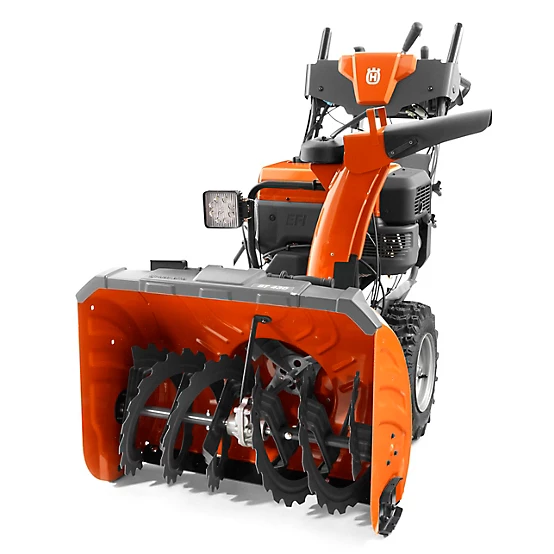
Beyond type and power, certain features make snow blowing easier and safer.
Electric Start: No More Pull Cords
Few things are worse than yanking a starter cord in freezing wind. Electric start (key or push-button) makes starting effortless. Most mid-to-high-end models offer this, often paired with battery backup for reliability.
Heated Handgrips: Warm Hands, Longer Sessions
Cold hands lead to early quitting. Heated grips, powered by battery or engine, keep your hands comfortable during long clearing sessions. A small feature that makes a big difference in usability.
Headlights: Clear Snow at Night
Winter storms often hit at night. A built-in headlight lets you see the path ahead and avoid obstacles. Especially useful if you clear snow before dawn.
Power Steering: Reduce Fatigue
On two- and three-stage models, power steering reduces strain when turning heavy machines. Some use dual-wheel drive or joystick controls for effortless maneuvering. Worth the extra cost if you have a long or winding driveway.
Adjustable Chute Control
Look for models with remote chute control from the handlebars. Being able to change snow direction and deflector height without walking to the front saves time and effort.
Consider Storage and Maintenance
A snow blower is a seasonal tool, so think about where and how you’ll store it.
Storage Space Requirements
Single-stage models are compact and often fold for storage. Two- and three-stage blowers are large, some over 5 feet long. Measure your garage or shed before buying. If space is tight, a single-stage or compact electric model may be your only option.
Winter Maintenance Tips
Gas models need fuel stabilizer added at the end of the season to prevent gumming. Run the engine dry or use a fuel preservative. Check belts, auger paddles, and skid shoes annually.
Battery models should be stored at 50 to 80% charge in a dry, room-temperature location. Avoid freezing or overheated garages.
Electric models require minimal upkeep. Just wipe down and store indoors.
Budget: Set a Realistic Price Range
Snow blowers range from $200 to over $3,000. Knowing your budget helps narrow choices.
Under $300: Basic Single-Stage
You’ll find single-stage gas or electric models here. Good for light snow and small areas. Avoid cheap two-stage models in this range since they often underperform.
$300 to $700: Mid-Tier Performance
Most two-stage blowers fall here. You get reliable engines, electric start, and better build quality. Brands like Toro, Ariens, and Honda offer solid options.
$700 to $1,500: Premium Two-Stage
Expect advanced features like power steering, heated grips, large engines, and durable construction. Ideal for heavy snow areas.
$1,500+: Three-Stage and Pro Models
Top-tier performance with wide clearing paths, fast clearing speeds, and commercial-grade parts. Best for long driveways or extreme winters.
Value Tip: Buy in summer or early fall. Retailers often offer 10 to 20% off during off-season sales.
Final Decision Checklist
Before buying, ask yourself these questions:
-
How much snow do you get?
Under 8 inches: single-stage or electric
8 to 18 inches: two-stage
18+ inches or frequent storms: three-stage -
What’s your driveway like?
Short and paved: single-stage or electric
Long, wide, or gravel: two- or three-stage -
Do you want low maintenance?
Yes: electric or battery
No problem with upkeep: gas -
What’s your budget?
Under $500: focus on single-stage or compact electric
$500+: explore two-stage models -
Can you store it?
Limited space? Avoid large two- or three-stage models.
Frequently Asked Questions About Snow Blowers
What size snow blower do I need for a typical driveway?
For a standard two-car driveway (about 20 to 24 feet wide), a 22 to 24 inch clearing width works well. For longer driveways over 40 feet, consider a 28 to 30 inch model to reduce passes and clearing time.
Are battery-powered snow blowers powerful enough?
Modern 80V battery models handle 6 to 10 inches of snow effectively on medium driveways. However, they struggle with very wet, heavy, or deep snow compared to gas models. They’re best for moderate conditions and users who want low maintenance.
Can a snow blower work on gravel driveways?
Only two-stage and three-stage models are safe for gravel. Single-stage blowers scoop up gravel along with snow, which can damage the machine or throw dangerous rocks. The auger on two-stage models hovers above the ground.
How long do snow blowers typically last?
With proper maintenance, a quality snow blower lasts 10 to 15 years or more. Annual tasks like oil changes, belt checks, and fuel stabilization extend lifespan significantly. Battery models may need battery replacement every 3 to 5 years.
When is the best time to buy a snow blower?
Late summer through early fall offers the best deals, with discounts of 10 to 20% off retail prices. Inventory is high, and stores want to clear stock before winter. Buying off-season also ensures you get the model you want before peak demand.
Key Takeaways for Choosing the Right Snow Blower
Choosing the right snow blower comes down to matching the machine to your snow, space, and lifestyle. A single-stage blower might be perfect for a city condo, while a three-stage model is essential for a rural farmhouse. Focus on your real needs, not just the specs on the box.
Once you’ve picked the right type, prioritize usability features like electric start and heated grips. They make winter chores less daunting. And don’t forget off-season maintenance. Your blower will last years longer with proper care.
Now that you know how to choose a snow blower, you can face the next snowstorm with confidence, not a shovel.