Summer lawn care can feel like a guessing game. One week your grass seems to grow inches overnight, and the next week it turns brown and stops growing altogether. The truth is, how often you should cut your lawn in summer depends on your grass type, recent weather, and current growing conditions. Most homeowners find they need to mow every 5 to 10 days during the summer months, but this varies significantly based on whether you have cool-season or warm-season grass and whether conditions are wet or dry.
This guide breaks down exactly how to time your mowing for a healthy, resilient lawn all summer long. You will learn which factors matter most, how to adjust your schedule on the fly, and when to put the mower away to protect your grass from stress.
Match Frequency to Grass Type
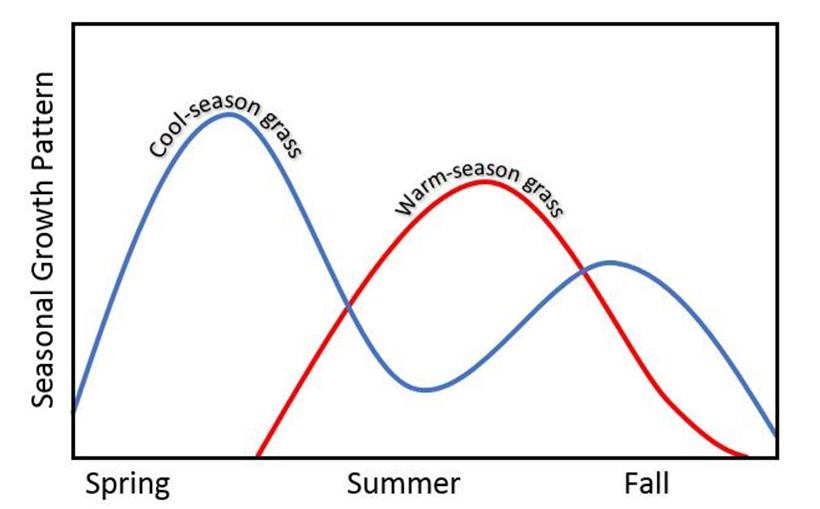
Your grass species is the single biggest factor in determining summer mowing frequency. Cool-season and warm-season grasses behave completely differently when temperatures rise, so your schedule must adapt accordingly.
Cool-Season Grasses: Mow Less in Heat
Kentucky bluegrass, tall fescue, and perennial ryegrass thrive in spring and fall but struggle in summer heat. During hot spells, these grasses often slow their growth dramatically or enter dormancy.
• Typical mowing frequency: every 7 to 10 days
• During drought or heat stress: extend to 2 to 4 weeks or stop entirely
• Ideal summer height: 3 to 4 inches
If your cool-season lawn turns brown but springs back when you walk on it, it is likely dormant, not dead. Do not mow a dormant lawn. Wait for cooler weather or rainfall to resume growth before you mow again.
Warm-Season Grasses: Mow More Often
Bermuda, Zoysia, St. Augustine, and centipede grass hit their peak growth during summer. These heat-loving varieties grow rapidly when conditions are right.
• Typical mowing frequency: every 3 to 6 days, often every 4 to 5 days in peak season
• Bermuda: 1 to 2 inches
• Zoysia: 1 to 2.5 inches
• St. Augustine: 2.5 to 4 inches
Warm-season grasses grow so fast that skipping even one mow can lead to overgrown turf. However, always respect the one-third rule, even with rapid growers.
Follow the One-Third Rule
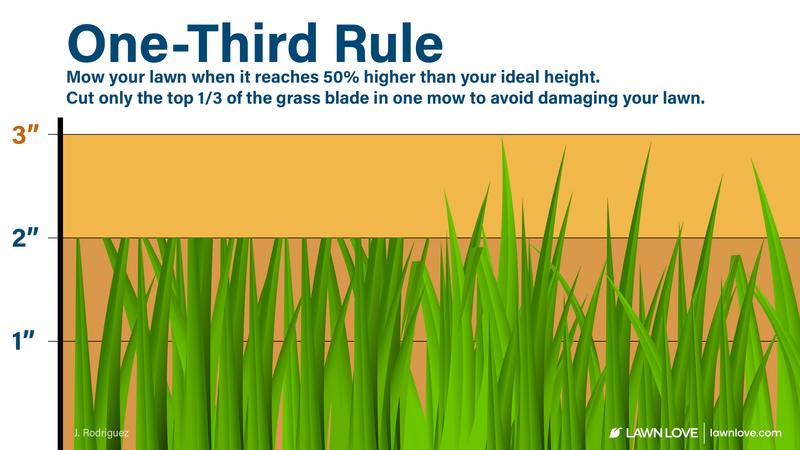
The one-third rule is the most important principle for healthy summer mowing. Never remove more than one-third of the grass blade height in a single mowing session.
Why the One-Third Rule Matters
Cutting too much grass at once stresses the plant, weakens root development, and increases vulnerability to disease and weeds. Grass relies on its leaf surface for photosynthesis, and removing too much at once starves the plant of energy needed to recover.
• Prevents scalping and brown patches
• Supports stronger root growth
• Reduces disease entry points from ragged cuts
• Helps grass recover faster between mows
For example, if your lawn stands at 4 inches tall, do not cut it below 2.7 inches in one session. That is your safe maximum removal.
Signs You Are Cutting Too Much
• Grass turns yellow or brown after mowing
• Slow recovery with thinning patches
• Increased weeds or bare spots
• Clumping clippings that smother underlying grass
If you see these signs, raise your mower deck and cut less. Wait a few days and mow again if needed.
Raise the Mower Blade in Summer
Taller grass survives summer heat better than short-cut turf. Raising your cutting height is one of the simplest changes you can make for a healthier lawn.
Ideal Summer Cutting Heights
Cool-season grasses like Kentucky bluegrass and tall fescue should be maintained at 3 to 4 inches. Warm-season grasses like Bermuda and Zoysia do well at 1.5 to 2.5 inches, depending on the specific variety.
Benefits of Taller Cuts
• Shades soil, reducing moisture evaporation by up to 10 degrees
• Encourages deeper root systems that access water farther underground
• Blocks weed seeds from germinating by shading the soil surface
• Protects the crown, the growing point of the grass plant
Studies show lawns mowed at 3 inches or taller require up to 30 percent less watering than those cut short.
Adjust for Weather and Conditions
Your mowing schedule should change with the weather. Rain, drought, and temperature swings all affect how fast your grass grows.
After Heavy Rain: Mow Once Dry
Grass grows rapidly in wet conditions and may need cutting every 3 to 5 days. However, always wait until the grass is dry before mowing. Wet clippings clump together, smother grass underneath, and promote fungal diseases.
If your shoes get wet walking on the lawn, wait before mowing.
During Drought or Heat Stress: Pause Mowing
When water is scarce, grass stops growing to conserve energy. Signs include grass that does not spring back after you walk on it and a bluish-gray color. Do not mow dormant or stressed grass. Adding the stress of mowing can kill weakened turf.
Grass can survive 4 to 6 weeks without water or mowing during dormancy. This is a natural survival strategy, not a problem to fix.
Avoid Midday Mowing
Mow in the morning after dew dries or in the late evening after 6 PM. Cooler temperatures reduce plant stress and allow cuts to heal before nightfall. Never mow when temperatures exceed 85 to 90 degrees, especially if grass already shows signs of stress.
Sharpen Blades and Mow Dry
The condition of your tools matters as much as your timing. Sharp blades and dry grass make the difference between a clean cut and a damaged lawn.
Use Sharp Mower Blades
Dull blades tear grass instead of cutting it cleanly, leaving ragged edges that invite disease. Sharpen your mower blades 2 to 3 times per season, or more if you mow frequently or have sandy soil.
Check blades for damage regularly. Bent or nicked blades reduce efficiency and increase fuel consumption.
Always Mow Dry Grass
Wet grass clippings clump and clog the mower, smothering grass underneath and creating dead spots. Wet soil also compacts easily under mower wheels, damaging root growth.
Wait 3 to 4 hours after morning dew dries, or mow later in the day if rain passed through recently.
Vary Mowing Pattern and Leave Clippings
Small technique changes lead to big improvements in lawn health over time.
Alternate Mowing Direction
Mowing the same direction every time creates ruts, compacts soil, and encourages grass to lean in one direction. Change direction each time you mow, alternating between north-south and east-west patterns.
This simple change also creates a professional striped appearance on dense lawns.
Grasscycle When Possible
Leave short, dry clippings on the lawn. They decompose quickly and return up to 25 percent of nutrients, especially nitrogen, back to the soil. This acts as a natural mulch that reduces evaporation.
Bag your clippings only when grass is too tall and clumps, or when the lawn has a fungal disease that could spread through clippings.
Skip Mowing When Conditions Say No
Sometimes the best decision is to put the mower away. Knowing when not to mow is just as important as knowing when to cut.
• Dormant lawn: grass is conserving energy, mowing adds stress
• Heat stress: cutting increases vulnerability to sun damage
• Wet or soggy soil: causes compaction and ruts
• Grass over 4 inches tall: raise the blade and cut gradually over 2 to 3 sessions
If the lawn looks stressed or discolored, wait 2 to 3 days and reassess before mowing.
Regional Tips: Adapt to Your Climate
Where you live changes everything about your summer mowing schedule.
Wet, Humid Areas
The Southeast and Mid-Atlantic regions see rapid grass growth due to humidity and frequent rain. Mow every 5 to 7 days, always on dry grass, and sharpen blades frequently to avoid spreading fungal diseases like brown patch or dollar spot.
Hot, Dry Regions
Lawns in the Southwest and Texas often go dormant in summer. Reduce mowing to every 2 to 4 weeks or skip entirely. If you want to maintain green color, water deeply once a week and raise your cutting height to 3 to 4 inches to protect the soil.
Cooler Northern Zones
Cool-season grasses dominate in areas like Upstate NY and New England. Mow every 7 to 10 days in summer, dropping to every 2 to 3 weeks during dry spells. Monitor rainfall weekly and be ready to mow on short notice during humid spells that trigger rapid growth.
Frequently Asked Questions About Cutting Lawn in Summer
How many days between mowing in summer?
Most lawns need mowing every 5 to 10 days during summer. Cool-season grasses typically need every 7 to 10 days, while warm-season grasses may need cutting every 3 to 6 days during peak growth.
Should I mow my lawn every week in summer?
Not necessarily. Weekly mowing is common, but you should mow based on growth, not the calendar. If there has been no visible growth, skip mowing. If grass grows rapidly due to rain, you may need to mow every 5 to 7 days.
What happens if I mow my lawn too often?
Mowing too often or too short weakens grass, causes thinning, and increases vulnerability to disease and weeds. Grass needs time to recover between cuts. Follow the one-third rule and let grass grow to at least 3 inches before cutting cool-season varieties.
Should I stop mowing during a drought?
Yes. When grass goes dormant during drought, it is conserving energy. Mowing adds stress and can kill weakened grass. Wait for rainfall or cooler weather before resuming. Dormant grass will green up again when conditions improve.
Does cutting grass shorter help it survive summer heat?
No. Cutting grass shorter actually weakens it in summer heat. Taller grass shades the soil, reduces moisture loss, and develops deeper roots. Keep cool-season grasses at 3 to 4 inches and warm-season grasses at their recommended heights.
What is the one-third rule for mowing?
Never remove more than one-third of the grass blade height in a single mowing. For example, if grass is 3 inches tall, do not cut it below 2 inches. This prevents stress, scalping, and disease.
Key Takeaways for Summer Lawn Mowing
The best summer mowing schedule is not fixed. It is flexible and responds to your specific grass type, local weather, and current growing conditions. Cool-season grasses need less frequent mowing in heat, while warm-season grasses demand attention every few days during peak season. Always follow the one-third rule, raise your cutting height to protect against heat stress, and mow when grass is dry.
Watch your lawn, not the calendar. If growth is slow or the grass is stressed, give it a break. If rain has everything growing fast, mow more often. By adjusting your approach all summer long, you will build a stronger, greener, more drought-resistant lawn that looks great and requires less water and maintenance.