You’ve set up your sprinkler system, but how long should it actually run? Many homeowners assume a fixed schedule, only to end up with patchy grass, wasted water, or soggy soil. The truth is, there’s no one-size-fits-all answer. How long you should water your lawn depends on your sprinkler type, soil composition, grass species, and local climate. This guide cuts through the confusion with science-backed methods to determine exact watering durations so you can grow a lush, resilient lawn while conserving water.
Most established lawns need 1 to 1.5 inches of water per week, but delivering that efficiently requires measuring your system’s output and adjusting for real conditions. Without proper timing, you risk shallow roots, disease, or runoff. This article walks you through every factor that affects sprinkler runtime, from catch-can tests to soil type adjustments.
Measure Your Sprinkler Output
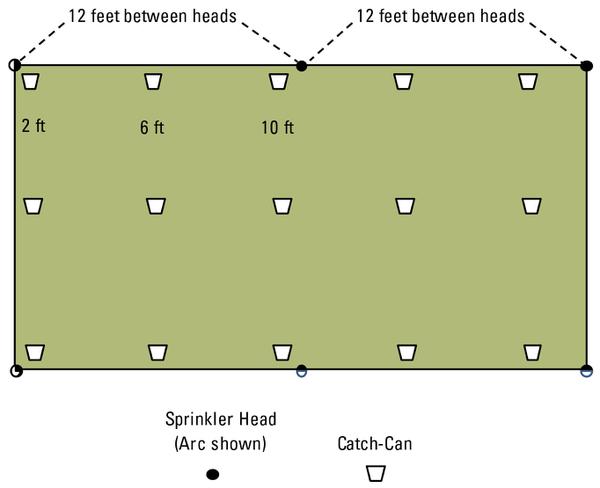
Before setting a timer, you need to know how much water your system actually delivers. Guessing leads to overwatering or under-watering. The only reliable way to determine runtime is by measuring output directly.
Run a Catch-Can Test
The catch-can test is the gold standard for measuring sprinkler performance. It reveals exactly how long to run your system to deliver 1 inch of water, which is your weekly target for most lawns.
Steps:
1. Place 5 to 6 straight-sided containers evenly across a sprinkler zone.
2. Run the sprinklers for 30 minutes.
3. Measure water depth in each can with a ruler.
4. Calculate the average depth in inches.
5. Use this formula: Minutes for 1 inch equals 1 divided by average depth, multiplied by test duration.
Example: If cans collect an average of 0.25 inch in 30 minutes, multiply 1 by 30 and divide by 0.25 to get 120 minutes per week. Split this into two 60-minute sessions or three 40-minute sessions to avoid runoff.
Use the Tuna Can Shortcut
For a quick estimate without full calculations, place 3 to 5 empty tuna cans on the lawn. Turn on the sprinklers and time how long it takes to fill to 1 inch. This becomes your weekly runtime, just split it into 2 to 3 sessions. This method works best for spray sprinklers and small zones. Always test each zone separately because rotors and sprays deliver water at different rates.
Choose the Right Runtime by Sprinkler Type
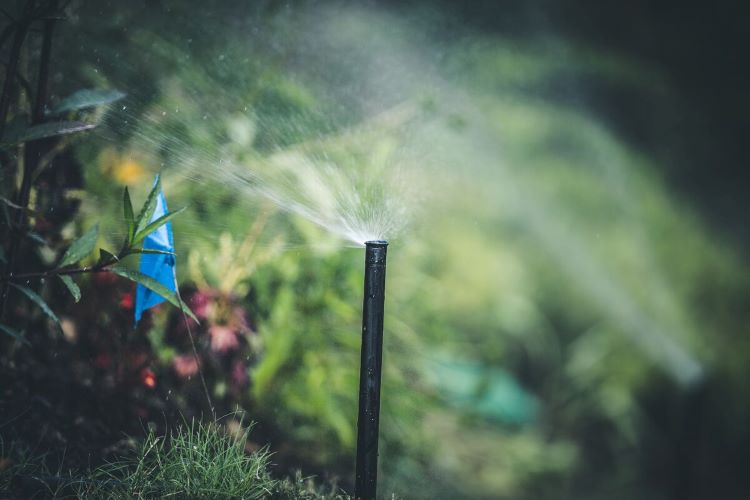
Different sprinklers apply water at different speeds. Using the wrong runtime leads to waste or dry spots.
Spray Sprinklers: 2 Hours Weekly
Spray heads, common in small lawns, deliver water at about 0.5 inch per hour. Runtime for 1 inch is approximately 120 minutes per week. The best schedule is three 20-minute sessions or two 60-minute sessions. Avoid long single runs because they can cause runoff on clay soil or slopes. These systems cover zones quickly but are prone to uneven distribution if heads are misaligned.
Rotor or MP Rotors: 1 Hour Weekly
Rotor heads, ideal for large lawns, apply water at approximately 1 inch per hour. Runtime for 1 inch is about 60 minutes per week. The best schedule is two 30-minute sessions. Rotors are more efficient than sprays, with deeper soil penetration. MP rotors are especially effective in windy conditions due to their lower trajectory and better uniformity.
Pulsating Sprinklers: Test Per Model
Hose-end pulsating sprinklers vary widely in output. Some deliver 1 inch in 45 to 90 minutes, depending on water pressure and model. You must test these with catch cans rather than assuming runtime. They cover large areas quickly but require checking for dry zones at edges. Wind resistance is a plus, but overlapping spray patterns need careful placement.
Adjust for Soil Type and Absorption

Your soil determines how fast water soaks in and how long you can run sprinklers without waste.
Clay Soil: Use Short Cycles
Clay absorbs water slowly, at 0.1 to 0.2 inch per hour when compacted. Maximum per cycle is 0.2 inch to prevent runoff. Total weekly amount is still 1 inch, but split into five or more short cycles. Water every 4 to 5 days because clay holds moisture longer. Use the soak and cycle method: run 12 minutes, wait 30 to 60 minutes, then repeat.
Sandy Soil: Water Faster, More Often
Sand absorbs up to 1.5 inches per hour but drains quickly. Apply water in longer single sessions with no runoff risk. You may need watering every 2 to 3 days in summer. Watch for nutrient leaching and avoid overwatering. You can often deliver 0.5 inch in one 30-minute session.
Loam Soil: Ideal for Standard Schedules
Loam balances retention and drainage, absorbing 0.4 to 0.6 inch per hour. This soil type can handle 30 to 60 minute sessions. Stick to two 30-minute waterings per week. Loam requires the lowest maintenance of all soil types.
Apply the Soak and Cycle Method
When water runs off instead of soaking in, you’re wasting resources and starving roots. The soak and cycle method solves this problem.
How to Program Soak and Cycle
- Divide weekly water into small increments, such as 0.2 inch per cycle.
- Set multiple start times on your controller, for example 4:00 AM, 5:00 AM, and 6:00 AM.
- Run each cycle 10 to 15 minutes, then wait 30 to 60 minutes for absorption.
- Repeat until the full weekly amount is delivered.
Example: For 1 inch total with five cycles of 0.2 inch and 12 minutes per cycle if the system delivers 0.25 inch per hour, set start times at 4:00, 5:00, 6:00, 7:00, and 8:00 AM.
Benefits of Cycling
Cycling prevents runoff on slopes and clay. It encourages deep roots by pushing water down. It mimics natural rainfall patterns. It reduces fungal disease by avoiding standing water. Use this method in spring and summer when evaporation and runoff risks are highest.
Set the Best Watering Schedule by Grass Type
Not all grasses drink the same. Your species determines how much and how often to water.
Warm-Season Grasses (Southern Lawns)
These grasses thrive in heat and go dormant in winter. They need less water than cool-season types.
| Grass Type | Weekly Water Need | Notes |
|---|---|---|
| Bermudagrass | 0.5 to 1 inch | Drought-tolerant; recovers from browning |
| Zoysiagrass | 0.75 inch | Deep roots; avoid frequent light watering |
| St. Augustine | 1.25 inches | High demand; watch for wilt in heat |
| Centipedegrass | 1 inch | Sensitive to overwatering; limit to once per week |
| Bahiagrass | 0.5 to 0.75 inch | Extremely low maintenance |
Water every 3 to 4 days during peak heat, and water early morning only.
Cool-Season Grasses (Northern Lawns)
These are active in spring and fall, struggle in summer, and need consistent moisture.
| Grass Type | Weekly Water Need | Notes |
|---|---|---|
| Kentucky Bluegrass | 1.5 to 2 inches | Shallow roots; dries fast |
| Tall Fescue | 1 to 2 inches | Deeper roots; better drought resistance |
| Perennial Ryegrass | 1 inch | Fast-establishing; moderate needs |
| Fine Fescues | 0.5 to 1 inch | Thrives in shade; reduce watering by 30 to 50 percent |
Never let soil dry below 6 inches. Use soak and cycle in summer to prevent stress.
Water at the Best Time of Day
Timing affects how much water actually reaches the roots.
Early Morning: 5:00 to 10:00 AM
The best window is 5:00 to 8:00 AM. Temperatures are cool, winds are calm, and evaporation is minimal. Grass dries quickly in morning sun, which reduces fungus risk. Water soaks in before heat increases demand. Set timers to finish by 8:00 AM for optimal results.
Late Afternoon: 4:00 to 6:00 PM
This is acceptable but risky. There is less evaporation than midday. You must finish at least 2 hours before sunset to allow drying. This increases mold and mildew risk if leaves stay wet overnight. Avoid if your lawn has a history of fungal disease.
Avoid Midday and Night
Midday, from 10 AM to 6 PM, loses up to 50 percent of water to evaporation. Night watering, after 6 PM, causes prolonged leaf wetness that leads to fungal outbreaks like brown patch and powdery mildew. Evening watering may be allowed under local restrictions, but it’s not ideal for lawn health.
Spot Overwatering and Underwatering
Your lawn tells you when it’s getting too much or too little.
Underwatering Signs
Look for dull, bluish-gray color instead of vibrant green. Footprints remain visible after walking because grass doesn’t spring back. Leaf blades fold or roll lengthwise. Dry soil means a screwdriver won’t penetrate 6 inches. Recovery after foot traffic is slow. Water immediately if you see these signs because prolonged stress leads to dormancy or death.
Overwatering Signs
Soggy, mushy soil that stays wet for hours indicates overwatering. Standing water or puddles appear after irrigation. Grass yellows, which isn’t a nutrient deficiency. Weeds like moss or sedges thrive. Fungal diseases appear, including rust, brown patch, and slime mold. Thatch builds up because water can’t penetrate. If overwatered, skip irrigation for 3 to 5 days and retest soil moisture.
Use Smart Tools to Optimize Watering
Maximize efficiency with simple tools and technology.
Screwdriver Test: Daily Moisture Check
Push a 6-inch screwdriver into the soil. If it enters easily to 6 to 8 inches, no watering is needed. If it stops at 2 to 4 inches, it’s time to irrigate. This method is quick, free, and reliable. Check every few days during summer.
Smart Irrigation Controllers
These devices adjust watering based on local weather data like rain, temperature, and humidity. They factor in evapotranspiration rates, soil moisture sensors, and historical rainfall. They can reduce water use by 20 to 50 percent and eliminate guesswork. Models like RainMachine or Orbit B-hyve connect to Wi-Fi for remote control.
Flow Meters and Rain Sensors
Flow meters track total gallons used. Compare this to the ideal, calculated as lawn square feet multiplied by 0.62 gallons per inch. Rain sensors automatically shut off the system after rainfall. These are required by law in some areas, so install one to avoid fines.
Optimize Zones and Controller Settings
A well-programmed system prevents dry spots and waste.
Zone Separately by Exposure
Sunny zones may need 20 to 30 percent more water. Shaded zones need 30 to 50 percent less runtime because they dry slower. Sloped areas require very short cycles of 5 to 10 minutes with long soak times. If possible, keep shaded and sunny areas on different zones.
Program Multiple Start Times
To run soak and cycle, set 3 to 5 start times per day with short runtimes. For example, set 4:00 AM, 5:00 AM, and 6:00 AM, each with 12-minute runs. This totals 60 minutes weekly, split into 5 cycles. Use your controller’s multiple start times feature and don’t rely on manual watering.
Special Cases: New Lawns, Slopes, and Sod
New Seeded Lawns: Water 1 to 2 Times Daily
Week 1 through 2 require keeping the top 1 inch of soil constantly moist. Mist lightly 1 to 2 times per day, avoiding heavy watering that displaces seeds. After germination, water to keep the top 2 inches moist until reaching mowing height. Transition to deep watering after 3 weeks.
Sodded Lawns: Daily for First 2 Weeks
Days 1 through 7 require watering 2 times daily, in the morning and late afternoon. Days 8 through 14 reduce to once daily. Days 15 and beyond transition to deep, infrequent watering. Check under the sod to ensure moisture reaches the soil because dry edges mean under-watering.
Sloped Areas: Prevent Runoff
Maximum 5 to 10 minutes per cycle. Wait 1 hour between cycles. Use low-angle or drip heads to reduce erosion. Consider check valves to prevent drainage after shutdown.
Debunk Common Watering Myths
Water Only When Grass Turns Brown
By the time your lawn browns, it’s already stressed or dormant. Act earlier when color dulls or footprints linger.
Daily Watering Keeps Grass Green
Daily light watering creates shallow roots and increases disease risk. Deep, infrequent watering builds drought resilience.
Midday Watering Cools the Lawn
Up to half the water evaporates before soaking in. Morning watering is far more efficient.
More Water Equals Greener Lawn
Overwatering causes yellowing, disease, and waste. Healthy lawns need quality, not quantity.
Frequently Asked Questions About Watering Lawns with Sprinklers
How often should I run my sprinkler system in summer?
During hot summer months with temperatures above 90 degrees Fahrenheit, water your lawn 3 to 4 times per week. Lawns lose approximately one-third of an inch of water daily through evapotranspiration during extreme heat, so frequent watering prevents stress. Adjust based on rainfall and monitor soil moisture with the screwdriver test.
Can I water my lawn every day to keep it green?
Daily watering is not recommended because it creates shallow roots and increases fungal disease risk. Deep, infrequent watering encourages roots to grow deeper into the soil, making the lawn more drought-resistant. Water 2 to 3 times per week, delivering 1 inch total weekly, rather than light daily watering.
What is the best time of day to water my lawn?
The best time is early morning between 5:00 AM and 8:00 AM. Cool temperatures and calm winds minimize evaporation. Grass dries quickly in morning sun, reducing fungus risk. Late afternoon between 4:00 PM and 6:00 PM is acceptable if done at least 2 hours before sunset. Avoid midday when evaporation reaches 50 percent, and avoid night watering which promotes disease.
How do I know if I’m overwatering my lawn?
Signs of overwatering include soggy soil that stays wet for hours, standing water or puddles after irrigation, yellowing grass, weeds like moss or sedges thriving, fungal diseases appearing, and thatch buildup. If overwatered, stop irrigation for 3 to 5 days and retest soil moisture before resuming.
How long should I water new grass seed?
New grass seed needs consistent moisture for germination. Water 1 to 2 times daily to keep the top 1 inch of soil moist during weeks 1 and 2. Mist lightly to avoid displacing seeds. After germination, keep the top 2 inches moist until grass reaches mowing height of about 3 inches. After 3 weeks, transition to deep, infrequent watering.
Does sprinkler type affect how long I should water?
Yes, sprinkler type significantly affects runtime. Spray sprinklers deliver about 0.5 inch per hour, requiring approximately 2 hours weekly. Rotor or MP rotors deliver about 1 inch per hour, requiring approximately 1 hour weekly. Pulsating sprinklers vary widely and must be tested with catch cans. Always measure your specific system’s output rather than assuming.
Key Takeaways for Watering Your Lawn with Sprinklers
The ideal sprinkler runtime isn’t fixed, it’s calculated. Test your system with a catch-can test to determine exactly how much water your sprinklers deliver. Match runtime to your soil type and grass species. Water early morning between 5:00 AM and 8:00 AM in 2 to 3 deep sessions per week. Use soak and cycle on clay soil or sloped areas to prevent runoff. Adjust your schedule seasonally and after rainfall. With the right timing, your lawn will develop deep roots, resist drought, and stay green while using less water. Test, measure, adjust, and repeat for a healthy, efficient lawn.