You’re mid-driveway on a freezing morning when your machine suddenly pops and sputters. That startling snow blower backfire can stop you in your tracks, but it’s rarely as serious as it sounds. The good news is that backfire through the carburetor will not damage your engine, even when it sounds alarming. The bad news is that recurring backfire usually signals something wrong with fuel, air, or spark that deserves attention.
This guide walks you through how to tell backfire apart from afterfire, what causes each condition, and the proven fixes based on real-world repair cases. You’ll learn how to diagnose load-related stalling, when to adjust the carburetor, and how simple fuel habits can prevent most issues before they start. Whether your snow blower is brand new or a trusted old workhorse, you can get it running clean and quiet again.
Tell Backfire and Afterfire Apart
Spot the Key Differences
Backfire and afterfire sound alike but happen at different times. Backfire strikes while the engine runs or shuts down, producing a loud pop from the carburetor or intake. It often hits during rapid throttle release or under heavy snow load. Afterfire happens after the engine stops completely, with small pops in the muffler as leftover fuel ignites.
Know When It’s Harmless
A backfire through the carburetor will not harm your engine at all. Many small engines naturally pop under certain conditions, especially during fast deceleration. If your machine only backfires when you release the throttle quickly and never stalls, it may be normal for your model. The condition often cannot be corrected on some engines because it’s tied to design.
Recognize Warning Signs
Take action when backfire causes engine stalling, hesitation under load, or repeated popping during operation. These symptoms point to fuel starvation, governor failure, or ignition issues. Frequent afterfire after shutdown also needs attention since it suggests fuel is leaking past the carburetor into the hot exhaust.
Diagnose Snow Blower Backfire Under Load
Check Fuel Delivery First
When a snow blower backfires and stalls under load, fuel delivery is the top suspect. The engine demands more fuel when the auger chews through deep snow. If supply can’t keep up, the mixture goes lean, causing misfire and backfire. Start with the fuel line, filter, and pet cock (fuel shut-off valve).
Inspect the pet cock size carefully. In one documented repair, a factory-installed valve was too small, restricting flow under load. Drilling it out slightly solved the stalling completely. Hold a flashlight to the valve and verify fuel flows freely when open. Replace or enlarge the pet cock if flow looks weak.
Test the Governor Mechanism
The governor automatically adjusts throttle under load to keep engine speed steady. If it’s seized, broken, or gummed up, the engine can’t respond to demand and stalls with a backfire. Find the governor arm and damper vane near the carburetor. Make sure they move freely and the spring isn’t broken.
Lubricate stiff pivot points with light oil. If the governor doesn’t snap back smoothly, replace it. A bad governor often mimics fuel problems, so check both systems together during diagnosis.
Inspect the Carburetor
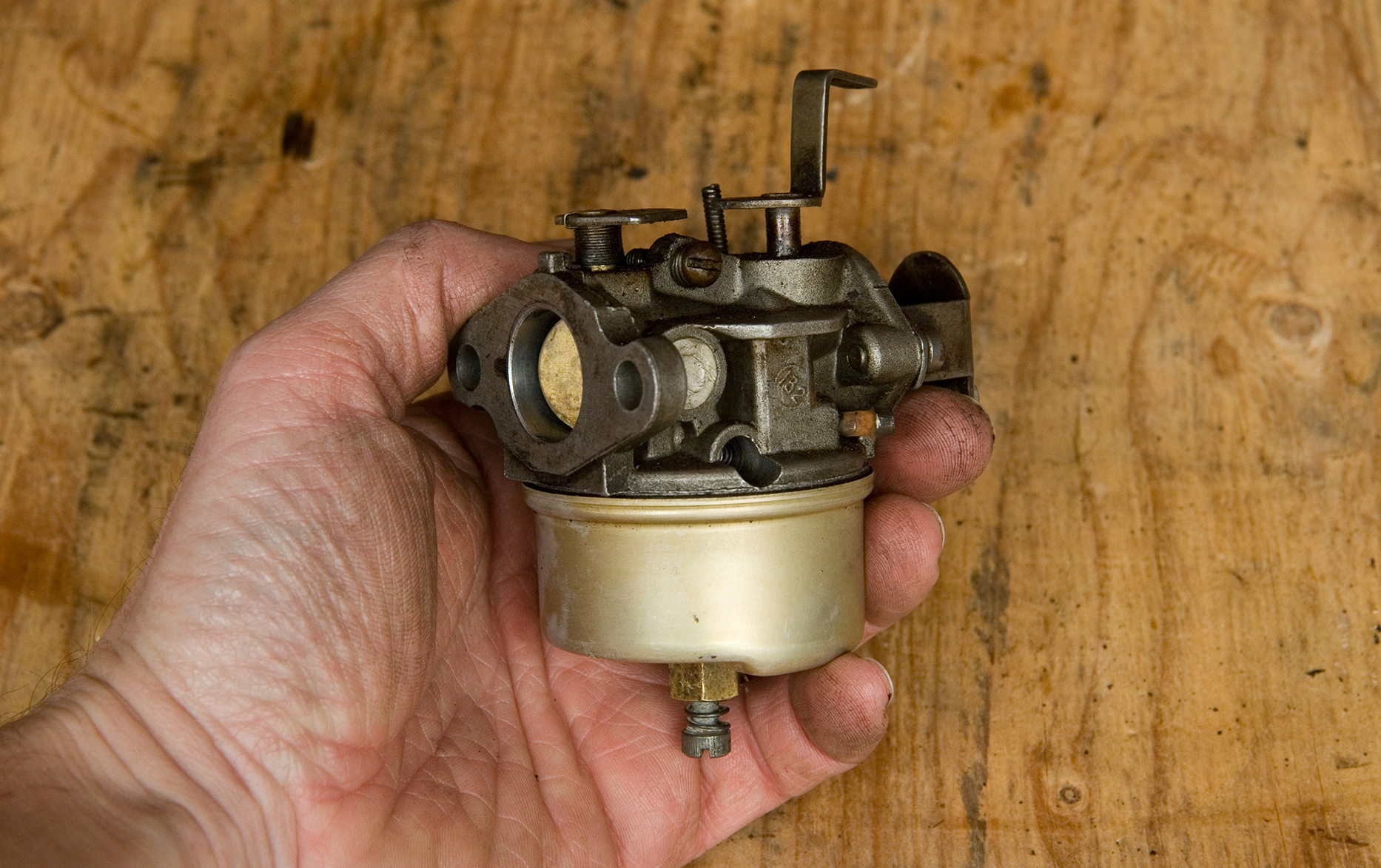
A dirty carburetor ruins the air-fuel mix, especially when the engine is working hard. Old fuel leaves varnish that clogs jets and passages. Remove the bowl and look for debris or sticky float movement. If your carb has a flexible diaphragm, skip standard carb cleaners since they damage rubber.
Use ChemTool B-12 or another diaphragm-safe cleaner to flush the system. For heavy buildup, disassemble and soak non-rubber parts. Rebuild kits are available if gaskets or the bowl seal are shot. Reinstall with fresh fuel and test.
Fix Backfire During Deceleration
Slow Your Throttle Release
Backfire during fast throttle-down is common in small engines. Rapid deceleration creates a brief rich condition in the intake, igniting unburned fuel. The simplest fix is to ease off the throttle gradually instead of letting it snap shut. Many users eliminate the pop completely by releasing the throttle slowly.
If the issue lingers, check the throttle return spring. An overly strong spring closes the throttle too fast. Replace it or add a small rubber bumper to slow the throttle plate’s movement.
Verify Ignition Timing
Improper ignition timing can cause backfire during deceleration, though it’s rare in small engines. If the spark fires too late, combustion spills into the exhaust stroke. Most snow blower engines have fixed timing, so this usually only happens after improper flywheel work.
If you recently pulled the flywheel for recoil repair, check the flywheel key alignment. A sheared or misaligned key shifts timing and causes backfire. Replace the key and reassemble carefully.
Solve Afterfire After Shutdown
Stop Fuel Leaking into the Exhaust
Afterfire means unburned fuel reaches the hot muffler after shutdown. The carburetor isn’t sealing fuel flow completely, and the usual suspect is a stuck or leaking needle valve. When the engine stops, fuel should stop too. If the needle doesn’t seat, fuel drips into the intake and gets pulled into the exhaust.
Remove the carb and inspect the needle, seat, and float. Clean or replace parts as needed. This repair requires precision since fuel leaks create fire risk.
Check the Float Condition
A stuck or waterlogged float keeps the needle valve from closing. Remove the float and shake it. Any sloshing inside means it’s cracked and holding fuel. Replace it. Also confirm the float level matches your model’s specs. An overfilled bowl causes post-shutdown leakage and afterfire.
Switch to Ethanol-Free Fuel
Ethanol-blended gas attracts moisture, breaks down fast, and leaves gum that wrecks carb function. This dramatically increases afterfire risk. Use ethanol-free premium gas whenever you can find it. If unavailable, add a quality fuel stabilizer and never let gas sit more than 30 days.
Drain old fuel before storage and refill with fresh mix. Degraded fuel is a leading cause of erratic carb behavior and post-shutdown pops.
Perform Critical Maintenance Tasks
Replace the Spark Plug
A weak or fouled plug causes misfires that trigger backfire. Pull the plug and check its color. White or light gray means the engine runs lean, often from air leaks or fuel restrictions. Black and sooty means a rich mixture, usually from a dirty air filter or leaking carb.
Replace the plug annually or at the first sign of wear. Use the correct heat range and gap from your manual. A strong, consistent spark ensures complete combustion and cuts backfire risk.
Clean or Replace the Air Filter
A clogged filter chokes airflow and creates a rich mixture that backfires. Remove the filter and inspect it. Foam filters wash with soapy water and air dry. Paper filters get replaced when dirty or damp.
Make sure the filter housing seals tightly. Air leaks bypass the filter and cause lean running, which burns hotter and slower, raising backfire chances in the intake.
Flush the Fuel System
Old fuel oxidizes, forms gum, and clogs passages. Drain the tank and carb bowl at season’s end. If you store with fuel inside, add stabilizer and run the engine 5 minutes to circulate it.
For active backfire issues, drain all old fuel and refill with fresh ethanol-free gas. Add a fuel system cleaner like ChemTool B-12 to flush varnish from lines and carb. Avoid harsh solvents if your carb has rubber diaphragms.
Prevent Future Snow Blower Backfire
Store Fuel the Right Way
Prevention starts at the gas can. Never use fuel older than 30 days. Ethanol-free gas lasts longer but still degrades over time. For long storage, either drain the fuel system completely or fill the tank and add stabilizer.
A full tank reduces air space and minimizes condensation. Run the engine briefly after adding stabilizer so treated fuel reaches the carb and coats internal parts.
Run the Engine Weekly During Storage
If your snow blower sits in the garage all summer, run it for 5 to 10 minutes once a week. This keeps seals lubricated, burns off moisture, and prevents fuel from settling into gum. It helps a lot when ethanol-free fuel isn’t available.
Work in a well-ventilated space and never run the engine indoors. Point a fan toward an open door or window if needed.
Inspect the Governor and Fuel Valve Annually
Before each season, check the governor linkage for smooth movement. Lubricate pivot points with light oil. Verify the pet cock opens fully and delivers strong flow. Replace any undersized or corroded valves.
If your model has a known issue like an undersized pet cock, consider upgrading to a high-flow version. This small change can prevent load-related stalling and backfire for good.
When to Call a Professional
Recognize Your Limits
If backfire continues after trying the fixes above, consult a Briggs & Stratton service dealer or authorized technician. They have access to technical bulletins, OEM parts, and diagnostic tools. Some backfire conditions are design-related and may need factory updates.
Persistent afterfire with fuel smells or visible leaks should always go to a pro. Fuel system repairs involve fire risk and require precision.
Use Warranty Coverage
If your snow blower is new and backfires under load, the issue may be a manufacturing defect like an undersized fuel valve. One repair case showed this problem only appeared after several uses. Contact the manufacturer or dealer, since your unit may still be under warranty.
OEM dealers can also check for service bulletins tied to your exact model. Some brands issue updates for known fuel or governor issues that resolve persistent backfire for free.
Frequently Asked Questions About Snow Blower Backfire
Will backfire damage my snow blower engine?
No. Backfire through the carburetor will not harm your engine at all, according to manufacturer documentation. It sounds alarming but is generally a symptom rather than a cause of damage. However, frequent backfire that causes stalling under load points to underlying issues worth fixing.
What’s the difference between backfire and afterfire?
Backfire occurs while the engine runs or shuts down, often as a loud pop from the intake. Afterfire happens after the engine stops, with small pops in the muffler as leftover fuel ignites. Both are typically fuel-related but require different diagnostic approaches.
Why does my snow blower backfire and stall in deep snow?
This usually means fuel starvation under load. The engine demands more fuel when the auger hits heavy snow, and the supply can’t keep up. Common culprits include an undersized pet cock, clogged fuel filter, gummed carburetor, or seized governor that can’t open the throttle properly.
Can old fuel cause snow blower backfire?
Yes. Old fuel breaks down, forms gum, and clogs carburetor passages. This disrupts the air-fuel mix and triggers backfire. Always drain fuel older than 30 days and refill with fresh ethanol-free gas. Add stabilizer if you store the machine with fuel inside.
Should I try to fix backfire myself or call a repair shop?
Start with basic maintenance like fresh fuel, spark plug replacement, and air filter cleaning. If backfire continues or causes repeated stalling under load, consult a Briggs & Stratton service dealer or authorized technician. Fuel system repairs carry fire risk and may need professional precision.
Key Takeaways for Fixing Snow Blower Backfire
Snow blower backfire is almost always fixable with basic maintenance and targeted repairs. Focus your troubleshooting on fuel quality, carburetor cleanliness, governor function, and spark plug condition. For load-related stalling, check fuel flow and pet cock size carefully, since an undersized valve is a hidden cause many owners miss.
Prevent future problems with ethanol-free fuel, fuel stabilizer, and seasonal inspections. Run the engine weekly during off-season storage to keep seals lubricated and fuel fresh. Address even small backfire issues early, before they lead to stalling in the middle of a storm.
Your next step: Pick one maintenance task from this guide, like draining old fuel or replacing the spark plug, and do it today. A 15-minute tune-up now can save you from a frustrating breakdown when the next blizzard hits.