Spring is the most critical time to revive your lawn after months of winter dormancy. If you’re wondering how to prepare lawn for spring, you’re not alone. Many homeowners face patchy grass, weeds, and compacted soil once the snow melts. The good news is that a few strategic steps can transform a tired, uneven yard into a lush, green carpet.
This guide walks you through the exact process used by real homeowners with proven products and timing tips. From cleaning up debris to seeding and fertilizing, you’ll learn how to set your lawn up for long-term health, starting with the soil.
Clean Up Winter Debris First
Before any treatment, clear your lawn of leftover winter mess. Leaves, twigs, and trash trap moisture and block sunlight, slowing grass recovery. Raking thoroughly also removes dead grass (thatch) and encourages new growth.
Use a stiff metal rake to aggressively loosen matted areas. Think of it like exfoliating your skin. Removing the old allows the new to thrive. After raking, bag all debris. For faster cleanup, mow your lawn at the lowest setting to cut down dead foliage and make hidden debris visible.
Pro Tip: Skip leaf cleanup in fall? Expect more work in spring. A neglected yard needs extra attention now to prevent mold and pests.
Test Soil Temperature Before Applying Products
Timing matters significantly when learning how to prepare lawn for spring. Applying products too early, when soil is still cold, wastes effort and materials. Jonathan Green recommends waiting until soil reaches about 55°F, which usually happens when daytime air temperatures stay consistently in the 60s for several days.
Use a soil thermometer for accuracy. Insert it 2-3 inches into the ground in a sunny spot. Check it twice daily for a few days to confirm stability. In northern regions like Chicago, this often happens in mid- to late April.
Important: Never apply fertilizer or seed on cold, wet soil. It won’t activate and may wash away, wasting your investment.
Aerate Compacted Soil
Winter foot traffic and freezing-thawing cycles compact soil, making it hard for roots to breathe or absorb water. If your lawn feels hard or puddles after rain, it’s time to aerate.
Use a core aerator (rentable at garden centers) to pull small plugs from the ground. Run it over your lawn in two directions. Go north to south first, then east to west for full coverage. Leave the soil plugs on the surface. They’ll break down naturally.
Aeration improves oxygen flow and prepares the ground to accept seed and nutrients. It’s especially crucial if you have heavy clay soil or high foot traffic areas.
Apply Soil Conditioner for pH Balance

Healthy grass starts with healthy soil. If your soil is acidic (common in many regions), it can’t absorb nutrients efficiently. That’s where a soil conditioner like Mag-i-cal Plus helps.
This product raises pH and loosens compacted soil so roots can grow deep. Apply it with a broadcast spreader. Never apply by hand. Using a spreader ensures even distribution, similar to painting a wall with a brush instead of your hands.
Application Steps:
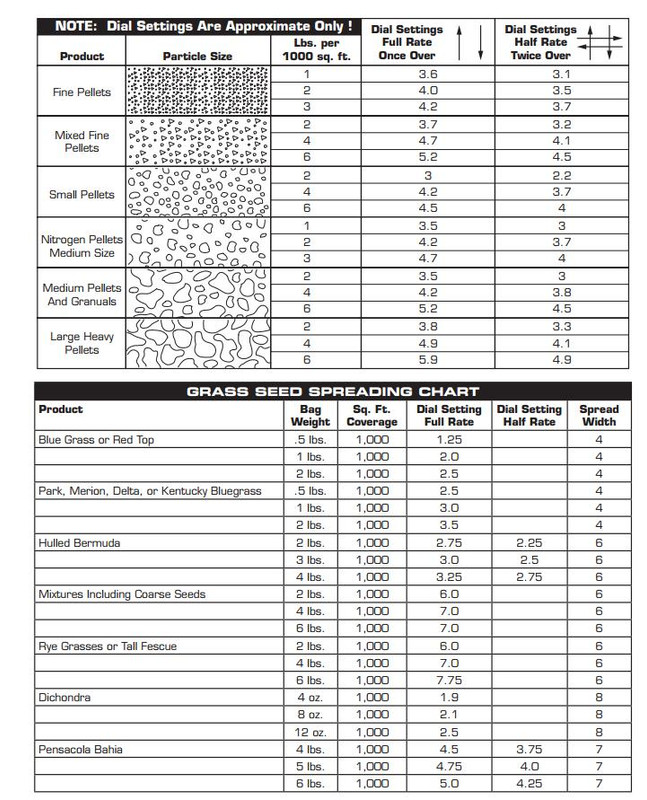
- Set spreader to level 5 (or as directed on product label)
- Start at the edges, then work inward in overlapping passes
- Water lightly after application to activate
Best Time: Apply on dry soil, same day as fertilizing but before seeding.
Fertilize for Strong Root Development
Once soil is conditioned, feed your lawn with a starter fertilizer rich in phosphorus, which promotes root development. Use Green Up for Seeding and Sodding if you’re overseeding. It’s safe to apply the same day as soil conditioner.
Fertilizing Steps:
- Fill spreader with fertilizer
- Set to recommended setting (check bag)
- Spread evenly in overlapping lines
- Avoid overlapping too much to prevent burn
Fertilizing now gives emerging grass a nutrient boost, helping it outcompete weeds later in the season.
Common Mistake: Using a weed-and-feed too early. It can kill new grass seedlings. Wait at least 6 weeks after seeding before applying any weed control.
Overseed Bare and Thin Spots
Now’s the time to fill in dead patches and thicken sparse areas. Choose a high-quality seed like Black Beauty Ultra, which thrives in both sun and shade.
Seeding Tips:
- Use a spreader: Apply half the seed walking north-south, the other half east-west
- Lightly rake seed into soil (about 1/4 inch deep)
- Walk over seeded areas or use a roller to ensure seed-to-soil contact
- Hand-sow extra seed on stubborn bare spots
Grass seed must touch soil to germinate. Covering it too deeply or leaving it on the surface reduces success dramatically.
Germination Time: Most cool-season grasses sprout in 7-14 days with consistent moisture.
Water Daily for Three Weeks
After seeding, moisture is non-negotiable. Water every day, twice daily in hot or windy weather, to keep the top inch of soil damp.
Watering Guidelines:
- Use a sprinkler system or oscillating sprinkler
- Water in the morning to reduce evaporation
- Avoid overwatering, which can wash away seed
- Continue daily watering until new grass reaches 2 inches tall
Once grass reaches 2 inches, transition to deep, less frequent watering to encourage root growth.
Pro Tip: Turn your outdoor water back on before starting. Check spigots for leaks and ensure hoses are functional.
Control Weeds After Six Weeks
Weed prevention is a delayed step. Applying weed killer too soon, especially after seeding, can kill your new grass.
Wait 5-6 weeks after seeding before using a product like Jonathan Green Lawn Weed Control. This gives new grass time to establish strong roots.
When applying weed control:
- Apply to damp soil (not dry or soaking wet)
- Spot-treat weed-heavy areas instead of entire lawn
- Use spreader for even application
Never use pre-emergent herbicides before seeding. They prevent all seeds from sprouting, including grass.
Mow Correctly to Encourage Growth
Once new grass hits 3 inches tall, it’s time to mow. But cut no more than one-third of the blade height at a time.
Mowing Best Practices:
- Use sharp mower blades to avoid tearing grass
- Mow in alternating directions to prevent soil compaction
- Leave clippings on the lawn. They return nutrients to the soil.
Early mowing promotes lateral growth, making your lawn denser and more weed-resistant.
Mowing Rule: Taller is better in spring. Keep grass 2.5 to 3.5 inches high to shade out weeds.
Prevent Future Lawn Problems
A strong start prevents headaches later. Follow these habits to keep your lawn healthy all season:
Year-Round Maintenance:
- Dethatch annually if layer exceeds 1/2 inch
- Sharpen mower blades every 20-25 hours of use
- Rotate sprinkler zones to avoid overwatering
- Avoid walking on wet grass to reduce compaction
Also, keep an eye out for grubs or fungal spots. Early detection means easier fixes.
Choose the Right Lawn Care Products
Not all lawn products are equal. Jonathan Green focuses on soil-first solutions, not just quick fixes. Their family-developed formulas address root causes like acidity and compaction.
Where to Buy:
- Local garden centers
- Independent hardware stores
- Use their store locator online
Why It Works: Building healthy soil means fewer weeds, less fertilizer needed, and a lawn that withstands drought and disease.
Watch the Spring Lawn Prep Process
Want to see it in action? Finn and Casey documented their entire spring lawn prep in a step-by-step video. From raking to seeding, it shows real-time results and common mistakes to avoid. Watch it on YouTube to visualize each stage before you begin.
Track Your Lawn’s Progress
Take “before” photos now. Compare them to shots in 4, 8, and 12 weeks to see improvement. You’ll be surprised how fast consistent care pays off.
Casey noticed visible improvement just from cleaning up, even before seeding. That’s how much impact simple prep has.
Plan a follow-up in summer or fall to assess root depth, color, and weed resistance.
Frequently Asked Questions About Spring Lawn Preparation
When should I start preparing my lawn for spring?
Wait until soil temperature reaches approximately 55°F, which typically happens when daytime temperatures consistently stay in the 60s for several days. Using a soil thermometer inserted 2-3 inches into the ground gives you the most accurate reading.
Can I apply fertilizer and grass seed on the same day?
Yes, you can apply soil conditioner and starter fertilizer on the same day. However, wait 5-6 weeks after seeding before applying any weed control products to avoid killing new grass seedlings.
How often should I water after seeding my lawn?
Water daily, sometimes twice daily in hot or windy weather, to keep the top inch of soil moist. Continue this routine until new grass reaches about 2 inches tall, then switch to deeper, less frequent watering.
What happens if I apply weed control too early?
Applying weed control too soon after seeding can kill your new grass seedlings. Wait at least 5-6 weeks until the new grass has established strong roots before using any herbicide products.
Why is soil health important for lawn preparation?
Healthy soil with the right pH level absorbs nutrients more efficiently. Products that address soil issues first, like pH balancers and conditioners, lead to longer-lasting results than quick fixes that only target surface problems.
Key Takeaways for Preparing Your Lawn This Spring
Preparing your lawn for spring isn’t complicated, but it is time-sensitive. By cleaning, aerating, feeding, and seeding at the right time, you set your lawn up for a season of thick, green growth.
The most important steps are waiting for soil to reach 55°F before applying any products, using a spreader for even application, and maintaining consistent moisture for the first three weeks after seeding. Skipping the cleanup or applying products too early are the most common mistakes that waste time and money.
Start when soil hits 55°F, focus on soil health with conditioners and fertilizers, and water consistently. In a few weeks, you’ll have a yard that’s not just beautiful, but resilient. Now’s the time. Get outside and give your lawn the spring revival it deserves.