Is your lawn thin, patchy, or overrun with weeds? If more than half your turf is unwanted growth or bare soil, it might be time to start fresh. Reseeding a lawn completely replaces old grass by planting new seed on bare soil, and it is the most effective way to restore a lush, resilient yard. Unlike overseeding, which fills in gaps in existing grass, reseeding means starting over. And the key to success? Timing.
Knowing when to reseed lawn can mean the difference between a thriving green carpet and a failed effort. Plant too early or too late, and your seedlings may not survive frost, heat, or drought. This guide breaks down exactly when and how to reseed for maximum results, with science-backed timing, region-specific tips, and step-by-step care.
Cool-Season Lawns: Reseed in Early Fall
For northern lawns and transition zones, early fall is the prime reseeding time. Grasses like Kentucky bluegrass, tall fescue, and perennial ryegrass thrive when seeded between mid-August and early October. This window offers the perfect balance of warm soil and cool air, ideal conditions for fast germination and strong root development before winter.
Why Fall Beats Spring
Fall provides four key advantages over spring reseeding.
• Soil is warm, speeding up seed germination. The optimal range is 50 to 80 degrees Fahrenheit.
• Air is cooler, reducing stress on young seedlings.
• Weed pressure drops as summer annuals die off.
• No pre-emergent herbicide conflict exists. Spring-applied crabgrass preventers have broken down by fall.
Start at least 45 days before the first expected frost. This gives roots time to anchor before cold dormancy.
Spring Reseeding: A Backup Option
If fall is not possible, early spring works but with trade-offs.
• You must avoid pre-emergent herbicides for at least 30 days after seeding.
• Summer heat arrives quickly, stressing immature grass.
• Weed competition increases as temperatures rise.
Use mesotrione-based products if you need crabgrass control. These are safe for new cool-season seedlings.
Warm-Season Grasses: Reseed Late Spring to Early Summer

If you are in the South or Southwest, your lawn likely runs on heat-loving grasses like Bermuda, Zoysia, or Bahia. These varieties must be reseeded in late spring to early summer, once soil temperatures exceed 65 degrees Fahrenheit and stay warm.
Ideal Seeding Window
Begin when soil temps hit 65 degrees Fahrenheit at 4-inch depth for three consecutive days. Aim to finish at least 90 to 120 days before first frost so grass establishes strong roots. In regions like Florida or Texas, May to July is often the safest bet.
Never reseed warm-season grasses in fall or winter. Cold soil halts germination, and short daylight hours prevent growth.
Grass-Specific Germination Needs
Different warm-season grasses have different requirements.
• Bermuda grass needs 70 to 90 degree soil temperature and takes 14 to 30 days to germinate. It is a fast spreader once established.
• Zoysia prefers 65 to 85 degree soil and germinates in 14 to 21 days. It has a slow start but becomes low-maintenance later.
• Bahia needs soil at 65 degrees or warmer and takes 21 to 30 days to germinate. It is drought-tolerant but has a coarse texture.
Even after sprouting, seedlings need 6 to 8 weeks of consistent care to survive foot traffic and dry spells.
When NOT to Reseed Your Lawn
Timing mistakes are the top reason reseeding fails. Avoid these high-risk periods.
Avoid Summer Reseeding
High temperatures above 85 degrees Fahrenheit increase evaporation and stress seedlings. Drought conditions make daily watering a challenge. Weeds like crabgrass outcompete slow-growing grass.
Only attempt summer reseeding in emergencies, such as after disease or construction damage, and only with aggressive irrigation.
Avoid Winter Reseeding
Frozen or cold soil prevents germination. Short daylight hours limit photosynthesis. Snow cover blocks light and traps moisture, promoting rot.
Avoid Right After Herbicide Use
Wait at least 2 weeks after glyphosate application before reseeding. Premature seeding risks chemical interference with root development.
Spray herbicide in the morning on a calm, dry day at 65 to 85 degrees Fahrenheit, then wait 14 days before tilling or seeding.
Soil Temperature Is the Real Indicator
Air temperature can be misleading. The true signal for reseeding is soil temperature, the underground heat that triggers seed metabolism.
How to Check Soil Temp
Use a digital soil thermometer. Insert the probe 2 to 6 inches deep, which is the root zone. Measure early morning for 3 to 5 days. Average the readings.
Target Ranges by Grass Type
Cool-season grasses need minimum 50 degrees Fahrenheit, with an ideal range of 50 to 80 degrees. Warm-season grasses require minimum 65 degrees Fahrenheit, with an ideal range of 70 to 90 degrees.
In northern zones, soil hits 50 degrees by mid-spring and stays warm through fall. For warm-season areas, use apps like Yard Mastery to track real-time soil temperatures.
Step-by-Step Reseeding Process That Works
Follow these steps to transform a failing lawn into dense, healthy turf.
Assess Lawn Health First
Before reseeding, determine if more than 50 percent of the lawn is weeds or bare. Also check if the current grass variety is unsuitable for sun, soil, or foot traffic.
If yes, reseeding is the best choice. If not, consider overseeding instead.
Kill Existing Vegetation
Apply non-selective herbicide like glyphosate during active growth. Spray in morning hours, 24 hours before rain. Wait 14 days for full die-off before moving to the next step.
Do not till immediately. This brings buried weed seeds to the surface.
Prepare the Soil
Remove dead grass and debris with a rake. Aerate compacted soil to improve water and oxygen flow. Dethatch if the layer is thicker than one-half inch. Add one-half inch of compost or topsoil to enrich nutrients. Rake smooth to create a loose, level seedbed.
Power seeding, also called slit seeding, is the pro method. It cuts grooves and drops seed directly into soil for superior contact.
Choose the Right Grass Seed
Pick a variety that matches your climate zone, sun exposure, foot traffic level, and maintenance goals.
For shade lawns, use fine fescue plus perennial ryegrass. For high traffic areas, choose tall fescue plus Kentucky bluegrass. For low maintenance, select turf-type tall fescue, which is drought-tolerant with deep roots.
Spread Seed Evenly
Use a broadcast or drop spreader. Follow the package rate, usually 4 to 6 pounds per 1,000 square feet for cool-season grasses. Lightly rake or roll to cover seed one-fourth inch deep. Ensure seed-to-soil contact, which is critical for germination.
Water Daily Until Established
Moisture is non-negotiable. New seedlings have shallow roots and dry out fast.
Germination Phase
Water daily, sometimes 2 to 3 times per day. Keep soil consistently moist, not soggy. Use oscillating or soaker hoses for even coverage.
Water early morning to reduce evaporation and fungal risk.
After Germination
Reduce frequency to every 2 to 3 days. Increase depth to encourage root growth. Continue for 6 to 8 weeks until grass is well-established.
Fertilize for Strong Roots
Apply starter fertilizer like 10-20-10 at seeding time. High phosphorus supports root development. Avoid products with pre-emergent herbicides unless labeled safe.
Reapply after 6 to 8 weeks if growth is slow.
Mow Only When Ready
Wait until grass reaches 3 to 3.5 inches tall, which is usually 4 to 6 weeks. For the first mow, never cut more than one-third of blade height. Use sharp blades to avoid tearing young grass.
No foot traffic is allowed during the first 4 weeks.
Warm-Season Lawns: Skip Seeding, Use Sod or Plugs
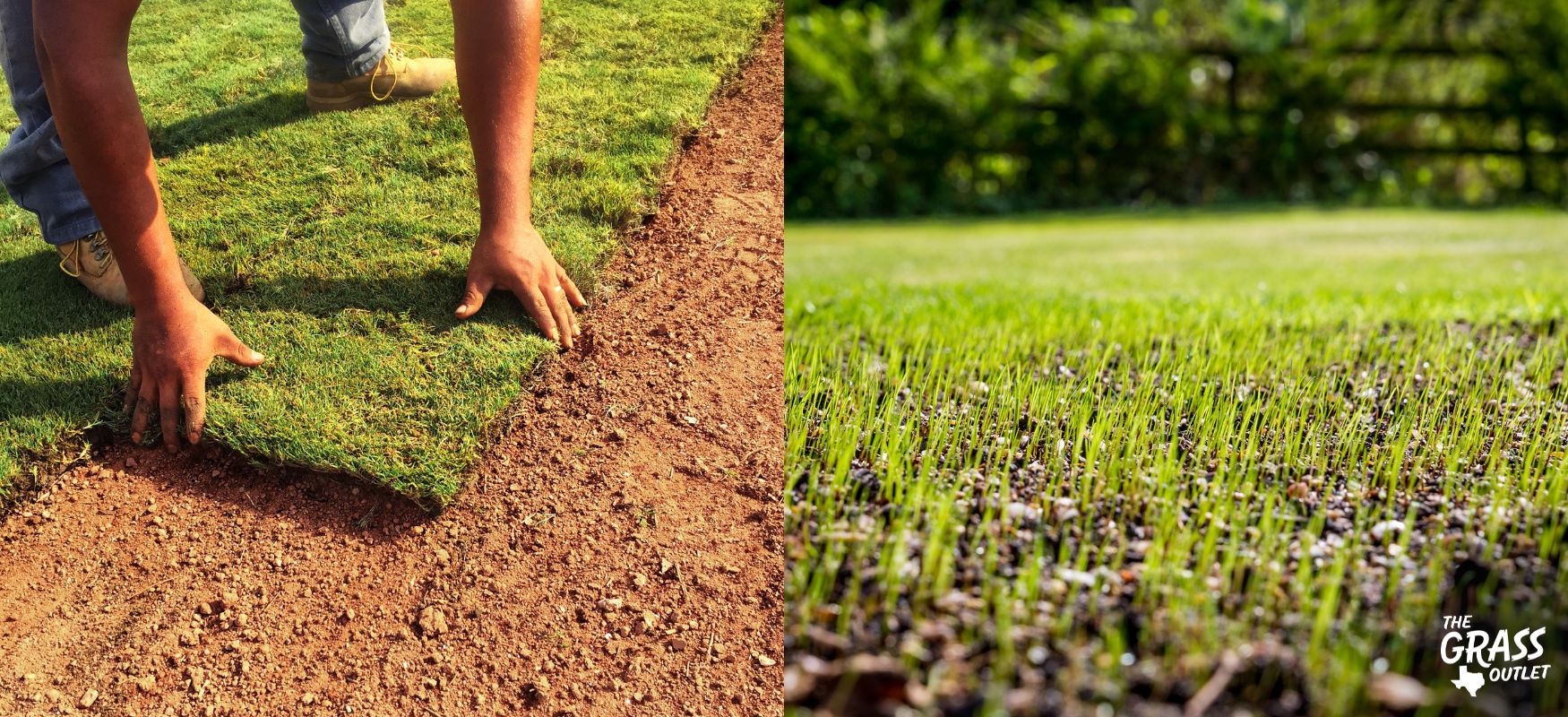
Seeding warm-season lawns from scratch rarely works. Bermuda and Zoysia are slow to establish, and weeds easily take over. St. Augustine does not even have viable commercial seed.
Better Alternatives
Sod provides instant results. It lays down full coverage immediately. Roots establish in 2 to 3 weeks with proper watering. You can use post-emergent herbicides sooner. It is DIY-friendly with prep work.
Plugs are budget-friendly. Plant them every 18 to 24 inches. They spread naturally via stolons and rhizomes. This allows targeted weed control between plants.
Fertilize with 24-0-6 plus iron to boost spread and color.
Avoid These Common Reseeding Mistakes
Many failures stem from avoidable errors.
Seeding too late risks frost killing seedlings. Fix this by reseeding 45 or more days before frost.
Skipping aeration causes poor seed contact and low germination. Fix this by core aerating before seeding.
Inconsistent watering causes seeds to dry out and die. Fix this by using timer-controlled sprinklers.
Mowing too soon damages young grass. Wait until grass is 3 or more inches tall.
Using pre-emergent too early kills new grass. Wait until after the second mow.
Using the wrong grass type creates a thin, weak lawn. Match seed to climate and sun.
Regional Reseeding Guide
Northern U.S. lawns should be reseeded August through October with cool-season grasses. The transition zone works best in early September with both types, chosen carefully. Southern U.S. lawns need April through June with warm-season grasses. Coastal South areas like Florida and the Gulf Coast should reseed May through July to avoid cold snaps.
Check your first and last frost dates online to calculate your safe window.
Tools You Will Need
Having the right tools makes reseeding easier.
A lawn mower cuts grass short before killing. A sprayer applies glyphosate evenly. A rake clears debris and levels soil. An aerator improves soil structure. A dethatcher removes thick thatch. A spreader distributes seed uniformly. A soil thermometer confirms planting temperature. A sprinkler provides consistent moisture. A roller optionally presses seed into soil.
Consider renting a power seeder for large lawns. It gives better germination and less waste.
DIY vs. Hiring a Pro
DIY costs less since you only pay for materials. However, you have limited equipment and it takes several weekends.
Professionals charge more for labor and equipment but complete the job in 1 to 2 days. They have access to slit seeders and power rakes. Call a pro if soil is compacted, thatch is thick, or you are unsure about grass type.
Frequently Asked Questions About When to Reseed Lawn
What is the best month to reseed a cool-season lawn?
The best month is typically September for cool-season grasses. Mid-August through early October provides the ideal conditions of warm soil and cool air.
Can I reseed my lawn in the spring?
Yes, but with caution. Early spring works as a backup option. You must avoid pre-emergent herbicides for at least 30 days after seeding. Expect increased weed competition and summer heat stress.
How do I know if soil temperature is right for seeding?
Use a digital soil thermometer. Insert it 2 to 6 inches deep. Take readings early morning for 3 to 5 days. Average the results. Cool-season needs 50 to 80 degrees. Warm-season needs 70 to 90 degrees.
What happens if I reseed too late?
Seeding too late means seedlings do not establish before frost. Roots cannot anchor properly. The lawn will likely fail and need reseeding next season.
Should I reseed warm-season grasses like Bermuda?
For new lawns, no. Seeding warm-season grasses from scratch has a high failure rate. Use sod or plugs instead for reliable results.
How long does it take for reseeded grass to fully establish?
It depends on the grass type. Perennial ryegrass establishes in 4 to 6 weeks. Kentucky bluegrass takes 2 to 3 months. Full density may take 2 to 3 years with proper care.
Key Takeaways for Reseeding Your Lawn Successfully
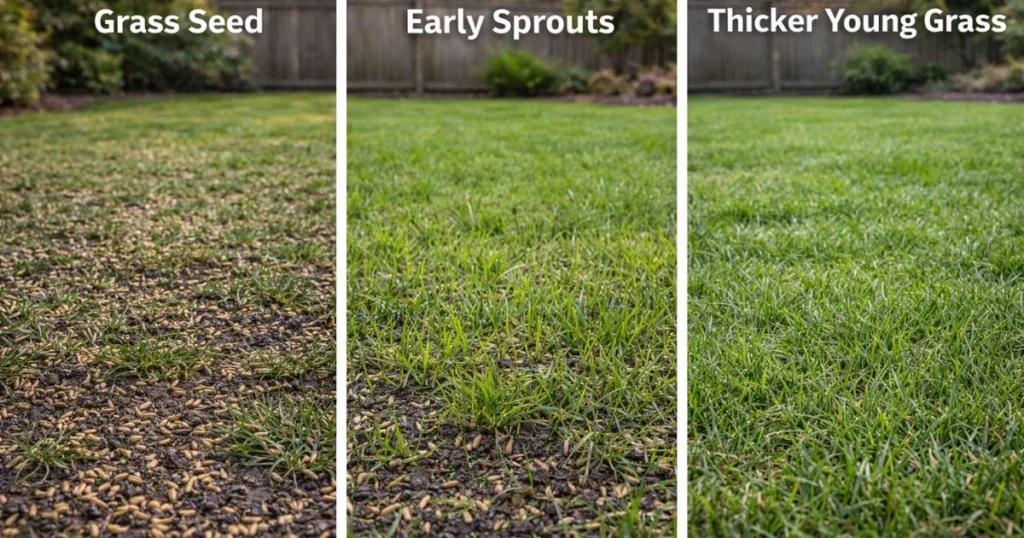
The best time to reseed lawn depends on your grass type. Cool-season grasses need early fall, while warm-season grasses require late spring to early summer. Always check soil temperature before planting. Use a thermometer to confirm 50 to 80 degrees for cool-season or above 65 degrees for warm-season.
Preparation matters as much as timing. Kill existing vegetation with glyphosate, then wait 14 days before seeding. Aerate, dethatch, and add compost to create the ideal seedbed. Ensure proper seed-to-soil contact by raking or rolling after spreading.
Consistent care after seeding determines success. Water daily until germination, then reduce frequency but increase depth. Avoid walking on new seedlings for at least 4 weeks. Mow only when grass reaches 3 inches or taller.
Start your reseeding project during the optimal window for your region, prepare the soil properly, and commit to regular watering. Doing this builds a thick, healthy lawn that lasts for years.