You’ve got a lush lawn, but weeds, pests, or nutrient deficiencies are creeping in. A lawn sprayer is your most efficient tool for tackling these problems whether you’re applying herbicides, fertilizers, or natural solutions. But simply filling it up and spraying won’t cut it. Improper use leads to streaks, over-application, chemical waste, or even lawn damage.
Knowing how to use a lawn sprayer correctly ensures even coverage, maximizes product effectiveness, and keeps you and your environment safe. This guide walks you through every step from setup and calibration to spraying techniques and cleanup, so you get professional results every time.
Prepare Your Sprayer and Solution
Before pressing the trigger, proper setup ensures smooth operation and accurate application. Taking a few minutes to prepare correctly prevents headaches later.
Add Concentrate Before Water
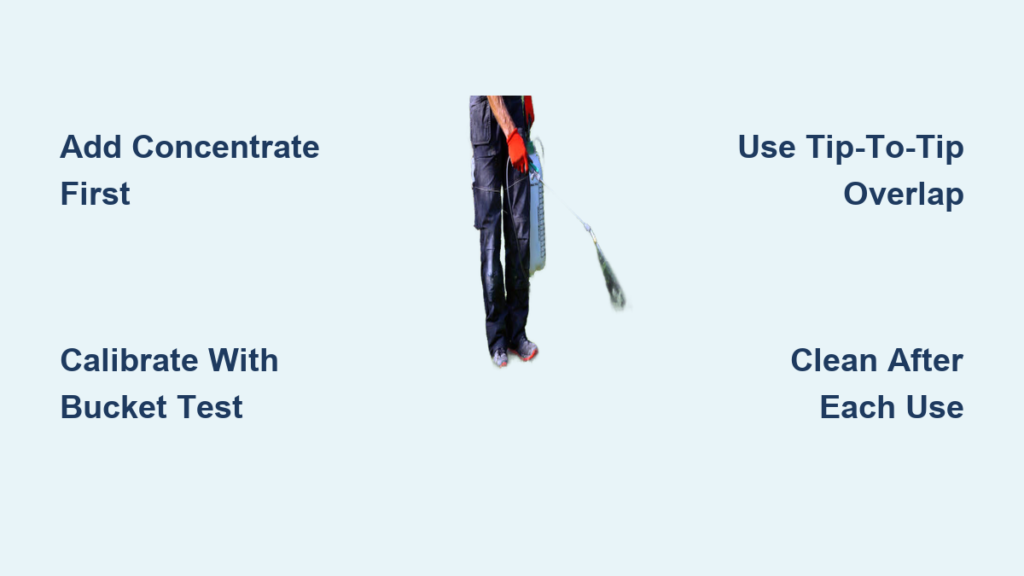
Always add the product concentrate before water to ensure proper dilution and prevent foaming. Pour the recommended amount of herbicide, fertilizer, or pesticide into the tank first. Then fill with clean water up to the max-fill line.
Using filtered or dechlorinated water prevents chemical reactions and nozzle clogs, especially if your product label recommends it. The suction tube should touch the bottom of the tank to draw out nearly all solution and minimize waste.
Secure All Components
Close the tank cap tightly until it clicks or locks into place. An improperly sealed lid leaks or fails to hold pressure. Connect all parts including the suction tube, hose, and wand using threaded fittings. Install the correct nozzle tip and ensure it is clean and unobstructed.
Build and Maintain Pressure
Proper pressurization ensures consistent spray output from start to finish. Without adequate pressure, your application becomes uneven and ineffective.
Pump Until You Feel Resistance
For manual pump sprayers, pump the handle 20 to 30 times until you feel firm resistance. Stop when it becomes hard to push. The tank is now pressurized. Do not force the handle beyond the resistance point.
Some models have a handle lock. Rotate it clockwise to lock the handle in place after pumping, allowing hands-free carrying. Battery-powered sprayers maintain pressure automatically, so no manual pumping is needed.
Calibrate for Accurate Coverage
Misapplication is the number one cause of lawn damage. Calibration ensures you apply the right amount per square foot without guessing.
Understand the 1,000-Square-Foot Rule
All liquid lawn products are labeled for 1,000 square feet of coverage. Fertilizer typically requires 12 to 18 fluid ounces per 1,000 square feet. Herbicides often need 1 to 3 ounces per 1,000 square feet. Only measure actual grass area, excluding driveways, patios, flower beds, and sidewalks.
Use a measuring app like Yard Mastery, a tape measure, or a hand-drawn map to calculate your lawn size accurately before mixing any product.
Perform the Bucket Test
Match your sprayer output to your lawn size with this simple test. Place a 64-ounce pitcher under the nozzle and set sprayer to low pressure. Spray into the pitcher and time how long it takes to fill. Repeat three times, then average the results.
For example, if the average time to spray 64 ounces is 47 seconds, then 128 ounces equals 94 seconds. You now know you have 94 seconds to cover 1,000 square feet at a steady walking pace. Use this timing to build muscle memory by practicing on pavement before spraying chemicals.
Choose the Right Nozzle for the Job
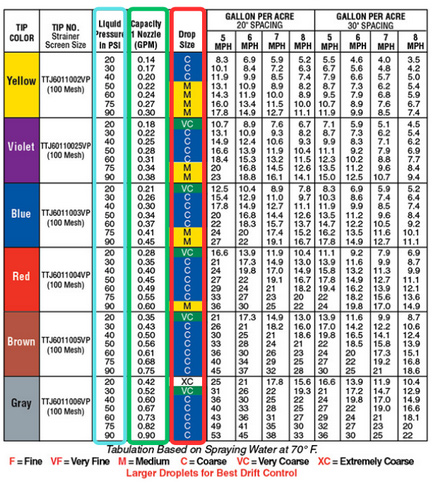
The nozzle controls droplet size and spread pattern, which is critical for precision and safety. Using the wrong nozzle leads to drift, poor coverage, or lawn damage.
Match Nozzle to Application
A fine mist nozzle works best for foliar sprays and herbicides applied to weed leaves. A wide angle flat fan nozzle provides general lawn coverage and penetrates the grass canopy effectively. A FloodJet with a large orifice targets soil treatments like pre-emergents and fertilizers that need watering in. An adjustable fan or stream nozzle offers versatile use, switching between targeted spot spray and broad coverage.
Avoid fine mist nozzles on windy days because they drift easily and can damage nearby plants. The TJet Turbo FloodJet delivers one gallon in about 94 seconds at low pressure, perfect for matching a natural walking pace.
Apply With Precision: Spraying Techniques
Even the best sprayer fails without proper technique. Follow these steps for flawless coverage that professional landscapers rely on.
Use the Blanket Spraying Method
Treat your lawn like a quilt, layering by layer for complete coverage. First, spray edges, sidewalks, and borders to define your treatment zone. Second, create a perimeter around the entire area. Third, spray the interior using tip-to-tip overlap where each spray pass just touches the edge of the last one.
Tip-to-tip overlap eliminates coverage gaps better than side-by-side passes. This method prevents streaks and missed spots that create uneven treatment.
Walk at a Steady, Calibrated Pace
Your walking speed must match your sprayer flow rate. Use a stopwatch during practice runs to establish consistency. At the halfway point of your lawn, you should have used half the tank.
Used more than half? You walked too slowly and over-applied. Used less than half? You walked too fast and under-applied. Practice with water first on a driveway to perfect your rhythm before using real chemicals.
Apply Multiple Passes for Maximum Effect
For fertilizers, pre-emergents, or soil treatments, apply three passes for best results. Make the first pass north to south. Make the second pass in the same direction for overlap. Make the third pass east to west, crosswise for full saturation.
Three passes ensures deep penetration, even distribution, and compensates for minor inconsistencies. If you consistently run out early or have leftover mix, adjust your water volume next time.
Stay Safe During Application
Chemicals, even natural ones, require caution. Protect yourself and your surroundings from accidental exposure.
Wear Full Protective Gear
Always wear nitrile or rubber gloves, long sleeves and pants, closed-toe shoes, and safety goggles. Even soapy water or Neem oil irritates skin and eyes.
Prevent Drift and Overspray
Spray only on calm, dry days with wind under 5 miles per hour. Use coarse droplet nozzles to reduce drift. Tilt the wand downward near garden beds to avoid off-target spray.
Wear polarized sunglasses to see wet areas and prevent double-spraying. This simple trick helps you apply exactly the right amount.
Release Pressure Before Opening the Tank
Never open the tank while it is pressurized. Pull the pressure release valve first. Wait until hissing stops. Then slowly unscrew the cap.
Keep your face and body away from the opening, especially when using potent herbicides like glyphosate. This built-in safety feature prevents sudden spraying, leaks, or injury.
Clean and Store Your Sprayer Properly
A dirty sprayer clogs, leaks, and contaminates future mixes. Clean it immediately after each use to maintain performance.
Flush the System Three Times
After use, fill the tank with clean water and spray it out completely. Repeat this process two more times. Residue causes clogs and degrades seals over time.
Disassemble and Clean Nozzles
Remove the wand, hose, and nozzle tips after each use. Soak them in warm water if clogged. Use a soft brush or pin to clear debris like dried chemicals or grass particles.
Models with detachable blue raindrop nozzles are easiest to clean. Regular maintenance extends your sprayer life significantly.
Store Empty and Upright
Always empty the tank before storage. Store it upright in a cool, dry place away from children and pets. Loosen the trigger lock if equipped to preserve seals.
Never store with solution inside because corrosion and clogs will follow. Proper storage ensures your sprayer is ready next season.
Advanced Tips for Better Results
Master the basics? Level up with these pro techniques that experienced users swear by.
Add Dye to Track Coverage
Mix in a drop of marking dye to see where you have sprayed, avoid overlap, and monitor fluid level. Use sparingly because dye stains concrete and clothing.
Practice With Water First
Before using real chemicals, fill your sprayer with clean water and practice on a driveway. Test walking speed, spray pattern, and overlap technique. This builds confidence and ensures precision.
Start With Low-Risk Treatments
Avoid highly concentrated products like Prodiamine 65 WDG until you have experience. Begin with mild solutions like RGS to build skill before tackling stronger chemicals.
Upgrade to Battery-Powered for Large Lawns
Battery sprayers maintain constant pressure and reduce hand fatigue, making them ideal for lawns over 4,000 square feet. Once you have mastered manual models, the switch feels natural and powerful.
Frequently Asked Questions About Using a Lawn Sprayer
How do I calculate my lawn size for sprayer calibration?
Measure only the grass area, excluding driveways, sidewalks, and flower beds. Use a measuring app like Yard Mastery, a tape measure, or draw a map with grid sections. Most products are labeled to cover 1,000 square feet, so divide your total grass area by 1,000 to determine how many gallons you need.
What happens if I use the wrong nozzle type?
Using a fine mist nozzle on a windy day causes drift, which damages nearby plants and wastes product. Using a coarse FloodJet for foliar sprays results in poor coverage because droplets bounce off leaves. Matching the nozzle to your application type ensures effective treatment.
How often should I clean my lawn sprayer?
Clean your sprayer immediately after every use to prevent residue buildup. Flush the system three times with clean water. Disassemble and soak nozzles if clogged. Regular cleaning prevents clogs, protects seals, and extends your sprayer life.
Can I use a lawn sprayer for organic or natural solutions?
Yes, lawn sprayers work perfectly for organic solutions like Neem oil, fish emulsion, Epsom salt sprays, and soapy water. The same calibration and technique apply whether you use synthetic chemicals or natural remedies. Always wear protective gear even with natural products.
Why does my sprayer lose pressure while I’m using it?
Manual pump sprayers lose pressure over time as the air escapes. Re pump the sprayer every 20 to 30 minutes during extended use. Battery-powered models maintain constant pressure automatically. Check for leaks in the hose, wand, or seal if pressure drops rapidly.
How do I prevent spray drift onto my garden beds?
Spray on calm days with wind under 5 miles per hour. Use coarse droplet nozzles that fall quickly rather than floating in the air. Tilt the wand downward when working near garden beds. Plan your application direction to drift away from sensitive plants.
Key Takeaways for Using a Lawn Sprayer
A lawn sprayer is a small investment with big returns, saving money, reducing plastic waste, and delivering precise, professional-grade results. With the right technique, calibration, and care, it becomes an essential extension of your lawn care routine.
Remember these critical points. Always add concentrate before water for proper mixing. Calibrate using the bucket test to determine your exact spray time per 1,000 square feet. Use tip-to-tip overlap and apply multiple passes for even coverage. Wear protective gear and release pressure before opening the tank. Clean immediately after each use and store empty and upright.
Master the sprayer, and you master your lawn. The skills you develop through proper technique translate to healthier grass, fewer weeds, and less wasted product. Start with water practice, then progress to low-risk treatments before tackling concentrated chemicals.