You’ve just finished clearing your driveway after a long snowfall, and now you need to shut down your Toro snow blower. But if you’ve ever pressed the stop switch only to have the engine keep sputtering, you know that turning off a gas-powered machine isn’t always as simple as flipping a switch. Learning how to turn off a Toro snow blower properly protects the engine, extends equipment life, and prevents dangerous malfunctions. This guide covers the correct shutdown sequence, common reasons your blower won’t turn off, and expert troubleshooting tips to keep your machine running smoothly all winter.
Locate the Engine Stop Switch on Your Toro Snow Blower
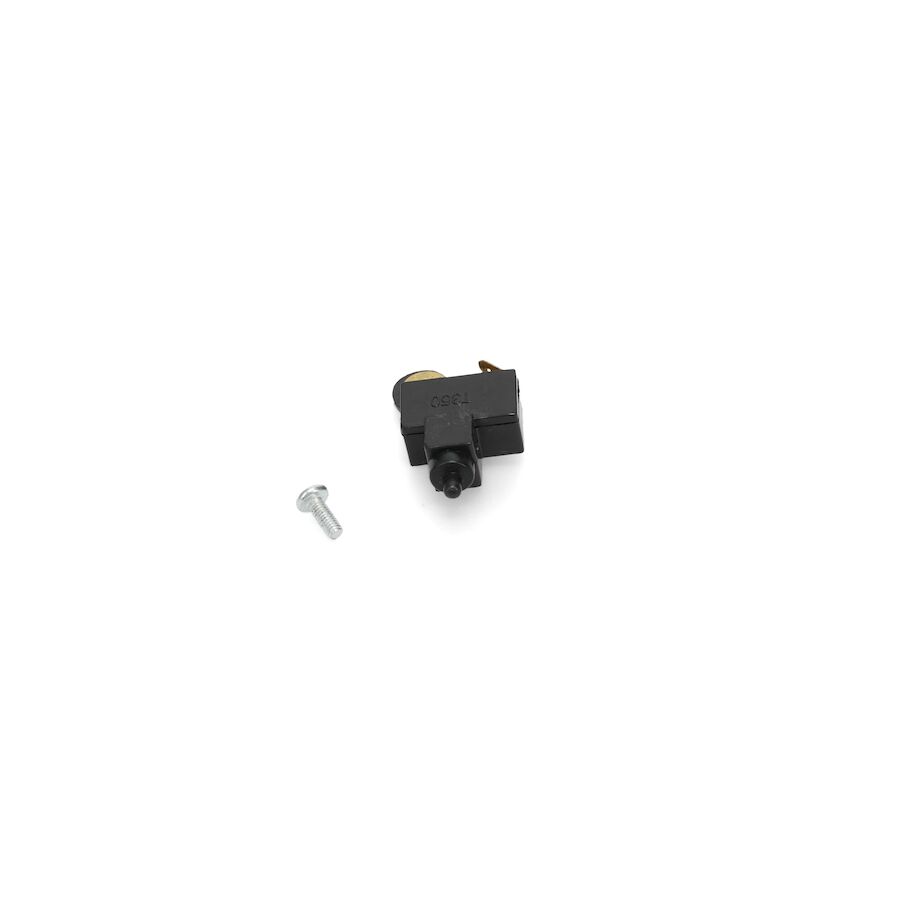
Every Toro snow blower has an engine stop switch, also called a kill switch, that cuts ignition and stops the engine.
Identify Your Stop Switch Type
Most Toro models use one of two common designs:
– Push-button stop switch: Press and hold until the engine fully shuts down.
– Toggle or lever switch: Flip to the “Off” position to stop ignition.
On electric-start models, the same switch often doubles as the ignition. The exact location varies by model, so check your owner’s manual for placement near the dash, handlebar, or control panel.
Follow the Proper Shutdown Technique
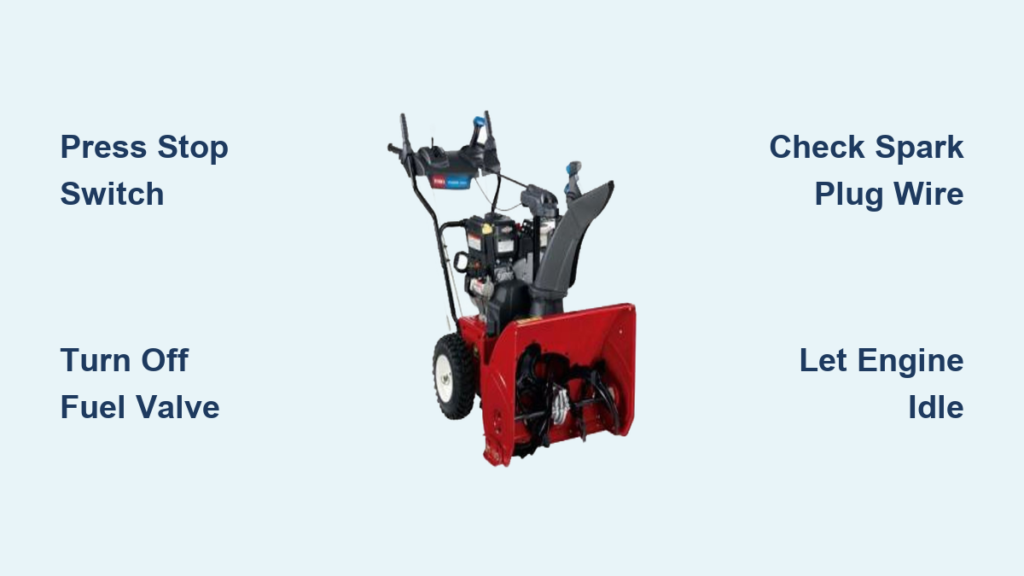
- Release the auger and drive controls completely.
- Let the engine idle for 30 seconds to cool slightly.
- Press and hold the stop switch for 2 to 3 seconds until the engine fully shuts down.
- Remove the ignition key if your model has one.
Pro Tip: Never pull the spark plug wire to stop the engine. This can damage wiring and create serious safety hazards.
Check the Ignition Key Position
If your Toro snow blower features electric start, it likely uses an ignition key to complete the starting circuit.
Turn the Key to the “Off” Position
After pressing the stop switch, rotate the key to “Off” and remove it. This prevents accidental cranking and unauthorized use, especially in households with children.
Watch for Common Key Switch Issues
- Key stuck in the “On” position: May indicate mechanical failure or debris in the keyhole.
- No response when turned: Often signals a faulty switch, loose wire, or weak battery.
Warning: Leaving the key in “On” after shutdown can drain the battery on electric-start models and increase fire risk if fuel leaks occur.
Inspect the Choke and Fuel Controls Before Shutdown
Improper fuel or choke settings can cause the engine to run erratically or refuse to shut down cleanly.
Return the Choke to “Off” Before Stopping
If you started the engine with the choke engaged, return it to “Run” or “Off” before shutdown. Running with the choke on during shutdown can flood the engine with fuel and cause hard restarts.
Shut Off the Fuel Valve if Equipped
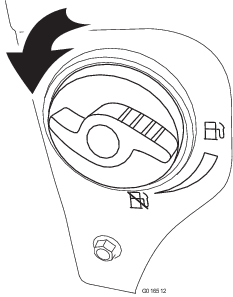
Many Toro snow blowers include a fuel shut-off valve near the base of the fuel tank.
Steps to Close the Fuel Valve:
- Locate the fuel valve near the carburetor or fuel line.
- Turn it to the “Off” position before stopping the engine.
- Let the engine run for 10 to 15 seconds to clear fuel from the carburetor.
- Then engage the stop switch.
Why This Matters: Shutting off fuel prevents gum and varnish buildup in the carburetor, reducing hard starts and unintended running after storage.
Why Won’t My Toro Snow Blower Turn Off?
Sometimes, even after following the correct steps, the engine keeps running or sputters instead of shutting down cleanly.
Faulty Stop Switch
A damaged or corroded stop switch may fail to send the signal that cuts ignition.
How to Diagnose:
- Use a multimeter to test continuity across the switch terminals.
- Inspect for loose wires, corrosion, or melted plastic around the switch.
- Replace the switch if no connection is detected when pressed.
Fix: Order an OEM replacement switch and install it using basic hand tools for a reliable repair.
Spark Plug Wire Disconnected or Damaged
A loose, damaged, or improperly seated spark plug wire can prevent the engine from responding to the stop switch.
What to Check:
- Ensure the rubber boot is firmly attached to the spark plug.
- Look for cracks, burns, or exposed wire along the insulation.
- Replace the wire if any damage is visible.
Safety Note: Always disconnect the spark plug wire before performing any maintenance on the engine.
Engine Running on Afterfire
Sometimes the engine appears to keep running due to afterfire, which is unburned fuel igniting in the exhaust system.
Common Causes:
- Running with the choke on for too long.
- Over-priming or flooding the engine.
- Using old or ethanol-blended fuel that has degraded.
Prevention Tips:
- Use fresh fuel less than 30 days old or add a quality fuel stabilizer.
- Avoid excessive priming, especially in warm weather.
- Let the engine idle briefly before shutdown to burn off excess fuel.
Carburetor Problems
A dirty or malfunctioning carburetor can cause the engine to race at idle or refuse to shut down properly.
Symptoms to Watch For:
- Engine races at idle even after releasing the drive controls.
- Hard to shut off even with the stop switch engaged.
- Fuel leaks or strong gasoline smell coming from the carburetor.
Solution:
- Clean the carburetor with aerosol cleaner or a full rebuild kit.
- Replace the carburetor if jets are clogged or the float is stuck.
Pro Tip: Use Toro-approved carburetor cleaner and follow the disassembly steps in your model’s service manual for best results.
Safety Steps Before Shutting Down Your Snow Blower
Shutting down safely protects both you and your equipment from damage.
Release the Auger and Drive Levers
Let go of the hand levers to disengage the auger and drive system. This reduces strain on belts and gears during the shutdown process and prevents accidental engagement.
Let the Engine Idle Briefly
Run the engine at low speed for about 30 seconds before turning it off. This allows the engine temperature to stabilize and prevents thermal shock that can damage internal components.
Park on Level Ground
Always park on a flat surface before shutting down. This prevents fuel spillage, oil migration into wrong areas of the engine, and ensures safe access to all controls and the fuel valve.
Post-Shutdown Maintenance Tips
Proper care after each use ensures your Toro snow blower stays reliable all season long.
Clean the Exterior Thoroughly
- Remove snow and ice buildup from the chute, auger housing, and wheels.
- Wipe down handles and controls to prevent moisture-related corrosion.
- Check that all safety labels remain readable and intact.
Check for Ice Buildup Around the Auger
- Inspect the auger shaft and impeller for ice jams that could freeze components in place.
- Use a plastic scraper only, never metal tools, to avoid damaging the auger or housing.
Store Your Snow Blower Properly
- Keep the machine in a dry, covered area away from moisture and direct sunlight.
- Cover with a breathable tarp to prevent dust accumulation while allowing airflow.
Troubleshooting Flowchart: When Your Toro Snow Blower Won’t Turn Off
Use this quick decision tree when your engine refuses to shut down:
- Did the stop switch work?
– No, it failed to stop the engine → Check wiring and switch continuity with a multimeter. - Is the spark plug wire secure?
– Loose or disconnected → Reattach firmly to the spark plug terminal. - Was the fuel valve left on?
– Yes → Turn it off and run the engine to drain the carburetor. - Any afterfire or backfiring?
– Yes → Check fuel quality and review proper choke use. - Engine still running after all checks?
– Disconnect the spark plug manually as an emergency measure only.
Emergency Shutdown: If all else fails, cover the air intake or fuel line to suffocate the engine. Use this only as a last resort to prevent injury or property damage.
Model-Specific Shutdown Tips for Popular Toro Snow Blowers

Different Toro models have slight variations in their shutdown procedures.
Toro Power Clear 621R
- Uses a push-button stop switch located on the control panel.
- No fuel shut-off valve, so rely on the stop switch and a brief idle-down period.
Toro SnowMaster 824 QXE
- Equipped with electric start and key ignition.
- Includes a fuel shut-off valve that should be closed before stopping the engine.
Toro Ultra 828 OE
- Features an overhead valve (OHV) engine for better efficiency.
- More sensitive to fuel quality, so always use ethanol-free gas with stabilizer.
Always consult your specific model’s manual for the exact shutdown sequence and component locations.
Prevent Future Shutdown Problems With These Proactive Steps
Avoid recurring issues by following a few simple maintenance habits throughout the winter season.
Use Fresh, Stabilized Fuel Every Time
- Ethanol in gasoline attracts moisture and degrades quickly, clogging carburetors.
- Add fuel stabilizer if you plan to store fuel for more than 30 days.
Test the Stop Switch Monthly
- Start the blower and verify the switch shuts it down cleanly every time.
- Clean contacts with electrical contact cleaner if the switch feels sluggish.
Inspect Wiring Annually
- Look for frayed wires near the stop switch, ignition module, and spark plug.
- Secure loose connections with electrical tape or heat-shrink tubing for long-lasting repairs.
Final Shutdown Checklist Before Storage
Before storing your Toro snow blower after use, complete this essential checklist:
- ✅ Engine fully off and cooled to the touch
- ✅ Spark plug wire disconnected for long-term storage
- ✅ Fuel valve turned off if your model has one
- ✅ Discharge chute cleared of snow and ice
- ✅ Exterior wiped down and free of moisture
- ✅ Stored in a dry, secure location away from children and pets
Final Thoughts on Turning Off Your Toro Snow Blower
Mastering how to turn off a Toro snow blower goes beyond simply pressing a button. It means following a consistent routine that protects your engine, prevents fuel issues, and ensures reliable starts every winter. Start by always letting the engine idle briefly, using the stop switch correctly, and closing the fuel valve when equipped. For stubborn shutdown problems, work through the troubleshooting steps systematically, checking the stop switch, spark plug wire, and carburetor in that order. If electrical or fuel issues persist, contact an authorized Toro service center to avoid further damage. With the right approach, you can keep your snow blower running safely and efficiently for many winters to come.
Frequently Asked Questions About Turning Off a Toro Snow Blower
Why does my Toro snow blower keep running after I turn it off?
The engine may keep running due to afterfire, a flooded carburetor, or a faulty stop switch. Try letting the engine idle for 30 seconds before shutdown, using fresh fuel, and testing the stop switch with a multimeter.
Where is the kill switch on a Toro snow blower?
The kill switch, also called the engine stop switch, is typically located on the control panel, dash, or handlebar. Check your owner’s manual for the exact location on your specific model.
Should I turn off the fuel valve before stopping my Toro snow blower?
Yes, if your model has a fuel shut-off valve, turn it off before stopping the engine. Let the engine run for 10 to 15 seconds to clear fuel from the carburetor, then engage the stop switch to prevent fuel buildup.
Can I just pull the spark plug wire to shut off my Toro snow blower?
No, pulling the spark plug wire to stop the engine can damage wiring and create safety hazards. Always use the engine stop switch or, in emergencies, the air intake shut-off method.
How do I know if my Toro snow blower stop switch is bad?
Signs of a bad stop switch include the engine not shutting off when pressed, intermittent shutdowns, or no continuity when tested with a multimeter. Replace the switch with an OEM part if any of these symptoms appear.
What happens if I leave the choke on while turning off my Toro?
Leaving the choke on during shutdown can flood the engine with fuel, making it hard to restart. Always return the choke to “Run” or “Off” before pressing the stop switch to avoid this common problem.