A lush, green lawn in summer doesn’t happen by accident. High temperatures, intense sun, and potential drought put your grass under constant stress, and knowing how to treat lawn in summer properly can mean the difference between a thriving yard and a patchy, brown mess. The right mowing height, watering schedule, and pest control strategies keep your turf healthy and resilient through the hottest months.
This guide delivers actionable steps for maintaining lawn vitality all season long. You’ll learn how to water deeply without waste, mow at the ideal height for your grass type, time fertilization correctly, and tackle weeds, pests, and diseases before they take over.
Mow High to Protect Your Lawn from Summer Heat
.jpg)
Mowing might seem routine, but during summer, it’s one of the most powerful tools for lawn protection. Cutting grass too short stresses it, exposes soil to sun, and invites weeds. The simple fix is to mow high.
Set the Right Mowing Height
Taller grass shades the soil, reducing moisture loss and keeping roots cooler. It also develops deeper roots, making your lawn more drought-resistant. The ideal height depends on your grass type.
For warm-season grasses like Bermuda, Zoysia, and St. Augustine, mow at 1 to 2.5 inches. For cool-season grasses like tall fescue and Kentucky bluegrass, mow at 3 to 4 inches. During peak heat, raise the mower one notch to reduce stress.
Follow Smart Mowing Rules
Never cut more than one-third of the blade in one mow. Removing too much at once shocks the grass. Keep blades sharp because dull blades tear instead of slice, leaving ragged edges that invite disease. Sharpen every 10 to 25 hours of use. Change mowing direction each time to prevent soil compaction and ruts. Leave clippings behind because they return nutrients and help retain moisture. Avoid mowing wet grass because it clogs the mower and spreads fungal spores.
Water Your Lawn Deeply and at the Right Time
Watering poorly can do more harm than good. Overwatering breeds disease, while underwatering leads to dormancy or death. The key is to water deeply and infrequently.
How Much Water Your Lawn Needs
Most lawns need 1 to 1.5 inches of water per week, including rainfall. In extreme heat or drought, aim for 1 inch once a week to keep grass alive even if it turns brown. For a green, growing lawn, maintain consistent weekly watering. Place empty tuna cans or rain gauges around the yard to measure water output.
When to Water for Best Results
The best time to water is early morning, between 4 and 10 a.m. Grass absorbs water efficiently, and the sun dries blades quickly, reducing disease risk. Avoid watering at midday because up to 30% of water evaporates before soaking in. Avoid watering in the evening because wet grass overnight encourages fungal diseases like brown patch and dollar spot.
Watering During Drought
Lawns can survive 3 to 4 weeks of dormancy without water. During dormancy, grass turns brown but stays alive. To sustain it, apply one-half to 1 inch every 3 to 4 weeks. Avoid light, frequent watering because it stresses roots.
Fertilize Warm-Season Grasses at the Right Time

Fertilizing in summer can help or hurt, depending on your grass type. Timing and fertilizer choice are critical.
When to Fertilize by Grass Type
Warm-season grasses like Bermuda, Zoysia, and St. Augustine thrive in heat and benefit from summer feeding. Apply the first feed in early summer, around June, when grass is actively growing. Apply a second feed in late summer, around August, before growth slows. Use a balanced, slow-release fertilizer like 16-4-8. Avoid high-nitrogen quick-release formulas that can burn grass in heat.
Cool-season grasses like tall fescue and Kentucky bluegrass go dormant or struggle in summer. Fertilizing now increases disease risk, promotes weak growth, and can burn stressed grass. Wait until early fall to fertilize cool-season lawns.
Choose the Right Fertilizer Type
Slow-release organic fertilizers like Milorganite are safer in heat and won’t burn. Synthetic quick-release fertilizers offer fast greening but should be avoided in peak summer. Weed and feed products work for weedy lawns but should not be used if you’re planning to overseed.
Aerate Compacted Soil in Early Summer
Compacted soil blocks water, air, and nutrients from reaching roots. Aeration solves this by creating small holes that improve soil structure.
Who Should Aerate
Warm-season grasses like Bermuda, Zoysia, and St. Augustine should be aerated in early summer, around June, when they’re growing fast and recover quickly. Cool-season grasses should skip summer aeration. The best time for them is fall or spring.
How to Aerate Properly
Use a core aerator, which removes 2 to 3 inch soil plugs and is rentable at garden centers. Avoid spike aerators because they worsen compaction in heavy soils. Aerate when soil is slightly moist, not soggy. Run the aerator in two directions for full coverage. Leave the plugs on the lawn because they break down and return nutrients.
Dethatch Before It Chokes Your Lawn
Thatch is a layer of dead grass and roots that can build up and block water and nutrients. A thin layer under one-half inch is fine. Anything over one-half inch means it’s time to dethatch.
Signs You Need Dethatching
Look for these indicators. The lawn feels spongy when walked on. Water runs off instead of soaking in. Grass looks thin or yellow. Soil feels hard.
When to Dethatch
Warm-season grasses should be dethatched in early summer, during active growth. Cool-season grasses should be dethatched in late summer to early fall, not during summer.
How to Dethatch
Mow the lawn short, about half the normal height. Water lightly the day before to soften soil. Use a dethatching rake for small lawns or a power rake for moderate thatch. Rake up debris afterward and compost if possible. Overseed or fertilize after dethatching to speed recovery.
Stop Weeds Before They Take Over
Weeds exploit weak, thin lawns. A dense, healthy turf is your best defense, but when weeds appear, act fast.
Common Summer Weeds
Crabgrass spreads fast in bare spots. Yellow nutsedge grows in wet areas and looks like grass. Dandelion has a deep taproot and spreads easily. Chickweed loves cool, moist soil.
Weed Control Strategies
Mow high to block sunlight from weed seeds. Water deeply to encourage thick turf. Overseed bare areas in fall. Hand-pull small infestations. Apply boiling water or vinegar for young weeds. Use corn gluten meal as a natural pre-emergent for crabgrass. Apply herbicides like pendimethalin for prevention or glyphosate for spot treatment.
Fight Lawn Pests Before They Destroy Your Turf
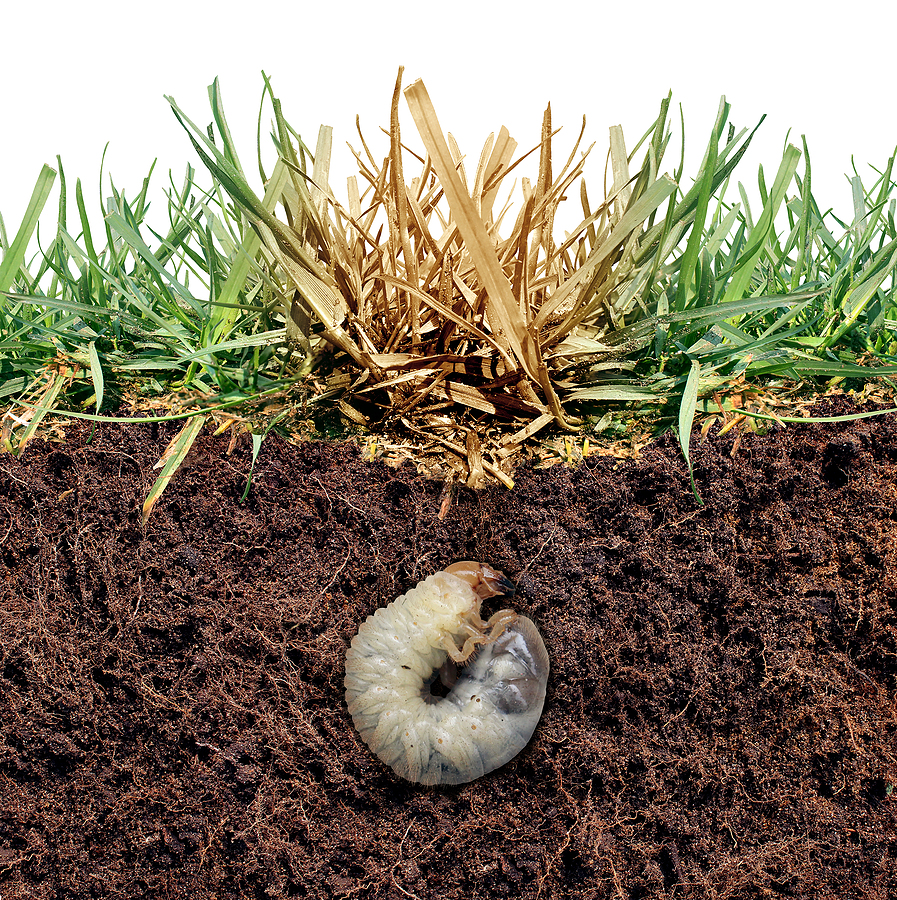
Summer pests like grubs and chinch bugs feed on grass roots and blades. Early detection saves your lawn.
Signs of Pest Infestation
Watch for irregular brown patches. Grass that pulls up easily like carpet is a warning sign. Birds pecking at the lawn indicates they are eating grubs.
Common Summer Pests and Treatments
Grubs cause brown patches and spongy turf. Treat with beneficial nematodes or imidacloprid in early July. Chinch bugs cause yellow spots in sunny areas. Treat with neem oil or insecticidal soap. Sod webworms leave chewed blades and white moths at dusk. Treat with Bt. Armyworms cause rapid defoliation. Treat with spinosad-based insecticides.
Prevent and Treat Summer Lawn Diseases
Hot, humid weather creates perfect conditions for fungal diseases. Prevention beats treatment every time.
Common Summer Diseases
Brown patch appears as large, irregular brown circles with dark edges. Dollar spot shows as small, silver-dollar-sized spots. Rust appears as orange or yellow powder on blades. Fairy rings appear as dark green or dead rings in the lawn.
How to Prevent Disease
Don’t water at night. Mow high and keep blades sharp. Avoid excess nitrogen in summer. Improve airflow by trimming trees and shrubs. Dethatch to reduce humidity at soil level.
Treating Fungal Infections
Apply fungicides at the first sign of disease. Use products with chlorothalonil or azoxystrobin. Organic options include neem oil and potassium bicarbonate. Improve lawn care practices because most diseases stem from poor habits.
Repair Bare Spots at the Right Time

Want to fix bare spots or thicken your lawn? Timing is everything.
When to Overseed
Warm-season grasses should be overseeded in spring to early summer when ideal temperatures are 80 to 95°F. Cool-season grasses should be overseeded in late summer to early fall, not summer. Avoid midsummer seeding because heat, drought, and pests kill seedlings.
How to Repair Damaged Areas
Dethatch and aerate the area first. Loosen soil with a rake. Apply seed and lightly cover with topsoil or compost. Water daily until germination, keeping soil moist but not soggy. Mow once grass reaches 3 to 4 inches.
Reduce Traffic on Stressed Lawns
Foot traffic, pets, and vehicles compact soil and damage grass crowns, especially in summer.
Avoid Damaging Habits
Don’t park cars or heavy equipment on grass. Don’t allow kids or pets to play in the same spot daily. Avoid walking on lawn during peak heat.
Protect High-Traffic Zones
Install stepping stones or mulch paths. Use temporary boards during parties or events. Rotate play areas to allow recovery. Let the lawn rest after heavy use.
Protect Your Lawn from Pet Damage
Dog urine contains high nitrogen, like a fertilizer overdose. One spot can turn brown overnight.
How to Prevent Pet Damage
Water urine spots immediately to dilute nitrogen. Train pets to use one area with mulch, gravel, or artificial turf. Pick up waste to prevent nutrient overload and disease. Replant with urine-resistant grass like tall fescue or Bermuda.
Match Care to Your Grass Type and Climate
One-size-fits-all doesn’t work in lawn care. What works in Florida fails in Minnesota.
Warm-Season vs. Cool-Season Care
Mow warm-season grasses at 1 to 2.5 inches and cool-season grasses at 3 to 4 inches. Fertilize warm-season grasses in early and late summer. Fertilize cool-season grasses in fall only. Aerate warm-season grasses in early summer. Aerate cool-season grasses in fall. Overseed warm-season grasses in spring to early summer. Overseed cool-season grasses in late summer to early fall.
Best Grass for Hot Climates
Bermudagrass is drought-tolerant and aggressive. Zoysiagrass is dense and weed-resistant. St. Augustine is shade-tolerant and common in coastal areas. Tall fescue stays green year-round in transition zones.
Track Your Lawn Care Like a Pro
Consistency prevents problems. A lawn calendar keeps you on track.
What to Record
Write down mowing dates and heights. Track fertilizer and herbicide applications. Note pest or disease sightings. Record watering and rainfall amounts. Document weather extremes.
Use a Simple System
Keep a notebook or spreadsheet. Use lawn care apps. Create a yard map to mark problem areas like bare spots or drainage issues.
Stay Eco-Friendly While Treating Your Lawn
A healthy lawn supports a healthy planet. Reduce chemical use and protect local ecosystems.
Best Environmental Practices
Use organic fertilizers like Milorganite or compost. Avoid pesticides unless absolutely necessary. Follow local fertilizer bans, which many areas have in summer. Create a 10-foot buffer near lakes, streams, or ponds. Support pollinators by letting clover grow and avoiding broad-spectrum insecticides.
Frequently Asked Questions About Treating Lawn in Summer
When is the best time of day to water my lawn in summer?
The best time is early morning, between 4 and 10 a.m. This allows grass to absorb water efficiently while the sun dries blades quickly, reducing the risk of fungal diseases. Avoid watering at midday when evaporation is high or in the evening when wet grass overnight promotes disease.
How often should I mow my lawn during summer?
Mow weekly throughout summer. Never cut more than one-third of the grass blade at once. Keep blades sharp and mow high to shade the soil and encourage deeper root growth.
Should I fertilize my lawn in summer?
It depends on your grass type. Fertilize warm-season grasses in early and late summer. Avoid fertilizing cool-season grasses in summer because it can burn the grass or promote disease. Wait until fall to fertilize cool-season lawns.
How do I know if my lawn needs aeration?
If your lawn receives heavy foot traffic, the soil is compacted, or water pools on the surface, aeration can help. Warm-season lawns benefit from early summer aeration. Cool-season lawns should be aerated in fall or spring, not summer.
What causes brown patches on my lawn in summer?
Brown patches can result from fungal diseases like brown patch, pest damage from grubs or chinch bugs, drought stress, or pet urine. Identify the cause by checking if grass pulls up easily or if you see insects in the soil.
Key Takeaways for Treating Your Lawn in Summer
Treating your lawn in summer isn’t about doing more. It’s about doing the right things at the right time. Mow high to shade soil and encourage deep roots. Water deeply and infrequently in early morning. Fertilize warm-season grasses only and avoid feeding cool-season grasses in summer. Stay alert for pests and diseases, and address problems before they spread.
Match all care to your grass type and local climate. Keep a record of your lawn care activities to stay consistent. With these steps, your lawn will survive the heat and rebound strong in the cooler months.