Fairy ring in lawn can turn a lush, green yard into a patchy, uneven eyesore seemingly overnight. These mysterious circles, sometimes lined with mushrooms and other times marked by dead or unnaturally dark green grass, are caused by soil-dwelling fungi that thrive beneath the surface. While they may look like something out of folklore, fairy rings are very real and notoriously difficult to eliminate. The fungal network, known as mycelium, spreads underground in a circular pattern, feeding on buried organic matter and altering soil conditions long before symptoms appear above ground.
If you have noticed ring-shaped patterns in your lawn, you are not alone. Fairy ring affects all turfgrass types, especially in sandy, compacted, or thatch-heavy soils. The real challenge lies in the fact that visible signs often mean the fungus has already established a deep, resilient colony. But the good news is that with the right combination of cultural care, targeted treatments, and persistence, you can manage and even suppress fairy ring effectively. This guide breaks down how to identify the three types of fairy ring, treat each one properly, and prevent future outbreaks using proven lawn care strategies.
Identify Your Fairy Ring Type
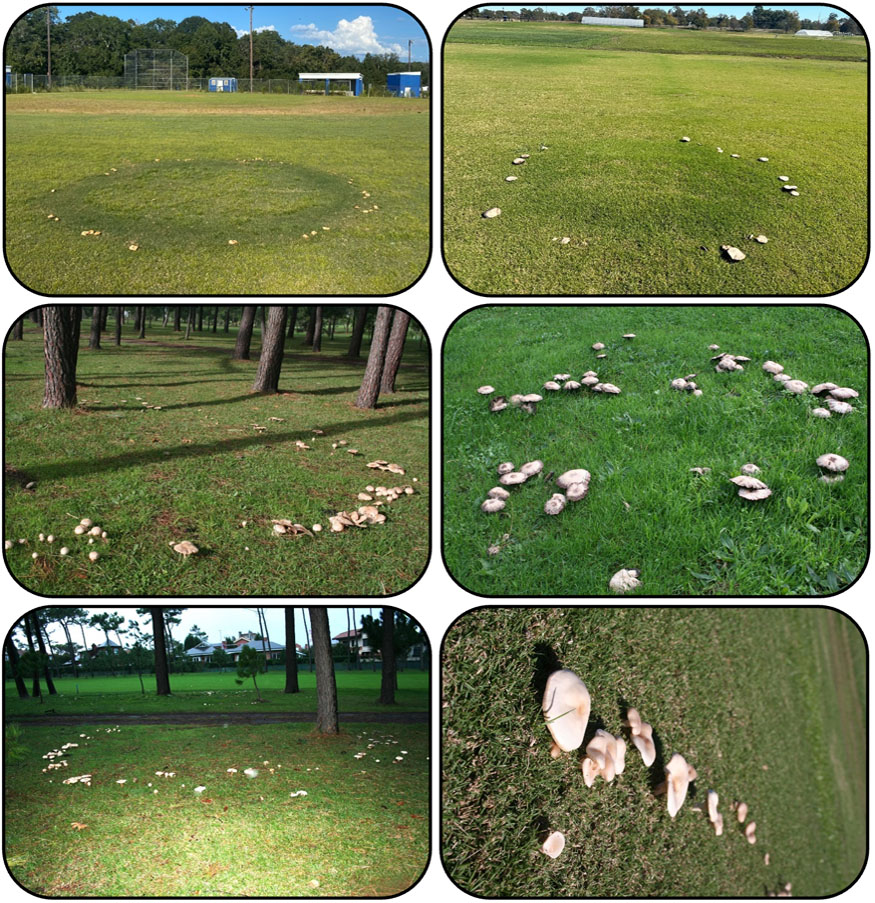
Correct treatment starts with accurate identification. Fairy ring manifests in three distinct forms, each requiring a different approach.
Spot Dead Grass Rings
A ring of brown, dying grass surrounded by healthy or dark green turf is a classic sign of Type I fairy ring, the most damaging form. This occurs when fungal mycelium creates a water-repellent layer in the soil, blocking moisture from reaching grass roots. Even with regular watering, the soil beads up and runs off, leaving the turf dehydrated and lifeless. If the grass crowns are still alive, recovery is possible. But if the roots are dead, reseeding or sodding may be necessary.
Find Dark Green Growth Bands
Type II fairy ring shows up as a circular band of abnormally lush, dark green grass. This happens because the fungus decomposes organic material and releases nitrogen at the edge of its colony, feeding the surrounding turf. While the grass is not dying, the uneven appearance ruins lawn uniformity. This type is common in lawns with low fertility and is often mistaken for over-fertilization.
Check for Mushroom Circles
Type III fairy ring is identified by circular clusters of mushrooms or puffballs, usually appearing after rain or periods of high humidity. These fruiting bodies release spores and are mostly a cosmetic or safety concern, especially if kids or pets are around. Many fairy ring mushrooms are toxic, so prompt removal is recommended. Though the grass may remain healthy, the presence of mushrooms signals active fungal colonies underground.
Break Hydrophobic Soil Layers
For Type I rings, restoring water infiltration is critical to saving the lawn. The fungal mycelium produces waxy residues that make soil water-repellent, preventing moisture from reaching root zones.
Core Aerate the Affected Zone
Use a core aerator or garden fork to punch holes every 6 to 8 inches across and beyond the ring. Target a depth of 4 to 6 inches to break through compacted soil and fungal mats. Aeration improves oxygen flow, enhances microbial activity, and creates pathways for water and treatments to penetrate. Perform this in spring and fall, and repeat annually if symptoms persist.
Apply Soil Wetting Agents
Hydrophobic soil resists water absorption, so surfactants are essential. Use a product like Grow More 8055 E-Z Wet Soil Penetrant 26. Mix 4 to 6 fluid ounces per gallon of water and apply 1 gallon per 1,000 square feet using a sprayer. Reapply every three weeks during dry periods. For spot treatment, the Underhill PelletPro applicator delivers concentrated pellets directly into aeration holes, ideal for stubborn zones, though costly.
Water Smartly and Frequently
Avoid weekly deep watering. Instead, irrigate affected areas 2 to 3 times per week with shorter durations to maintain consistent moisture. Hand-water these zones daily if needed. Water in the morning to reduce evaporation and fungal leaf disease risk.
Manage Nutrient Imbalances
Type II rings thrive on nitrogen release. Correct this imbalance to restore lawn appearance and prevent further fungal stimulation.
Fertilize Surrounding Turf
Apply a balanced, slow-release fertilizer like 14-7-14 to the rest of the lawn to match the dark green ring is color. Avoid over-fertilizing the ring itself, which can worsen fungal activity. Base applications on soil test results to prevent nutrient excess or deficiency.
Use Iron in Summer
During hot months, skip nitrogen and apply chelated iron or iron sulfate to green up the entire lawn without stimulating fast growth. Iron enhances color safely and reduces stress on cool-season grasses like Kentucky bluegrass and perennial ryegrass.
Test Soil Annually
Collect soil or tissue samples near the ring to detect hidden nutrient shifts. Adjust your fertilization program based on results. Regular testing helps prevent recurrence and supports overall lawn health.
Remove Mushrooms and Fruiting Bodies
Type III rings are mostly cosmetic, but mushroom control improves safety and appearance. Many fairy ring mushrooms are poisonous, so prompt removal is essential for households with children or pets.
Pick Mushrooms by Hand
Wear gloves and remove mushrooms as soon as they appear. Place them in sealed bags and discard. Do not compost mushrooms, as this can spread spores. This prevents reinfestation and reduces safety risks.
Mow Regularly
Frequent mowing disrupts mushroom development and stops spores from maturing. Keep mower blades sharp and clean to avoid spreading fungal fragments. Mow on a consistent schedule during mushroom season.
Apply Fungicides If Needed
For recurring mushroom rings, use fungicides labeled for fairy ring suppression. Products containing alkyl dimethyl benzyl ammonium chloride can reduce fruiting. However, results vary, and repeated applications may be needed for noticeable control.
Use Fungicides Preventatively
Chemical control works best before symptoms emerge. Fungicides are most effective when applied preventatively rather than curatively, as fairy ring symptoms often result from long-term soil changes.
Start in Spring
Begin fungicide applications when five-day average soil temperatures exceed 55 degrees Fahrenheit. This timing targets fungi before active growth begins and provides the best chance of suppression.
Choose Effective Products
Several fungicides show strong efficacy against fairy ring. Apply in 2 to 5 gallons of water per 1,000 square feet to ensure deep penetration. Immediately irrigate with 1/8 to 1/4 inch of water to move the chemical into the thatch and soil.
Key effective fungicides include azoxystrobin products like Heritage for broad-spectrum control, flutolanil products like Prostar for excellent puffball control, mefentrifluconazole products like Maxtima for high efficacy, and tebuconazole products like Torque for professional-grade results.
Rotate Fungicides
Use products with different FRAC codes to prevent resistance. For example, alternate between a strobilurin and a demethylation inhibitor. Always follow label instructions for safety and application rates. Many high-efficacy fungicides are not labeled for home use and are restricted to lawn care professionals.
Try DIY Natural Remedies
For mild cases or chemical-free options, home treatments can help, but with limits. These methods may offer temporary relief but rarely eliminate deep mycelium.
Soapy Water Drench
Aerate the ring area with 6 to 8 inch spacing and 4 to 6 inch depth. Mix 10 ounces of Dawn dish soap in 2 gallons of water. Pour into aeration holes and saturate the soil. Repeat every 3 to 4 days for one week. The surfactant breaks down the waxy fungal layer, improving water penetration and weakening the colony.
Baking Soda and Soap Spray
Combine 1 tablespoon baking soda, 1 teaspoon dish soap, and 1 gallon of water. Spray directly on the ring. While anecdotal, this mix may alter surface tension and pH, creating an unfavorable environment for fungi.
Lime Applications
Some users report success with powdered lime, possibly due to pH adjustment or improved soil structure. However, no scientific evidence confirms its effectiveness against fairy ring. Use cautiously and test soil pH first.
Improve Lawn Health Long-Term
Sustainable control depends on creating a hostile environment for fungi. Long-term management requires improving overall lawn health and reducing conditions favorable to fungal growth.
Dethatch Annually
Remove thatch thicker than 1/2 inch using a power rake or vertical mower. Excessive thatch provides food and shelter for fungi. Perform dethatching in spring or fall, followed by overseeding if needed.
Aerate Regularly
Core aerate 1 to 2 times per year to reduce compaction, improve drainage, and enhance root growth. This is especially important in high-traffic or clay-heavy areas.
Remove Buried Debris
Before installing new turf, excavate tree stumps, roots, and construction wood. These organic materials fuel fairy ring development for years. Even small wood fragments can trigger outbreaks.
Mow at Proper Height
Keep grass at 3 to 4 inches, especially cool-season types. Taller grass shades the soil, reduces stress, and competes better with fungi. Never remove more than one-third of the blade in a single mow.
Water Deeply and Infrequently
Aim for 1 inch of water per week, delivered in one or two deep sessions. Use a rain gauge or tuna can to measure. Water early in the morning to minimize leaf wetness and disease risk.
Fertilize Based on Soil Tests
Avoid guesswork. Use soil test results to guide nitrogen, phosphorus, and potassium applications. Over-fertilizing can worsen Type II rings, while under-fertilizing makes turf more vulnerable.
Know Grass and Soil Risks
Some lawns are more prone to fairy ring than others. Understanding your grass type and soil conditions helps prioritize prevention efforts.
High-Risk Grass Types
Kentucky bluegrass, perennial ryegrass, and creeping bentgrass are the most commonly affected turfgrasses. These are popular on golf courses and residential lawns and are frequently impacted due to their growth habits and soil preferences.
Vulnerable Soil Conditions
Fairy ring thrives in sandy, low-clay soils that dry out quickly, compacted or poorly drained areas, and lawns with short mowing heights where stress is higher. Western U.S. regions report more cases, but fairy ring occurs nationwide, especially in mature lawns with hidden organic debris.
Rehabilitate Severe Infestations
When cultural and chemical methods fail, renovation may be the only solution. Severe infestations often require more aggressive intervention.
Excavate and Replace Soil
For small, localized rings, dig out turf and soil to a depth of 3 feet. Extend excavation 2 feet beyond the visible ring. Replace with fresh, clean topsoil and reseed or lay new sod. This is labor-intensive and costly but offers the best chance of complete eradication.
Monitor for Recurrence
Even after treatment, fairy ring can return. Inspect the area annually, especially in late summer or fall. Early signs include slight discoloration, poor water absorption, or mushroom clusters.
Test Grass Viability
Before reseeding, check if grass crowns are alive. Fertilize and water heavily during cooler months. If no green growth appears within 4 to 6 weeks, full replacement is needed.
Avoid Common Myths and Risks
Misinformation can lead to wasted effort or danger. Understanding the facts helps you treat fairy ring effectively and safely.
Never Eat Wild Mushrooms
Many fairy ring fungi are poisonous. Never consume mushrooms growing in rings without expert identification by a mycologist. When in doubt, remove and discard all wild mushrooms.
Fairy Rings Are Not Supernatural
Despite folklore, these rings are a natural result of radial fungal growth. No magical cause exists. The expanding mycelium simply follows available nutrients underground.
Mower Spread Risk Is Low
While some suggest disinfecting mower blades, there is little evidence that fairy ring spreads significantly via equipment. The primary spread is through underground mycelium expansion or buried debris.
Frequently Asked Questions About Treating Fairy Ring in Lawn
Can fairy ring be cured completely?
Complete eradication is rare. The fungal mycelium can extend several feet deep and hundreds of feet wide, making total removal difficult. However, with consistent treatment, you can suppress fairy ring and restore a uniform lawn.
How long does it take to treat fairy ring?
Results depend on severity and treatment type. DIY methods may show improvement within weeks. Professional fungicide programs take one to three growing seasons. Severe cases requiring excavation may resolve immediately but involve significant labor.
Does fairy ring spread to other parts of the lawn?
Yes, fairy ring can expand outward at rates up to 12 inches per year. The mycelium grows radially from a central point, creating increasingly large rings over time.
Will watering more fix fairy ring?
Not necessarily. Type I fairy ring creates hydrophobic soil that repels water. Simply watering more can waste water and worsen runoff. You must break up the hydrophobic layer with aeration and wetting agents.
Are all fairy ring mushrooms poisonous?
Many are toxic, but some species like Marasmius oreades are technically edible. However, accurate identification requires an expert. Never consume any fairy ring mushroom without professional confirmation.
Does aeration really help fairy ring?
Yes. Core aeration breaks up the fungal mat and creates channels for water and treatments to penetrate hydrophobic soil. This is one of the most effective cultural practices for managing fairy ring.
Key Takeaways for Treating Fairy Ring in Lawn
Fairy ring is one of the most persistent lawn diseases, but it is manageable with consistent effort. The three types require different approaches, so accurate identification is your first step. Type I rings need water infiltration restoration through aeration and wetting agents. Type II rings respond to balanced fertilization and iron applications. Type III rings require mushroom removal and, optionally, fungicide treatment.
Focus on improving soil health, correcting water issues, and using targeted treatments. Complete eradication is rare, but with proper care, you can restore a uniform, healthy lawn and keep fairy ring under control for good. Combine cultural practices like annual aeration and dethatching with chemical treatments when necessary, and monitor your lawn annually for recurrence.