Is your lawn ready to survive the cold months and bounce back lush and green next spring? Most homeowners assume winter lawn care means putting the mower away and forgetting the yard, until bare patches, weeds, and snow mold appear in April. But the truth is, how to prepare lawn for winter determines how strong it emerges in spring. Grass may stop growing visibly, but its roots are still working, storing energy and building resilience. Skip the fall prep, and you are setting up for a weak, patchy lawn. Do it right, and you will wake up to thick, healthy turf with less work come spring.
This guide delivers a clear, step-by-step plan based on expert landscaping practices and soil science. You will learn the exact timing, tools, and techniques to protect your lawn from disease, compaction, and winterkill, plus common mistakes that undo months of care.
Final Mowing: Set the Right Height for Winter
The last cut of the season plays a big role in how well your lawn survives winter. Too tall, and the blades can mat under snow, inviting fungus. Too short, and you risk damaging the crown, the vital growth point at the base of each grass plant.
Cool-Season Grasses: 2–2.5 Inches
For most northern lawns with Kentucky bluegrass, tall fescue, or perennial ryegrass, mow to 2–2.5 inches for the final cut. This height prevents matting without stressing the crown, reduces hiding spots for voles and rodents, and allows sunlight to reach the soil to discourage mold.
Wait until grass has stopped actively growing, usually after several cool days with no visible clippings. This typically happens in late October to early November, depending on your zone.
Never remove more than one-third of the blade in a single mow. If your grass is long, lower the height gradually over two to three cuts. Avoid scalping below 1.5 inches, as short grass loses moisture faster, suffers cold injury, and struggles to recover in spring.
Remove or Mulch Fallen Leaves Completely
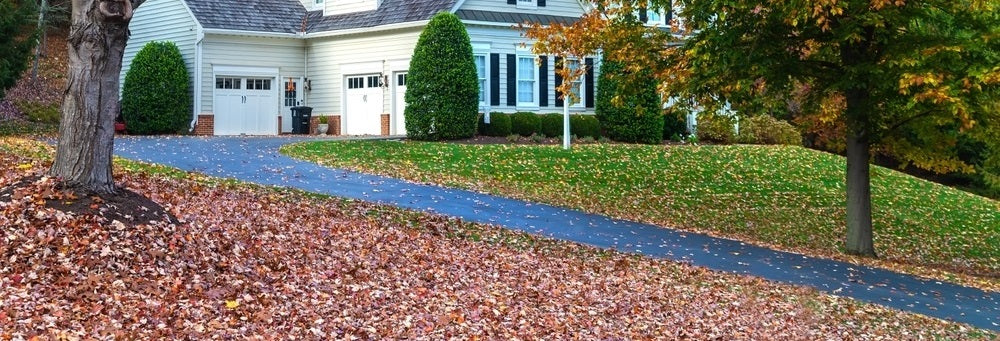
Leaves left on the lawn create a damp, airless layer that suffocates grass and breeds disease. Snow mold, fungal patches, and dead zones in spring often start with a pile of forgotten leaves.
Mulch Mowing for Light Layers
If you have a thin, dry layer of leaves, use a mulching mower to chop them into dime-sized pieces. These tiny fragments filter down to the soil and decompose, adding organic matter and feeding microbes. Do it weekly through fall to prevent buildup.
Rake or Blow Thick Mats
When leaves are wet, matted, or too deep, mulching will not be enough. Use a leaf blower or rake to clear them completely. Pay special attention to areas under trees, lawn edges near shrubs, and spots where wind piles debris.
Never leave sticks, toys, or furniture on the lawn over winter. These block light and trap moisture, killing grass underneath.
Aerate Compacted Soil for Stronger Roots
Compacted soil is a silent killer. It blocks water, air, and nutrients from reaching roots, especially during winter when grass needs to store energy. Core aeration fixes this by pulling small plugs from the soil, creating space for roots to expand.
Aerate six to eight weeks before the ground freezes, ideally in September or early October. Soil should be moist but not soggy, like a wrung-out sponge, for best plug extraction.
Use a core aerator, not a spike aerator. Spike tools compress soil further, making compaction worse, especially in clay. Leave the soil plugs on the lawn; they break down in two to three weeks.
Aerate before overseeding. The holes give seeds direct contact with soil, boosting germination significantly.
Overseed Thin or Bare Spots Before Winter

Even healthy lawns develop thin areas. Overseeding fills them in with fresh grass, creating a dense turf that resists weeds, erosion, and pests.
Complete overseeding four to six weeks before the first hard frost below 28 degrees Fahrenheit. This gives seeds time to germinate and establish roots before dormancy. Do not overseed in November, as seeds will lie dormant and likely wash away or rot.
Aerate first for good seed-to-soil contact. Choose a grass blend suited to your lawn conditions, such as sun, shade, and traffic levels. Use a broadcast or drop spreader set to two-thirds of the recommended rate to avoid clumping.
Top-dress with one-quarter to one-half inch of aged compost to protect seeds and feed soil. Rake lightly with tines up to mix compost and seed. Water two to three times daily for five to ten minutes until germination, then once daily for 15 to 30 minutes.
Apply Fall Fertilizer for Root Health
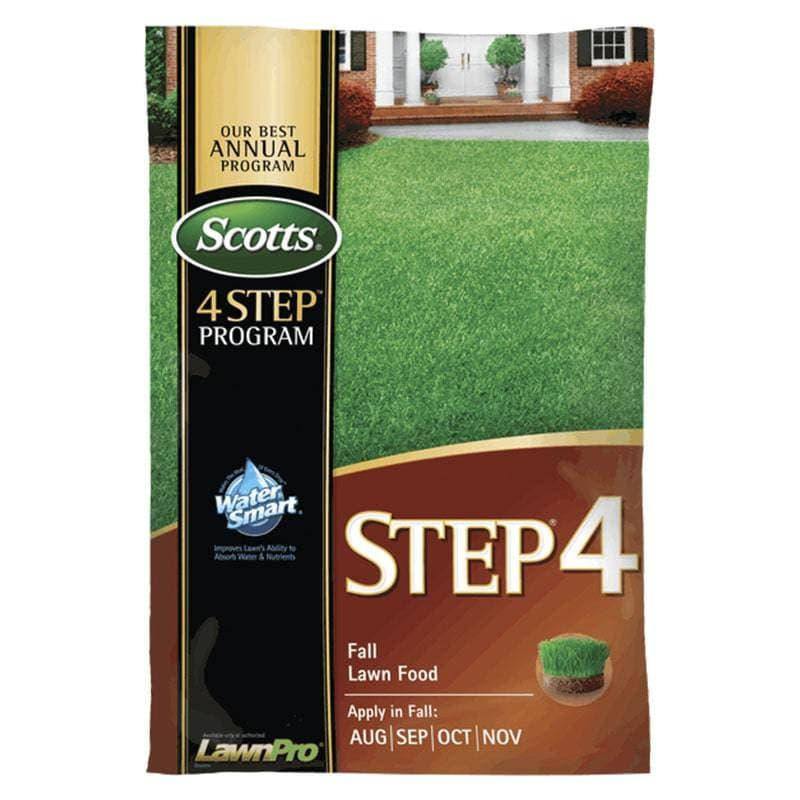
Fall feeding is the most important fertilizer application of the year. While grass blades stop growing, roots continue absorbing nutrients and storing carbohydrates for spring.
Use a fall-specific fertilizer with high nitrogen for root storage, high potassium for cold tolerance and disease resistance, and low or balanced phosphorus based on soil test results. Recommended blends include 30-6-0 with slow-release nitrogen and high potassium, or Scotts Turf Builder WinterGuard Fall Lawn Food.
Apply after grass stops growing but before the ground freezes, usually late October to early November. Water lightly after application if the product needs activation. Avoid fertilizing after snowfall or on frozen soil.
Avoid high-nitrogen feeds in early fall, as that promotes top growth rather than root strength.
Test Soil and Adjust pH
You cannot grow a strong lawn on poor soil. Testing reveals pH and nutrient levels so you know exactly what your lawn needs.
Most grasses thrive at 6.5 to 6.8, within an ideal range of 6.0 to 7.0. If soil is too acidic below 6.0, nutrients become unavailable to grass roots.
Use pelletized or granular lime for easy spreading. Apply in fall or winter, as it takes months to work. Follow package rates based on your test results. Do not guess, as over-liming raises pH too high and locks up iron and other micronutrients.
Apply Pre-Emergent Herbicide for Weed Prevention
Weeds like Poa annua and chickweed germinate in fall and winter. By spring, they are already established. A pre-emergent herbicide stops them before they start.
Apply before soil temperatures drop below 40 degrees Fahrenheit, usually late October to early November. Think of it as a weed barrier that creates a chemical layer stopping weed seeds from sprouting.
Best products include Barricade or Dimension. Apply with a granular spreader, then water lightly to activate. Never apply if you have overseeded, as pre-emergents block all seed germination, including grass.
Protect Lawn from Winter Foot Traffic
Dormant grass is not dead, it is fragile. Frost makes blades brittle, and walking on them crushes the crowns.
Keep people and pets off frosted or snow-covered grass. Use walkways or stepping stones for snow removal access. Do not park vehicles on the lawn.
Compacted soil from foot traffic leads to thin, weak grass in spring.
Use Lawn-Safe Ice Melt Products
De-icing products can damage nearby turf. Rock salt is especially harmful, as it dehydrates grass and ruins soil structure.
Choose pet- and plant-safe ice melts with calcium magnesium acetate or urea-based blends. Corn-based liquids with color indicators work well for precise application.
Never spread ice melt on the lawn. Apply only to driveways, sidewalks, and paths.
Winterize Your Lawn Equipment
Do not wait until spring to fix your mower. Winterize now so it is ready when you need it.
Drain fuel or add fuel stabilizer. Change oil. Clean or replace air filter. Sharpen blades. Remove battery if storing long-term.
Servicing in fall avoids the spring rush and prevents startup failures.
Avoid These Common Winter Lawn Mistakes
Even experienced homeowners make errors that hurt their lawn. Here is how to avoid the most frequent ones.
Cutting grass too short stresses the crown and increases cold injury risk. Mow to 2–2.5 inches instead.
Leaving leaves on the lawn smothers grass and promotes snow mold. Mulch light layers and remove thick mats.
Skipping aeration allows compaction to worsen. Aerate annually in early fall.
Overfertilizing burns roots and wastes money. Use soil test results and follow NPK guidelines.
Overseeding too late means seeds will not establish. Seed four to six weeks before frost.
Applying pre-emergent after seeding blocks all germination. Use only on established lawns.
Ignoring soil pH leads to nutrient lock-up. Test and lime if needed.
Using wrong grass seed causes poor establishment. Match seed to sun, shade, and traffic conditions.
Frequently Asked Questions About Preparing Lawn for Winter
When should I stop mowing my lawn for winter?
Stop mowing when grass stops actively growing, typically in late October to early November in northern regions. Make your final cut to 2–2.5 inches before the first hard frost.
Can I leave fallen leaves on my lawn over winter?
Light, dry leaf layers can be mulched with a mower and will decompose into the soil. Thick, wet, or matted leaves must be raked or blown off, as they suffocate grass and create conditions for snow mold.
Is fall fertilizer really necessary for my lawn?
Yes, fall fertilization is the most important feeding of the year. It feeds roots during dormancy, builds carbohydrate reserves for spring green-up, and strengthens cold tolerance and disease resistance.
Can I overseed my lawn in late fall?
Do not overseed in November or later. Seeds need four to six weeks before the first hard frost to germinate and establish roots. Seeds planted too late will not survive.
Should I apply pre-emergent herbicide before winter?
Yes, apply a pre-emergent in late fall, before soil temperatures drop below 40 degrees Fahrenheit. This prevents winter weeds like Poa annua and chickweed from germinating. Do not apply if you have recently overseeded.
How do I know if my lawn needs aeration?
If your lawn gets heavy foot traffic, has clay soil, or shows signs of compaction like water pooling or thin growth, aerate in early to mid-fall. Compacted soil prevents air, water, and nutrients from reaching roots.
Key Takeaways for Preparing Your Lawn for Winter
Preparing your lawn for winter is not about keeping it green through the cold months. It is about building resilience in the root system, protecting the crown, and preventing disease and weeds before they start. The most critical steps are mowing to the correct height, removing all leaf debris, aerating compacted soil, overseeding thin areas, and applying a fall winterizer fertilizer high in potassium.
Complete all major tasks before the first hard frost, typically in late October to early November in northern climates. Test your soil to check pH and nutrient levels, and apply lime if needed. Use pre-emergent herbicide to block winter weeds, and keep foot traffic off dormant grass to prevent crown damage.
Do these steps now, and you will not need a spring miracle. You will simply need patience as your lawn emerges thick, healthy, and ready for the growing season.