If you’ve noticed silvery trails across your grass or found seedlings mysteriously eaten overnight, slugs are likely the culprits. These soft-bodied mollusks thrive in moist, shaded areas and can quickly multiply, with a single slug capable of laying up to 500 eggs per year. While mature turfgrass often survives their feeding, slugs can devastate young seedlings, ornamental plants, and vegetables near your lawn. The good news? You can effectively reduce or eliminate slug populations using a combination of natural deterrents, habitat control, and safe baits.
This guide covers proven methods ranging from beer traps and iron phosphate pellets to nematodes and predator encouragement. You’ll learn how to identify problem zones, apply targeted treatments, and modify your lawn to prevent future infestations without harming pets or the environment.
Identify Slug Activity Zones in Your Lawn
Before treating your lawn, confirm slugs are the problem and locate their favorite hiding spots.
Spot Signs of Slug Infestation
Look for these key indicators:
- Silvery slime trails on grass, stones, or plant leaves
- Irregular holes in seedlings, hostas, or lettuce
- Hollowed-out seeds or missing young plants
- Slugs hiding under mulch, rocks, or flowerpots during the day
Inspect your lawn at dusk or dawn using a flashlight, as these are peak feeding times for slugs.
Map High-Risk Areas
Common slug hotspots include areas near sprinkler heads or low spots where water pools, under dense shrubs or overgrown ground cover, along garden edges with mulch or leaf litter, and beside compost piles or woodpiles. Mark these zones to focus your treatments and monitor progress effectively.
Encourage Natural Slug Predators
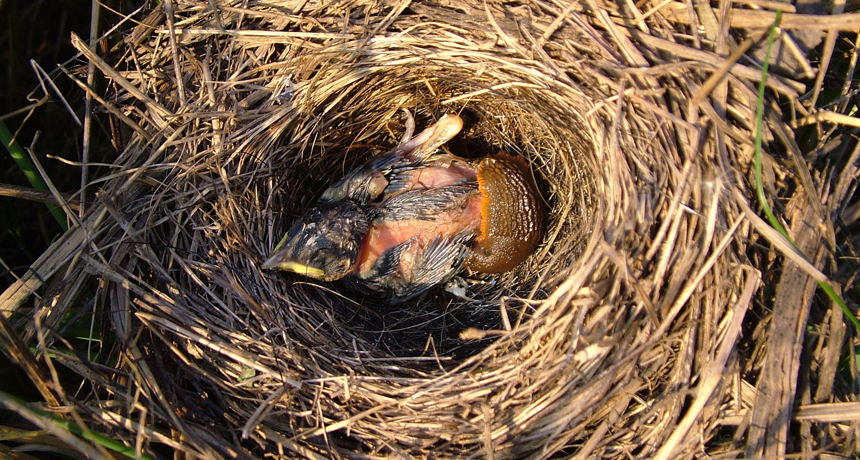
Boost your lawn’s natural defenses by inviting slug-eating wildlife into your garden.
Attract Birds and Amphibians
Birds like robins, blackbirds, and thrushes actively hunt slugs at dawn. To attract them, install a shallow garden pond or birdbath, add native plants that draw insect-eating birds, and place bird feeders away from treated areas. Frogs, toads, and newts also consume significant numbers of slugs. Create a moist, sheltered corner with logs or rocks to welcome these beneficial amphibians.
Support Hedgehogs and Beneficial Insects
Hedgehogs eat dozens of slugs each night. Build a hedgehog house or leave log piles to provide shelter. Devil’s coach-horse beetles are nocturnal slug hunters, so avoid broad-spectrum pesticides that harm these beneficial insects. Ducks and chickens in controlled runs can reduce slug numbers significantly, though they may trample seedlings if given free range.
Set Up Beer Traps for Slug Control
Beer traps rank among the most effective DIY methods for reducing slug populations quickly.
Build Simple Slug Drowning Traps
Bury a plastic cup or yogurt container so the rim sits level with the soil surface. Fill with cheap, flat beer, as the yeast attracts slugs effectively. Place traps in active zones, especially near vulnerable seedlings. Slugs crawl in, cannot escape, and drown overnight.
Optimize Trap Performance
Use multiple traps for larger lawns, placing one every 10 to 15 feet. Empty and refill traps every 2 to 3 days for maximum effectiveness. Leave a one-quarter-inch lip above the soil to deter beneficial beetles from falling in. Avoid beer traps entirely if you have dogs, as alcohol is toxic and the smell can attract pets.
Alternative option: Use inverted grapefruit halves with flesh removed as shelter traps. Collect and dispose of slugs each morning.
Apply Iron Phosphate Pellets for Fast Results

For fast, pet-safe lawn treatment, iron phosphate pellets are the gold standard.
Choose the Right Bait
Look for products containing ferric phosphate as the active ingredient. Popular brands include Sluggo, EscarGo, Pellet Pro, and Cory’s Slug and Snail Killer. These baits are safe for pets, birds, bees, and children when used as directed. Slugs consume the pellets, stop feeding immediately, and die within 3 to 6 days underground.
Apply Correctly on Lawns
Apply at a rate of 0.1 to 0.5 pounds per 1,000 square feet, using the higher rate for heavy infestations. For a 12,000 square foot lawn, use a maximum of 6 pounds. Scatter pellets evenly by hand or using a spreader, then water lightly after application to activate the bait. Reapply every 2 weeks or when bait disappears.
Safety Tips for Pet Owners
While safer than traditional chemical baits, iron phosphate can cause illness if puppies ingest large quantities. Wait for 2 to 3 rainfalls before allowing unrestricted puppy access to treated areas. Consider zonal treatment by applying bait only in problem areas rather than across the entire lawn. Never use metaldehyde or methiocarb, as these are banned in many areas due to severe pet and wildlife toxicity.
Create Physical Barriers with Copper and Grit
Physical defenses create surfaces slugs actively avoid crossing.
Install Copper Tape or Mesh
Wrap copper tape around raised beds, planters, or tree trunks. Use wide strips of 2 inches or more for best results. Copper reacts with slug slime to create a mild electric shock that deters crossing. Ensure no bridges like leaves or stems touch the barrier, or slugs will simply bypass the protection.
Apply Sharp or Drying Barriers
Diatomaceous earth (food-grade) works as a thin ring around plants but must be reapplied after rain. Crushed eggshells create sharp edges that deter slugs while adding calcium to your soil. Horticultural grit or bran creates an abrasive or dehydrating surface. Seaweed meal deters slugs while enriching soil. Keep all barriers dry and refreshed, as wet conditions drastically reduce effectiveness.
Use Nematodes for Biological Control
For long-term, soil-level slug reduction, parasitic nematodes offer an eco-friendly solution.
Apply Phasmarhabditis Hermaphrodita
These microscopic worms infect slugs with lethal bacteria and are sold under brand names like NemaSlug, Nemasys, and AgriLife. They are particularly effective against soil-dwelling species like the Gray Garden Slug.
Ensure Proper Application
Apply when soil temperature exceeds 5°C (41°F), typically in spring or fall. Soil must be damp before, during, and after application. Water in with a watering can rather than sprinklers. Reapply every 6 weeks during slug season. Results appear within 1 to 2 weeks. This method works best in vegetable beds and borders, less so on open lawns. Nematodes are completely safe for pets, children, and wildlife.
Make Your Lawn Less Inviting to Slugs
Long-term control starts with eliminating favorable habitat conditions.
Reduce Moisture and Dampness
Water in the morning to allow grass to dry by evening. Avoid daily sprinkling; instead use deep, infrequent watering of 1 to 1.5 inches per week. Fix leaky irrigation systems and improve drainage. Grade your lawn to eliminate standing water.
Remove Hiding Places
Clear leaf litter, rocks, boards, and old pots from the area. Trim grass and weeds regularly. Rake to remove thatch and improve airflow. Lift low-hanging plants like squash and cabbage off the soil surface.
Improve Sunlight and Airflow
Prune overhanging tree branches to increase sunlight penetration. Thin dense shrubs to improve air circulation. Replace solid mulch with finely shredded wood that dries quickly. Avoid plastic mulch and thick leaf piles, as both create ideal slug habitats.
Destroy Slug Eggs Before They Hatch
Break the reproductive cycle by targeting eggs before they hatch.
Find and Eliminate Egg Clusters
Check under stepping stones, bricks, pots, and mulch in spring and fall. Slug eggs are pearlescent, round, and about 4 millimeters wide, typically found in clusters of 30 to 40. Scrape eggs into soapy water or expose them to sunlight and predators.
Till or Turn Soil
Lightly cultivate ornamental beds in early spring. This disrupts egg development and exposes juveniles to predators. Avoid over-tilling, as this harms soil structure and beneficial organisms.
Plant Slug-Resistant Species
Choose plants that slugs naturally avoid to reduce future problems.
Use Aromatic or Tough-Textured Plants
Herbs like lavender, rosemary, and fennel deter slugs with their strong scents. Perennials including geranium, foxglove, astilbe, peony, and daylily resist slug damage. Ornamentals such as sedum, phlox, dianthus, lamb’s ears, and pelargonium are also slug-resistant. Other good options include euphorbia, fuchsia, agapanthus, and bergenia.
Avoid Slug Favorites
Keep hostas, lettuce, strawberries, cabbage, and lupins away from lawn edges, as these are highly attractive to slugs. Start vulnerable seedlings indoors until they reach 4 inches tall, then transplant outdoors. Use cut plastic bottles as mini cloches for added protection on young plants.
Monitor and Adjust Your Control Strategy
Track your progress to refine your approach over time.
Inspect Weekly
Walk your lawn at dawn or dusk with a flashlight. Count slugs, check for slime trails, and note plant damage. Reapply baits or barriers as needed based on observations.
Adjust Based on Results
If beer traps fill quickly, increase trap density. If pellets disappear faster than expected, reapply more frequently or switch to nematodes. If slugs persist, double-check moisture levels and hiding spots. Reinfestation is common, so consistency is key to long-term success.
Special Tips for Pet Owners
Keep your family safe while controlling slugs effectively.
Prioritize Pet-Safe Methods
Avoid beer traps entirely since dogs may drink the liquid. Use iron phosphate cautiously and limit puppy access immediately after application. Never use metaldehyde, as a single pellet can kill a small dog. Keep children and pets off the lawn for 2 to 3 days after any treatment.
Use Zonal Treatments
Apply baits only where needed, such as garden beds, rather than across the entire lawn. Store all products out of pet reach. Consider waiting several rainfalls before allowing unrestricted pet access to treated areas.
Key Takeaways for Long-Term Slug Control
:max_bytes(150000):strip_icc()/slug-control-in-garden-1402502_final_3-be5909648ed84789b0561cf4873901f4.png)
Combining immediate action with habitat modification delivers the best results. Apply iron phosphate pellets every 2 weeks for fast, pet-safe reduction. Set beer traps in pet-free zones and empty them every 2 to 3 days. Sprinkle diatomaceous earth or bran after rain, then install copper barriers around raised beds. Release nematodes in spring and fall every 6 weeks. Water in the morning and reduce overall moisture. Remove debris and hiding spots weekly. Encourage birds, frogs, and hedgehogs as permanent natural control agents. With consistent effort, you can reclaim your lawn from slugs safely and sustainably.
Frequently Asked Questions About Getting Rid of Slugs in Lawn
Do slugs actually damage lawn grass?
Mature turfgrass typically survives slug feeding unharmed. However, slugs can damage young seedlings, ornamental plants, and vegetables near the lawn. Their slimy trails can also create aesthetic concerns on walkways and patios.
What is the fastest way to get rid of slugs?
Iron phosphate pellets work fastest, killing slugs within 3 to 6 days while being safe for pets and wildlife. Beer traps provide immediate results by drowning slugs overnight. Combining both methods delivers the quickest reduction in population.
Are coffee grounds effective against slugs?
Yes, caffeine repels slugs effectively. Sprinkle used coffee grounds around plant bases or spray strong, cooled coffee on foliage and soil. Use coffee grounds sparingly, as excessive application may alter soil pH over time.
How often should I apply nematodes for slug control?
Apply nematodes every 6 weeks during the active slug season. They work best when soil temperature exceeds 41°F and soil remains moist. Results appear within 1 to 2 weeks after application.
Can I use salt to kill slugs on my lawn?
Do not use salt on lawns. Salt kills slugs on contact but severely damages soil structure and prevents future plant growth, creating dead patches in your lawn.
Are iron phosphate pellets safe for pets?
Iron phosphate is safer than traditional chemical baits but is not completely non-toxic. While approved for organic gardening and safe for pets when used as directed, puppies that ingest large quantities may experience illness. Apply cautiously and consider zonal treatment in pet-active areas.