You step outside, coffee in hand, ready to enjoy your yard—only to be greeted by a sea of dandelions, crabgrass, and clover. If your lawn looks more like a weed patch than a green oasis, you are not alone. A yard overrun with weeds is a common frustration, but it is also a solvable one. The good news? How to fix a lawn full of weeds starts not with another round of spot-spraying, but with understanding why weeds took over in the first place. Weeds thrive when grass is weak due to poor soil, bad mowing habits, or inconsistent watering. This guide walks you through a complete, step-by-step plan to kill existing weeds, rebuild healthy turf, and prevent future invasions using proven, science-backed methods.
Identify What Is Growing in Your Lawn

Before you spray or seed, you need to know your enemy. Not all weeds respond to the same treatment, and misidentifying them can waste time and money. Weeds fall into three main types, each requiring a different control strategy.
Broadleaf Weeds vs Grassy Weeds vs Sedges
Broadleaf weeds have wide, flat leaves and are the most common in lawns. Think dandelions, clover, plantain, and chickweed. These are easily targeted with selective herbicides like 2,4-D or dicamba that kill the weed but spare your grass.
Grassy weeds look like grass but grow aggressively. Crabgrass, foxtail, and annual bluegrass fall into this category. Because they mimic turfgrass, you will need grassy-weed-specific herbicides or pre-emergents applied at the right time.
Sedges are tricky. They have triangular stems and thrive in wet, compacted soil. Yellow and purple nutsedge are common culprits. Regular weed killers will not work. Use sedge-specific herbicides like halosulfuron or sulfentrazone.
Annual, Biennial, or Perennial: Why It Matters
Weeds are also classified by how long they live. Annual weeds like crabgrass germinate, grow, and die in one season. Biennial weeds like burdock live two years, flowering in the second. Perennial weeds like dandelions and nutsedge return year after year from deep roots. Knowing the life cycle helps you time your control efforts correctly.
Pro Tip: Take a clear photo of the weed and search online or use a local extension office to confirm identification before buying herbicides.
Choose the Right Herbicide and Apply It Correctly
Once you have identified the weeds, pick the right herbicide and use it at the right time. A poorly timed application is often worse than no treatment at all.
Pre-Emergent Herbicides for Preventing Weed Growth
Pre-emergent herbicides stop weed seeds from sprouting. They are essential for annual grassy weeds like crabgrass. Apply in early spring when soil temperatures are below 55°F and again in fall. Common products include prodiamine, dithiopyr, and pendimethalin. Apply granular products with a broadcast spreader and water in. Apply liquid products with a sprayer. Do not use pre-emergents if you plan to seed because they will prevent your new grass from growing too.
Post-Emergent Herbicides for Active Weeds
Post-emergent herbicides kill weeds that are already growing. Selective herbicides target specific weeds like 2,4-D for broadleaf weeds and are safe for grass. Non-selective herbicides like glyphosate kill everything and should only be used when starting completely over. Apply in late spring to early summer when weeds are actively growing. Spray on calm days to avoid drift, avoid rain for 24-48 hours, and add a surfactant to help the herbicide stick. Use turf-mark dye to see where you have already sprayed.
Expert Advice: “Homeowners should seek local expertise for herbicide recommendations. What works in one region may not work in another.” — Corey Ransom, Ph.D., Utah State University
When Your Lawn Is Mostly Weeds: Starting Over

If your lawn is 70% or more weeds, spot-treating will not cut it. You need a clean slate to give new grass a fighting chance.
Total Kill with Glyphosate
For lawns completely taken over, apply a glyphosate-based herbicide like Roundup. Wait 7-10 days until weeds turn brown, then rake up all dead vegetation. Check the product label before reseeding. Some allow reseeding in 3-4 weeks while others require a longer wait.
Professional-Grade Granular Treatments
Surge by The Andersons is a professional-grade granular treatment that reduces weeds by over 50% in one application. Apply when grass is wet, either from morning dew or after watering. Do not mow 2 days before or 4-6 days after application. Water within 24 hours. Use once or twice per year for maintenance.
Natural Smothering Methods
For organic control, try smothering. Lay 3-5 layers of cardboard, wet it thoroughly, and cover with mulch. Leave it for 3-6 weeks. Alternatively, use a black tarp to solarize the soil during hot weather. These methods will not kill deep-rooted perennials like nutsedge, but they work well for annual weeds.
Prepare Your Soil for New Grass
Dead weeds are just the beginning. Now you must build a foundation for healthy grass that will naturally resist future weed invasions.
Mow, Rake, and Till the Area
Mow the lawn as low as possible. Rake up all dead plant material. Use a garden fork or tiller to loosen the top 6-8 inches of soil and remove remaining roots. This creates a clean seedbed for new grass.
Dethatch Before It Blocks Everything
A thatch layer thicker than ½ inch blocks water and nutrients from reaching the soil. Use a dethatching rake or power dethatcher. Remove the debris rather than leaving it on the lawn.
Aerate Compacted Soil
Compacted soil prevents grass roots from growing deep. Use a core aerator for best results or a spike aerator as an alternative. Make 2-3 passes in different directions. Leave soil plugs on the lawn—they will break down naturally and add organic matter.
DIY Hack: Wear golf shoes with spikes and walk over the lawn to create small aeration holes as a quick temporary fix.
Test and Improve Your Soil
Healthy grass starts with healthy soil. Skipping this step guarantees future weed problems.
Run a Soil Test
Use a DIY kit or send a sample to a local lab. Test for pH, nitrogen, phosphorus, potassium, and organic matter. Knowing your soil numbers helps you amend precisely rather than guessing.
Amend Based on Results
If pH is low (acidic), add lime to raise it. If pH is high (alkaline), add sulfur to lower it. For poor fertility, mix in compost or a balanced fertilizer like 10-10-10. For poor soil structure, add 2-3 inches of topsoil or compost. Using free compost from local sources keeps costs down while enriching the soil.
Budget Tip: Contact local municipalities or farms for free or low-cost compost rather than buying bags at the garden center.
Pick Grass That Fights Weeds
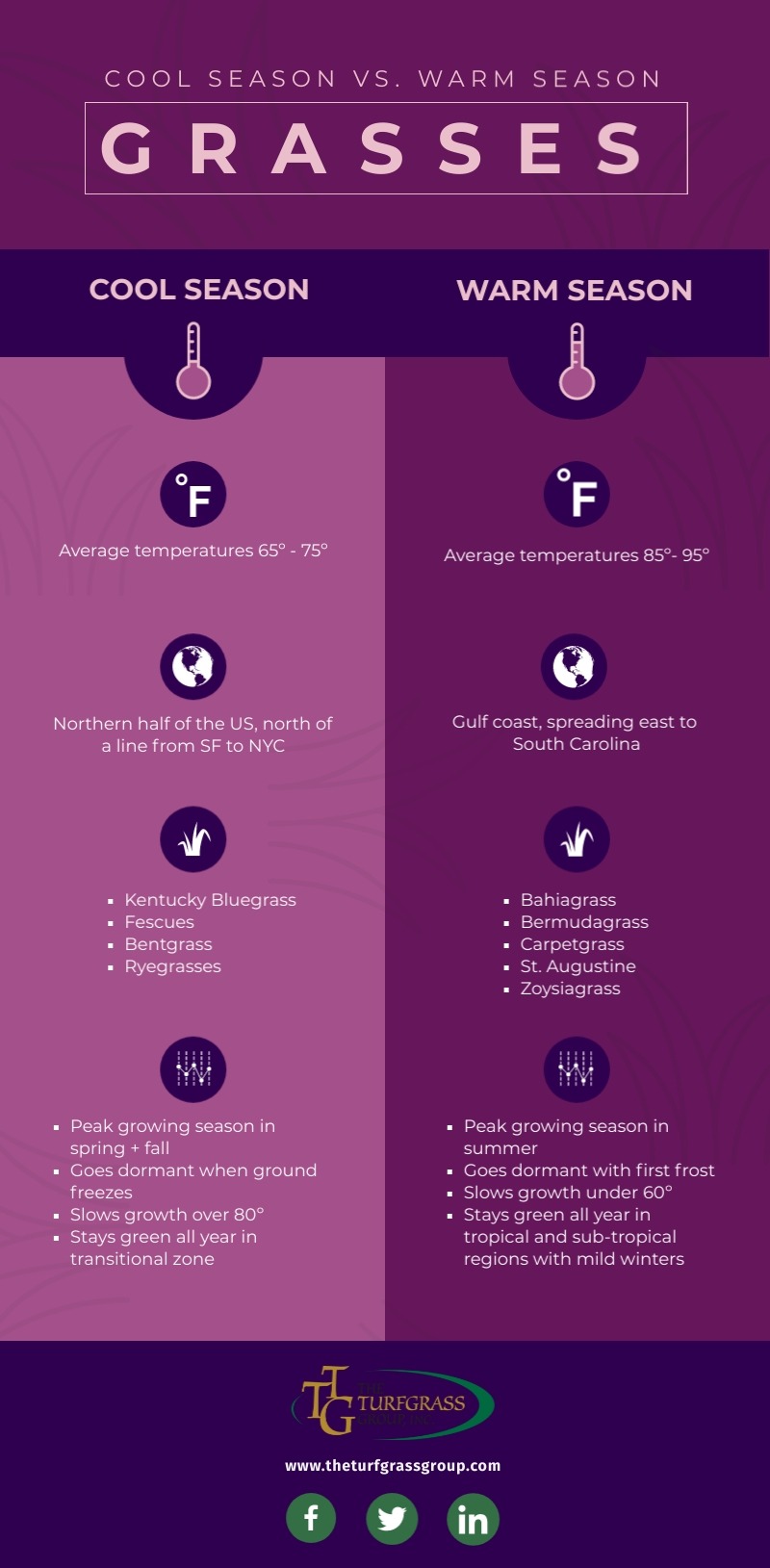
Planting the wrong grass leads to thin, weak turf that invites weeds. Choose varieties suited to your climate and maintenance level.
Cool-Season vs Warm-Season Grasses
Cool-season grasses grow best in northern regions: Kentucky bluegrass, fine fescue, and tall fescue. Warm-season grasses thrive in southern areas: Bermuda, zoysia, and centipede. In transitional zones like middle Tennessee, tall fescue and zoysia perform well.
Low-Maintenance Options Worth Considering
UC Buffalo grass needs less mowing and water. Clover lawns fix nitrogen in the soil and are drought-tolerant, though they can spread beyond intended areas. Contractor mix seed from brands like Jonathan Green is affordable, has no fillers, and germinates quickly.
Expert Insight: “Kentucky bluegrass and fine fescue have better natural weed resistance. Choose grasses suited to your region.”
Seed or Sod: Making the Right Choice
Now it is time to grow new grass. Both seeding and sodding work, but the method affects cost, timeline, and effort.
How to Seed Properly
The best time to seed cool-season grasses is fall. For warm-season grasses, seed in late spring. Use a broadcast spreader and apply 1-2 lbs of seed per 1,000 square feet. Rake lightly for seed-to-soil contact and cover with straw mulch to retain moisture. Expect germination in 5-14 days depending on grass type. Soaking seed overnight speeds up sprouting.
How to Lay Sod for Instant Results
Sod can be laid any season with consistent watering. Loosen the top 6-8 inches of soil first. Add 2-3 inches of topsoil and starter fertilizer. Lay sod in staggered rows, pressing edges tightly together. Water immediately and daily for 2-3 weeks until roots establish.
| Method | Pros | Cons |
|---|---|---|
| Seed | Lower cost, more variety | Longer to establish, needs precise timing |
| Sod | Instant lawn, erosion control | Higher cost, limited grass options |
Water the Right Way
Watering makes or breaks new grass. Too little and seedlings die. Too much and roots stay shallow.
Watering New Seed
Water 2-3 times daily with light applications. Keep soil moist but not soggy. Water in the morning and stop before sunset to prevent fungal diseases.
Watering New Sod
Water daily for the first 1-2 weeks. Reduce frequency as roots take hold and the grass becomes established.
Watering Established Lawns
Apply 1-1.5 inches per week. Water deeply and infrequently, 2-3 times weekly, to encourage deep root growth rather than shallow surface roots.
Expert Advice: “Focus on cultivating dense, healthy turf through proper irrigation.” — Hannah Wright-Smith, University of Arkansas
Feed New Grass for Strong Growth
New grass needs nutrients to grow thick and competitive.
First Fertilizer Application
Apply starter fertilizer (10-18-10 or 10-10-10) about 3 weeks after seeding or sod installation. Apply with a backpack sprayer for liquids or a granular spreader for dry fertilizer.
Add Iron for Greener Color
Apply liquid iron monthly during the growing season for deeper green color without excessive top growth. This keeps the lawn looking lush without overstimulating it.
Prevent Runoff
Do not over-apply fertilizer. Keep it off driveways, sidewalks, and storm drains to protect local waterways.
Mow and Maintain to Prevent Weeds
Prevention is easier than cure. Use these habits to stop weeds before they establish.
Mow High and Keep Blades Sharp
Mow at 2.5-4 inches. Higher grass shades weed seeds and prevents germination. Never cut more than one-third of the blade at once. Keep mower blades sharp—ragged cuts stress grass and invite disease.
Follow a Fertilization Schedule
Base your fertilization plan on soil test results. Use slow-release organic fertilizers when possible for steady, long-term feeding.
Aerate and Dethatch Annually
Aerate every 1-3 years depending on soil compaction. Dethatch when the layer exceeds ½ inch. Both practices keep soil healthy and grass strong.
Overseed Every Fall
Overseeding thickens turf and crowds out weeds. Use high-quality seed and choose varieties compatible with any herbicides you plan to apply.
Apply Pre-Emergent Twice Yearly
Apply pre-emergent herbicides in early spring and fall to prevent annual weeds. Skip this step if you plan to overseed.
Pro Tip: Use Tenacity herbicide in March-April with surfactant and turf-mark dye to control crabgrass, dallisgrass, and dandelions.
Tackle Tough, Persistent Weeds
Some weeds refuse to go down easily and require specialized treatment.
Target Specific Problem Weeds
Nutsedge requires halosulfuron (Sedgehammer) or sulfentrazone (Blind Side). Dallisgrass responds to Tribute Total. Broom sedge needs Blind Side. Lepidium is controlled with Change Up.
Spot-Treat Without Killing Grass
Use a foam applicator or small paintbrush to apply herbicide directly to weed leaves. This prevents drift and protects surrounding grass.
Plan for Multiple Applications
One spray rarely kills tough perennials. Plan to reapply in 2-4 weeks if needed. In many cases, a second application makes the difference between partial control and complete eradication.
Build a Weed-Resistant Lawn for Good
A thick, healthy lawn is your best defense against future invasions.
Complete Prevention Checklist
Mow high at 3-4 inches. Water deeply, not daily. Fertilize based on soil test results. Apply pre-emergent in spring and fall. Overseed thin areas every fall. Pull weeds before they seed. Bag clippings when mowing over weeds. Clean your mower and shoes to stop seed from spreading to other areas.
Q: Will grass eventually choke out weeds?
A: Healthy grass suppresses weeds, but aggressive species like crabgrass and nutsedge often win without help. Proactive management is usually required.
Natural and Organic Weed Control Methods
Prefer eco-friendly options? These work especially well on young weeds.
Organic Techniques That Work
Hand-pull weeds using a dandelion digger and remove the entire root. Apply corn gluten meal as a natural pre-emergent, though it is only 50-60% effective. Use vinegar-based sprays on young weeds, though multiple applications are often needed. Pour boiling water on weeds growing in cracks between pavement.
Q: Are natural herbicides as effective as chemical ones?
A: They work on young weeds but often require multiple applications. For established weeds, chemicals are more reliable.
Seasonal Lawn Care Calendar
Timing is everything. Follow this annual plan for best results.
| Season | Key Tasks |
|---|---|
| Early Spring | Apply pre-emergent, spot-treat with Tenacity, aerate if needed |
| Late Spring | Use post-emergent herbicides, fertilize, watch for crabgrass |
| Summer | Water deeply, mow high, treat grubs if needed |
| Fall | Overseed, fertilize, aerate, apply pre-emergent, remove leaves |
| Winter | Plan next year, clean tools, avoid walking on dormant grass |
Key Takeaways for Fixing Your Weedy Lawn
Fixing a lawn full of weeds is not a one-day job. It is a season-long commitment that requires understanding why weeds took over, choosing the right weapons to fight them, and building healthy soil that supports strong grass. Start by identifying your weeds and selecting appropriate herbicides. Kill existing weeds completely before preparing soil. Test your soil and amend based on results. Choose grass varieties suited to your climate. Water deeply but infrequently, mow high, and maintain consistently. With patience and the right approach, you will transform your yard into a dense, green carpet that naturally resists invaders. Start now, stay consistent, and enjoy the results.