Mowing your lawn seems simple until you realize that cutting it too short can kill it, while letting it grow too long invites weeds and pests. The key to a lush, healthy yard is not just frequency or equipment but understanding exactly how tall to mow lawn based on your grass type, season, and climate. Most homeowners unknowingly scalp their turf, weakening roots and inviting drought damage. This guide reveals the science-backed ideal heights for every grass type, backed by university research and professional landscapers.
You will learn not just what height to use but why it matters and how seasonal adjustments can transform your patchy yard into a perfect lawn. From cool-season fescues to warm-season Bermudagrass, we cover the exact measurements that build stronger roots, shade out weeds, and reduce your watering needs.
Know Your Grass Type First
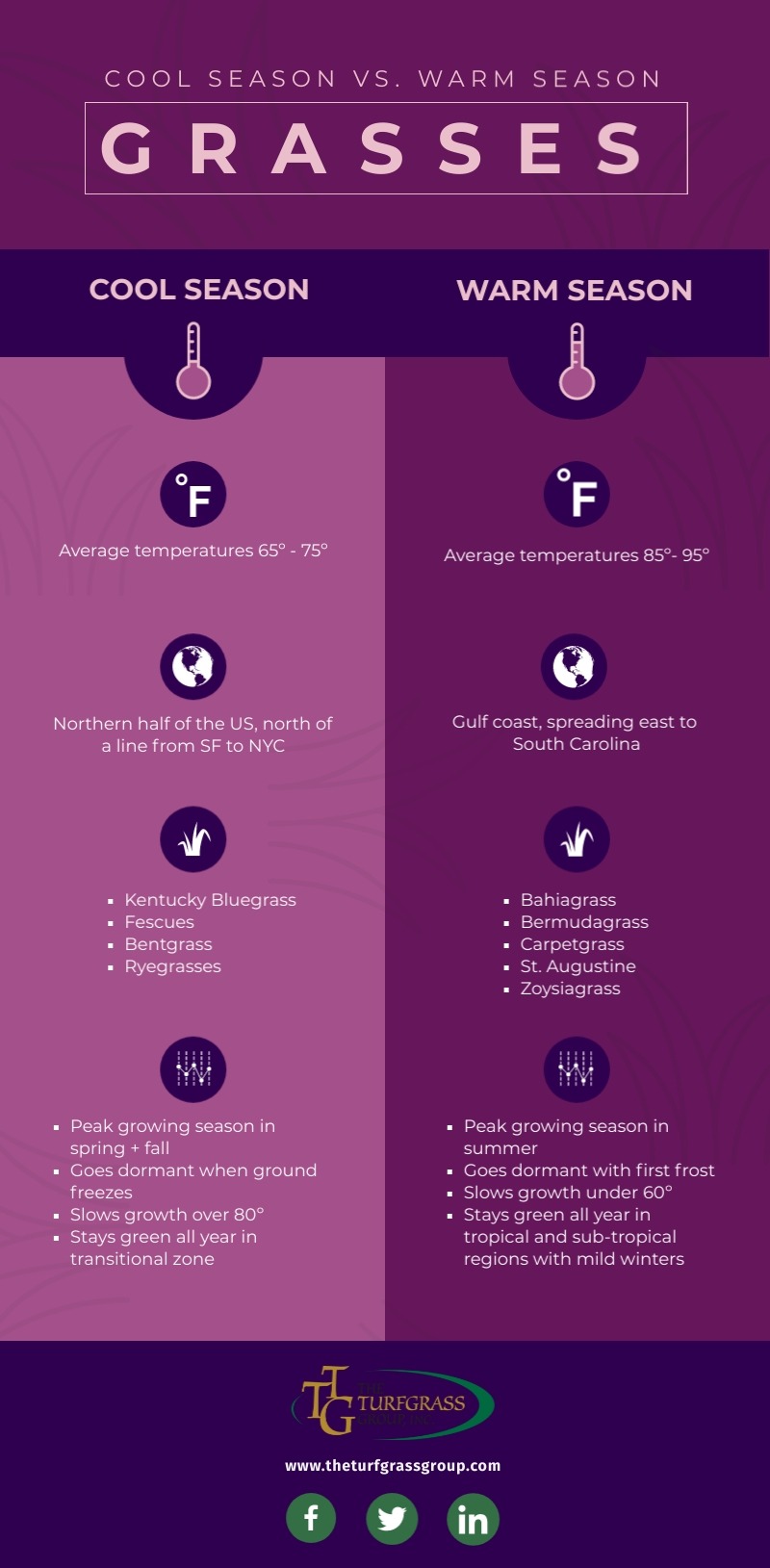
The ideal mowing height starts with knowing what kind of grass grows in your yard. Cool-season and warm-season grasses grow differently, thrive in different climates, and require distinct cutting strategies. Mowing one type like the other leads to stress, thinning, or dormancy.
Cool-Season Grasses: 2 to 4 Inches
These grasses grow best in spring and fall when temperatures are mild. They dominate lawns in the northern U.S., Midwest, and higher elevations of the transition zone.
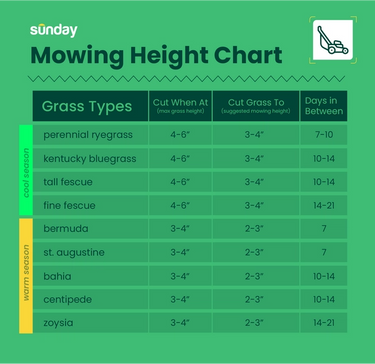
• Kentucky Bluegrass: 2 to 3 inches (up to 4 inches in shade or drought)
• Perennial Ryegrass: 1.5 to 3.5 inches
• Tall Fescue: 2.5 to 4 inches
• Fine Fescue: 2 to 4 inches
University of Minnesota Extension recommends keeping most northern lawns at 3 inches or higher, especially in summer, to reduce heat stress and suppress weeds. Taller cuts encourage deeper roots, shade the soil, and block sunlight from weed seeds. Raising your deck to 3.5 inches in summer can cut watering needs by up to 30 percent.
Warm-Season Grasses: 1 to 4 Inches
These grasses thrive in hot southern summers and go dormant when temperatures drop. They need lower mowing than cool-season types, but not all are the same.
• Bermudagrass: 1 to 2 inches (hybrid types down to 0.5 inch)
• Zoysiagrass: 1 to 2.5 inches (fine types need reel mowers)
• St. Augustinegrass: 3 to 4 inches
• Centipedegrass: 1 to 2 inches
• Buffalograss: 2 to 4 inches
Turf expert Neil Sperry notes that tall grass becomes weak grass for spreading types like Bermuda. Overly long growth reduces runner production and density. Cutting St. Augustine at 2 inches instead of 3 inches may lead to scalping, where the mower removes too much green tissue, leaving brown patches and exposed stolons.
Follow the 1/3 Rule Every Time
Never Cut More Than One-Third
Removing more than one-third of the blade in a single mowing stresses the plant, reduces photosynthesis, and weakens root systems. For example, if your target height is 3 inches, mow when grass reaches 4.5 inches. At 2 inches, cut at 3 inches. At 1.5 inches, mow at 2.25 inches. Letting grass grow too tall then hacking it down shocks the lawn, causing yellowing and increased disease risk.
Gradual Reduction After Long Growth
If you have been away or had heavy rain, do not scalp it. Instead, raise the mower deck to a higher setting and mow at 50 percent height reduction maximum in the first pass. Wait 3 to 5 days, then mow again to reach ideal height. This prevents shock and allows the grass to adapt.
Jason Lanier from UMass Extension says mowing should match growth rate. Mow more often when growth is fast and less when growth is slow.
Adjust Height by Season
Mow Higher in Summer Heat
For cool-season lawns, raise your deck by one-half inch during summer, for example from 3 inches to 3.5 inches. This shades soil and reduces evaporation, promotes deeper root growth, and resists drought and heat stress. One homeowner reports cutting at 3.5 inches in summer keeps the lawn green, cuts weeds, and requires no irrigation.
Avoid mowing during peak heat above 85 degrees Fahrenheit or during drought. Wait until evening or after rain.
For warm-season lawns, Bermuda and Zoysia thrive at low heights but may need a slight lift during dry spells to preserve leaf area. Neil Sperry notes that if Bermuda turns brown after mowing, you are likely cutting into stem stubble. Raise the deck.
Spring: Slightly Shorter First Mow
For cool-season lawns, the first mow of spring should be one-half inch below your normal height. If normal height is 3 inches, first mow at 2.5 inches. The goal is to clear dead material without stressing new growth. Wait until grass is actively growing, not when it is wet or frozen.
TruGreen recommends beginning mowing cool-season lawns after snowmelt and warm-season when green-up starts (late March to April).
Fall: Keep It Tall, Then Lower for Winter
Continue mowing at the high end of the range, for example 3 to 3.5 inches for fescue, as long as grass grows. This builds carbohydrate reserves for winter survival.
Before the first frost, make your last mow about 2 inches high. This prevents snow mold (fungal disease under snow) and reduces habitat for voles and rodents. University of Minnesota Extension notes that long grass under snow encourages vole runways. Moderate height is safer. Do not stop too early. Mow until growth fully stops (late October in northern zones).
Special Conditions That Change Mowing Height
Shade: Raise the Deck by Half an Inch
Grass in shade gets less sunlight, so it needs longer blades to capture more light. Full sun height of 3 inches becomes 3.5 inches in shade. Fine fescue in deep shade can go up to 4 inches. Short mowing in shade leads to thin, weak turf. Taller grass compensates with greater leaf surface.
Use shade-tolerant grasses like fine fescue or tall fescue, then mow high.
No Irrigation? Mow Taller
Non-irrigated or drought-prone lawns benefit from 3.5 to 4 inch heights. Shaded soil stays cooler and retains moisture, deep roots develop more easily, and you need less frequent mowing. One Texas homeowner reports that with no irrigation, letting grass grow 3 to 4 inches makes for a strong plant.
Irrigated lawns can go slightly lower (around 3 inches) due to consistent water.
Compacted Soil: Mow Higher and Aerate Annually
Soil compaction limits root growth. Taller grass helps by increasing photosynthesis to offset root stress, reducing surface temperature, and improving resilience. But the real fix is core aeration once per year to let air, water, and nutrients reach roots. One landscaper reports setting the mower at 3.25 inches on bumpy or compacted lawns to reduce stress.
Measure Your Mower’s Actual Height
Mower settings like 3 or B are not standardized. Two mowers on setting 3 can cut half an inch apart.
How to Measure Correctly
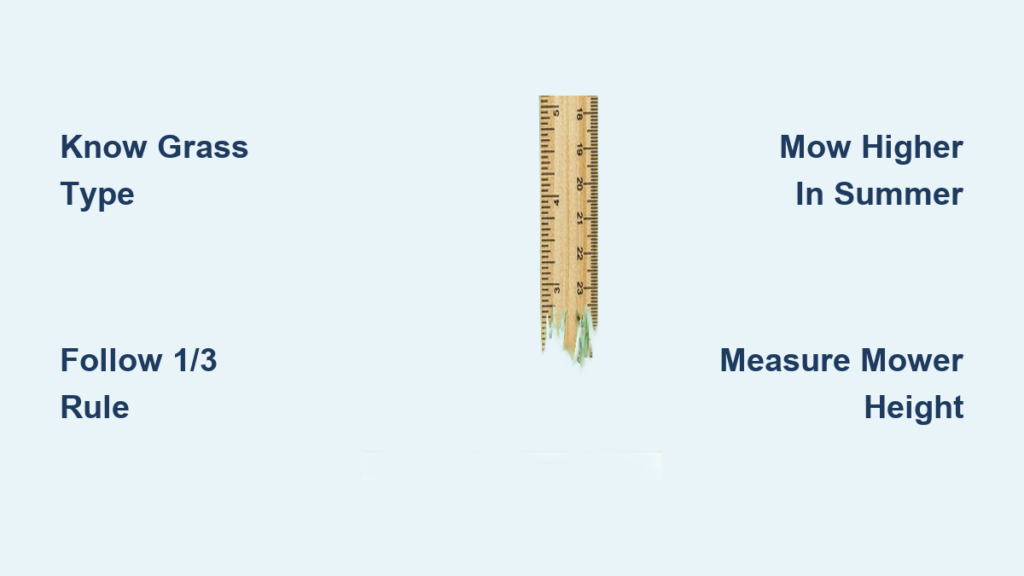
Place the mower on a flat, hard surface. Open deck access if possible. Use a ruler from ground to blade tip (not deck bottom). Adjust until measurement matches target. For a 3-inch cut, the blade edge must be 3 inches above ground.
Check height seasonally or after blade changes. Measure all four corners because decks can tilt. Consult the owner’s manual for adjustment points. Many professionals measure once per season and lock the setting.
Keep Blades Sharp and Patterns Rotated

Dull Blades Damage Grass
Dull blades shred instead of slice cleanly, causing brown frayed tips, increased water loss, and higher disease risk. Sharp blades make clean cuts that heal faster and reduce stress. Sharpen blades every 20 to 25 hours of use or at least once per season.
Rotate Mowing Patterns Weekly
Repeating the same path causes soil compaction from wheels, grass grain (leaning in one direction), and ruts and uneven wear.
Rotate like this: Week 1 east to west, Week 2 north to south, Week 3 diagonal (northwest to southeast), Week 4 back to first pattern. This keeps grass upright and soil healthy.
Clippings: Leave Them, Do Not Bag
Leaving clippings (called grasscycling) returns nutrients, especially nitrogen, to the soil. Clippings are 75 to 80 percent water and decompose in days. Returning them equals one fertilizer application per year. They do not cause thatch when mowing regularly.
Bag only when grass is too tall (violating the 1/3 rule), when lawn is wet (clippings clump), or when you have applied herbicides (do not compost clippings).
Regional and Professional Practices
Northern U.S.: 3 to 4 Inches is Standard
Most cool-season lawns in the Northeast, Midwest, and Pacific Northwest do best at 3 inches or higher. One New England landscaper cuts at 3.5 inches to prevent summer burn. Taller mowing reduces need for watering and weed control.
Southern U.S.: Lower Heights But Not Too Low
Warm-season lawns like Bermuda and Zoysia are often cut 1 to 2 inches, but reel mowers are needed below 1.5 inches. St. Augustine must stay at 3 to 4 inches. One commenter summarizes that 3 to 4 inches is ideal for cool-season while Bermuda is the opposite.
Frequently Asked Questions About How Tall to Mow Lawn
What is the best mowing height for most residential lawns?
For most cool-season lawns (Kentucky bluegrass, fescue, ryegrass), the best height is 3 inches. This balances lawn health, appearance, and weed control. For warm-season grasses like Bermudagrass, 1 to 2 inches is typical. Always adjust based on your specific grass type and seasonal conditions.
What happens if I mow my lawn too short?
Mowing below the recommended height (scalping) stresses the grass by reducing photosynthetic capacity. This weakens roots, increases susceptibility to drought and heat damage, invites weeds, and can cause brown patches. The lawn loses its ability to shade soil and retain moisture.
Should I mow higher in summer?
Yes. For cool-season grasses, raise your mowing height by one-half inch during summer heat. This shades the soil, reduces evaporation, and promotes deeper root growth. Many homeowners find that mowing at 3.5 inches in summer keeps the lawn green while reducing watering needs significantly.
How often should I mow my lawn?
Mow often enough to follow the one-third rule. Never remove more than one-third of the blade height in a single mowing. During peak growing season, this may mean mowing every 4 to 7 days. In slower growth periods (early spring, late fall), you may mow less frequently.
Does it matter if my mower blades are sharp?
Yes. Dull blades shred grass instead of cutting cleanly, leaving jagged edges that increase water loss, invite disease, and create a brownish appearance. Sharpen mower blades every 20 to 25 hours of use or at least once per season.
Should I bag or leave grass clippings?
Leave clippings on the lawn (grasscycle) whenever possible. They contain 75 to 80 percent water and decompose rapidly, returning nitrogen and other nutrients to the soil. This is equivalent to one fertilizer application per year and does not cause thatch. Bag only when grass is too tall, wet, or after herbicide application.
Key Takeaways for Mowing Your Lawn at the Right Height
There is no universal height for how tall to mow lawn. Success comes from matching your mowing height to your grass type, the season, and your specific conditions. Cool-season grasses need 2 to 4 inches (typically 3 inches), while warm-season grasses range from 1 to 4 inches depending on type. Always follow the one-third rule. Never cut more than one-third of the blade at once.
Raise your mowing height by one-half inch during summer heat, especially for cool-season lawns. This simple adjustment shades soil, reduces water needs, and builds deeper roots. Lower slightly for the final mow of the season (around 2 inches) to prevent snow mold and rodent damage.
Measure your mower’s actual cutting height. Mower settings are not standardized, so use a ruler from ground to blade edge to verify. Keep blades sharp, rotate your mowing pattern weekly, and leave clippings unless conditions require bagging.
For precise advice tailored to your region, contact your local university extension office or check seed manufacturer guidelines. When you mow at the right height, you are not just cutting grass. You are building a stronger, greener lawn from the ground up.