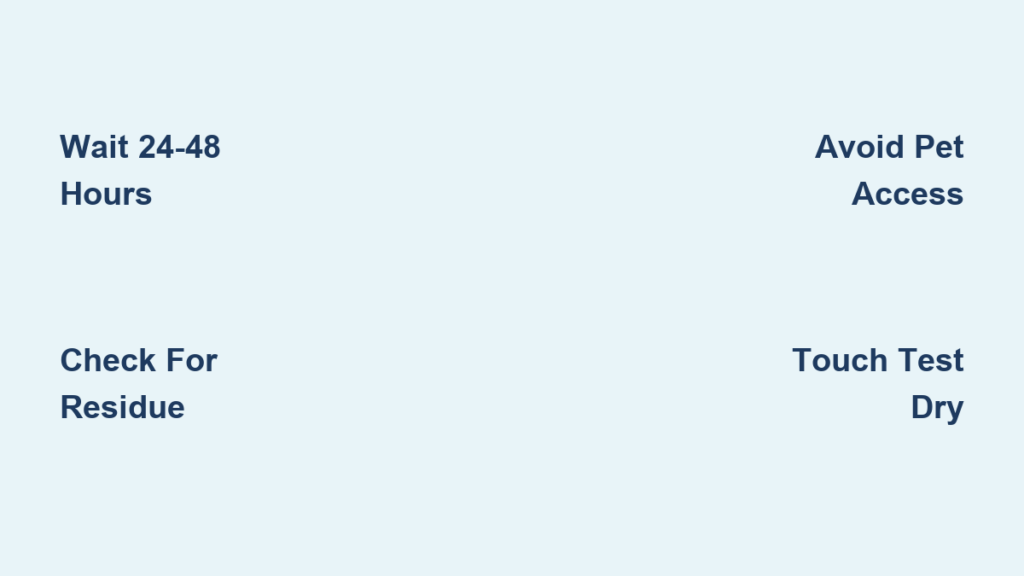
You’ve just finished fertilizing your lawn or had a professional treatment done. Now everyone in the household is asking the same question: how long to stay off lawn after fertilizer? The answer depends on several factors, including the type of fertilizer used, whether additional treatments were applied, and current weather conditions. Waiting too short a time can expose your family and pets to chemicals, while waiting unnecessarily long is simply inconvenient. This guide breaks down exactly how long you should keep everyone off the lawn based on the specific products used and environmental conditions.
Understanding these timelines helps protect children who play close to the ground, pets who lick their paws, and adults who want to avoid skin irritation. The goal is a healthy, green lawn and a safe environment for everyone who uses it.
Liquid vs. Granular Fertilizer Drying Times

The form of fertilizer applied determines most of your waiting time. Different application methods require different safety protocols.
Liquid Fertilizer: Faster Drying Window
Liquid fertilizer dries quickly but must be completely dry before safe re-entry.
• Drying time ranges from 30 minutes to 4 hours depending on conditions
• Safe re-entry begins when grass shows no wetness or shine
• Hot, sunny, low-humidity conditions can reduce drying to 20-30 minutes
• Cool, cloudy, or humid weather may extend drying beyond 4 hours
Once liquid fertilizer dries, it binds to grass blades or soil, significantly reducing the risk of transfer to skin or paws. You can walk on the lawn with shoes after drying, but bare feet and pet contact should wait until you’re certain no residue remains.
Pro Tip: Perform the touch test by rubbing your hand across the grass. If it feels damp, sticky, or shows any residue, wait longer before allowing access.
Granular Fertilizer: Longer Activation Period
Granular fertilizer requires water to activate and cannot simply dry like liquid types.
• Wait 24 hours before watering granular fertilizer to allow pellets to settle
• Water thoroughly after the 24-hour mark to trigger nutrient release
• Full soil absorption takes approximately 24 hours after watering
• Total wait time should be at least 48 hours before re-entry
Until granules dissolve completely, they can stick to shoes, paws, or skin. Pets may also mistake pellets for food, especially if the fertilizer has added scents. Keep everyone off until you’ve watered and the lawn has dried afterward.
Warning: Never allow children or pets on granular-treated lawns until after watering and complete drying.
Combined Treatments: Herbicides and Insecticides
Many lawn treatments combine fertilizer with weed killers or pest control, which significantly extends necessary wait times.
Fertilizer Plus Herbicide: Extended Safety Window
Weed-and-feed products contain herbicides like 2,4-D or dicamba alongside fertilizer.
• These chemicals are designed to kill plants and can irritate skin
• Re-entry intervals typically range from 24 to 72 hours
• Lawn signs indicating “stay off until tomorrow’s sunset” usually signal herbicide presence
• Longer wait times protect against skin contact and hand-to-mouth transfer
Children face higher risk because they play close to the ground and frequently touch their faces. Always assume the longest wait time when herbicides are involved.
Expert Note: Even if the fertilizer portion would be safe sooner, the herbicide component dictates the full waiting period.
Fertilizer Plus Insecticide: Higher Pet Risks
Insecticides target grubs, ants, fleas, and other lawn pests.
• Common active ingredients include imidacloprid and bifenthrin
• Re-entry times range from 24 to 72 hours depending on the product
• Dogs face particular danger from licking paws after walking on treated grass
• Follow the longest re-entry interval when multiple chemicals are applied
Always ask your lawn care provider exactly what products were used. When in doubt, wait the maximum recommended time.
Re-Entry Time by User Type
Different people face different exposure risks based on how they interact with the lawn.
For Children: Maximum Protection Needed
Kids play on the ground, roll around, and often put hands in their mouths.
• Exposure routes include skin contact, hand-to-mouth transfer, and barefoot walking
• Recommended wait time is at least 24 hours, up to 72 hours with herbicides
• Even after re-entry is allowed, children should wash hands after playing outside
• Treat the lawn like a construction zone until you’re certain it’s completely safe
For Pets: Special Caution Required

Dogs and cats groom themselves, making paw licking a major exposure route.
• Paw licking accounts for significant chemical ingestion in dogs
• Lying on grass creates prolonged skin contact with residues
• Granular fertilizers can cause bowel obstructions if eaten
• Minimum wait time of 24-48 hours extends to 72 hours for combined treatments
Vet Advice: If your pet accesses the lawn early, wipe their paws with a damp cloth and watch for vomiting, drooling, or lethargy. Contact your veterinarian if symptoms appear.
For Adults: Lower Risk but Still Caution
Adults walking across the lawn face less exposure than children or pets.
• For liquid fertilizer: wait until fully dry, typically 30 minutes to 4 hours
• For granular fertilizer: wait minimum 24 hours plus watering and drying time
• For combined treatments: wait 24-72 hours depending on products used
• Wear shoes during re-entry and wash hands after touching grass
Weather and Environmental Impact on Wait Time
Outside conditions dramatically affect how quickly your lawn becomes safe.
Hot, Sunny Weather: Faster Drying
Warm, dry conditions accelerate liquid fertilizer drying.
• Liquid applications can dry in as little as 20-30 minutes
• Grass appearance changes from shiny to matte when dry
• Low humidity and direct sunlight create ideal drying conditions
Action Step: Apply liquid fertilizer in the morning on sunny days for afternoon lawn access.
Cool, Humid, or Cloudy Days: Slower Absorption
Poor drying conditions extend wait times significantly.
• Drying may exceed 4 hours even for liquid applications
• Moisture prolongs chemical presence on grass surfaces
• Wait longer than visual appearance might suggest
• Windy conditions help by increasing airflow and evaporation
Rain After Fertilizing: What to Know
Rain can help or hinder depending on when it falls.
• Light rain 2+ hours after application usually helps watering in granular products
• Heavy rain within 2-3 hours may wash away product and reduce effectiveness
• If heavy rain occurs early, contact your lawn care provider about reapplication
• Most modern fertilizers become rainfast within a few hours
Step-by-Step Re-Entry Checklist
Follow this sequence for safe lawn access after fertilization.
Immediately After Application
Keep everyone inside during and immediately after treatment.
• Keep children and pets indoors during application
• Close all gates and doors to prevent accidental access
• Confirm product types with your provider, asking specifically about herbicides or insecticides
First 24 Hours
Avoid activities that could disturb the treatment.
• Do not water granular fertilizer during this period
• Do not mow the lawn
• Avoid walking barefoot or allowing pets to roam
After 24 Hours (Granular Only)
Complete the watering and drying process.
• Water deeply to activate the fertilizer
• Wait for grass to dry, ideally another 24 hours
• Inspect visually to confirm no granules remain visible
Final Safety Check Before Re-Entry
Verify the lawn is truly ready.
• Grass looks and feels completely dry
• No shine, residue, or powder visible on blades
• Minimum wait time has passed for your product type
• If herbicides or insecticides were used, full 72-hour wait is completed
Touch Test: Walk on a small area with shoes. If no stickiness or color transfers to your shoes, you’re likely safe to proceed.
Provider-Specific Guidelines Compared
Different lawn care companies give varying recommendations based on their products.
| Provider | Liquid Fertilizer | Granular Fertilizer | Combined Treatments |
|---|---|---|---|
| Master Lawn | 30 min-1 hr when dry | 24 hrs + water + dry | Follow herbicide REI |
| LawnTech | 2-4 hrs or until dry | 24 hrs minimum | 24-72 hrs advised |
| Turf Badger | 2-4 hrs weather-dependent | Uses liquid only | Consult provider |
Universal Advice: Always ask your provider what was applied. They can give exact re-entry times based on their specific products.
Organic Fertilizers: Are They Safer
Natural fertilizers require the same caution as synthetic products.
Common Organic Types and Risks
Organic fertilizers smell like food to pets, increasing ingestion danger.
• Bone meal and blood meal attract dogs who may eat them
• Ingestion can cause severe bowel obstructions requiring surgery
• Even organic products need 24-hour wait times
• Store all fertilizer bags securely out of pet reach
Myth Busting: “Natural” does not mean “immediately safe.” Organic fertilizers can be more dangerous if ingested because pets find them appealing.
Mowing and Maintenance After Fertilizing
Proper timing protects both safety and treatment effectiveness.
When to Mow Relative to Treatment
Mowing too soon can remove treated grass or spread chemicals unevenly.
• Mow 1-2 days before application for best nutrient uptake
• Wait 24-48 hours after treatment before mowing
• Resume regular mowing after the full re-entry period ends
Visual Signs the Lawn Is Safe
Use these indicators to judge readiness.
What to Look For
The lawn provides visual cues about when re-entry is safe.
• For liquid: grass appears dry with no wet spots or shine
• For granular: no visible pellets and soil is moist after watering
• Touch test shows no residue on hands or shoes
Red Flag: If you can see or feel the product on the grass, it’s not yet safe for barefoot or pet access.
Frequently Asked Questions About Staying Off Lawn After Fertilizer
How long should I wait before letting my dog on the lawn after fertilizing?
Wait at least 24-48 hours after fertilizer application before allowing dogs on the lawn. If herbicides or insecticides were included in the treatment, extend this to 72 hours. Wipe your dog’s paws with a damp cloth after any outdoor activity on recently treated grass.
Can I walk on my lawn immediately after liquid fertilizer?
No. Liquid fertilizer requires drying time before safe walking. Wait 30 minutes to 4 hours depending on weather conditions. The grass should feel completely dry and show no shine before any foot traffic.
What happens if my child plays on the lawn before the wait time is over?
Skin contact may cause irritation or allergic reactions. Hand-to-mouth transfer can lead to ingestion of chemicals. If exposure occurs, wash hands and face thoroughly with soap and water. Contact poison control if any symptoms develop.
Does rain affect how long I should wait after fertilizing?
Light rain generally helps granular fertilizer work into the soil. Heavy rain within 2-3 hours may wash away product. Most modern fertilizers are rainfast within a few hours, but check with your provider if heavy rain occurs early.
Is organic fertilizer safer for pets than synthetic?
No. Organic fertilizers often smell like food and can attract pets who eat them. Bone meal and blood meal pose serious bowel obstruction risks if ingested. Treat organic fertilizers with the same caution as synthetic products.
How do I know if my lawn has herbicide in it?
Lawn signs indicating re-entry restrictions often signal herbicide presence. Ask your lawn care provider what products were applied. If weeds were targeted alongside fertilization, herbicides were likely included.
Key Takeaways for Staying Safe After Lawn Fertilization
The wait time after fertilizing your lawn ranges from 30 minutes to 72 hours depending on product type and treatments applied. Liquid fertilizers dry quickly and allow re-entry in under 4 hours, while granular products require 24 hours before watering plus additional time for absorption. When herbicides or insecticides are mixed in, always assume the longest wait time of 72 hours to protect children and pets. Use the touch test to verify the lawn is truly dry before allowing barefoot traffic, and consult your lawn care provider for product-specific guidance. When in doubt, waiting a few extra hours ensures safety while maintaining treatment effectiveness for a lush, healthy lawn.