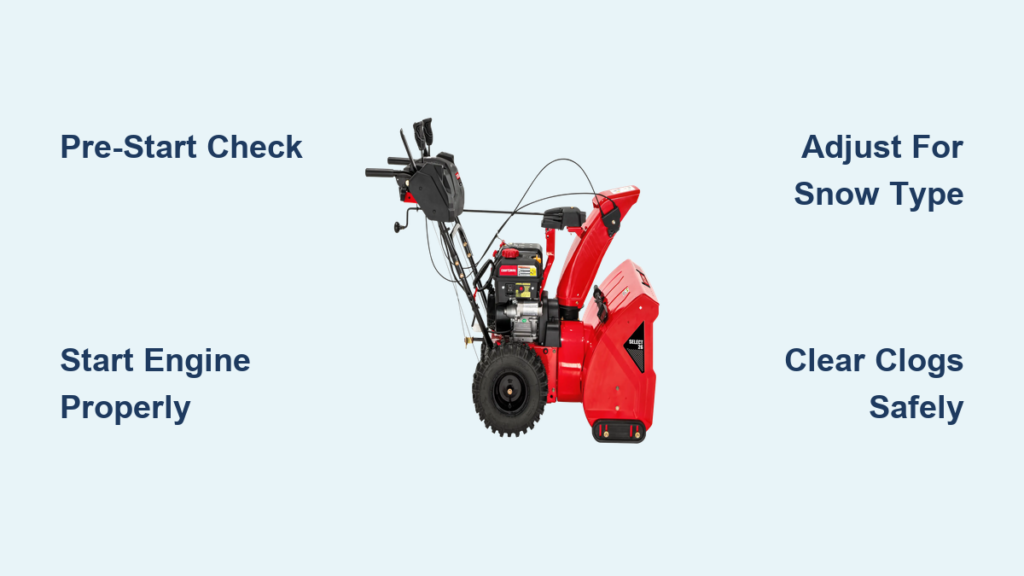
Snow-covered driveways and sidewalks don’t stand a chance when you’ve got a Craftsman snow blower at your side. Known for durability and performance, Craftsman models make winter cleanup faster and less back-breaking than shoveling. But to get the most out of your machine, you need to know how to use it safely and efficiently. Whether you’re a first-time owner or brushing up after a long winter off, this guide walks you through every step from pre-start checks to storage tips so you can clear snow like a pro.
Using a snow blower incorrectly can lead to injury, equipment damage, or poor results. That’s why understanding the basics: starting the engine, adjusting settings, handling different snow types, and shutting down properly, is essential. By the end of this guide, you’ll know exactly how to operate your Craftsman snow blower with confidence, avoid common mistakes, and keep it running season after season.
Pre-Operation Safety Check for Your Craftsman Snow Blower

Before you pull the starter cord or turn the key, take a few minutes to inspect your snow blower. A quick safety check prevents accidents and ensures smooth operation every time you head out.
Clear the Work Area
Remove sticks, rocks, ice chunks, and other debris from your driveway or walkway. These objects can become dangerous projectiles when caught in the auger. Also, watch for hidden obstacles like curbs, pavers, or garden edges that could damage the scraper bar or impeller.
Pro Tip: Walk the area before each use, especially after a thaw-freeze cycle that may expose new hazards.
Inspect for Damage
Check the auger housing, chute, and discharge opening for cracks or wear. Ensure the shear pins or bolts that protect the auger system are intact. If any part looks damaged, repair it before starting.
Look at the skid shoes and scraper bar. These should be level and slightly above the ground to prevent scraping pavement. Adjust if necessary using the mounting bolts.
Fuel and Oil Levels
Confirm the fuel tank is filled with fresh gasoline, preferably ethanol-free or less than 10% ethanol. Old fuel can gum up the carburetor and prevent starting.
Check the engine oil level using the dipstick. Add SAE 5W-30 or the manufacturer-recommended oil if low. Never operate with insufficient oil, as this can destroy the engine quickly.
Starting the Engine on a Craftsman Snow Blower
Cold engines require the right technique to start reliably. Follow these steps to fire up your Craftsman snow blower without frustration.
Choke and Throttle Settings
Set the throttle lever to “Fast” or “Start” position. Engage the choke fully to enrich the fuel mixture for cold starts. If the engine is warm, use partial or no choke.
Note: Some electric-start models have an automatic choke. Refer to your manual if unsure.
Prime the Engine (If Equipped)
On models with a primer bulb, press it 2 to 3 times to send fuel to the carburetor. Don’t over-prime, as this can flood the engine.
Wait 10 seconds between presses to allow fuel absorption.
Pull the Starter Rope
Hold the recoil handle firmly and pull briskly in one smooth motion. Let the rope rewind gently and don’t let it snap back.
If the engine doesn’t start after 3 to 4 pulls, wait 30 seconds to clear excess fuel, then try again with less choke.
For Electric Start Models:
Ensure the battery is charged. Press and hold the safety lever (usually on the handlebar), then turn the key to “Start.” Release the key once the engine runs.
Adjusting Your Craftsman Snow Blower for Snow Conditions

Your snow blower performs best when settings match the type of snow. Adjusting speed, chute direction, and auger depth improves efficiency.
Light, Dry Snow
Use higher forward speed and open the chute fully. Since dry snow is easy to throw, you can cover more ground quickly.
Set the auger to full depth, with the scraper bar just above pavement, to clear completely in one pass.
Wet, Heavy Snow
Slow down your pace. Wet snow clogs the chute more easily and strains the engine.
Partially close the chute to increase throwing force. Clear narrower paths and make multiple passes if needed.
Warning: Running the engine at low speed under heavy load can cause stalling or belt wear.
Deep Snow Drifts
Break up deep snow by making two passes: first, clear the top half, then return to remove the bottom layer.
Avoid forcing the machine forward and let the auger do the work. Pushing too hard jams the impeller and may shear a pin.
Operating Techniques for Best Results
How you handle the snow blower affects both performance and safety. Use proper technique to clear snow efficiently and avoid injury.
Maintain Steady Forward Motion
Move at a consistent pace. Let the auger pull the machine forward and don’t push aggressively. Most single-stage models rely on operator momentum rather than true self-propulsion.
If the machine slows or the engine strains, reduce speed or clear a narrower path.
Control Discharge Direction
Use the chute control lever to rotate the discharge chute left or right. Aim snow where it won’t create new drifts or block exits.
Adjust the deflector up or down to control throw distance. Lower settings are better for short throws or windy conditions.
Pro Tip: In tight spaces, clear snow in sections and reposition the chute frequently to avoid blasting snow onto cleared areas.
Handle Clogs Safely
If snow jams the auger or chute, stop the engine immediately. Wait for all moving parts to stop before clearing.
Use the provided clean-out tool or a wooden stick. Never your hands or metal objects.
To prevent clogs:
– Avoid clearing icy patches or packed snow unless your model is designed for it.
– Use a light coat of non-stick spray (like silicone) on the auger and chute housing before use.
Shutting Down and Storing Your Craftsman Snow Blower
Proper shutdown protects your equipment and prepares it for the next storm.
Turn Off the Engine
Release the safety lever (if equipped) and move the throttle to “Stop” or “Off.” Let the engine idle for 30 seconds if it was under heavy load.
Pull the stop switch or turn the key to off. Wait for the auger to stop completely.
Clear Residual Snow
Use the clean-out tool to remove any snow stuck in the chute or housing. Leftover moisture can freeze overnight and cause starting issues.
Wipe down the exterior with a dry cloth, especially metal surfaces, to prevent rust.
Store Properly
Park the snow blower in a dry, covered area like a garage or shed. If storing for the season, follow fuel stabilization steps below.
Keep children and pets away from stored equipment.
Winter Maintenance Tips for Craftsman Snow Blowers
Regular upkeep keeps your Craftsman snow blower running strong all winter long.
Check Shear Pins Regularly
Shear pins protect the auger gearbox by breaking when the auger hits solid objects. Inspect them after each use and replace if damaged.
Never substitute with regular bolts. Use only OEM or approved replacement pins.
Lubricate Moving Parts
Apply light grease to the auger bearings and chute rotation mechanism every few uses. This prevents rust and ensures smooth operation.
Check the drive cable on self-propelled models for fraying or sticking.
Monitor Tire Tread and Pressure
Inflate tires to the recommended PSI (usually 10 to 15). Worn or underinflated tires reduce traction, especially on icy surfaces.
Clean out packed snow from treads after each use.
Fuel Management for Longevity
Fuel quality directly impacts engine reliability. Poor fuel causes hard starts, stalling, and carburetor damage.
Use Fresh, Stabilized Gasoline
Always use gasoline less than 30 days old. For longer storage, add fuel stabilizer at every fill-up.
Mix stabilizer at the ratio specified on the bottle, typically 1 oz per gallon.
Drain or Stabilize for Off-Season
If storing the snow blower for more than 30 days:
– Run the engine until it stalls to empty the carburetor (or use a fuel shut-off valve if equipped).
– OR fill the tank with stabilized fuel and run for 5 minutes to circulate it.
This prevents varnish buildup and corrosion.
Never store with untreated gasoline. It degrades in weeks and can ruin the engine.
Troubleshooting Common Issues
Even well-maintained snow blowers can have problems. Here’s how to fix the most frequent ones.
Engine Won’t Start
Check:
– Fuel level and freshness
– Choke and throttle position
– Oil level (low oil may trigger safety switch)
– Spark plug condition (clean or replace if fouled)
Try priming and pulling with full choke. If no success, check for spark or clogged fuel lines.
Auger Not Turning
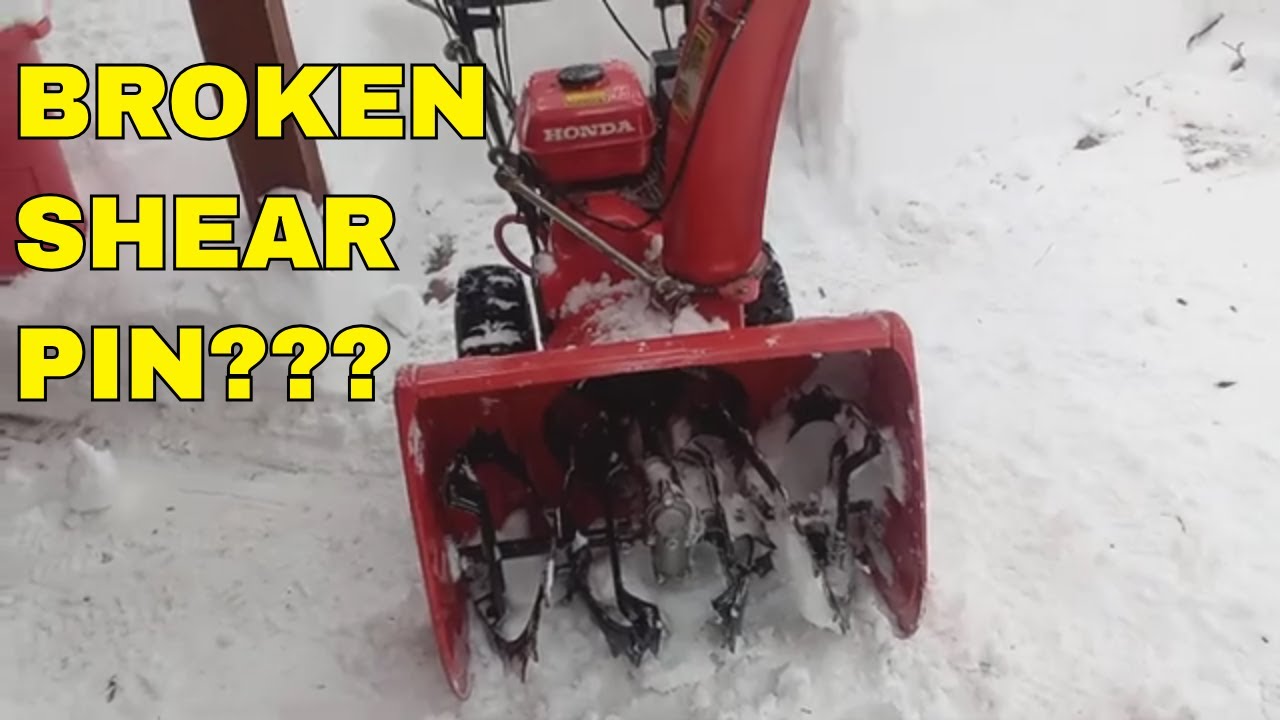
If the engine runs but the auger is still, the shear pin may be broken.
Steps:
1. Turn off engine and wait.
2. Inspect both sides of the auger shaft.
3. Replace broken pin with correct type.
4. Reassemble and test.
If the auger still doesn’t turn, the belt may be loose or broken. Inspect the drive belt for wear.
Snow Blower Loses Power
Possible causes:
– Clogged chute or auger housing
– Wet snow overload
– Dirty air filter
– Old or contaminated fuel
Clear blockages, clean the air filter, and check fuel quality. Operate at a slower pace in heavy snow.
Safety Reminders Every Operator Should Know
Your Craftsman snow blower is powerful. Respect it. Follow these rules to stay safe.
Never Clear Chute by Hand
Always shut off the engine and wait 10 seconds for parts to stop. Use only the clean-out tool.
Serious injury can occur if the auger restarts unexpectedly.
Wear Proper Gear
Use:
– Insulated, waterproof gloves
– Steel-toe or sturdy boots
– Goggles or safety glasses (flying snow and ice are hazards)
– High-visibility clothing
Avoid loose scarves or coats that could catch in moving parts.
Keep Bystanders Away
Maintain a 15-foot clearance around the machine. Children and pets should stay indoors during operation.
Frequently Asked Questions About Craftsman Snow Blowers
How often should I change the oil in my Craftsman snow blower?
Check the oil level before each use and change it after the first 5 hours of operation, then every 25 hours or once per season. Fresh oil keeps the engine lubricated and prevents premature wear.
Can I use my Craftsman snow blower on gravel driveways?
It’s not recommended unless your model has adjustable skid shoes set high enough to avoid contacting the gravel. Rocks caught in the auger can cause serious damage or dangerous projectiles.
What type of fuel is best for a Craftsman snow blower?
Use clean, fresh gasoline with no more than 10% ethanol. Ethanol attracts moisture and can corrode fuel system components. For seasonal storage, always add a fuel stabilizer.
Why does my snow blower keep stalling in deep snow?
Stalling usually means the auger is overloaded. Slow your pace, take smaller bites of snow, and avoid forcing the machine forward. Wet, heavy snow is especially hard on the engine.
How do I prevent ice from building up in the chute?
Apply a silicone-based spray or non-stick cooking spray to the chute and auger housing before each use. This helps snow slide through without sticking and refreezing.
Should I run my snow blower out of gas before storing it?
Yes, for storage longer than 30 days. Either run the engine until it stalls to burn remaining fuel, or add stabilizer and run for 5 minutes to coat the carburetor. Old fuel causes hard starts and varnish buildup.
Final Tips for Using Your Craftsman Snow Blower
Using your Craftsman snow blower effectively isn’t just about starting and clearing. It’s about smart habits from start to finish. Stick to a routine: inspect before each use, adjust for snow type, clean after every run, and maintain key components weekly.
By doing so, you’ll reduce breakdowns, improve performance, and make snow removal faster and safer. And when the season ends, take time to winterize properly so your machine starts strong next year.
Now that you know how to use a Craftsman snow blower the right way, you’re ready to tackle winter with confidence. No back strain, no guesswork, just clean, clear paths every time.