If your lawn stays soggy after rain, has uneven patches, or feels hard underfoot, you might have seen advice suggesting a simple fix: add sand. At first glance, spreading sand on grass seems counterintuitive, yet many homeowners and professionals do it regularly, especially in areas with stubborn clay soil or high foot traffic. So why do people put sand on their lawn? The answer lies in a mix of science, soil structure, and seasonal maintenance.
Sand is not a fertilizer or miracle grower, but it can transform how your lawn functions beneath the surface. When applied correctly, sand improves drainage, levels dips, reduces compaction, and helps manage thatch. However, it is not for every yard. Misuse can lead to poor root development, water runoff, or a soil texture that resembles concrete. The key is knowing when, how, and what kind of sand to use.
Leveling Uneven Lawn Surfaces
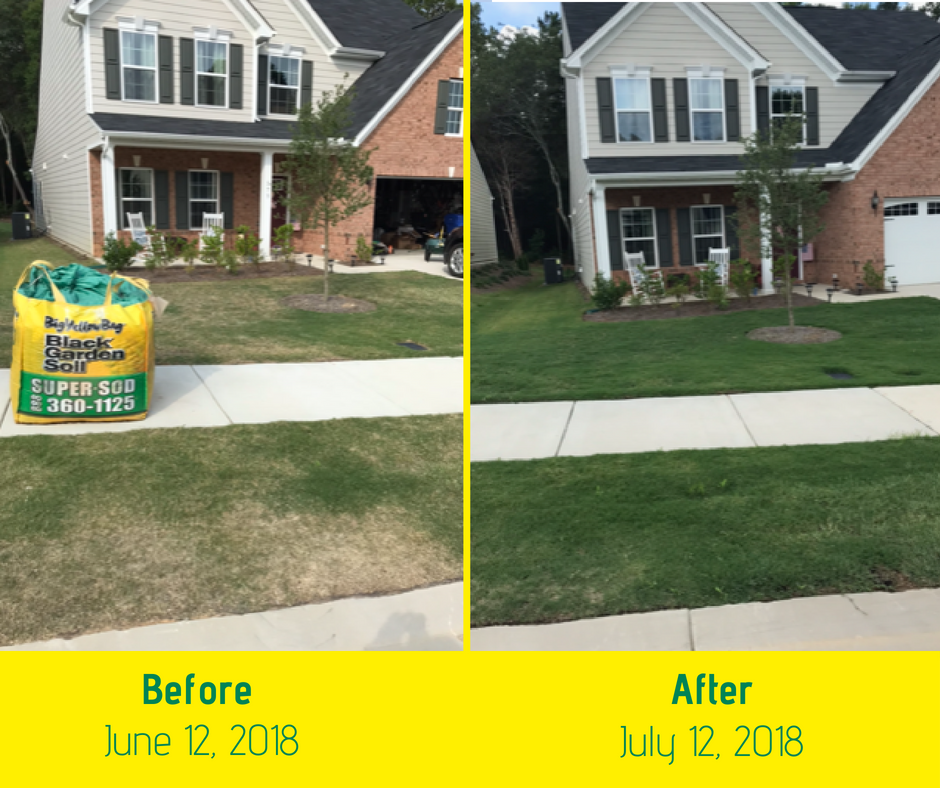
One of the most common reasons people apply sand is to smooth out a lumpy or sunken lawn. Over time, lawns develop depressions from frost heave, soil settling, or heavy foot traffic. These low spots collect water, create mower scalping risks, and ruin curb appeal.
Fill Small Depressions Effectively
For minor dips less than two inches deep, a thin layer of sand can do wonders. Spread 0.5 to 1 liter per square meter, then rake or brush it in. Grass will gradually grow through the sand, creating a level surface.
- Never fill deep holes with pure sand. Without organic matter, grass roots will not thrive. Use a 50/50 mix of topsoil and sand instead to support root growth and prevent future sinking.
Avoid Overfilling with Sand
Burying grass under thick layers of sand suffocates it. Always leave the green tips visible after application. If the depression is too deep, repeat the process over several weeks, adding thin layers each time.
Improve Drainage in Clay Soils
Poor drainage is a top complaint among homeowners, especially in regions with heavy clay soils like the southeastern U.S. Standing water drowns grass, encourages fungal diseases, and breeds mosquitoes.
Break Up Dense Clay Layers
Clay holds water like a sponge but drains slowly. Mixing sand into the soil, especially after core aeration, opens up pore spaces and allows water to move downward instead of pooling on the surface.
- Applying sand without aeration can backfire. Sand sitting on top of clay may form a water-resistant barrier, like a concrete slab. Always aerate first.
Support Better Root Zone Conditions
When sand fills aeration holes, it creates permanent channels for air and water. Over time, this improves soil structure, encourages deeper roots, and reduces soil density in high traffic areas like play zones or pet runs.
Reduce Soil Compaction
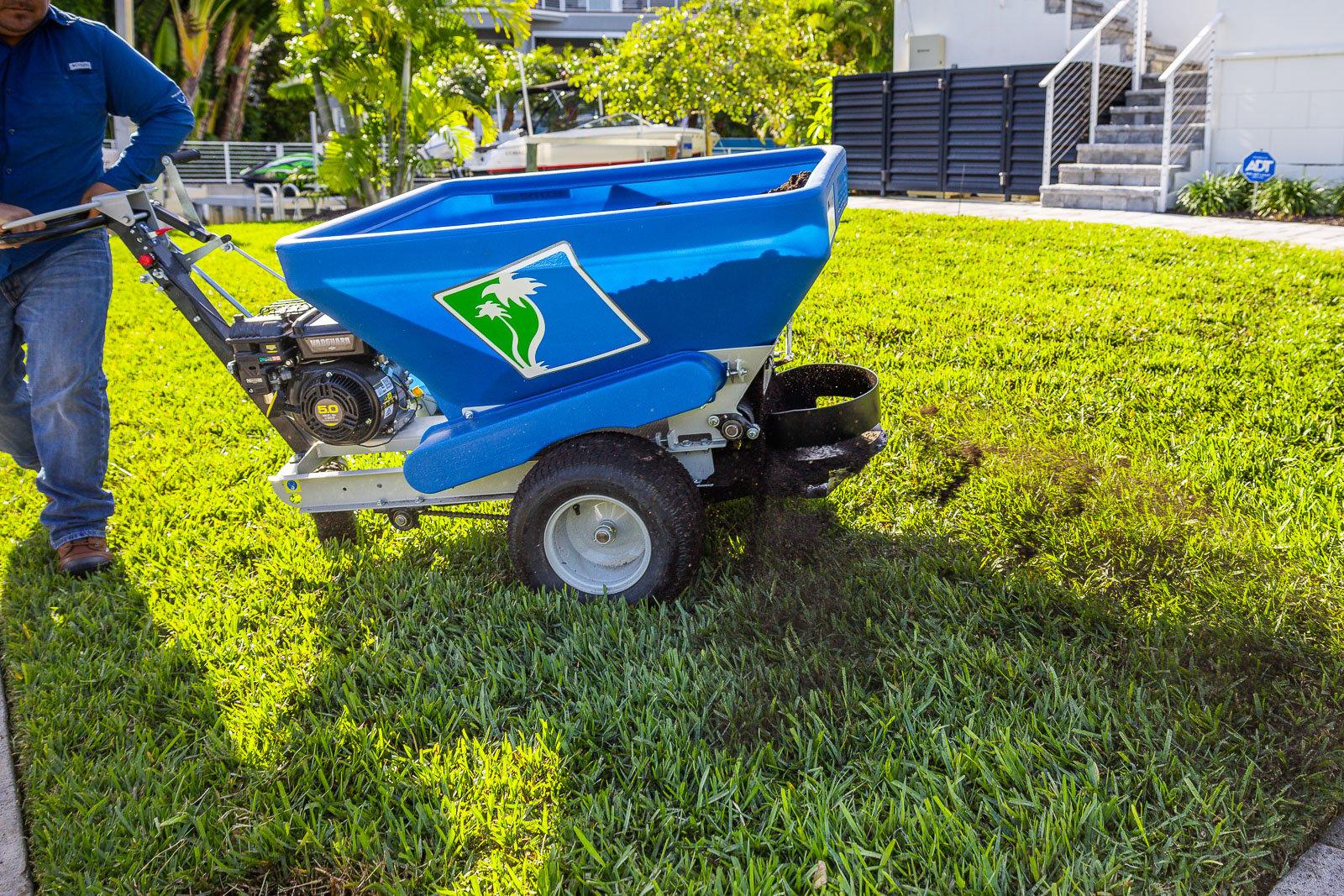
Lawns become compacted from mowing, foot traffic, and heavy rainfall. Compressed soil blocks oxygen, limits root expansion, and restricts nutrient uptake, leading to thin, weak grass.
Loosen Tightly Packed Soil
Fine quartz sand, when worked into the lawn after aeration, acts like tiny spacers between soil particles. This increases porosity, allowing roots to breathe and grow deeper.
- If water runs off instead of soaking in, or if a screwdriver barely penetrates the soil, compaction is likely the problem.
Maintain High-Traffic Zones
Backyard play areas, dog paths, and entryways benefit most from sand topdressing. Combined with regular aeration, sand helps maintain a resilient turf surface that resists wear.
Enhance Root Development and Turf Density
A strong lawn starts underground. By improving soil texture and drainage, sand indirectly boosts root health, leading to thicker, more drought-tolerant grass.
Encourage Deeper Root Growth
Sandy soils warm faster and drain better, prompting roots to grow downward in search of moisture. This results in a more stable, resilient lawn.
Stimulate Lateral Grass Spread
Warm-season grasses like Bermuda and Zoysia thrive in sandy conditions. Sand promotes tillering, the process where grass spreads sideways, filling in bare spots naturally.
Manage Thatch Buildup
Thatch is a spongy layer of dead roots and stems that can block water and fertilizer from reaching the soil. When it exceeds half an inch, it becomes a problem.
Dilute Organic Debris with Sand
After scarifying, applying sand helps break down remaining thatch by introducing mineral particles that boost microbial activity.
- Golf courses routinely topdress putting greens with sand to control thatch and maintain smooth roll.
Prevent Thatch Recurrence
Regular sand applications after aeration help maintain a balanced soil profile, reducing future thatch accumulation in dense grass types like Kentucky bluegrass or Bermuda.
Support Warm-Season Grasses
Not all grasses like sand. But if you grow Bermuda, Zoysia, or St. Augustine, a bit of sand might be exactly what your lawn needs.
Match Grass to Soil Preference
These grasses evolved in sandy, well-drained environments. Adding sand mimics their natural habitat and improves growth and wear tolerance.
| Grass Type | Benefits from Sand | Notes |
|---|---|---|
| Bermuda | Yes | Spreads faster, tolerates heat better |
| Zoysia | Yes | Recovers well from dormancy |
| St. Augustine | Moderate | Prefers some organic matter |
| Tall Fescue | No | Needs moisture-retentive soil |
| Kentucky Bluegrass | Limited | Only for leveling, not routine use |
- If your grass thrives in the South, it likely benefits from sand. If it is common in the North, compost is usually better.
Best Time to Apply Sand
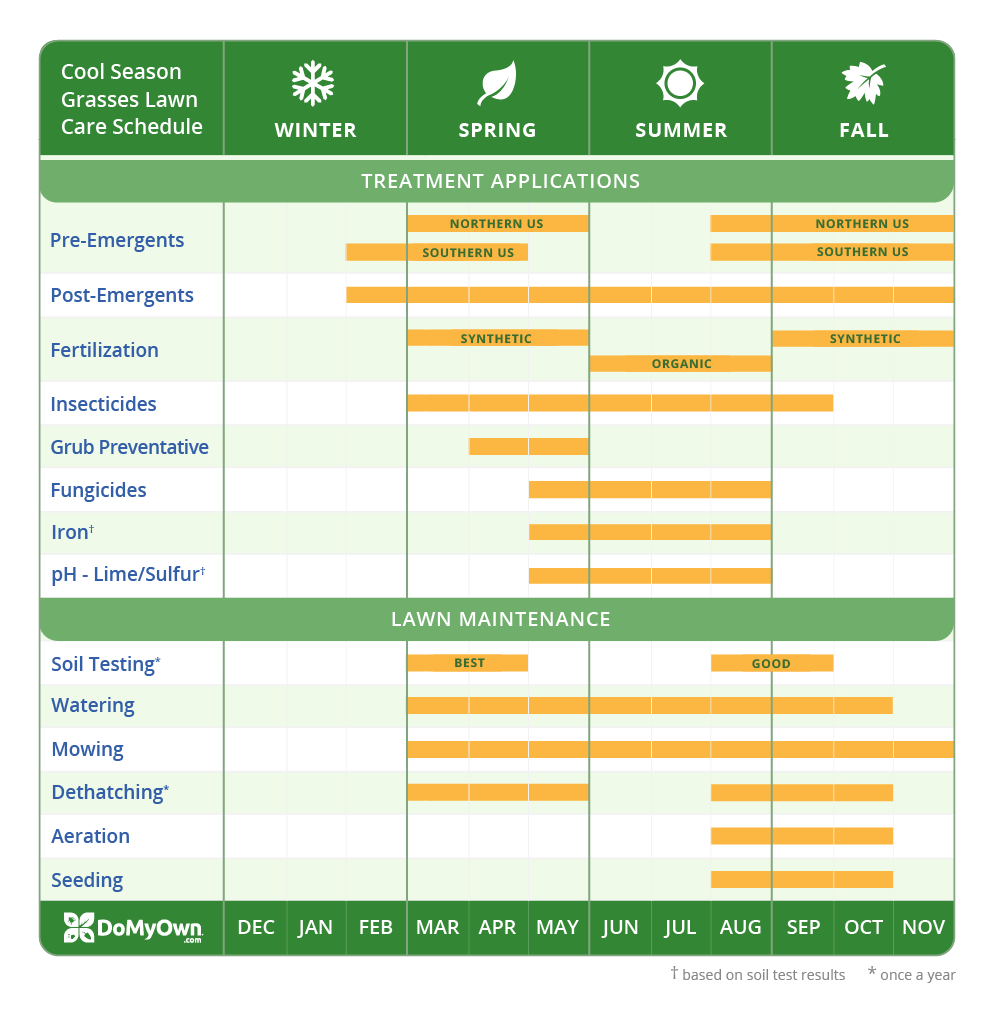
Timing matters. Apply sand when your lawn can recover quickly and integrate it into the soil.
Spring and Early Fall Are Ideal
Grass is actively growing during these seasons. Weather is mild, not too hot or dry. Enough time remains for sand to settle before dormancy.
Avoid These Conditions
- Drought or extreme heat increases evaporation and stress.
- Heavy rain or wet soil causes sand to clump and not penetrate.
-
Winter dormancy means grass will not grow through the layer.
-
Mow your lawn short before applying sand. This helps the material reach the soil surface.
Choose the Right Type of Sand
Not all sand is created equal. Using the wrong kind can do more harm than good.
Use These Sand Types
| Type | Why It Works |
|---|---|
| Fine Quartz Sand | Inert, clean, ideal for drainage and aeration |
| Masonry Sand | Smooth, fine texture, widely available |
| Lawn Sand | Specifically graded for turf use |
| Sandbox Sand | Acceptable if confirmed clay-free |
Avoid These Sands
| Type | Why to Avoid |
|---|---|
| Play Sand | Contains clay, forms impermeable layers |
| Construction Sand | Coarse, may contain salts or limestone |
| Beach Sand | Salty and gritty, harms grass |
| Colored Sand | Chemical dyes can leach into soil |
- Sand with limestone raises soil pH and harms acid-loving grasses.
How to Apply Sand Correctly
Applying sand is simple, but doing it right ensures results without damage.
Step-by-Step Sand Application
- Aerate or scarify first to open the soil.
- Mow lawn short to about 1.5 to 2 inches.
- Spread thin layer using a shovel or spreader at 0.5 to 1 liter per square meter.
- Work sand into turf using a broom, rake, or drag mat.
- Water immediately to help sand settle and activate soil microbes.
- Grass tips should still be visible after application. If not, you have applied too much.
Combine Sand With Other Lawn Care
Sand works best as part of a broader maintenance plan.
With Aeration: Maximize Impact
This is the gold standard combination. Aeration creates holes, and sand fills them. Over time, this breaks up compaction and improves soil structure.
With Scarifying: Break Down Thatch
After removing thatch, sand helps integrate mineral particles into the canopy, speeding recovery and smoothing the surface.
With Fertilizer: Boost Recovery
Apply a nitrogen-rich organic fertilizer after sanding to help grass recover. Avoid lime at the same time because it can react with fertilizer.
With Reseeding: Repair Thin Areas
If your lawn is sparse, overseed with perennial ryegrass after sanding. It germinates fast and fills gaps quickly.
Know Your Soil Type
Sand is not a one-size-fits-all solution. Your soil type determines whether it helps or hurts.
Clay Soil: Best Candidate
Heavy and slow-draining clay soil benefits greatly from sand after aeration. It improves texture and reduces puddling.
Sandy Soil: Do Not Add More
Sandy soil already drains too fast. Adding sand reduces water and nutrient retention. Use compost instead to improve moisture holding.
Loamy Soil: Only for Leveling
Loamy soil is balanced and fertile. Sand is unnecessary unless fixing minor dips. Compost is a better amendment for long-term health.
Regional Differences in Sand Use
Lawn care varies by climate and soil type, so does sand use.
Common in the South
States like Georgia, Florida, and Texas have clay-heavy soils and warm-season grasses. Sand topdressing is routine in both homes and golf courses.
Rare in the North
Loamy or silty soils dominate. Cool-season grasses prefer organic matter. Compost or topsoil is favored over sand.
Standard on Golf Greens
Putting surfaces are often 80 to 90 percent sand. This ensures fast drainage and smooth roll. Home lawns do not need this extreme approach.
Better Alternatives to Sand
Sand has specific uses but adds no nutrients. For overall lawn health, consider these options.
Use Compost for Soil Building
Compost adds nutrients, improves texture, and feeds microbes. It helps retain water in sandy soils and can be mixed with sand for dual benefits.
Try Topsoil Blends for Repair
Topsoil blends are ideal for patching bare spots or rebuilding thin areas. They contain organic matter and beneficial microbes.
Skip Sand with Aeration Alone
For mild compaction, aerating once a year may be enough. It is less risky and more cost-effective.
Special Cases and Exceptions
Some situations call for careful sand use or alternatives.
Sodded Lawns
Wait at least one year after installation before sanding. Roots need time to anchor into native soil.
Exposed Tree Roots
Never pile pure sand on roots because it suffocates them. Use a 1:1 mix of soil and compost in thin layers to protect roots while feeding the tree.
Garden and Sidewalk Uses
Carrots and beets grow straighter in sandy soil. Sand on icy sidewalks provides traction without harming pets or plants, unlike salt.
Debunking Common Myths
Let us clear up some confusion.
Sand Feeds the Lawn
False. Sand is mineral-only and improves structure but provides zero nutrients. Use compost or fertilizer for feeding.
All Sand Is the Same
False. Grain size and purity matter. Fine, washed sand works. Dusty or clay-laden sand harms.
More Sand Equals Better Drainage
Dangerous. Over-application creates impermeable layers. Less is more; apply in thin, even coats.
Home Lawns Need Golf Green Treatment
Misleading. Golf greens are engineered with sand bases. Most home lawns are not and do not need to be.
When to Use Sand and When Not To
Do Use Sand If You
- Have clay soil with poor drainage.
- Need to level minor dips.
- Maintain Bermuda, Zoysia, or St. Augustine.
- Just completed aeration or dethatching.
- Use fine, washed quartz or masonry sand.
Avoid Sand If You
- Have sandy or loamy soil.
- Want to improve fertility, use compost instead.
- Live in a cool-season grass zone.
- Lack proper tools or experience.
Frequently Asked Questions About Sand on Lawns
Can I put sand on my lawn myself?
Yes, you can apply sand yourself. The process involves mowing short, aerating first, spreading 0.5 to 1 liter per square meter, raking it in, and watering thoroughly. However, using the wrong sand type or applying too much can damage your lawn.
Does sand help grass grow better?
Sand does not provide nutrients, so it does not directly help grass grow. It improves soil structure, drainage, and aeration, which indirectly supports healthier roots and denser turf, particularly for warm-season grasses.
What happens if I use the wrong sand on my lawn?
Using play sand or sand with clay can form impermeable layers that trap water and suffocate roots. Beach sand contains salt that harms grass. Always use fine, washed quartz sand or masonry sand.
How often should I sand my lawn?
For most lawns, sanding once per year after aeration is sufficient. Sandy soils do not need sanding at all. Clay soils benefit from annual topdressing combined with core aeration.
Can sand kill my grass?
Yes, applying too much sand or burying grass completely can kill it. Grass needs light and air. Always leave grass tips visible, and never apply thick layers without aerating first.
Key Takeaways for Using Sand on Your Lawn
Sand can be a powerful tool when used wisely. It is not a cure-all, but for clay soils and warm-season lawns, it is a proven method to improve drainage, smooth surfaces, and support healthier turf. Pair sand with aeration, use the right type, and apply in moderation. For most lawns, however, compost remains the superior choice for long-term soil health. Know your soil, know your grass, and let that guide your decision because the best lawn care is always the right care for your yard.