As fall deepens and temperatures drop, many homeowners wonder when to stop watering lawn. The answer is not a single date on the calendar. It depends on grass type, local weather, soil conditions, and active lawn care tasks. Watering too soon can waste resources and encourage disease, but stopping too early risks winter damage and poor spring recovery. This guide delivers a clear, science-backed approach to help you make the right call based on real growth signals, not just the month.
The key is understanding that grass does not go dormant because it is November. It goes dormant when growth stops. Until that point, your lawn may still benefit from strategic watering. By monitoring nighttime temperatures, soil moisture, and grass activity, you can extend root health safely into late fall. Even after general irrigation ends, targeted watering for fertilizer, seed, or herbicide applications remains essential.
Grass Growth Signals Dormancy
Night Temperatures Below 40°F: Time to Taper
When nighttime temperatures consistently fall below 40°F (4.4°C), cool-season grasses like Kentucky bluegrass and fescue slow their growth significantly. This is your first real signal to begin reducing irrigation. At this stage, roots are still active but metabolic demand drops, meaning less water is needed.
Do not stop abruptly. Gradually extend the time between watering sessions. A sudden cutoff can stress turf already coping with cooling soil. Instead, shift from weekly to every 10 to 14 days if no rain occurs.
Pro Tip: Use a minimum/maximum thermometer to track overnight lows. Once you see five consecutive nights below 40°F, start cutting back.
Ground Freeze Means Irrigation Off
Once the soil freezes, watering becomes pointless and potentially harmful. Frozen ground prevents water from reaching roots, leading to surface ice, puddling, and possible damage to walkways or irrigation components.
Even if daytime temps rise above freezing, frozen soil blocks root access. This is the definitive endpoint. Stop all watering when the ground is solidly frozen or when nighttime temps stay below 30°F for multiple days.
Visual Cue: If a screwdriver will not penetrate the soil past 2 to 3 inches, the ground is likely too cold or frozen to absorb water.
Fall Watering: Why It Matters
Prevent Winter Kill with Late Hydration
Stopping irrigation in mid-October may seem logical, but it often backfires. Lawns that dry out too soon enter premature dormancy due to drought stress, not natural seasonal change. This weakens root systems and increases vulnerability to winter desiccation, especially in windy areas.
Hydrated lawns store more carbohydrates and moisture over winter. This leads to stronger spring green-up, less turf loss, and reduced need for reseeding.
Expert Insight: Lawns that stay hydrated into November go dormant naturally. This is healthy dormancy.
Deep Roots Need Fall Moisture
Root growth continues in fall even after top growth slows. The roots use this time to rebuild reserves lost during summer stress. Without adequate moisture, root development stalls, leaving turf shallow-rooted and fragile.
Water deeply but infrequently, just enough to moisten the top 6 to 8 inches of soil. This encourages roots to grow downward, creating a more resilient lawn.
Avoid: Light, daily sprinkling. It promotes shallow roots and fungal disease.
Cool-Season vs. Warm-Season Grass Timing
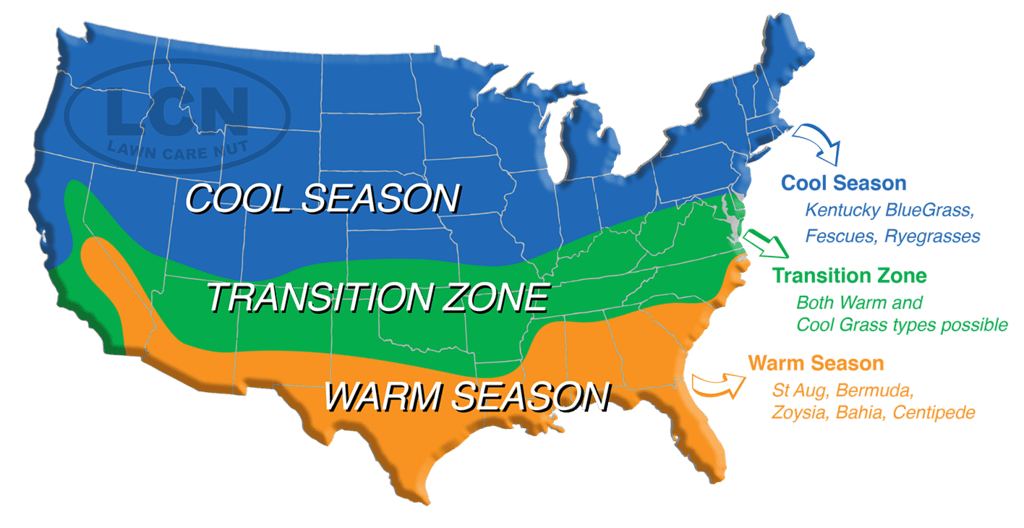
Cool-Season Lawns: Water Later
If you are in the North, Midwest, or Northeast, you likely have cool-season grasses like Kentucky bluegrass, tall fescue, or ryegrass. These thrive in fall and remain active until cold shuts them down.
When to stop watering cool-season lawns:
– Begin reducing water in late October
– Final irrigation typically falls between late October and mid-November
– Stop completely when nights stay below 40°F or ground freezes
These grasses benefit from hydration right up to dormancy. A well-watered lawn in November can survive winter better than one cut off in October.
Regional Note: In Michigan and similar windy regions, desiccation risk increases. Many homeowners water until just before sprinkler blowout.
Warm-Season Lawns: Cut Back Earlier
Southern lawns with Bermuda, Zoysia, or St. Augustine go dormant as temperatures drop below 55°F. Their growing season ends earlier, so irrigation should taper off in late October.
When to stop watering warm-season lawns:
– Reduce watering as grass turns brown
– Stop regular irrigation by early November
– Exception: In dry spells with temps above 50°F, light watering may prevent excessive drying
Unlike cool-season grasses, warm-season types do not need late-fall hydration for root building. But in regions with mild winters, occasional watering during dry periods can prevent drought damage.
Weather and Environmental Triggers
First Frost Does Not Mean End of Watering
Many assume the first frost means it is time to stop watering. This is not true. Frost happens when air temperature hits 32°F, but soil stays warmer longer, often around 50°F at root depth.
Since roots are still active, watering on the day of the first frost is safe and even beneficial. It can slightly warm the soil and protect crowns from sudden cold.
Myth Busted: Watering after frost damages pipes. This is not true if you are using an in-ground system designed for seasonal use.
Rainfall Changes the Game
If your area gets consistent rainfall, especially one good soak every 10 to 14 days, supplemental watering may not be needed.
Use a rain gauge to track precipitation. Light, scattered showers often do not penetrate deeply. If less than 0.5 inches fall in a week and soil feels dry, irrigate.
Warning: Do not combine irrigation with heavy rain. Overwatering leads to soggy soil, thatch buildup, and fungal diseases like brown patch.
When to Stop Watering: Key Scenarios
Persistent Rain or Wet Soil
If the ground is already saturated, stop all irrigation. Wait until soil dries before resuming. Test by squeezing a handful. If water drips out, it is too wet.
Overwatering in fall creates ideal conditions for fungal diseases like snow mold, thatch buildup, weed invasion, and soft, unstable turf.
Red Flag: Mushy lawn, standing water, or foul odor indicate anaerobic soil.
Active Fungal or Pest Problems
Moisture feeds fungi. If you see signs of dollar spot, brown patch, or fusarium, reduce or stop watering until the issue is treated.
Similarly, pests like grubs and chinch bugs thrive in moist soil. Drier conditions can help suppress populations.
Action Step: Address disease first with proper fungicide, then resume watering only when needed and safe.
Local Water Restrictions
Drought regulations may force early irrigation cutoffs. In these cases, prioritize essential watering like fertilizer, seed, or herbicide applications. Skip general lawn irrigation. Use drought-tolerant grass varieties long-term.
Check with your municipality for seasonal rules. Some allow hand-watering even during bans.
Soil Type Adjusts Watering Needs
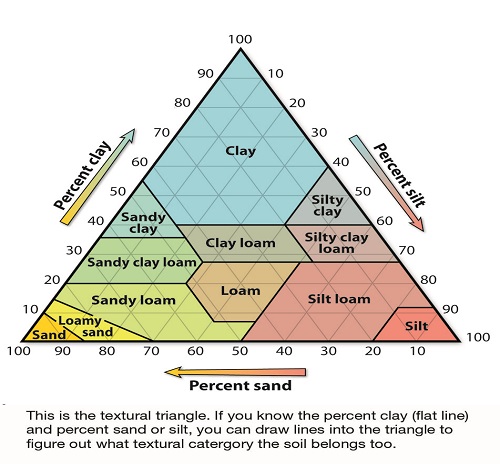
Clay Soil: Water Less, More Often
Clay holds water tightly but drains slowly. In fall, this increases runoff and saturation risk.
Best approach for clay:
– Use short, frequent watering like 15 minutes
– Allow time to absorb between sessions
– Avoid watering before rain
Tip: Use cycle-and-soak method to prevent puddling.
Sandy Soil: Water More Frequently
Sand drains quickly and dries out fast, especially in windy fall conditions.
Recommended for sand:
– One-third inch of water, three times per week
– Monitor closely during dry spells
– More prone to drought stress
Sandy lawns benefit most from late-fall watering due to low moisture retention.
Loam and Silt: Balanced Needs
Loam holds moisture well without waterlogging. Silt is similar but can erode if overwatered.
Fall schedule for loam:
– Half inch of water, twice per week
– Reduce as temps drop
– Stop when growth ceases
A soil test from your local extension office can confirm your type and refine your schedule.
Watering During Lawn Treatments
After Fertilizing: Always Water
Even in late fall, water immediately after applying fertilizer, especially winterizer formulas. This moves nutrients into root zone, prevents fertilizer burn, and maximizes uptake before dormancy.
User Practice: My last nitrogen application is going down today. I am watering after that.
Skip this step and you risk wasting product or damaging grass.
Overseeding: Keep Soil Moist
New seed needs consistent moisture to germinate, about 5 to 10 days of daily watering.
Fall seeding tips:
– Water lightly each day, morning is best
– Use gentle spray to avoid washing seeds
– Reduce frequency once seedlings establish
Stopping too soon kills young grass. Continue until seedlings are 1 to 2 inches tall.
Applying Herbicides: Follow Label Rules
Some herbicides require watering in. Pre-emergents often need 0.25 to 0.5 inches of water to activate. Post-emergents may need to stay dry for 24 hours.
Always read the label. Watering at the wrong time reduces effectiveness.
After Aeration: Water to Heal
Aeration opens soil, allowing air, water, and nutrients to reach roots. Water within 24 hours to help roots recover, settle soil, and support overseeding if done together.
Best done when soil is moist but not soggy. Dry soil is hard to aerate, wet soil compacts.
Signs You Still Need to Water
Grass Shows Stress Signals
Even in fall, watch for signs your lawn needs water. Dull, bluish-gray color indicates drought stress. Footprints remain visible after walking on the lawn. Grass blades fold or roll. Soil pulls away from edges.
These are clear indicators of drought stress, especially dangerous in windy, dry conditions.
Critical Note: In Michigan and Indiana, high winds increase desiccation risk, making late watering crucial.
Soil Is Dry Below Surface
Check moisture by digging 4 to 6 inches down. If soil is dry at root level, it is time to water, even in November.
Tool Tip: Use a soil probe or screwdriver. If it will not go deep, the soil is too dry.
When to Stop: Decision Framework
Use This Checklist
| Condition | Action |
|---|---|
| Night temps below 40°F for 5+ days | Begin tapering irrigation |
| Grass stopped growing | Reduce frequency |
| Ground frozen | Stop all watering |
| Active fungus or pests | Reduce or suspend watering |
| 1+ inch rain per week | Skip irrigation |
| Sprinkler blowout scheduled | Last water just before service |
| Applying fertilizer, seed, or herbicide | Water as needed |
This framework helps you make data-driven decisions, not calendar-based guesses.
Final Watering Timeline for Cool Climates
Step-by-Step Fall Schedule
| Date | Action |
|---|---|
| October 1 to 15 | Reduce to once per week if dry |
| October 20 | Water if no rain, 0.5 inch max |
| October 30 | Optional light watering if soil dry |
| November 10 | Final recommended irrigation for most |
| After first frost | Stop unless treatment requires water |
| Ground freeze | Cease all watering |
Pro Tip: Monitor Potential Evapotranspiration (PET). In late fall, PET drops to about 0.10 inches per day, meaning grass loses less water so you need to replace less.
Frequently Asked Questions About When to Stop Watering Lawn
When should I stop watering my lawn in fall?
Stop watering when grass stops growing or when nighttime temperatures consistently stay below 40°F. For most cool-season lawns, this means late October to mid-November. Stop completely when the ground freezes.
Does the first frost mean I should stop watering?
No. The first frost only affects air temperature. Soil stays warmer at root depth, around 50°F. Grass roots remain active, so watering on frost days is safe and can protect crowns from sudden cold damage.
Can I stop watering warm-season grass earlier than cool-season grass?
Yes. Warm-season grasses like Bermuda and Zoysia go dormant earlier, usually in late October. You can reduce irrigation earlier for warm-season lawns compared to cool-season varieties.
What happens if I stop watering too early?
Stopping too early causes premature dormancy from drought stress. This weakens root systems, increases winter desiccation risk, and leads to more spring damage and turf loss.
Should I water my lawn after applying fertilizer in late fall?
Yes. Always water after applying fertilizer to move nutrients into the root zone. This prevents fertilizer burn and ensures proper uptake before dormancy.
How do I know if my soil is too dry to stop watering?
Dig 4 to 6 inches down. If soil is dry at root level, you still need water. Also watch for visual signs like dull bluish-gray color, visible footprints, or folded grass blades.
Key Takeaways for When to Stop Watering Lawn

Knowing when to stop watering lawn is not about hitting a specific date. It is about reading your lawn signals. Cool-season grasses need hydration into November. Warm-season types can taper earlier. Stop only when growth halts or the ground freezes, and never skip watering after essential treatments like fertilization or overseeding.
Monitor nighttime temperatures below 40°F as your first signal to reduce watering. Watch for ground freeze as the definitive stop point. Adjust for soil type, with clay needing less frequent watering and sand requiring more attention. Keep watering for any active lawn treatments until they are fully absorbed.
With this approach, you will protect your turf all winter and enjoy a healthier, greener lawn come spring. A few extra waterings in late fall prevent costly spring repairs. Fixing a lawn damaged by winter kill is time-consuming and costly. Preventing the problem in fall is far easier.