Spring is just around the corner, and your lawn may still look brown and lifeless. If you’re eager to jumpstart green growth, especially in warm-season grasses, scalping your lawn could be the key. This aggressive mowing technique removes dead grass, thatch, and debris, giving sunlight direct access to the soil and stimulating faster regrowth. But timing is everything: scalp too early, and frost can kill exposed crowns. Scalp too late, and you’ll stress actively growing grass.
Knowing when to scalp lawn correctly can make the difference between a lush, dense yard and one struggling to recover. This guide breaks down the ideal window, grass-specific recommendations, and step-by-step care to ensure your lawn bounces back strong. Whether you’re in Texas, Oklahoma, Georgia, or another warm-season zone, you’ll learn how to time this powerful practice for maximum impact without risking long-term damage.
Best Time to Scalp Your Lawn in Early Spring
The optimal time to scalp your lawn is in early spring, just before warm-season grasses break dormancy. This narrow window allows you to remove winter-killed foliage while avoiding harm to emerging growth. For most regions, this falls between late February and mid-April, but local conditions should guide your decision.
Key Timing Indicators for Successful Scalping
Don’t rely solely on the calendar. Use these biological and environmental cues to determine the right moment:
- Soil temperature above 60°F: Use a soil thermometer or online tools like GreencastOnline.com. Warm-season grass roots activate at 60-65°F.
- First signs of green-up: Look for spears of green grass emerging through the brown layer. This signals the plant is waking up.
- No frost in forecast: Wait until after the last expected frost date. Five to seven consecutive days above 60°F are ideal, especially in North Texas and Oklahoma.
Scalping too early exposes grass crowns to freezing temperatures, which can cause permanent damage. Scalping too late, after the grass has already begun vigorous growth, stresses the plant and delays recovery. The goal is to mow low as green shoots first appear but before the lawn turns fully green.
Regional Windows for Lawn Scalping
Texas: Watch for Late Frosts
In North and Central Texas, scalping typically occurs from mid-March to early April. Despite warm spells in February, surprise freezes can damage newly exposed crowns. Homeowners in Plano, Frisco, and McKinney are advised to wait for five to seven days above 60°F and visible green tips before mowing low.
West Texas (El Paso, Lubbock) sees earlier opportunities, especially with rising soil temps in late February to mid-March, provided no hard freeze is expected.
Oklahoma: March to Early April
Oklahoma’s variable spring weather makes timing tricky. The safest window is early spring before green-up, usually March to early April, when soil warms and frost risk drops. Avoid scalping during cold snaps. Even brief ones can set recovery back by weeks.
Georgia (Atlanta): Post-Dormancy Pre-Growth
In Atlanta (Zone 7b-8a), scalping should happen just after dormancy ends but before active growth begins. This is typically late February to mid-March, depending on winter severity. Once you see green spears, it’s time to act. Delaying risks cutting into live tissue.
General U.S. Warm Zones (Zones 7-9)
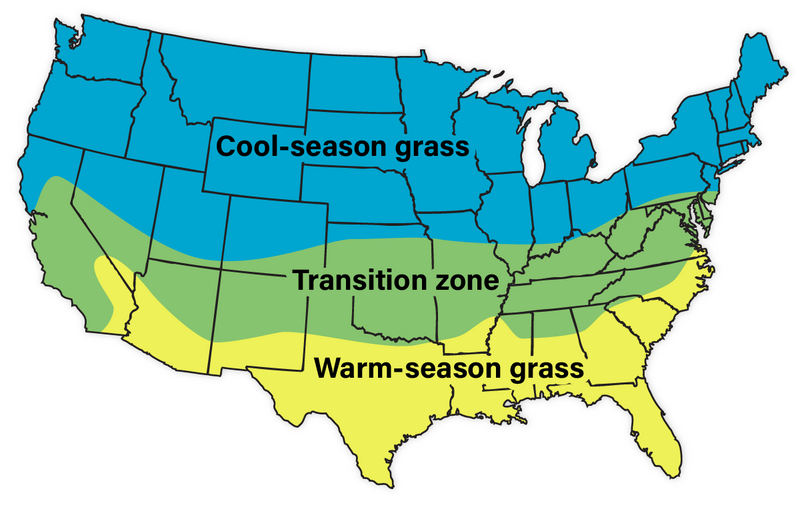
Across southern and transition zones, the universal rule applies: scalp once per year in early spring, aligning with soil temperature and green-up cues. Adjust based on microclimates and yearly weather trends.
Grass Types That Benefit from Scalping

Bermuda Grass: Most Responsive
Bermuda grass thrives under scalping. Cutting it down to ½ inch to 1.5 inches removes thick thatch and accelerates spring green-up by up to two weeks. Its rhizomes and stolons recover quickly, producing denser, healthier turf.
Ideal scalping height: 0.5-1 inch
Best time: Just before green-up, soil above 60°F
Zoysia Grass: Benefits with Caution
Zoysia responds well to scalping but requires care. Cut to ½ inch to 1 inch when fully dormant. Aggressive cutting can injure stems, so avoid going lower than recommended.
Note: Some prefer fall scalping for Zoysia to reduce spring thatch, but early spring remains standard.
St. Augustine: Limited Scalping Only
St. Augustine grass is sensitive to low mowing. Never scalp below 2 inches, and avoid cutting runners. While gentle removal of dead material is acceptable, true scalping is not recommended due to high stress risk.
Centipedegrass and Buffalograss: Avoid Scalping
Both centipedegrass and buffalograss spread via stolons and have poor recovery from aggressive mowing. Scalping can thin the lawn severely or kill patches. These grasses should never be scalped.
Cool-Season Grasses: Do Not Scalp
Tall Fescue, Bluegrass, Ryegrass
Tall fescue, Kentucky bluegrass, and perennial ryegrass remain semi-active in winter and do not go fully dormant. Scalping removes essential leaf tissue, weakening the plant and increasing disease and weed pressure.
Instead of scalping, use a dethatcher or power rake to remove thatch. Mow slightly lower than usual in early spring but never below 2 inches. Focus on overseeding and fertilization for these grass types.
Benefits of Proper Lawn Scalping
Faster Spring Green-Up
By removing the insulating layer of dead grass, scalping allows sunlight to warm the soil faster. This jumpstarts root metabolism and can bring Bermuda lawns to full color days to weeks earlier than unscalped ones.
Thatch Reduction Without Dethatching
While not a substitute for mechanical dethatching, scalping significantly reduces thatch buildup by removing dead blades and surface debris. This improves air, water, and nutrient movement into the soil.
Better Seed-to-Soil Contact
If overseeding or renovating, scalping creates ideal conditions for seed germination. Exposed soil increases contact, boosting establishment success for new grass varieties.
Enhanced Fertilizer and Herbicide Penetration
With less thatch blocking the surface, pre-emergent herbicides and spring fertilizers reach the soil more efficiently. This means better crabgrass control and faster greening from nitrogen applications.
Reveals Lawn Flaws Early
A scalped lawn exposes low spots, ruts, and uneven areas. This makes it easier to topdress, level, or reseed before peak growth begins.
Promotes Denser Turf
By stimulating growth from the crown and reducing competition from dead material, scalping encourages tighter, more resilient grass. This is ideal for high-traffic lawns.
Risks of Incorrect Lawn Scalping
Frost Damage from Early Scalping
Cutting too early exposes grass crowns to freezing temps. Ice crystals can rupture cells, killing plant tissue. Result: patchy, slow-recovering lawn.
Fix: Wait for consistent 60°F+ days and visible green tips.
Stress from Late Scalping
Mowing low after active growth starts removes too much photosynthetic tissue. Grass must divert energy to recovery instead of expansion.
Fix: Scalp before blades exceed 2-3 inches in height.
Crown and Runner Damage
Cutting below the crown (the base of the plant) kills the grass. On St. Augustine or centipedegrass, severing stolons creates bare spots.
Fix: Know your grass type and adhere to safe heights.
Weed Invasion and Erosion
Bare soil post-scalping invites weeds like crabgrass and goosegrass. Without cover, light rainfall can also cause minor erosion on slopes.
Fix: Apply pre-emergent herbicide after scalping (if not already applied).
How to Scalp Your Lawn Correctly
Step 1: Confirm the Right Timing
Before adjusting your mower, check soil temperature (must be above 60°F). Look for first green blades. Verify no frost in next 7-day forecast. Use online tools like GreencastOnline.com for localized data.
Step 2: Prepare Your Mower
Sharpen blades: Dull blades tear instead of cut, increasing disease risk.
Set height: Lower deck to Bermuda 0.5-1 inch, Zoysia ½-1 inch, St. Augustine 2 inches (if at all).
Attach a bagger: Essential to remove clippings.
Use a reel mower for the cleanest low cut, especially on Bermuda.
Step 3: Mow in Multiple Passes
On thick lawns, lower the deck gradually. First pass at normal height. Second pass reduces to 1.5 inches. Final pass lowers to target (0.5-1 inch). This prevents engine strain and ensures even cutting.
Step 4: Mow Evenly and Safely
Use a crisscross pattern for full coverage. Wear eye and face protection because flying debris is common. Avoid stopping with blades engaged to prevent circular damage.
Step 5: Bag All Clippings
Leaving clippings defeats the purpose. Bag and compost (if disease-free) or dispose as yard waste. Do not mulch during scalping.
Post-Scalping Lawn Care
Fertilize Within Days
Apply a high-nitrogen fertilizer (e.g., 20-0-0) within 3-5 days of scalping. Nitrogen fuels microbial activity and rapid green-up. For overseeding or mixed lawns, use a balanced spring fertilizer (e.g., 16-4-8).
Liquid Aeration Boosts Recovery
Products like Simple Lawn Solutions’ liquid aeration enhance oxygen flow and nutrient uptake without disturbing soil. Apply with your first fertilizer.
Apply Pre-Emergent Herbicide
If pre-emergent was already applied, scalping does not break the chemical barrier. If not applied, do so after scalping to prevent crabgrass. If core aeration is planned, reapply pre-emergent post-aeration because plugs disrupt the barrier.
Water Deeply but Infrequently
Increase frequency for the first 1-2 weeks, then shift to deep, infrequent watering to encourage root growth. Avoid overwatering because wet soil slows warming and increases disease risk.
Monitor for Recovery
First green-up appears in 7-10 days. Full recovery takes 2-3 weeks. Watch for pests (e.g., chinch bugs) and disease in stressed areas. Overseed thin spots if needed.
Common Scalping Mistakes to Avoid
Scalping Too Early
Consequence: Frost kills exposed crowns. Solution: Wait for 5-7 days above 60°F and visible green tips.
Cutting Too Low
Consequence: Crown damage, slow regrowth. Solution: Never cut below 0.5 inch on Bermuda. Stay at 2 inches on St. Augustine.
Leaving Clippings
Consequence: Smothers new growth, reduces airflow. Solution: Always bag and remove debris.
Using Dull Blades
Consequence: Torn grass invites disease. Solution: Sharpen blades before scalping.
Uneven Mowing
Consequence: Patchy appearance, scalped spots. Solution: Level mower deck. Mow slowly on slopes.
Frequently Asked Questions About Lawn Scalping
Should you fertilize after scalping?
Yes. Fertilizing immediately after scalping maximizes nutrient access and speeds recovery. Use a high-nitrogen or balanced spring formula.
How often should you scalp a lawn?
Once per year, in early spring. More frequent scalping stresses the grass and thins the lawn.
Can you scalp fescue or bluegrass?
No. Cool-season grasses like tall fescue and Kentucky bluegrass should not be scalped. It weakens the turf and increases weed invasion.
Does scalping kill weeds?
No. Scalping doesn’t kill weeds but exposes them, making manual removal or herbicide treatment more effective.
Will grass grow back after scalping?
Yes, if done correctly. Warm-season grasses like Bermuda and Zoysia recover fully in 2-3 weeks with proper care.
Should you bag clippings when scalping?
Absolutely. Bagging removes dead material and prevents smothering new growth.
Does scalping affect pre-emergent herbicides?
No. Scalping only removes grass, not the soil-resident pre-emergent barrier. However, core aeration breaks the barrier and requires reapplication.
Key Takeaways for Successful Lawn Scalping

Lawn scalping is a powerful spring lawn care strategy, but only when timed and executed correctly. For warm-season grasses like Bermuda and Zoysia, it’s a proven way to accelerate green-up, reduce thatch, and set the stage for a thick, healthy turf.
Best candidates for scalping include Bermuda grass, Zoysia grass, warm climates (Zones 7-9), and lawns with heavy winter dieback or thatch. Avoid scalping cool-season lawns (fescue, bluegrass), stressed or thin lawns, newly seeded or sodded lawns (wait 1-2 growing seasons), and during summer heat.
Remember these best practices: time it right with early spring timing, soil above 60°F, and first green tips. Use sharp blades for clean cuts that prevent disease. Always bag clippings to remove all debris. Fertilize quickly within 3-5 days. Follow with liquid aeration and pre-emergent herbicide as needed.
By following the regional guidelines, grass-specific heights, and post-care steps outlined in this guide, you’ll give your lawn the strongest possible start to the growing season.