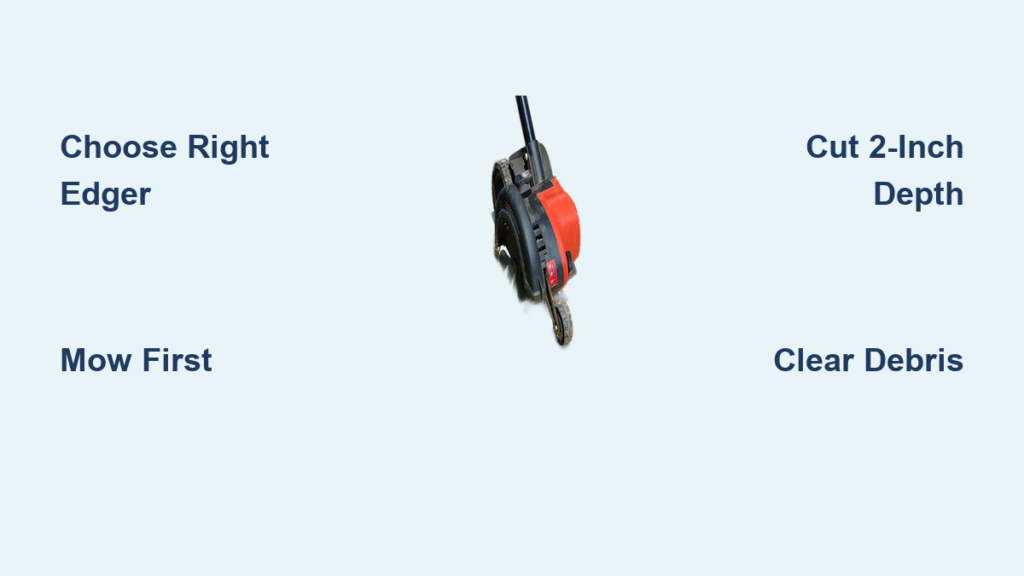
A cleanly edged lawn transforms an ordinary yard into a polished, well-maintained space. If you’ve ever wondered how professional landscapers achieve those crisp lines between grass and sidewalks, the answer is simple: using a lawn edger correctly. This guide will show you exactly how to use a lawn edger, whether you own a manual tool or a powered model. You’ll learn preparation steps, proper cutting techniques, and maintenance tips to keep your yard looking sharp all season.
Choose the Right Edger for Your Lawn
:max_bytes(150000):strip_icc()/spr-types-of-lawn-edgers-d0194577bff04cd78594e085a3e6bc93.jpg)
Selecting the correct type of edger ensures efficiency and reduces physical strain. The right tool depends on your lawn size, terrain, and how much effort you want to expend.
Manual Edgers: Best for Small Spaces
Manual edgers are ideal for small yards or precision work around flowerbeds. They require no power but rely on your physical effort.
• Half-Moon Edger: Cuts clean semicircular lines, perfect for defined borders
• Flat-Blade Edger: Works well along straight hardscapes like driveways
• Scoop-Cut Edger: Removes small turf chunks for delicate shaping
Best for tight corners, garden beds, and budget-conscious maintenance. Avoid manual edgers for large lawns or thick, overgrown grass. Use leg pressure rather than arm strength to drive the blade into the soil for consistent depth.
Electric Edgers: Lightweight and Easy
Electric models offer a balance of power and convenience, ideal for average-sized lawns.
Corded vs. Cordless:
• Corded: Unlimited runtime but limited by outlet access
• Battery-Powered: Portable, but typically lasts 20 to 45 minutes per charge
Best for medium lawns and eco-conscious users. Avoid if you have no outdoor outlets or a large property. Use only outdoor-rated extension cords with corded models to prevent overheating.
Gas-Powered Stick Edgers: Power for Tough Jobs
Gas edgers are built for heavy-duty performance, tackling thick grass, roots, and large properties.
• Powered by 2-stroke or 4-stroke engines
• No cords or battery restrictions
• Heavier and louder than electric models
Best for overgrown lawns and commercial landscapes. Warm up the engine before starting your edging pass for smoother operation.
Walk-Behind Edgers: Speed for Big Lawns
These wheeled machines work like mowers, delivering fast, uniform edging over long distances.
• Self-propelled or push-type options
• Covers hundreds of feet quickly
• Expensive, often better rented than bought
Best for large, flat properties with long straight edges. Check local hardware stores for weekly rental rates, often under $100.
Prepare Before You Edge
Skipping preparation leads to uneven lines, tool damage, and wasted time. Follow these steps for a smooth, safe process.
Wear Essential Safety Gear
Protect yourself from debris and strain with proper personal protective equipment.
• Safety goggles: Shield eyes from flying soil and stones
• Work gloves: Improve grip and reduce blisters
• Sturdy boots and long pants: Guard legs and feet
• Ear protection: Required for gas and loud electric models
Warning: Hitting rocks can shatter blades or send debris flying. Always wear eye protection.
Mow First, Then Edge
Never edge before mowing. Doing so creates mismatched heights and forces you to rework the edges.
• Mow at your regular height
• Trim any stray grass with a string trimmer
• Let clippings settle before edging
A freshly mowed lawn reveals the true edge line and ensures a seamless transition between grass and borders.
Mark the Cutting Path
Use a garden hose or rope as a visual guide to maintain straight, consistent lines.
• Lay it half an inch from sidewalks or beds
• Follow the curve or straight edge precisely
• Remove after completing each section
This prevents wavy or jagged results. After three to four sessions, experienced users may edge freehand.
Clear Debris and Check for Hazards
Walk the route and remove rocks, sticks, and hidden obstacles. Also check for metal stakes or irrigation heads.
Critical: Call 811 before edging if you plan to dig deeply, as striking buried utility lines can cause injury or costly repairs.
How to Edge Your Lawn: 5 Key Steps
Follow this proven sequence for clean, professional-looking edges regardless of edger type.
Position Within 1 Inch of the Edge
Hold the edger blade no more than 1 inch from the border.
• Too far creates a trench-like gap
• Too close causes incomplete cuts or damage to pavement
Use your marked hose or rope as a real-time guide.
Start Cutting: Manual vs. Powered Techniques
For Manual Edgers:
1. Stand with feet shoulder-width apart
2. Place foot on the footrest if present
3. Push blade straight down using leg strength
4. Rock gently side-to-side to widen the cut
5. Twist slightly to check alignment before lifting
Work in six-inch increments for uniform depth.
For Electric or Gas Edgers:
1. Start the engine (pull-cord for gas, switch for electric)
2. Engage core muscles for stability
3. Walk slowly forward, do not rush
4. Let the blade rotate fully before advancing
5. Keep hands firm on handles, avoid jerky movements
Common mistake: Forcing the blade causes uneven cuts and premature wear.
Cut to 2-Inch Depth
The ideal trench depth is 2 inches.
• Prevents grass runners from spreading
• Minimizes visibility of the cut
• Avoids unnecessary soil disruption
Motorized models often have a depth control knob or lever. Set it once and maintain consistent height throughout the pass.
Clear Debris Every 5 Feet
Stop every 5 to 6 feet to brush away clippings and loose soil. Inspect line straightness and correct minor deviations early.
For heavy buildup, use a stiff brush or rake to clear the trench. Clear visibility prevents drifting off-course.
Trim and Refine the Final Edge
After cutting, refine the look with precision tools.
• Hand edging shears: For clean snips along curves
• String trimmer with edging mode: For fast finishing
Cut overhanging grass so it blends into the lawn. Avoid scalping or leaving sharp, jagged lines. Create a gradual, natural fade at the edge.
Maintain Sharp Lines All Season
Edging is not a one-time task. Use these strategies to reduce future work and preserve clean borders.
Install Metal Lawn Edging
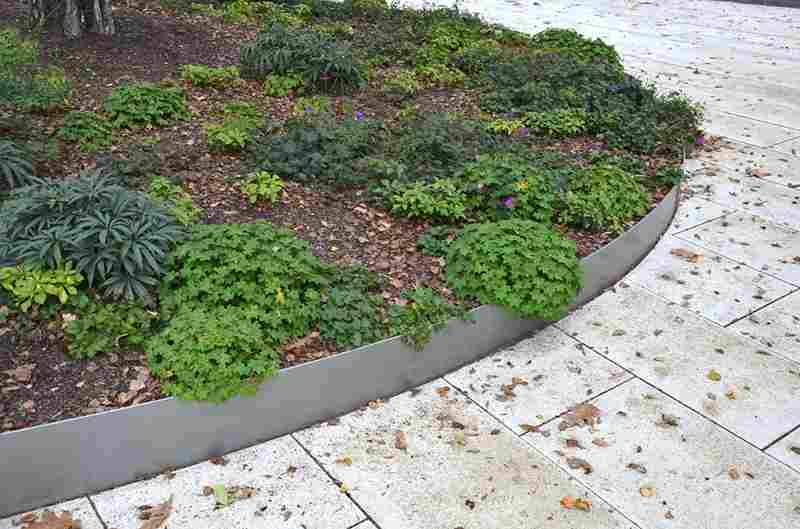
For low-maintenance, long-term results:
- Cut a trench along the edge
- Insert steel or aluminum edging strip
- Bury bottom 1 to 2 inches deep
- Leave top flush with soil surface
- Secure with metal stakes every 12 inches
This blocks grass spread, reduces mowing overlaps, and lasts over 10 years. Still requires occasional trimming, but much less frequently.
Edge in Early Spring
Best time to re-establish edges is early spring, after the first mow.
• Soil is moist and easier to cut
• Prevents summer encroachment
• Sets the tone for seasonal maintenance
Avoid winter edging. Frozen ground damages tools and yields poor results.
Keep Tools Clean and Sharp
Well-maintained tools last longer and perform better.
After Each Use:
• Wipe blades with a dry cloth
• Remove stuck soil with a wire brush
• Spray with silicone lubricant to prevent rust
Sharpen Regularly:
• Manual blades every three to four uses
• Shears and trimmer blades at least once per season
Store in a dry place, preferably hung or covered.
Match Your Edger to Lawn Size
Choosing the wrong tool wastes time. Use this quick reference table:
| Lawn Size | Recommended Tool | Why |
|---|---|---|
| Under 1,000 sq ft | Manual or electric edger | Lightweight, affordable, precise |
| 1,000 to 5,000 sq ft | Electric or gas stick edger | Balanced power and control |
| Over 5,000 sq ft | Walk-behind or gas-powered | Covers ground fast |
| Flowerbeds, curves | Hand shears or half-moon | Precision in tight spaces |
Smart move: Rent a walk-behind for one-time large jobs instead of buying.
Pro Tips for Better Results
Maximize efficiency and safety with these expert-backed practices.
Walk Slowly and Steadily
Speed causes wobbling and uneven cuts. Focus on smooth, deliberate motion, especially when learning. If you’re leaving clumps or jagged lines, slow down.
Engage Core Muscles
When using powered edgers, tighten your core to stabilize the tool and reduce fatigue.
• Prevents arm strain
• Improves balance on uneven ground
• Enhances control during turns
Sharpen Blades Monthly
Dull blades tear grass instead of slicing it, leading to ragged edges, increased resistance, and poor performance. Use a file or bench grinder for metal blades. Replace plastic trimmer lines as needed.
Use Clippings as Mulch
After edging, sweep or blow clippings back onto the lawn.
• Returns nutrients to soil
• Acts as natural mulch
• Reduces waste
Check Warranty Before Buying
Most edgers come with 1 to 3 year warranties covering motor, blade, and structural defects. Register your product online and keep your receipt. Follow maintenance guidelines to stay covered.
Frequently Asked Questions About Using a Lawn Edger
What is the best type of edger for a small backyard?
A manual half-moon edger or lightweight electric edger works best for small yards under 1,000 square feet. These tools offer precision without the cost or complexity of larger machines.
How deep should I cut when edging my lawn?
Aim for a 2-inch depth. This is deep enough to prevent grass runners from spreading into walkways or flowerbeds without looking like a trench.
Can I edge my lawn after mowing?
Yes, and you should. Always mow first, then edge. Edging before mowing creates uneven heights and forces you to rework the edges.
How often should I edge my lawn?
Most homeowners benefit from edging every 4 to 6 weeks during the growing season. Early spring is ideal for re-establishing edges after winter.
Do I need to wear protective gear when using a lawn edger?
Yes. Always wear safety goggles, work gloves, sturdy boots, and long pants. Ear protection is essential for gas-powered and loud electric models.
Can I use a string trimmer instead of a lawn edger?
String trimmers with an edging mode can handle light touch-ups, but dedicated edgers create cleaner, deeper trenches. For crisp professional results, use a proper edger.
Why Edging Matters for Your Lawn
Edging is more than cosmetic. A clean edge stops grass from invading driveways and gardens, makes mowing easier and more precise, and boosts curb appeal and property value. With the right tool, proper preparation, and consistent technique, anyone can achieve professional-grade results.
Whether you’re using a $20 half-moon edger or a $400 walk-behind machine, the principles remain the same: go slow, stay aligned, and maintain your tools. Pair spring edging with aeration and fertilization for a complete lawn revival.