Nothing ruins a backyard barbecue or evening on the patio faster than swarms of mosquitoes. These persistent pests do not just leave itchy bites—they can transmit serious diseases like West Nile virus and Zika. The good news? You can take control. Learning how to treat lawn for mosquitoes effectively starts with understanding their habits and using a layered strategy. By combining habitat removal, targeted treatments, and preventive maintenance, you can drastically reduce mosquito populations in your yard.
This guide reveals science-backed methods that homeowners across the U.S. have used to reclaim their outdoor spaces. You will learn exactly when and how to apply treatments, which products work best for your lawn type, and how to protect your family and pets—all without relying on guesswork.
Eliminate Standing Water to Stop Mosquitoes at the Source
Mosquitoes lay eggs in stagnant water, and larvae mature in just 8 to 10 days. Even a bottle cap of water can become a breeding ground. This makes source reduction the most critical step in mosquito control.
Common culprits hiding in your yard:
- Clogged gutters and downspouts
- Birdbaths and pet water bowls
- Flowerpot saucers and old tires
- Buckets, tarps, or containers left outside
- Tree holes and fallen palm fronds holding water
- Grill covers that pool rainwater after storms
Action steps to eliminate breeding sites:
- Empty and clean standing water sources at least weekly
- Clean gutters regularly to prevent water accumulation
- Fill or drain low-lying areas that stay wet after rain
- Turn over or store outdoor items when not in use
Critical fact: Mosquitoes can breed in as little as ½ inch of standing water. Check low spots in your lawn after rain and fill or regrade them if they stay wet.
Modify Your Yard to Make It Less Friendly to Mosquitoes
Mosquitoes thrive in damp, shaded, and overgrown areas. A thick, unmowed lawn acts like a mini rainforest—cool, humid, and full of hiding spots where adult mosquitoes rest during the day.
Action steps to reduce mosquito habitat:
- Mow regularly and consider cutting slightly shorter before outdoor events
- Trim trees and shrubs to let sunlight reach the soil
- Thin dense hedges and palm canopies where mosquitoes hide
- Remove leaf litter and yard debris weekly that trap moisture
- Rake up fallen fronds from areca palms and other plants
Sunlight and airflow dry out the lawn quickly after rain, making it far less inviting to mosquitoes. This simple habitat modification works alongside chemical treatments for better results.
Apply Liquid Insecticide Sprays for Fast Results
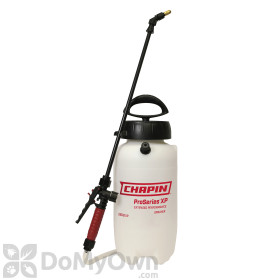
Liquid sprays kill adult mosquitoes on contact and create a residual barrier that lasts weeks. They are ideal for immediate relief and perimeter defense around patios, decks, and seating areas.
Top liquid insecticide options:
Talstar P (Bifenthrin)
– Application: Mix with water in a pump sprayer for perimeter treatment
– Best for: Shrubs, fences, under decks, and lawn edges
– Residual: Up to 6 weeks
– User result: One homeowner in Texas reduced bites from 20+ per minute to 1–2 per outing after two treatments
– Caution: Toxic to bees and fish; avoid spraying near blooming plants
Cutter Hose-Attached Spray (Lambda-Cyhalothrin)
– How to use: Attach directly to garden hose for broad coverage
– Effect: Reduces biting pressure within hours
– Duration: 2 to 4 weeks
Spectracide (Gamma-Cyhalothrin)
– Lasts up to 3 months with full coverage
– Safe for all grass types and ornamental plants
– Also controls ticks, fleas, and no-see-ums
Sevin Liquid Spray (Carbaryl)
– Kills mosquitoes and fire ants
– Use every 3 to 5 weeks
– Keep pets and kids off treated areas until dry
Apply liquid sprays in early morning or late evening when pollinators are not active. Reapply every 3 to 4 weeks during peak season.
Use Granular Treatments for Deep Penetration in Thick Lawns
In lawns with heavy thatch like St. Augustinegrass, liquid sprays often fail to reach the lower layers where mosquitoes hide. Granular insecticides sink deeper and provide longer protection in these conditions.
Bayer Granular Insecticide
– Apply up to 3 lbs per 1,000 square feet
– Water in immediately after spreading to activate
– Lasts 6+ weeks
– Also controls grubs and sod webworms
Pro tip: Apply granular treatments in bands around the house, deck, and lawn edges for a protective barrier that penetrates deep into thatch.
Granular treatments are especially effective in humid regions where mosquitoes breed in moist thatch and soil that liquid sprays cannot reach.
Kill Mosquito Larvae with Bti Treatments

You cannot eliminate all standing water, but you can make it deadly to mosquito larvae using Bti (Bacillus thuringiensis israelensis). This natural bacterium kills larvae while remaining harmless to humans, pets, fish, and wildlife.
How Bti works:
– Larvae ingest the bacterium, which destroys their digestive systems
– Does nothing to adult mosquitoes—only targets the larval stage
– Works in birdbaths, gutters, ponds, rain barrels, and containers
Best Bti products:
– Mosquito Dunks: Float in water features; last 30 days
– Mosquito Bits: Sprinkle in gutters and flowerpot saucers; immediate effect
Smart trick: Place a small bucket of water with a Mosquito Dunk near your patio. Female mosquitoes will lay eggs there, and the larvae will die before becoming biting adults.
Use Bti monthly from March to October in any water you cannot drain.
Add Repellent Devices for Bite-Free Outdoor Zones
Even with sprays, some mosquitoes linger around seating areas. Physical repellents create bite-free zones where you and your family can relax comfortably.
Thermacell Mosquito Repeller
– Battery-powered device heats a repellent mat containing allethrin
– Creates a 15 to 20 foot zone of mosquito-free air
– Ideal for decks, patios, and grilling areas
– User feedback: “I can finally eat outside without swatting.”
Outdoor Oscillating Fans
– Mosquitoes are weak fliers; strong breeze knocks them off course
– Place two fans at opposite angles for crosswinds
– Bonus: Fans disperse carbon dioxide and body heat, making you less detectable to mosquitoes
Citronella Candles or Torches
– Provide mild, localized repellency
– Best used with other methods, not as a standalone solution
Use fans and Thermacell devices during evening gatherings for instant relief.
Plant These Mosquito-Repelling Plants Near Seating Areas
While plants alone will not eliminate mosquitoes, their scented oils can reduce localized activity around your patio or walkway.
Best plants for mosquito deterrence:
- Citronella (citrosa geranium)
- Lavender
- Marigolds
- Basil
- Catnip
- Peppermint
- Rosemary
- Lemongrass (contains citral, a natural repellent)
Tip: Crush leaves to release oils. Plant near patios and walkways for best effect. These plants work best when combined with sprays and fans, not as standalone solutions.
Attract Natural Predators to Control Mosquitoes
Nature provides mosquito control at every life stage. Encouraging beneficial wildlife reduces mosquito populations without additional chemicals.
Helpful predators:
- Bats: One bat eats 3,000 to 7,000 mosquitoes per night. Install a bat box 10 to 15 feet high in full sun.
- Dragonflies: Eat hundreds of mosquitoes daily. Attract them with a small pond or water garden.
- Frogs and Tadpoles: Feed on larvae in ponds. Provide shallow water with plants and shelter.
- Mosquito Fish (Gambusia affinis): Thrive in ponds and storm drains; eat larvae voraciously.
Important: Avoid broad-spectrum insecticides that harm these beneficial species. Protecting natural predators creates a sustainable mosquito control system.
When to Hire a Professional Mosquito Control Service
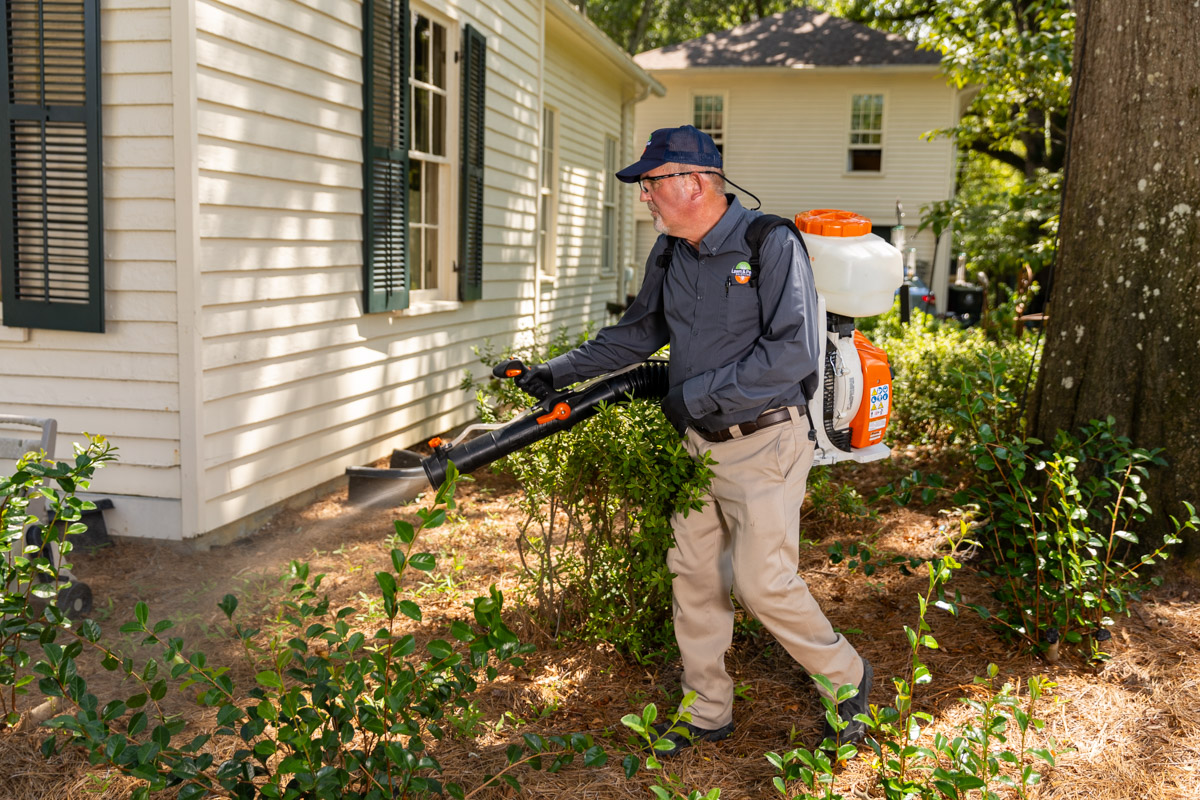
If mosquitoes keep coming back despite your efforts, or if your yard is large and heavily wooded, professional treatment may be worth the investment.
Signs you need a pro:
- You have tried multiple methods and still get bitten
- You have standing water you cannot control
- You want consistent, seasonal protection without the work
What professionals use:
- Fogging machines that reach deep into shrubs and tree canopies
- Long-lasting barrier sprays applied to vegetation
- Monthly larvicide programs using Bti or methoprene
- Property inspections to find hidden breeding sites
Cost and frequency:
- Most services charge $75 to $200 per treatment
- Treatments every 3 to 4 weeks from March to October
- Seasonal plans often include guaranteed results
Time Your Treatments for Maximum Effectiveness
Timing is everything in mosquito control. Starting early and staying consistent prevents population explosions that are harder to control later.
Early Spring (March to April):
- Clean gutters and remove winter debris
- Drain and winterize water features
- Apply first insecticide (liquid or granular)
- Install bat boxes or Mosquito Dunks in ponds
Summer (May to August):
- Reapply sprays every 3 to 4 weeks
- Change birdbath water weekly
- Use Bti in all containers
- Deploy fans and Thermacell for outdoor events
Fall (September to October):
- Continue treatments until temperatures drop below 50°F
- Drain ponds and store hoses
- Plan next year’s strategy
Event tip: Treat your lawn 2 days before a party for maximum effect.
Stay Safe While Treating Your Lawn
Mosquito control should not come at the cost of your family’s health or the environment. Follow these safety guidelines.
Pet-safe options:
- Sentry Home Yard & Premise Spray (cypermethrin-based) is safe for pets once dry (1 to 2 hours)
- Bti products are completely safe around all pets
Pollinator protection:
- Avoid spraying during daylight hours when bees are active
- Never apply near blooming flowers
- Use Bti in water features instead of chemical larvicides
Water protection:
- Never spray near ponds, streams, or storm drains
- Bifenthrin and cyhalothrins are toxic to fish
- Store all chemicals out of reach of children and pets
Understand Local Mosquito Threats and Diseases
Different mosquitoes carry different diseases and breed in different locations. Knowing your local species helps you target control efforts more effectively.
Common U.S. species:
- Aedes aegypti (Yellow fever mosquito): Day biter, breeds in small containers
- Aedes albopictus (Asian tiger mosquito): Aggressive daytime biter with white stripes
- Culex quinquefasciatus (Southern house mosquito): Night biter that spreads West Nile virus
- Aedes sollicitans (Saltmarsh mosquito): Found in coastal areas
Diseases transmitted in the U.S.:
- West Nile virus (most common)
- Zika virus (dangerous during pregnancy)
- Dengue fever
- Chikungunya
Symptoms include fever, headache, joint pain, rash, and fatigue. Severe cases may lead to neurological issues. Reducing bites directly reduces disease risk.
Frequently Asked Questions About Treating Your Lawn for Mosquitoes
When is the best time to start treating my lawn for mosquitoes?
Start treating your lawn in early spring when temperatures rise above 50°F. In the southern U.S., this can be as early as February or March. Starting early prevents mosquito populations from building up and makes summer control much easier.
How often should I apply mosquito insecticide to my lawn?
Apply liquid or granular insecticides every 3 to 4 weeks during peak mosquito season (typically May through September). Reapply sooner after heavy rain or irrigation, as water can wash away the treatment.
What is the most effective mosquito treatment for residential lawns?
The most effective approach combines multiple methods: eliminating standing water, applying bifenthrin-based sprays like Talstar P for adult mosquitoes, using Bti (Mosquito Dunks) in standing water, and encouraging natural predators. No single product provides 100% elimination.
Are mosquito treatments safe for pets and children?
Most treatments are safe once dry (typically 1 to 2 hours). Keep pets and children off treated areas until sprays have dried completely. Bti products are completely safe for all pets and wildlife. Avoid using chemical treatments near fish ponds or where runoff can enter water sources.
Does mowing the lawn help reduce mosquitoes?
Yes, regular mowing reduces mosquito habitat significantly. Shorter grass dries faster and has less dense foliage where mosquitoes rest during the day. Mow regularly and slightly shorter before outdoor events for best results.
Key Takeaways for Effective Mosquito Control
Treating your lawn for mosquitoes requires a proactive, layered approach that addresses breeding sites, habitat, and adult populations simultaneously. The most critical step is eliminating standing water wherever possible, since mosquitoes can complete their life cycle in just 8 to 10 days in even the smallest puddles. Combine this with regular yard maintenance, targeted insecticide applications every 3 to 4 weeks, and biological controls like Bti in water features that cannot be drained.
For the best results, supplement chemical treatments with physical barriers like Thermacell devices and outdoor fans, plant repellent herbs near seating areas, and attract natural predators like bats and dragonflies. If DIY efforts are not enough, professional mosquito control services offer reliable, season-long protection with minimal homeowner effort. By starting early in spring and staying consistent throughout the season, you can reduce mosquito bites by 90% or more and reclaim your outdoor space for the whole family to enjoy.