Small holes scattered across your once-pristine lawn are frustrating, especially when you know squirrels are the culprit. These industrious creatures dig to bury nuts and seeds, creating 1-2 inch diameter holes that ruin grass and create uneven terrain. Understanding how to stop squirrels from tearing up your lawn requires a multi-pronged approach that addresses both attraction and behavior. This guide covers proven, humane methods that work.
Why Squirrels Dig in Your Lawn
Squirrels dig primarily to cache food for winter retrieval. They bury nuts, seeds, and acorns in your lawn, returning repeatedly to the same spots to retrieve their hidden treasures. This behavior peaks in autumn when squirrels are storing food and again in spring when they search for previously buried items. Urban lawns with nearby oak or hickory trees experience particularly heavy squirrel activity because these trees produce abundant food sources. Signs of squirrel damage include small round holes, disturbed soil, visible nut shells, and grass plugs pulled up in scattered locations.
Natural Repellents That Actually Work
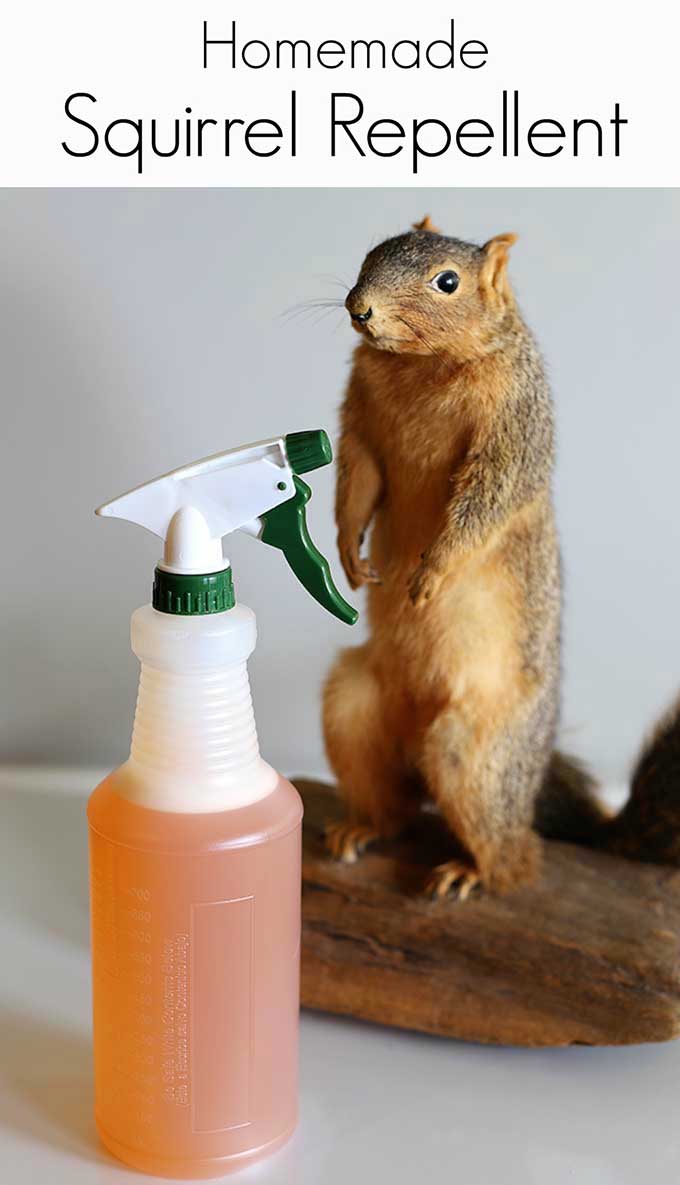
Natural repellents use scents and tastes that squirrels find unpleasant without harming them or damaging your lawn.
Cayenne Pepper Spray Application
Cayenne pepper contains capsaicin, which irritates squirrels’ sensitive nasal passages and paws. Mix 2-3 tablespoons of cayenne pepper into 1 gallon of hot water and let it steep for 60-90 minutes. Strain the mixture and apply it using a backpack sprayer or garden sprayer, covering approximately 1,000 square feet per gallon. Reapply every 5 days or immediately after rain or irrigation. This method works best in dry weather since heavy rain washes away the active compounds.
Garlic and Hot Pepper Boil Recipe
Combine garlic cloves, hot peppers, and onion in 2 ounces of water and boil for 20 minutes. Let the mixture cool with the lid on to retain volatile oils, then strain through cheesecloth into a spray bottle. Apply directly to areas where squirrels are digging. Wear gloves during application and avoid contact with eyes or skin. Expect to reapply every 3-5 days or after rainfall for continued effectiveness.
Blood Meal as Dual-Purpose Deterrent
Blood meal serves two purposes in your yard: it fertilizes your lawn while its strong odor deters squirrels. Apply granular blood meal to affected areas following package directions for your lawn size. Reapply every 3-5 days or after rain when the scent fades. This method works particularly well in garden beds and small problem zones rather than entire lawns.
Physical Barriers for Long-Term Protection
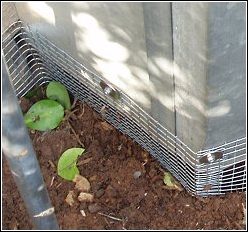
Physical barriers provide the most reliable long-term solution, especially when combined with other methods.
Installing Hardware Mesh Underground
Use 1/4-inch galvanized hardware cloth or chicken wire buried 3-4 inches deep around your lawn perimeter or under newly seeded areas. Extend the mesh 6 inches above ground level and secure it with landscape pins to prevent squirrels from pushing it up. This barrier prevents squirrels from accessing the soil beneath your lawn while still allowing grass to grow through. Check weekly for gaps or weak points that persistent squirrels might exploit.
Strategic Fencing Solutions
Install wire mesh fencing at least 3 feet high with the bottom buried 6 inches underground. Angle the top outward to prevent climbing. Combine fencing with motion-activated sprinklers for enhanced deterrence around particularly vulnerable areas like vegetable gardens or newly seeded patches.
Predator-Based Deterrents
Squirrels instinctively fear their natural predators, making these methods effective when properly implemented.
Using Owl Decoys Effectively
Place realistic Great Horned Owl or Barred Owl decoys in visible locations around your lawn. The key to success is moving the decoy daily to prevent squirrels from realizing it’s fake. Pair the decoy with wind-driven movement or reflective surfaces for added realism. Some users report initial success that diminishes after squirrels realize the decoy poses no actual threat.
Applying Predator Urine Products
Predator urine granules or sprays containing coyote, fox, or bobcat urine create the illusion of nearby predators. Apply these products every 3-7 days or after rain for continued effectiveness. Many homeowners report success with predator urine when other methods have failed, though the cost adds up over time.
Motion-Activated Devices That Startle Squirrels
Electronic deterrents can be effective but require strategic placement and rotation.
Setting Up Motion-Activated Sprinklers
Motion-activated sprinklers detect movement and release a sudden burst of water that startles squirrels. Look for models with wide detection ranges up to 40 feet and randomized activation patterns to reduce habituation. Position sprinklers to cover high-traffic digging zones. Squirrels may eventually learn to avoid the spray area, so reposition the device periodically for continued effectiveness.
Why Ultrasonic Repellents Often Fail
Ultrasonic devices emit high-frequency sounds unpleasant to rodents but inaudible to humans. However, user reviews consistently report these devices as ineffective, with squirrels quickly habituating to the sounds. If you choose to try ultrasonic repellents, rotate device locations weekly and use multiple units for larger lawns.
Habitat Modification Strategies
Making your yard less attractive to squirrels addresses the root cause of the problem.
Removing Food Attractants
Clean up fallen nuts, acorns, fruit, and seeds regularly throughout the year. Use squirrel-proof bird feeders with weight-sensitive perches or wire cages. Hang feeders at least 10 feet from trees or structures to prevent squirrels from jumping onto them. Store compost in sealed bins and never leave pet food outdoors overnight.
Planting Squirrel-Deterrent Species
Daffodils contain lycorine, which is toxic and unpalatable to squirrels. Plant daffodils, snowdrops, fritillaria, or alliums around your lawn perimeter and near tree bases to create a natural barrier. These perennial plants return year after year while continuously deterring squirrel activity.
When to Consider Trapping
Trapping should be a last resort due to legal restrictions and ethical concerns.
Live Trapping Guidelines
If you choose to live-trap squirrels, use Have-a-Hart or similar cage traps baited with peanuts or corn. Place traps near active digging zones and check them daily. Relocate squirrels at least 5-10 miles away to prevent return. Be aware that trapping and relocating is illegal in many jurisdictions, and separating mothers from babies can result in orphaned young. Check local wildlife regulations before proceeding.
Frequently Asked Questions About Squirrel Lawn Damage
Does Cayenne Pepper Really Stop Squirrels from Digging?
Cayenne pepper can deter squirrels when applied consistently, but it requires reapplication every 5 days or after rain. The capsaicin irritates their nasal passages and paws, making digging uncomfortable. Results vary depending on squirrel persistence and weather conditions.
What Is the Most Effective Long-Term Solution for Squirrel Damage?
Combining multiple methods yields the best results. Start by removing food attractants, then install physical barriers like buried hardware mesh in high-damage zones. Apply long-lasting repellents like predator urine and use motion-activated sprinklers for ongoing deterrence.
Are Motion-Activated Sprinklers Worth the Investment?
Motion-activated sprinklers work well for initial deterrence but squirrels may eventually learn to avoid the spray zone. They work best when repositioned periodically and combined with other methods like repellents or decoys.
Can I Use Mothballs to Repel Squirrels?
While mothballs may temporarily repel squirrels due to their strong odor, they are toxic to pets and children and may be illegal for outdoor use in some areas. We do not recommend this method.
How Long Does It Take to See Results?
Most repellents show results within 1-2 weeks when applied consistently. Physical barriers provide immediate protection but require proper installation. Complete behavior change may take a month or more of persistent deterrence.
Should I Use Multiple Repellents at Once?
Layering different deterrent methods increases effectiveness. Combine natural repellents with physical barriers and predator-based deterrents for maximum coverage. Rotate methods periodically to prevent squirrels from habituating to any single approach.
Key Takeaways for Protecting Your Lawn from Squirrels
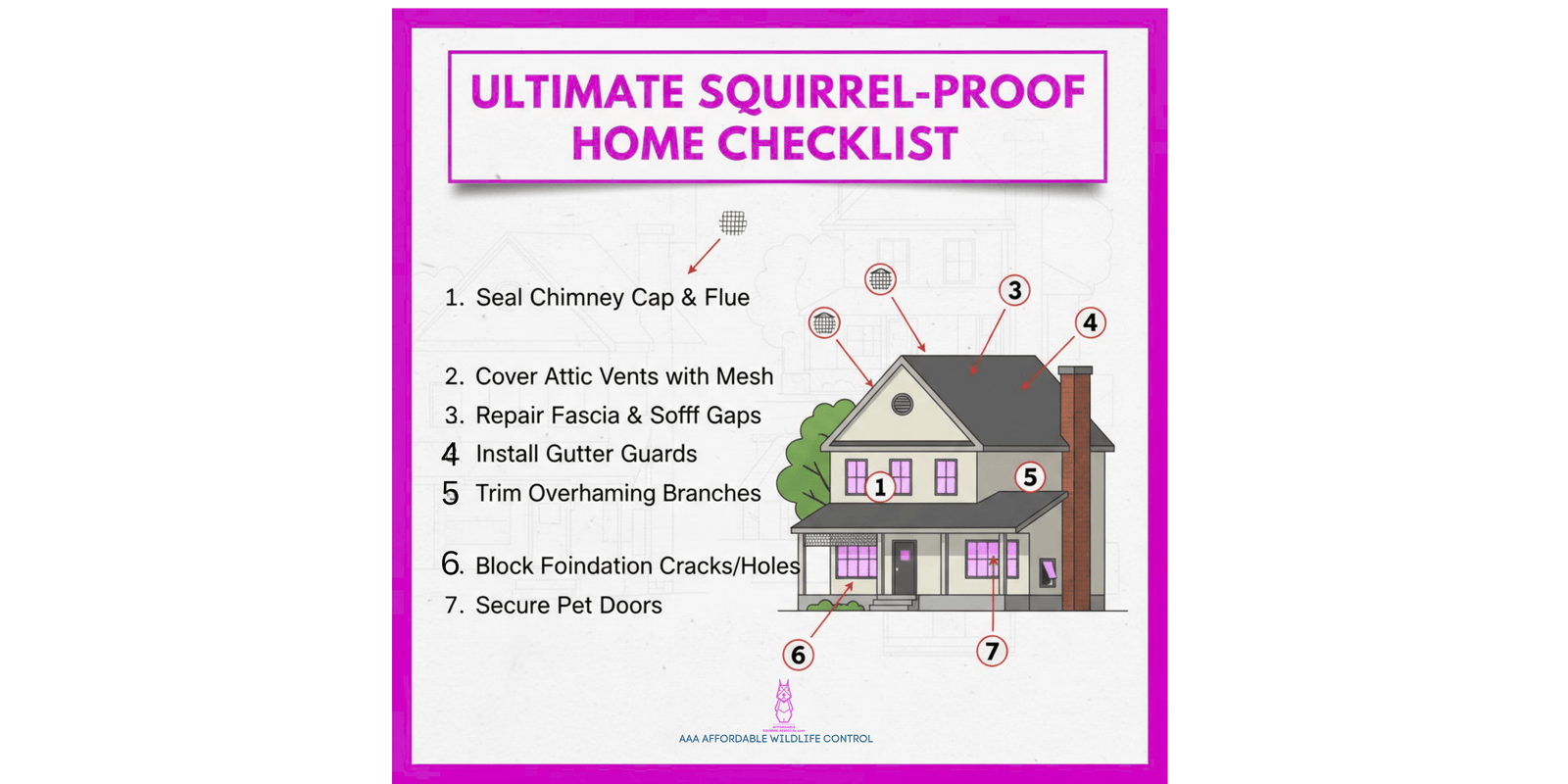
Squirrel damage is preventable with consistent, humane methods that focus on deterrence rather than destruction. Start by eliminating food attractants like fallen nuts and unsecured bird feeders, then layer multiple deterrents including natural repellents like cayenne pepper or predator urine, physical barriers such as buried hardware mesh, and motion-activated devices. Be persistent with reapplication, especially after rain, and move decoys daily to maintain effectiveness. Accept that complete eradication is unrealistic; aim for significant damage reduction through a combination approach tailored to your specific situation. Your lawn will thrive when you consistently apply these strategies over time.