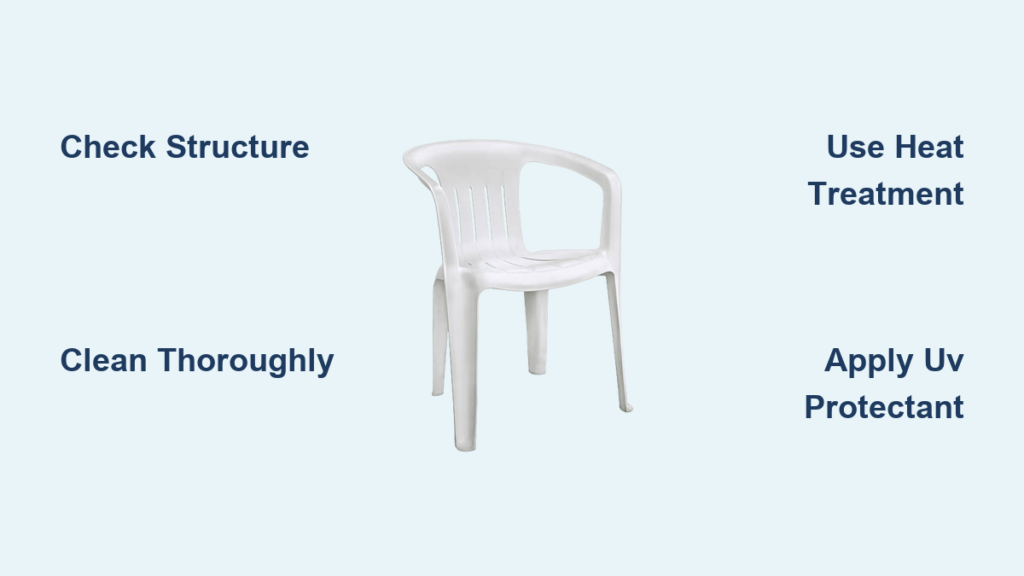
Plastic lawn chairs are a staple of outdoor living, but after years of sun and rain exposure, they often fade, chalk, and lose their original shine. Rather than replacing them, you can restore plastic lawn chairs using proven techniques that bring back color and gloss without professional help. This guide covers every effective method, from heat treatment and chemical applications to sanding and repainting, so you can choose the right approach for your specific damage level.
Diagnose the Damage Before Restoration
Not all chair damage is cosmetic, and understanding what you’re working with ensures safe and effective restoration.
Check for Structural Integrity
Inspect each chair carefully before starting any restoration work. Look for visible cracks, warping, or brittleness, especially in the legs and seat joints. Gently flex the seat to test for weakness; if the plastic snaps or creaks loudly, the chair may be too degraded to restore safely. Replace any chairs with structural damage, as surface treatments cannot fix weakened plastic.
Identify Surface Issues
Determine what type of damage you’re dealing with so you can choose the appropriate restoration method. Chalking appears as a white, powdery residue when you touch the surface, indicating UV degradation. Fading shows as loss of color, particularly on top-facing surfaces. Scratches and scuffs come from normal use, stacking, or abrasive cleaning. Stains include mold, mildew, or dirt buildup in textured areas.
Clean Thoroughly Before Repair
Any restoration method requires a clean surface to work effectively. Skipping this step leads to uneven results and wasted materials.
Basic Soap and Water Wash
Start with a simple cleaning solution using dish soap and warm water. Scrub the entire chair surface with a stiff-bristle brush, paying special attention to crevices and textured areas where dirt accumulates. Rinse thoroughly with a garden hose or a power washer set to low pressure. Allow the chairs to dry completely in sunlight before moving to restoration.
Tackle Tough Grime with Specialized Solutions
For mold and mildew, spray equal parts white vinegar and water onto the affected areas and let sit for ten minutes before scrubbing and rinsing. For greasy residue or film buildup, use TSP (trisodium phosphate) at a ratio of one-quarter cup per gallon of water. Always wear gloves when working with TSP and rinse thoroughly afterward. Never use bleach, as it accelerates plastic degradation and can cause brittleness.
Heat Restoration: Revive Faded Color Fast
Heat treatment restores deep color by reactivating the plastic’s surface oils, making it one of the most effective methods for faded chairs.
Use a Torch or Heat Gun Safely
This method works best on HDPE and polypropylene chairs, the most common materials used in outdoor furniture. The heat melts the oxidized surface layer, allowing pigments and oils to rise back to the surface. You’ll need a propane or butane torch, safety gloves, and goggles. An ice scraper helps pre-clean chalky residue before heating.
Apply Heat in Smooth Passes
Hold the torch six to ten inches from the surface and move in slow, overlapping strokes. Keep the flame moving constantly to avoid overheating any single spot. Watch for the surface to darken and appear wet or glossy, which indicates the restoration is working. Stop immediately if you see bubbling or warping, as this means too much heat is being applied. Let the chair cool naturally for five to ten minutes before evaluating the results.
Chemical and Oil Treatments for Shine
These methods restore gloss and depth by penetrating the plastic surface with oils and compounds that fill micro-cracks.
Linseed Oil and Mineral Spirits Blend
Mix sixty percent boiled linseed oil with forty percent mineral spirits for a restoration solution that restores deep color and smooth finish. Apply the mixture with a clean cloth, wait one to two minutes, then buff off thoroughly. This method works well on textured surfaces but may cause yellowing on white or light-colored chairs over time, so test on an inconspicuous area first.
Petroleum Jelly for Quick Fixes
Apply a thin layer of petroleum jelly to chalky spots and let the chair sit in sunlight for five to ten minutes to warm and penetrate the surface. Wipe off with a paper towel or soft cloth. This works as a temporary solution for small areas but is not a long-term fix, as the jelly can attract dirt and may cause cracking with prolonged use.
WD-40 for Added Shine
Spray WD-40 onto a clean, dry surface and rub in with a dry cloth, then wipe off excess before use. This removes light haze and adds temporary gloss. Avoid using WD-40 on polycarbonate or clear plastic, as it can cause cracking. Note that WD-40 attracts dust, so avoid leaving any residue.
Use Plastic Restorers for Long-Lasting Results
Dedicated plastic restoration products clean, shine, and protect in one step, making them ideal for regular maintenance.
Top Recommended Products
Meguiar’s Plastic Restorer, 303 Aerospace Protectant, and Restan UV Protectant are all highly effective options. These products work by filling micro-cracks, restoring clarity, and blocking future UV damage. You can find them at auto parts stores, marine supply shops, or home improvement centers, often marketed as trim restorers.
How to Apply Plastic Restorers
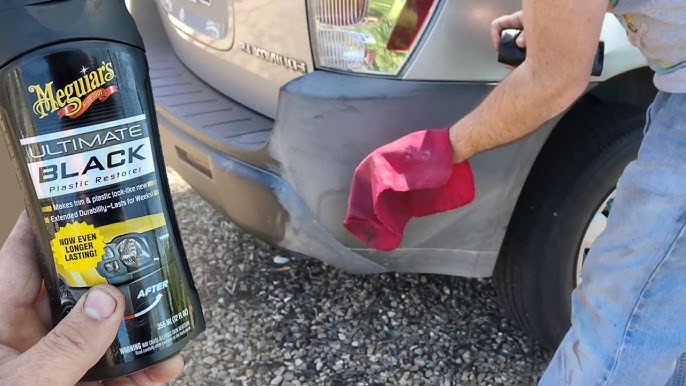
Apply a small amount to a soft cloth and rub in circular motions over faded areas. Buff to a shine with a dry cloth. Reapply every six to twelve months for ongoing protection. Users report that 303 Aerospace works in seconds and lasts for months, making it perfect for quick upkeep between more intensive restoration sessions.
Fix Scratches with Sanding and Smoothing
Deep scratches can be repaired mechanically for a smooth, uniform finish.
Sanding Steps
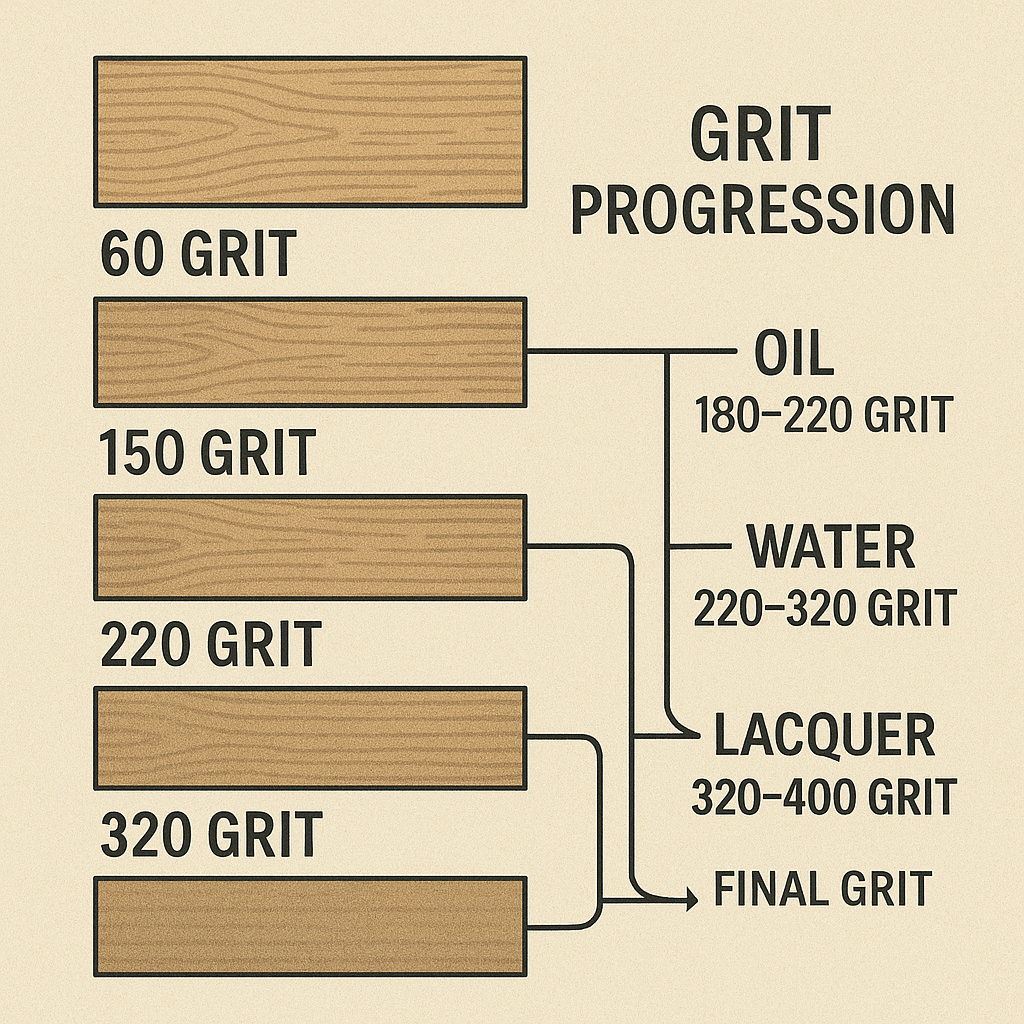
Start with eighty-grit sandpaper to level deep scratches, then switch to two-hundred-twenty-grit for a smooth, even surface. Wipe away dust with a tack cloth or damp towel. Always wear a dust mask and goggles, as plastic dust can irritate lungs and eyes. Sanding removes material, so only use this method on thick, structurally sound plastic.
Heat-Smooth the Surface
After sanding, lightly pass a torch over the area to melt the surface and eliminate sanding marks. This creates a glass-like, uniform finish. Move the torch quickly to avoid overheating and warping the plastic. Allow the area to cool completely before handling.
Paint for Full Aesthetic Transformation
When chairs are severely faded or you want a style change, painting provides a complete transformation.
Choose the Right Paint
Use plastic-specific spray paint such as FUSION by Krylon, Krylon Plastic Spray Paint, or Ultra Cover Primer and Paint. Regular spray paint will peel and flake, making the investment in proper paint essential. These products bond to plastic surfaces and withstand outdoor conditions.
Prepare the Surface Properly
Clean chairs with TSP or denatured alcohol to remove all oils and greases. Lightly sand with two-hundred-twenty-grit sandpaper to create texture for paint adhesion. Wipe clean with a damp cloth and let dry completely before painting.
Spray Painting Technique
Work in shade with no wind present. Hold the spray can six to ten inches from the surface and use thin, even coats. Apply two to three layers, waiting fifteen to thirty minutes between coats. Spray from the back to coat slats fully. Allow touch-dry in one hour and full cure in twenty-four to forty-eight hours before heavy use.
Alternative Methods: What Works and What Doesn’t
Not all DIY hacks are effective, so focus on proven approaches.
What Works
Auto polishing compound buffs out light oxidation when applied by hand or with a drill buffer. Finish with wax for added protection. Olive oil provides a temporary shine boost but attracts dirt and is not recommended for long-term results.
What Doesn’t Work
Peanut butter is completely ineffective despite persistent internet myths. Bleach damages plastic and should never be used. Stick to methods with user-verified results for the best outcomes.
Protect and Maintain After Restoration
Restoration requires ongoing maintenance to keep results lasting.
Apply UV Protectant Regularly
Use 303 Aerospace, Restan, or Meguiar’s every six to twelve months. Apply with a cloth, no rinsing needed. This maintains the restored finish and prevents future fading.
Store Chairs Properly
Use breathable furniture covers to block UV rays and moisture. Store chairs indoors during winter or extended periods of non-use. Stack carefully to avoid pressure cracks. Keep chairs out of direct sun and freezing temperatures when possible.
Know What to Avoid
Even safe methods can fail if misused or when applied to the wrong materials.
Never Use These Materials
Harsh solvents like acetone eat into plastic and cause permanent damage. Steel wool and wire brushes create scratches and leave rust residue. High-pressure washers can crack or split weakened plastic.
Test First and Use Safety
Try any chemical or heat method on a hidden area such as the underside before full application. Watch for warping, discoloration, or texture changes. When using torches, work outdoors away from flammables and keep a garden hose or fire extinguisher nearby.
Choose the Right Method for Your Chair
Match your restoration approach to the specific damage for the best results.
Quick Reference Guide
For faded or chalky chairs, use heat treatment or plastic restorer. For scratched or scuffed surfaces, sand with eighty to two-hundred-twenty grit then heat smooth. For dull but intact chairs, use baking soda paste or vinegar wash followed by polish. For severely damaged or mismatched chairs, paint with plastic-specific spray.
Time Estimates
A quick clean and polish takes fifteen to thirty minutes. Heat restoration takes ten to twenty minutes per chair once you develop skill. A full paint job requires two to three hours including drying time between coats.
Frequently Asked Questions About Restoring Plastic Lawn Chairs
Can I restore plastic lawn chairs without painting them?
Yes, several methods restore color without paint. Heat treatment using a torch reactivates the plastic’s natural oils, while chemical treatments like linseed oil or plastic restorers penetrate the surface to restore shine. These methods work best on chairs that are faded but structurally sound.
Why do plastic lawn chairs fade and become chalky?
Plastic chairs fade due to UV radiation from sunlight, which breaks down polymer chains and leaches out stabilizers and plasticizers. This process, called chalking, creates a powdery white surface. Oxidation from exposure to oxygen also causes dullness and embrittlement over time.
Is heat treatment safe for all types of plastic lawn chairs?
Heat treatment works best on HDPE and polypropylene chairs, which are the most common materials for outdoor furniture. It is not recommended for thin plastic, warped pieces, or polycarbonate materials. Always test on a small, hidden area first and keep the flame moving to prevent melting.
How long do restored plastic lawn chairs last?
With proper restoration and regular maintenance, restored chairs can last five to ten years or more. Applying UV protectant every six to twelve months and storing chairs indoors or under covers during harsh weather significantly extends their lifespan.
What is the cheapest way to restore plastic lawn chairs?
The heat treatment method using a propane or butane torch is the most economical if you already own the tool. Plastic restorers like 303 Aerospace cost under twenty dollars and last for months. Baking soda paste and vinegar cleaning are nearly free and effective for minor restoration needs.
Key Takeaways for Restoring Plastic Lawn Chairs
Restoring plastic lawn chairs saves money and reduces waste compared to replacing them. Start by assessing structural integrity and identifying surface issues, then clean thoroughly before applying any restoration method. Heat treatment works fastest for faded chairs, while plastic restorers provide long-lasting protection. For severely damaged chairs, painting with plastic-specific spray paint offers a complete transformation. Regardless of which method you choose, apply UV protectant regularly and store chairs properly to maintain your results for years to come.