A dull, patchy lawn can feel like a constant eyesore, especially when neighbors boast lush, emerald-green turf. The good news is you do not need magic to revive your grass. With the right approach, how to make lawn greener is a solvable puzzle rooted in soil health, proper nutrients, and smart maintenance. Most homeowners jump straight to fertilizer, but that is like treating symptoms without diagnosing the disease. True greening starts beneath the surface.
Your lawn’s color reflects its overall health. Pale or yellow grass often signals nutrient deficiencies, poor soil conditions, or incorrect care habits. The fix is not one-size-fits-all. It depends on your grass type, soil pH, watering routine, and regional climate. This guide delivers a step-by-step blueprint based on soil science, expert recommendations, and proven lawn care practices.
Test Your Soil First
Before adding any fertilizer or amendment, you need to know what your soil actually lacks. Guessing leads to wasted effort and potential damage. A soil test gives you a clear picture of pH, nutrient levels, and organic matter. These are critical factors that determine how well your grass can absorb and use nutrients.
Why Soil Testing Matters
Without testing, you are applying fixes blindly. For example, adding nitrogen will not help if the real issue is high pH locking out iron. Or worse, you might over-fertilize, leading to runoff and environmental harm. A proper test reveals whether your lawn needs lime, sulfur, nitrogen, iron, or other nutrients.
Most extension services offer affordable lab tests that analyze N-P-K, pH, calcium, magnesium, and organic content. DIY kits are available but less precise. For best results, use a professional service through your local agricultural extension.
Ideal pH for Grass Growth
Grass thrives in slightly acidic to neutral soil, specifically pH 6.0 to 7.0. Outside this range, nutrients become unavailable even if present in the soil.
When pH falls below 6.0, apply pelletized lime to raise it. Lime breaks down slowly and will not burn grass. When pH rises above 7.0, use elemental sulfur to lower it. Apply sulfur in spring or fall when soil is moist and warm.
Adjusting pH takes weeks to months. Re-test after six months to confirm balance. Remember that balanced pH makes all other treatments more effective.
Feed With Nitrogen and Iron
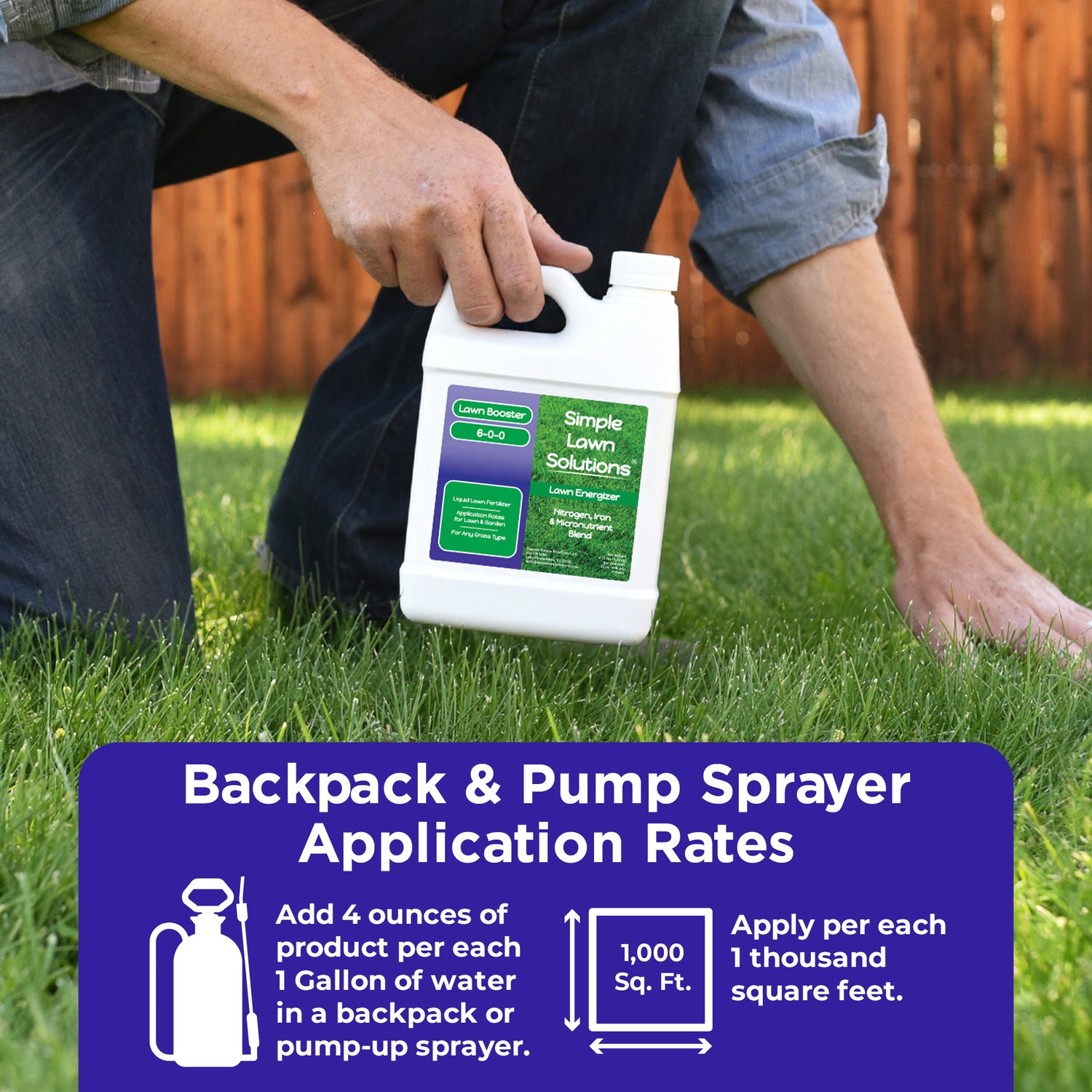
Once soil pH is optimized, focus on the two nutrients that directly impact green color: nitrogen and iron. They work differently. Nitrogen fuels growth and chlorophyll, while iron provides fast greening without excessive blade length.
Apply Nitrogen at the Right Time
Nitrogen is the primary driver of green color, but timing matters more than quantity.
For cool-season grasses like Kentucky bluegrass and fescue, fertilize heavily in early fall and lightly in spring. Avoid summer feeding because it stresses the grass. For warm-season grasses like Zoysia and St. Augustine, feed in late spring to early summer during active growth.
Use slow-release fertilizers like 24-0-4 to prevent burn and ensure steady nutrient flow. Organic options like composted manure or corn-based fertilizers also feed soil microbes.
Leaving grass clippings after mowing returns approximately 25 percent of annual nitrogen needs at no extra cost.
Boost Color With Iron Supplements
If your lawn stays pale despite nitrogen, it may need iron. Iron deficiency causes interveinal chlorosis, which is yellowing between green veins on blades.
Apply granular Ironite with a broadcast spreader for results in about seven days. Use liquid chelated iron and spray directly on leaves for visible greening in three to five days. Some fertilizers include iron blends, which are ideal for maintenance.
Iron can stain driveways or cause leaf burn if overused. Always follow label rates and water in after application.
Choose the Right Grass Type
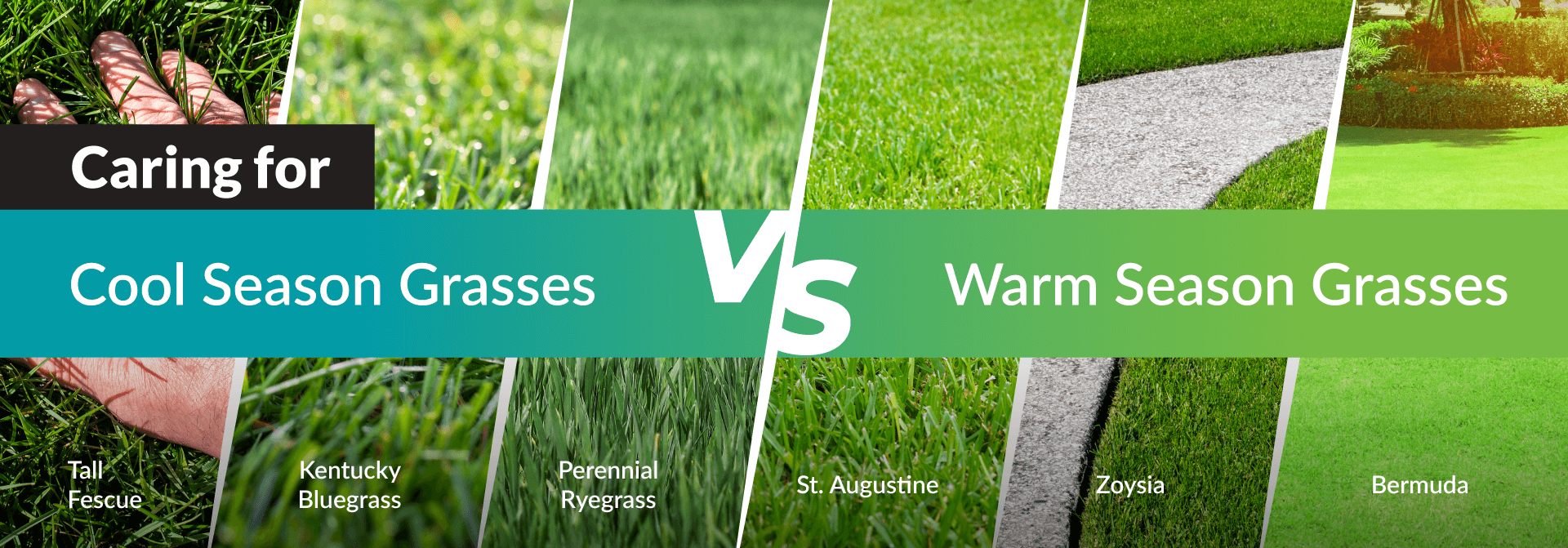
No amount of care will turn a naturally light-green grass into a deep forest green. The species and cultivar you plant set the ceiling for color potential. If you already have a lighter green grass type, no matter how much care you give it, it will not turn into an intense forest green.
Best Cool-Season Grasses for Deep Green
Kentucky bluegrass produces a lush, dense turf with excellent dark-green cultivars including Midnight, Blackstone, and Total Eclipse. Turf-type tall fescue offers heat tolerance with rich color. Try Rhambler 2, Titanium 2, or 4th Millennium. Perennial ryegrass establishes quickly with dark cultivars like Pangea and Manhattan 7. Fine fescues handle shade well, with options like Evergreen creeping red fescue and Eureka II hard fescue.
Top Warm-Season Grasses for Rich Color
St. Augustine produces thick, dark blades. The best cultivars include Seville, Butterblue, and Provista. Zoysia is naturally deep green and dense. Choose Zeon, Emerald, or Geo Zoysia for the richest color.
Overseed existing lawn with a darker cultivar compatible with your current grass. Do this in early fall for cool-season grasses or late spring for warm-season grasses after aeration.
Water Deeply and Infrequently
Shallow, frequent watering creates weak roots and pale grass. To build resilience and deep green color, water deeply and less often.
How Much Water Does Grass Need
Aim for 1 to 1.5 inches per week, including rainfall. Use a rain gauge or straight-sided can to measure output. Cool-season lawns need consistent moisture year-round. Warm-season lawns can go dormant in drought but revive with watering.
Watering Schedule That Works
Water two to three times per week. The best time is early morning between 4 and 8 AM. This minimizes evaporation and dries grass quickly, reducing disease risk. Avoid evening watering because prolonged moisture encourages fungal diseases like brown patch.
After watering, dig down to check. Moisture should reach 6 to 8 inches deep. If not, increase duration, not frequency.
Mow High and Sharp
Mowing seems simple, but done wrong, it can ruin your greening efforts. Cutting too short stresses grass, exposes soil, and invites weeds.
Optimal Mowing Heights
Cool-season grasses should be mowed at 3.5 to 4 inches. Warm-season grasses should be mowed at 2 to 3 inches. During heat or drought, mow at the tallest recommended height for your grass type.
Taller grass shades roots, retains moisture, and supports deeper roots. It also photosynthesizes more efficiently, producing more energy for greener growth.
Mowing Best Practices
Never cut more than one-third of the blade in one pass. Scalping causes shock and browning. Sharpen blades every 20 hours of use or two to three times per season. Dull blades tear grass, creating frayed tips that reflect light and look pale. Alternate mowing directions to prevent grain and leaning. Leave clippings unless they clump because they decompose quickly and return nutrients.
Healthy mowed grass should look uniform and rich, never straw-colored or ragged.
Fix Common Lawn Problems
Even with good care, issues like compaction, thatch, and weeds can block your path to a greener lawn. Address these hidden barriers to unlock better results.
Aerate to Beat Compaction
Foot traffic and heavy soil compress particles, preventing air, water, and nutrients from reaching roots. Core aerate annually in spring or fall. Use a plug aerator that removes small soil cores, half an inch wide and 2 to 3 inches deep. Aerate when soil is moist but not soggy. Top-dress with one-quarter inch of compost after aeration to boost microbes and structure.
Dethatch When Needed
Thatch is a layer of dead stems and roots between soil and grass. A thin layer under half an inch is healthy. Thick thatch blocks water, air, and nutrients from reaching roots.
Dig a small plug to check. If the brown layer exceeds half an inch, dethatch using a power rake or vertical mower. The best time is early fall or late spring. After dethatching, overseed and water to help recovery.
Eliminate Weeds Without Harm
Weeds steal resources and make lawns look patchy. Apply corn gluten meal in early spring when crocus bloom for pre-emergent weed control. It is natural and safe for pets. Do not use it if you are overseeding because it stops all seeds. For existing weeds, hand-pull dandelions and clover or use spot treatment. Avoid weed and feed products because they contain pesticides harmful to pollinators and pets.
Read Nature’s Warning Signs
Your lawn and yard give clues about underlying problems. Learn to interpret them before issues worsen.
What Common Plants Reveal
Dandelions indicate alkaline soil with high pH. Clover and mushrooms are signs of low nitrogen. Moss appears in areas with shade, compaction, poor drainage, or low fertility.
If you see clover, test for nitrogen. If moss spreads, aerate, improve drainage, and overseed with shade-tolerant grass.
Fix Yellow Patches Fast
Yellow spots may mean iron deficiency. Apply liquid iron for quick results. They may also indicate pH imbalance. Retest soil and adjust accordingly. Compaction can cause yellowing. Aerate the area. Pet urine creates yellow spots too. Rinse immediately and reseed with urine-resistant grass like tall fescue.
Follow a Seasonal Care Plan
Greener grass is not a one-time fix. It is a year-round routine. A seasonal schedule keeps your lawn strong through every phase.
Spring Tasks
Aerate cool-season lawns in spring. Apply corn gluten meal for pre-emergent weed control. Spread compost at one-quarter inch to feed soil. Begin regular mowing at proper height. Dethatch if needed.
Summer Tasks
Water deeply two to three times per week. Mow high and sharp. Avoid fertilizing in heat. Wait until fall. Monitor for grubs, disease, and drought stress.
Fall Tasks
Core aerate and overseed thin areas. Apply slow-release nitrogen fertilizer. Rake leaves promptly to prevent smothering. Continue mowing until growth stops.
Winter Tasks
Minimize foot traffic on dormant grass. Sharpen and service mower. Plan spring improvements including soil tests and new seed purchases.
Troubleshoot: Why Is Not My Grass Green
You have watered, mowed, and fertilized, yet your lawn stays pale. Here is how to diagnose the real cause.
If grass is not getting enough nitrogen, you will see uniform light green or yellowing with slow growth. Apply slow-release nitrogen in fall for cool-season grasses or late spring for warm-season grasses.
If iron deficiency is the issue, you will see yellow between veins with a green midrib. This is interveinal chlorosis. Spray chelated iron or spread Ironite.
If you are mowing too short, you will see brown tips and a thin appearance with weed invasion. Raise the mower deck. Cool-season grass should never be below 3 inches.
If soil is compacted, you will see water pooling and poor growth in high-traffic zones. Aerate annually.
If there is too much shade, you will see sparse growth, moss, and weak color. Trim tree limbs and overseed with shade-tolerant fescue.
If you have the wrong grass type, accept that a light-green variety will not turn jet black no matter what you do. Reseed or sod with a darker cultivar.
Revive Brown Grass the Right Way
Brown does not always mean dead. Many lawns go dormant in summer heat or drought but can bounce back with care.
If grass is dormant, not dead, it turns uniformly brown but crowns stay green at the base. Revival steps include watering deeply at 1 inch per week, aerating if compacted, fertilizing after color returns, and overseeding bare spots.
If grass is dead, it will be crunchy with no green crowns. You will need to rake out dead material, amend soil, and reseed or lay sod.
Dormant grass revives in 7 to 14 days with proper watering.
Key Takeaways for Making Your Lawn Greener
A greener lawn is built through consistent, science-backed care starting with soil health. Test your soil before applying any nutrients. Focus on nitrogen for growth and iron for quick color boosts. Choose grass varieties known for deep green color. Water deeply but infrequently, aiming for 1 to 1.5 inches per week. Mow high with sharp blades, keeping cool-season grass at 3.5 to 4 inches. Address compaction through annual aeration and thatch when it exceeds half an inch. Follow a seasonal care plan tailored to your grass type.
Skip the shortcuts. Focus on health, not just color. Within weeks, you will see deeper green, fewer weeds, and a lawn that thrives year after year.
Frequently Asked Questions About Making Lawn Greener
How long does it take to make lawn greener?
Visible improvements typically appear within 1 to 4 weeks depending on the method used. Iron supplements show results in 3 to 7 days. Nitrogen and overall health improvements take longer, usually 4 to 6 weeks.
Why is my grass still pale after fertilizing?
Your soil pH may be out of balance, preventing nutrient absorption. Test your soil and adjust pH if needed. Iron deficiency can also mimic nitrogen deficiency, causing yellowing between veins. Apply iron supplements if this is the case.
Should I water my lawn every day?
No. Water deeply two to three times per week rather than daily. Shallow watering encourages weak roots. Aim for 1 to 1.5 inches per week, including rainfall.
Does mowing too short make grass yellow?
Yes. Cutting grass too short stresses the plants, exposes soil, and invites weeds. This causes browning and pale color. Keep cool-season grass at 3.5 to 4 inches and warm-season grass at 2 to 3 inches.
Can brown grass turn green again?
Yes, if the grass is dormant rather than dead. Water deeply, aerate if needed, and apply fertilizer once color returns. If the grass is completely dead with no green crowns, you will need to reseed or lay sod.