You step outside, ready to enjoy your lawn, only to find patches of grass turning yellow, feeling rough underfoot, or worse, seeing fine webbing coating the blades. If your lawn is not responding to watering or fertilizer, lawn mites could be the hidden culprit. These tiny pests feed on grass sap and chlorophyll, weakening your turf from the base up.
This guide gives you proven, step-by-step methods to identify, treat, and prevent mite infestations. Whether you are dealing with spider mites, clover mites, or turf-destroying pests, you will learn exactly what to do, when to do it, and how to keep them from coming back.
Identify Lawn Mite Infestation Early
Catching lawn mites early stops minor damage from becoming a full-scale lawn disaster. Since mites are microscopic, look for visual and textural clues instead.
Spot Visual Damage Signs
Watch for these common symptoms appearing across your lawn:
- Yellow or brown patches spreading across the turf
- Silvery stippling or streaks on grass blades
- Bronzing or reddish discoloration before blades die
- Thinning grass that will not recover despite proper care
These symptoms often start at the edges of lawns or in dry, sunny zones, which are prime mite territory.
Check for the Witches Broom Effect
In couch and kikuyu lawns, look for clumped, stunted yellow shoots that resemble a broom. This abnormal growth is a telltale sign of mites feeding at the base of runners. Shortened internodes and twisted growth confirm active infestation.
Feel the Lawn Texture
Healthy grass feels soft and dense. Mite-damaged turf becomes rough, dry, or sandy to the touch due to dead tissue and webbing. Run your hand over suspect areas. If it feels like fine grit, mites may be present.
Confirm Mites Are the Culprit

Many lawn problems mimic mite damage. Confirm before treating to avoid wasting time and money on the wrong solution.
Perform the White Paper Test
- Collect a handful of grass from the edge of a damaged patch
- Hold it over a white sheet of paper
- Gently shake or tap the sample
If tiny specks begin to move, those are live mites. This simple test confirms infestation without lab tools.
Use a Hand Lens for Close Inspection
With a 10x magnifier, examine leaf sheaths, grass runners, and undersides of blades. Look for moving dots, fine webbing, or transparent eggs under sheaths.
Submit a Core Sample for Testing
For definitive diagnosis, cut a 5 to 10 cm deep turf plug from a transition zone between damaged and healthy grass. Place it in a sealed plastic bag and take it to a lawn care professional or extension service. Experts can identify the species and rule out drought, disease, or nutrient issues.
Know Your Lawn Mite Type
Different mites require different approaches. Identifying the species helps you target treatment effectively.
Spider Mites Thrive in Summer Heat
Spider mites are less than 0.5 mm, oval-shaped, and come in green, yellow, red, or black. They produce fine webbing and cause stippled blades. These mites explode in population during droughts, with one female laying over 100 eggs in a week.
Clover Mites Invade in Spring and Fall
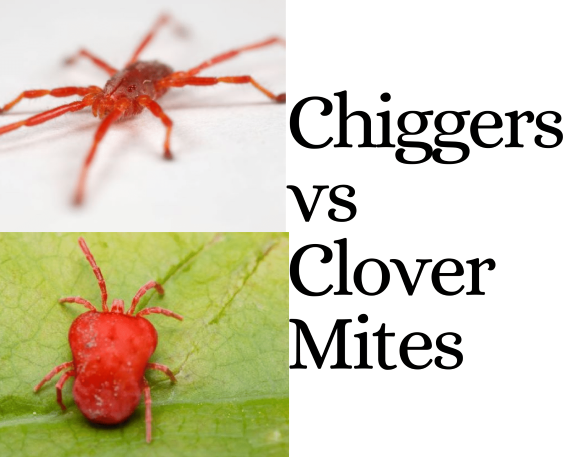
Clover mites are slightly larger than spider mites with a reddish-brown color and long front legs. They are most active in early spring and late fall. They may enter homes during temperature shifts, and crushing them leaves red stains, so vacuum them instead.
Banks Grass Mites Damage Turf Fast
Banks grass mites are less than 0.5 mm and range from green to black. They prefer dry, hot lawns and reproduce rapidly, causing severe grass decline. They are common in over-fertilized or stressed lawns.
Winter Grain Mites Appear in Cold Months
Winter grain mites have a dark body with bright red-orange legs. They are active from winter through early spring and found in cool-season grasses and agricultural areas.
Chiggers Cause Skin Irritation
Chiggers are the larval stage that feeds in tall grass and weeds. They do not harm grass but cause itchy red welts on human skin from salivary enzymes. They do not burrow or suck blood.
Immediate Natural Treatments That Work
For mild to moderate infestations, natural remedies are safe, affordable, and effective.
Spray Neem Oil to Disrupt Mite Life Cycle
Neem oil contains azadirachtin, which blocks mite feeding, prevents molting, and stops egg development.
How to apply:
- Mix 2 oz neem oil with 1 gallon water plus a few drops of dish soap as emulsifier
- Spray thoroughly on blades, runners, and soil
- Apply early morning or evening to avoid sunburn
- Repeat every 7 days for 3 to 4 weeks
Neem oil is safe for pets and pollinators when dry.
Use Soap and Water Spray to Suffocate Mites
A DIY insecticidal soap kills mites on contact.
Recipe:
- 1 liter water
- 1 to 2 drops of fragrance-free dish soap, no degreasers
Apply directly on infested zones, focusing on grass base and leaf sheaths. Reapply every 4 to 7 days. Avoid overuse, as it can strip natural leaf oils.
Apply Diatomaceous Earth for Lasting Control
Food-grade DE is a natural powder that shreds mite exoskeletons, causing dehydration.
How to use:
- Dust a light layer over affected areas
- Wear a mask to avoid inhaling fine particles
- Reapply after rain or watering
DE remains effective until washed away and is harmless to pets once settled.
Blast Mites with High-Pressure Water
A fast, chemical-free way to remove mites, eggs, and webbing.
Method:
- Use a garden hose with jet nozzle
- Spray at base of plants and runners
- Focus on dawn or dusk when mites are most active
- Repeat every 2 to 3 days for 1 to 2 weeks
This also improves humidity, which mites hate.
Introduce Beneficial Nematodes
Microscopic worms hunt mite larvae in the soil.
Apply by mixing with water and spraying or watering into soil. Use in spring or fall when soil is moist. Keep soil damp for 7 to 10 days post-application.
Boost Biological Control with Predators
Let nature fight mites for you.
Release Predatory Mites
Phytoseiulus persimilis eats spider mites at a 3:1 ratio and reproduces faster under warm conditions. Apply via misting or spraying. Avoid using soap or oil sprays for 3 to 5 days after release.
Attract Ladybugs and Lacewings
These insects feed on mite eggs and juveniles.
How to attract them:
- Plant dill, yarrow, or marigolds near lawn edges
- Avoid broad-spectrum pesticides
- Provide shallow water sources
A single ladybug can eat 5,000 mites in its lifetime.
When to Use Professional-Grade Chemicals
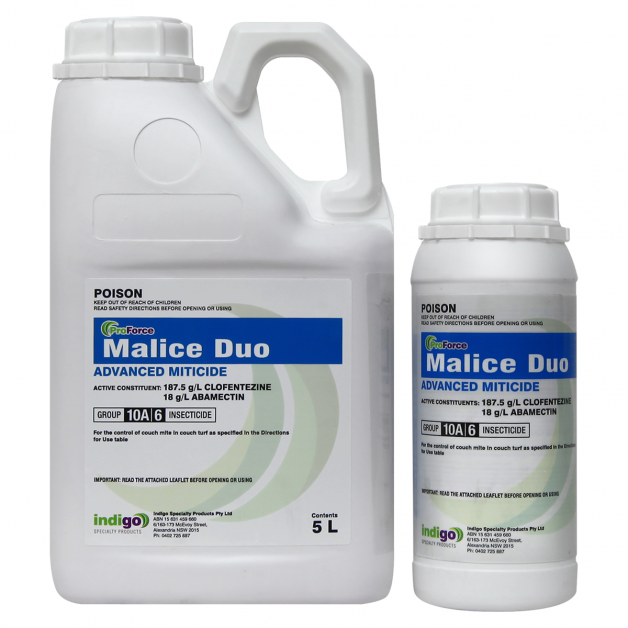
Natural methods work for early infestations. For severe or persistent cases, stronger action is needed.
Avoid Ineffective Retail Sprays
Common insecticides like pyrethroids or diazinon kill beneficial insects, fail to penetrate mite eggs, and can trigger resistance. These give false confidence, and mites return within days.
Use Pro-Approved Miticides
These commercial-grade products eliminate all life stages:
- Thumper: Abamectin-based, broad-spectrum mite control
- Malice Duo: Combination miticide for eggs, nymphs, and adults
- Waldo: Multi-action formula for resistant populations
Application rules:
- Spray at dusk to reduce evaporation
- Cover entire lawn, especially damaged zones
- Repeat every 5 to 7 days for 3 to 4 rounds
- Water lightly before and after unless label says otherwise
Multiple sprays are mandatory because mite eggs hatch in waves. One spray kills adults but not eggs.
Hire a Pest Control Professional
For large lawns or recurring infestations, professionals save time, money, and turf.
Why Professionals Succeed
- Access to commercial miticides not sold to the public
- Use calibrated sprayers for even coverage
- Conduct core sampling to confirm species
- Design custom treatment plans
They often charge less than DIY when you factor in chemical costs.
What to Expect
- Lawn inspection and sample testing
- First treatment with targeted miticide
- Follow-up visits, 2 to 3 more sprays
- Post-treatment monitoring for 2 to 4 weeks
Ask for a written plan and safety guidelines for pets and kids.
Prevent Lawn Mites from Returning
Once mites are gone, keep them out with smart lawn care.
Water Deeply, Not Frequently
Soak soil 6 to 8 inches deep 1 to 2 times per week. Avoid daily light watering, which promotes shallow roots and mite-friendly surface moisture.
Fertilize Smart, Not Heavy
Apply balanced fertilizer 3 times per year, in early spring, late summer, and fall. Avoid high-nitrogen feeds, as they create soft growth that mites love.
Mow High and Sharp
Set mower to 3 to 4 inches. Taller grass shades soil, reducing heat stress. Never cut more than one-third of blade length at once. Use sharp blades, as torn grass invites pests.
Aerate and Dethatch Annually
Core aeration improves drainage and reduces compaction. Remove thatch over one-half inch thick, as it shelters mites and holds moisture. Do both in spring or fall.
Increase Sunlight and Airflow
Prune trees and shrubs blocking light. Trim dense foliage to boost circulation. Mites thrive in hot, still air, and wind and sun disrupt their colonies.
Debunk Common Lawn Mite Myths
Clear up confusion so you take the right action.
Lawn Mites Do Not Bite People
Spider mites, clover mites, and Banks grass mites do not bite. They feed only on plant sap. Only chiggers cause skin irritation, but they do not bite or burrow.
Mites Will Not Go Away on Their Own
Infestations worsen over time. Untreated lawns suffer permanent die-off, and weeds and fungus move in. Active treatment is required.
Any Insecticide Will Not Kill Mites
Most bug sprays do not work on mites. Mites are arachnids, not insects, and many chemicals miss their biology. Use true miticides, not general pesticides.
Maintain Year-Round Lawn Health
A healthy lawn is the best mite defense.
Spring Action Plan
Test soil and adjust pH to 6.0 to 7.0. Apply first fertilizer. Aerate and dethatch if needed. Begin mite monitoring.
Summer Vigilance
Water deeply during heat. Inspect weekly for stippling or webbing. Use neem oil preventively in dry spells.
Fall Preparation
Apply second aeration. Apply fall fertilizer. Remove fallen leaves and clippings. Treat early clover mite signs.
Winter Watch
Monitor for winter grain mites in mild climates. Avoid foot traffic on dormant grass. Plan spring treatment if issues recurred.
Frequently Asked Questions About Lawn Mites
What is the fastest way to get rid of lawn mites?
For immediate results, use a combination of high-pressure water spraying followed by neem oil application. Spray mites off with a garden hose, then apply neem oil to prevent reinfestation. Repeat every 7 days for 3 to 4 weeks.
Does neem oil actually kill lawn mites?
Yes, neem oil kills lawn mites effectively. It contains azadirachtin, which blocks feeding, prevents molting, and stops egg development. Mix 2 oz per gallon of water and spray thoroughly on affected areas.
What does a lawn mite infestation look like?
Lawn mite infestations appear as yellow or brown patches, silvery stippling on grass blades, fine webbing, and rough texture. The witches broom effect, where grass clumps abnormally, is also a telltale sign.
Can I treat lawn mites myself, or do I need a professional?
You can treat mild infestations yourself using natural remedies like neem oil, soap spray, or diatomaceous earth. Hire a professional for large lawns, severe infestations, or when DIY methods fail.
How long does it take to eliminate lawn mites?
Eliminating lawn mites takes 3 to 6 weeks with consistent treatment. Because mites reproduce rapidly and eggs hatch in waves, multiple applications are necessary. A single treatment will not work.
Will lawn mites come back after treatment?
Yes, lawn mites can return if conditions favor them. Prevent recurrence by maintaining proper watering, fertilizing correctly, mowing at the right height, and promoting biodiversity in your yard.
Key Takeaways for Getting Rid of Lawn Mites
Lawn mites will not vanish on their own, and delayed action leads to irreversible turf loss. Start by confirming the infestation with a white paper test or core sample before treating. For mild cases, use neem oil, soap spray, or high-pressure water blasting. For severe infestations, use professional miticides like Thumper, Malice Duo, or Waldo, applying multiple times to break the lifecycle.
Prevent recurrence by watering deeply, fertilizing smart, mowing high, and promoting natural predators like ladybugs. A healthy, well-maintained lawn naturally resists mite infestations year after year.