Is your lawn showing strange patches of brown, orange, or powdery growth? You’re likely dealing with lawn fungus, a common but treatable problem that affects millions of homeowners every year. Fungal infections can turn a lush green yard into a patchy, discolored eyesore in just days. The good news: with the right approach, you can eliminate lawn fungus and prevent it from coming back.
Lawn fungus isn’t just unsightly. It weakens grass, kills roots, and creates openings for weeds. These diseases don’t fix themselves. Left untreated, they spread fast, sometimes within 24 to 48 hours. This guide gives you a step-by-step action plan to diagnose, treat, and prevent lawn fungus using proven methods.
Identify the Fungus Type
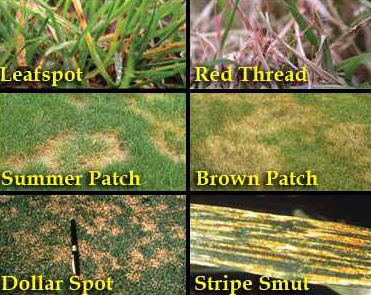
Correct identification is the first and most critical step. Treating the wrong disease wastes time and money, and can make things worse. Each fungus has unique symptoms and requires specific care.
Brown Patch vs. Dollar Spot
Brown Patch appears as large, irregular circles of tan or brown grass, often with a dark smoky ring around the edge. It hits tall fescue and ryegrass hard in summer when nights stay above 65°F and humidity is high.
Dollar Spot creates smaller, silver-dollar-sized patches that can merge into larger dead zones. Look for hourglass-shaped lesions on individual blades with reddish-brown borders. It spreads in lawns low in nitrogen or under stress from compaction.
Summer Patch and Root Damage
If patches are 1 to 2 inches wide, forming crescent shapes or rings, and grass pulls up easily, check the roots. Summer Patch causes roots to turn dark brown or black and rot. This fungus attacks Kentucky bluegrass and fine fescues when soil temperatures hit 90°F.
Rust, Red Thread, and Powdery Mildew
See orange dust on your shoes or mower? That’s grass rust. It starts as yellow specks on blades, then develops into raised pustules that burst and release rust-colored powder.
In spring or fall, pink or tan patches with red, antler-like threads sticking out from blade tips signal Red Thread. It targets fescues and ryegrasses, especially in low-nitrogen lawns.
White, fuzzy growth on blades in shaded areas? That’s powdery mildew. It prefers cool temps, high humidity, and poor airflow.
Fairy Ring and Snow Mold
Circular or arc-shaped rings of dark green grass with mushrooms at the edge point to Fairy Ring. The center may die due to water-repellent soil.
After snow melts, matted, straw-colored patches with white or pink fuzz mean snow mold. Raking and spring recovery usually fix mild cases.
Treat with Fungicides
For active, spreading infections, fungicides are the fastest solution. They stop fungal growth and prevent further damage.
Use Patch Pro for Broad-Spectrum Control
Patch Pro, containing propiconazole, is one of the most effective treatments for common lawn fungi like brown patch, dollar spot, and powdery mildew. It’s systemic, meaning it’s absorbed by the plant and works from the inside out.
How to Apply Patch Pro
- Measure your lawn to calculate square footage.
- Fill a 1-gallon pump sprayer halfway with water.
- Add 0.5 to 4 oz per 1,000 sq ft, depending on severity.
- Top off with water and shake well.
- Spray evenly until liquid drips slightly off blades.
- Reapply every 7 to 14 days for 2 or more treatments on active infections.
- For prevention, apply monthly during high-risk seasons.
When to Use Fungicides
Use fungicides curatively at the first sign of spreading disease. Apply preventively in spring or fall if your area has a history of fungal outbreaks. Some products offer up to 30 days of coverage, ideal for humid climates.
Rotate Fungicide Types
Using the same fungicide repeatedly leads to resistance, especially with dollar spot. Alternate between DMI fungicides like propiconazole and QoI fungicides like azoxystrobin to stay effective.
Try Natural Remedies Early
If you catch fungus early or prefer to avoid chemicals, natural treatments can suppress or eliminate mild infections.
Neem Oil
Neem oil disrupts fungal cell membranes and deters insects. Mix 3 tablespoons per gallon of water and spray every few days. Best for powdery mildew, rust, and early-stage leaf spot.
Baking Soda
Baking soda raises leaf surface pH, making it hostile to fungi. Mix 1 tablespoon per gallon of water and spray affected zones. Works well on powdery mildew but avoid repeated use, as it can alter soil pH.
Cornmeal
Cornmeal feeds beneficial microbes that outcompete pathogens. Apply 20 lbs per 1,000 sq ft dry. It’s not a quick fix but helps prevent dollar spot and general fungal pressure over time.
Boost Soil Biology
Products like Penetrate Liquid Bio-Tiller or Nourished Biosol introduce beneficial bacteria and fungi that suppress disease. They’re pricier upfront but reduce long-term fungus risk by improving soil health.
Fix Watering Habits
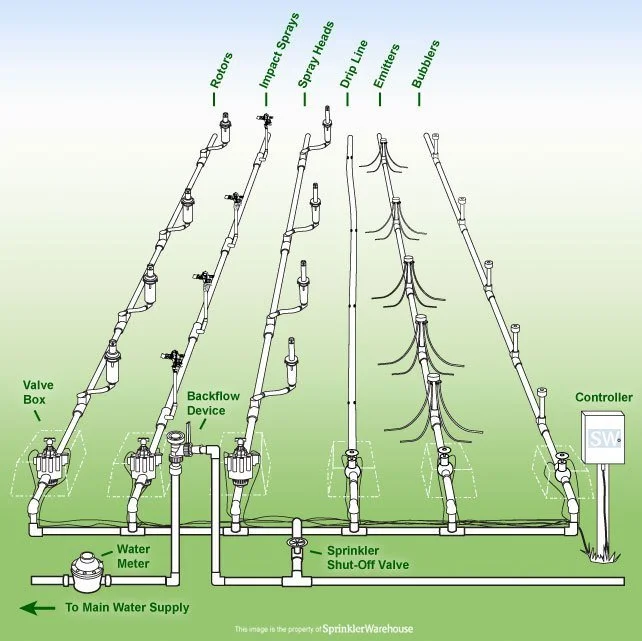
Improper watering is a top cause of lawn fungus. Too much moisture on blades creates a fungal playground.
Water Deep and Early
Give your lawn 1 inch of water per week, including rainfall. Water 1 to 2 times weekly to encourage deep roots. Always irrigate between 6 and 10 AM so grass dries in the sun.
Avoid Overwatering
More than 1 inch per week increases fungus risk even in hot weather. Use a rain gauge or tuna can to measure output. Adjust sprinklers to prevent puddling in low spots.
Improve Drainage
Standing water breeds fungi. Install French drains, regrade sloped areas, or use core aeration to boost infiltration in compacted zones.
Mow the Right Way
Mowing affects grass health and disease spread more than most realize.
Keep Grass Taller
Mow at 3 to 4 inches, especially in summer. Taller grass shades the soil, reducing moisture and heat stress, two key fungus triggers.
Sharpen Blades Monthly
Dull blades tear grass instead of cutting cleanly, creating entry points for fungi. Sharpen mower blades every 4 to 6 weeks during peak season.
Bag Clippings During Outbreaks
When rust or active fungus is present, bag clippings to stop spores from spreading. Resume mulching once the lawn is healthy.
Sanitize Equipment
After mowing infected areas, clean blades, wheels, and handles with a 10% bleach solution. Prevent cross-contamination to healthy zones.
Fertilize Strategically
Nutrient imbalances make lawns vulnerable. Too little nitrogen invites red thread. Too much creates lush growth that’s weak and fungus-prone.
Use Slow-Release Fertilizer
Choose balanced, slow-release NPK formulas. They feed grass steadily without spiking growth.
Avoid Late-Fall Nitrogen
On cool-season lawns, nitrogen after mid-fall increases snow mold risk. Fertilize in early fall instead.
Address Deficiencies
Red thread often signals low nitrogen. Soil test to confirm and adjust accordingly.
Aerate and Dethatch
Soil compaction and thick thatch trap moisture and block air, perfect for fungi.
Core Aerate Annually
Aerate in spring or fall using a core aerator that pulls plugs. This reduces compaction, improves drainage, and helps fungicides reach roots.
Remove Excess Thatch
If the thatch layer exceeds 1/2 inch, dethatch with a power rake. Do it in early fall for cool-season grasses, late spring for warm-season types.
Choose Resistant Grass Varieties
Not all grasses are equal. Some are bred to resist common fungi.
Plant Disease-Resistant Fescues
Newer tall fescue varieties resist brown patch better than older types. They also handle heat and drought well.
Overseed with Perennial Ryegrass
In warm-season lawns going dormant, overseed with perennial ryegrass. It germinates in 7 to 14 days, stays green all winter, and crowds out fungi and weeds.
Know When to Call a Pro
Some situations demand expert help.
Call a Lawn Care Company If
• Fungus covers 20% to 30% or more of your lawn.
• You can’t identify the disease.
• It keeps coming back despite treatment.
Professionals have access to commercial-grade fungicides, accurate diagnostics, and soil testing. Many offer preventive seasonal programs that stop outbreaks before they start.
Help Grass Recover
Once the fungus is under control, focus on regrowth.
Reseed Dead Areas
Dead grass won’t come back. Reseed after 2 to 3 weeks of fungicide treatment. Prepare soil by raking out dead material, aerating, and spreading disease-resistant seed.
Expect a 2-4 Week Recovery
With proper care, you’ll see improvement in 1 to 2 weeks. Full recovery takes longer, especially if reseeding. Be patient and don’t stop treatment early.
Prevent Future Outbreaks
The best way to handle lawn fungus is stop it before it starts.
Follow a Prevention Schedule
Spring: Aerate, apply preventive fungicide if needed. Summer: Mow high, water early, monitor for spots. Fall: Fertilize early, dethatch, overseed. Winter: Clear leaves, avoid walking on snow-covered grass.
Invest in Soil Health
A biologically active soil ecosystem is your best defense. Use microbial soil amendments, compost, and organic fertilizers to build resilience.
Act at First Sign
Don’t wait. The faster you treat, the less damage occurs. Check your lawn weekly during humid months.
Frequently Asked Questions About Lawn Fungus
Will Lawn Fungus Go Away on Its Own?
No. While some seasonal diseases like snow mold may resolve with weather changes, most fungal infections will not disappear without intervention and tend to spread rapidly, some within 24 to 48 hours.
How Many Times Should I Spray Fungicide?
For curative treatment, apply every 7 to 14 days for 2 or more applications. For prevention, apply monthly during high-risk periods like spring and fall or during high humidity.
How Much Does Fungus Treatment Cost?
DIY treatment runs $20 to $50 for fungicide and a sprayer. Professional service varies by lawn size and severity, but preventative treatments are cheaper than curative ones.
Can I Water After Applying Fungicide?
Yes, but timing depends on the product. Some require watering in to activate. Others need time to absorb before irrigation. Always follow label instructions.
Do I Need to Treat Every Year?
Preventative treatments are recommended annually in high-risk areas. Curative treatments are only needed when infection is present. Many homeowners opt for yearly prevention to avoid costly damage.
Key Takeaways for Getting Rid of Lawn Fungus
Lawn fungus is treatable, but only if you act fast and correctly. Identify the type of fungus first, then apply the right fix. Improve your lawn care habits to prevent recurrence. With this plan, you’ll restore your green lawn and keep it healthy for years to come.