Imagine stepping outside to a lawn so lush and perfectly striped it looks like a championship fairway. A golf course lawn is not achieved by mowing low alone. It results from science-backed turf management, precise timing, and consistent care using the right grass, tools, and routine.
This guide breaks down exactly how to get a golf course lawn using proven methods from turf experts and superintendents. You will learn which grasses cut the shortest, the best mowers for striping, and how to level, feed, and protect your turf like a professional.
Choose the Right Grass Type for Your Climate
Selecting the appropriate grass for your region is the foundation of a golf course lawn. Not all grasses tolerate ultra-low mowing, so choose based on your climate zone.
Bermuda Grass for Warm Climates
Bermuda grass is the top choice for southern lawns aiming for a true golf course look. It thrives in hot sun, grows aggressively, and tolerates mowing down to 0.5 inches. Top varieties include Tifway 419, Yukon, and Monaco, which deliver dense, dark green turf ideal for fairways. Yukon and Monaco offer improved shade and cold tolerance, making them better suited for transitional zones.
Avoid Arden 15, which is discontinued, and Princess 77, which lacks drought resilience. Zoysia is an alternative but grows slower and looks best at 1.0 to 2.0 inches, so it will not achieve the same tight, manicured look as Bermuda.
Kentucky Bluegrass for Cool Climates
In northern regions, Kentucky bluegrass is your best bet for a golf course aesthetic. It forms thick, self-repairing sod and stripes beautifully when mowed with a roller. Ideal mowing height ranges from 2.0 to 3.0 inches. Pair it with perennial ryegrass for faster establishment and durability.
Avoid tall fescue if you want a fine, uniform finish. Its coarse texture stands out and resists striping.
Test and Prepare Your Soil First
You cannot grow championship turf on poor soil. Healthy soil supports healthy grass, making soil preparation the most critical step.
Start With a Soil Test
Begin with a MySoil Test Kit to check pH, nutrients, and organic content. Most grasses prefer a pH between 6.0 and 7.0. Use results to tailor your fertilizer and lime applications rather than guessing.
Core Aerate for Strong Roots
Compacted soil blocks water, air, and nutrients. Core aeration is essential for maintaining healthy turf.
For warm-season grasses, aerate in late spring to early summer. For cool-season grasses, aerate in early fall, specifically August through October. Rent a core aerator for $60 to $90 or hire a professional service. After aerating, apply starter fertilizer to boost recovery.
Level With Top Dressing
A smooth, flat lawn reflects light evenly and rolls like a putting green. Use a 70% river sand plus 30% organic matter mix to fill low spots and improve drainage.
For DIY top dressing, follow these steps:
- Mow lawn short, scalping to under 0.5 inches
- Remove all clippings
- Core aerate the area
- Apply starter fertilizer
- Spread top dressing evenly
- Work into turf with a push broom
Apply about 1.5 cubic yards per 1,000 square feet for a 1-inch lift. Never use play sand, as it compacts and harms soil structure.
Mow With Professional Equipment and Technique
The mower is the single most impactful tool for achieving a golf course finish. Using the right equipment and technique separates an average lawn from a championship fairway.
Use a Reel Mower for Clean Cuts

Reel mowers deliver a scissor-like cut essential for low, healthy mowing. They are standard on golf courses for good reason.
Top choices include the Toro Greensmaster 1600 for professional-grade performance, the Tru-Cut C25 or C27 for powered home use, and the Scotts Push Reel Mower as a budget-friendly option. Always pick a mower with a front roller, as it is critical for creating stripes.
Rotary mowers can work if kept extremely sharp and used at higher settings, but they struggle below 1.0 inch and often tear grass.
Mow Low and Frequently
Frequency matters more than height. Mow at least three times per week during peak growth. Never remove more than one-third of the grass blade per session.
Lower height gradually over several weeks to avoid shocking the turf. Bermuda thrives at 0.5 to 0.75 inches, while Kentucky bluegrass performs best at 2.0 to 3.0 inches.
Create Perfect Lawn Stripes Like a Pro
Stripes are an optical illusion created when grass bends in different directions, reflecting light unevenly.
To stripe your lawn effectively, mow north to south in straight lines, then reverse and mow south to north on adjacent passes. Use a mower with front and rear rollers for the best effect.
Cool-season grasses show more contrast than stiff Bermuda. Add a striping kit to a rotary mower for similar results. Change mowing direction every time to prevent ruts and wear patterns.
Feed Your Lawn With the Right Fertilizer Schedule
Golf courses feed lightly but often. Follow a five to six-week schedule during growing months for optimal results.
Best Fertilizers for Golf Course Results
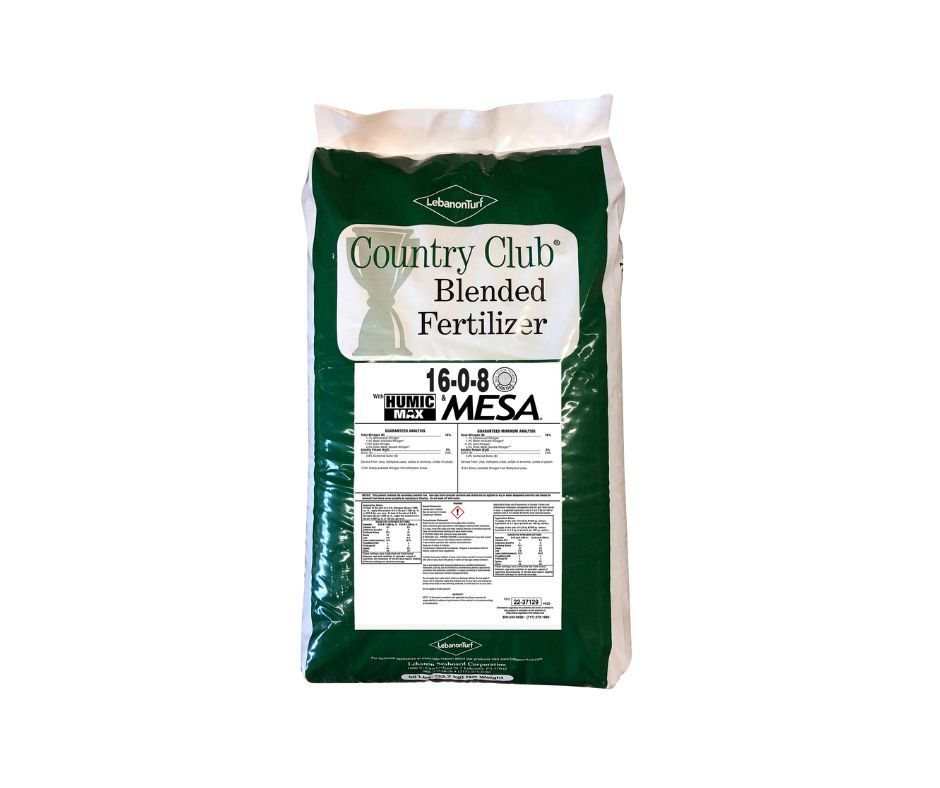
Lebanon Turf Humic Max 16-0-8 provides 35% slow-release nitrogen and 8.9% humic acid, covering 15,000 square feet per bag. Mirimichi Premium Organic is OMRI-certified and iron-rich with no burn risk. EarthWorks 822 is a carbon-based option used on professional courses.
Apply fertilizer at key times throughout the year. Early spring kickstarts growth, late spring supports summer health, late summer prepares for stress, and fall builds root reserves. Use both liquid and granular fertilizers, with liquids for quick green-up and granular for sustained feeding.
Prevent Weeds Before They Sprout
Stopping weeds before they appear is far easier than removing them later. Pre-emergent herbicides form the foundation of a weed-free lawn.
Apply pre-emergent in mid-February before soil reaches 55°F for five consecutive days. The best product is Prodiamine, which is cost-effective and the industry standard. Dithiopyr offers broader control as an alternative.
Apply before crabgrass, goosegrass, and annual bluegrass germinate. A second optional application in late April provides additional protection.
Kill Weeds That Break Through
For weeds that survive pre-emergent treatment, use post-emergent herbicides carefully. Celsius WG controls 80 to 90% of broadleaf weeds and is safe on Bermuda. SGE Hammer targets nutgrass in wet areas.
Always check grass compatibility before application, as some herbicides damage certain species.
Control Pests and Diseases Effectively

Golf courses use targeted, preventive products to maintain pristine turf. Homeowners should follow similar principles.
For insect control, Caravan G treats grubs, armyworms, fire ants, and brown patch, covering approximately 8,000 square feet per bag. Acelepryn offers eco-friendly grub control. Advion Fire Ant Bait provides long-lasting ant control.
For disease prevention, Headway G is a dual-action fungicide, while Pillar SC controls 26 common lawn diseases. Use a high-pressure backpack sprayer for even coverage.
Apply preventive treatments only if you have a history of disease. Routine preventive fungicides are overkill for most homeowners and can disrupt soil biology.
Water Deeply for Strong Roots
Most lawns need 1 to 1.5 inches of water per week in summer. Bermuda requires about 1 inch weekly, while cool-season grasses need 1 to 1.5 inches.
Split watering into one or two deep sessions per week. Shallow watering encourages weak roots. The best time to water is 4 to 8 AM, which minimizes evaporation and fungal risk. Avoid night watering, as wet grass overnight breeds disease.
Deep, infrequent watering cycles help maintain green lawns even during drought conditions.
Use PGRs to Boost Turf Density
Plant growth regulators slow vertical growth and boost leaf density, exactly what golf courses use for that carpet-like finish.
Primo Maxx is the best product for this purpose. Apply it every three to four weeks from early May to September. A 4-ounce bottle treats 4,000 square feet for four applications.
Benefits include reduced mowing by approximately one day per week, promoted lateral spread, and enhanced color and density. However, PGRs are powerful. Overuse can weaken or discolor turf, so stick to label rates and timing.
Boost Results With Biostimulants
Enhance root growth and stress tolerance with monthly applications of biostimulants. Golf Course Lawn Carbon Kit provides micronutrients and soil biology. Nutri-Kelp Liquid Kelp is high in potassium and helps during heat and drought.
Follow a Year-Round Maintenance Schedule
Consistent care throughout the year produces the best results. Here is what to do each season.
Spring Tasks
February is time to apply pre-emergent before soil warms. March calls for core aeration, verticutting, and fertilizing. April is ideal for overseeding thin areas and applying starter fertilizer.
Summer Tasks
May requires the first PGR application and mowing every other day. June means mowing three times per week, applying PGR every three to four weeks, and weekly irrigation. July demands pest monitoring and spot treatment. August requires watching for armyworms and brown patch, with reapplication of fungicide and insecticide as needed.
Fall Tasks
September is for the final PGR application. October calls for aeration, overseeding, and fertilizing for fall health. November requires applying fall fungicide and top dressing with organic matter.
Winter Tasks
December through January involves minimal activity. Clear debris, avoid foot traffic on dormant grass, and skip ice melt products, as they damage turf.
Avoid Common Mistakes That Damage Lawns
Some golf course techniques are impractical or harmful for residential lawns. Avoid these common errors.
Do Not Roll Your Lawn
Golf courses roll greens two to three times per week, but rolling compacts soil, harms roots, and reduces drainage. Skip this practice at home.
Never Mow Daily Below 0.5 Inches
This is only possible with specialized greens grass and equipment. At home, it will scalp, thin, and kill your lawn.
Use PGRs Carefully
Primo Maxx is effective but easy to misuse. Incorrect application can damage or discolor your lawn.
Skip Routine Preventive Fungicides
Unless you have a history of disease, preventive fungicides are overkill. They are expensive and can disrupt soil biology.
Invest in the Right Tools and Time
Achieving a golf course lawn requires both financial and time investment.
Budget Considerations
Used reel mowers like the Toro Greensmaster 1600 cost $1,500 to $3,500. Annual maintenance runs $300 to $600 for a 10,000-square-foot lawn. Professional top dressing costs approximately $2,425 for 12,000 square feet. A sprinkler system is a recommended one-time investment.
Time Commitment
Expect to mow three times per week during peak season, plus weekly edging, trimming, and cleanup. The learning curve takes several months to master.
It is a time commitment and initially, a financial commitment. However, with consistency, your lawn can look like it belongs on the PGA Tour.
Frequently Asked Questions About Getting a Golf Course Lawn
How Long Does It Take to Get a Golf Course Lawn?
Achieving a true golf course lawn typically takes one to two growing seasons. Soil preparation and grass establishment take time, but you will see significant improvement within the first year with proper care.
Can I Achieve a Golf Course Lawn Without a Reel Mower?
Yes, but it is more challenging. A sharp rotary mower can produce good results at higher settings. For ultra-low mowing below 1.0 inch, a reel mower is essential for the clean cut required.
What Is the Most Important Factor in Getting a Golf Course Lawn?
Soil health is the foundation. Even the best fertilizer cannot fix broken soil. Start with a soil test, aeration, and top dressing before focusing on other maintenance.
How Much Does a Golf Course Lawn Cost Per Year?
Annual maintenance costs range from $300 to $600 for an average residential lawn. This includes fertilizer, herbicides, and routine care. Equipment like reel mowers are one-time investments.
Which Grass Is Best for Striping?
Cool-season grasses like Kentucky bluegrass and perennial ryegrass show more stripe contrast than warm-season grasses. However, Bermuda stripes well when mowed low with a roller-equipped mower.
Key Takeaways for Achieving a Golf Course Lawn
Getting a golf course lawn is within reach, but it requires a disciplined approach. Start with soil health through testing, aeration, and top dressing. Choose the right grass for your climate, whether Bermuda for warm zones or Kentucky bluegrass for cool regions. Invest in a quality mower with a roller, mow frequently at proper heights, and create stripes by alternating directions.
Feed your lawn every five to six weeks, water deeply but infrequently, and use PGRs to boost density. Follow the monthly maintenance schedule and avoid common mistakes like rolling or over-mowing. With consistency and proper technique, your lawn can rival a professional golf course fairway.