Nothing ruins a crisp winter morning faster than a snow blower that won’t start. You’re dressed, ready to clear the driveway, and the Greenworks snow blower just sits there, silent. No sputter, no hum, nothing. If you’ve ever faced this frustration, you’re not alone. The good news? Starting a Greenworks snow blower is simple when you follow the right steps. Whether you own a cordless electric or a plug-in model, this guide walks you through every step to get your machine running smoothly, every time.
Greenworks snow blowers are designed for quick, efficient snow removal with minimal setup. But unlike gas-powered models, they rely on battery power or direct electricity, which means performance hinges on proper preparation and maintenance. A dead battery, faulty outlet, or simple safety lock can prevent startup. This guide eliminates the guesswork. You’ll learn how to check power sources, engage safety features, and use correct starting techniques, plus avoid common mistakes that delay operation.
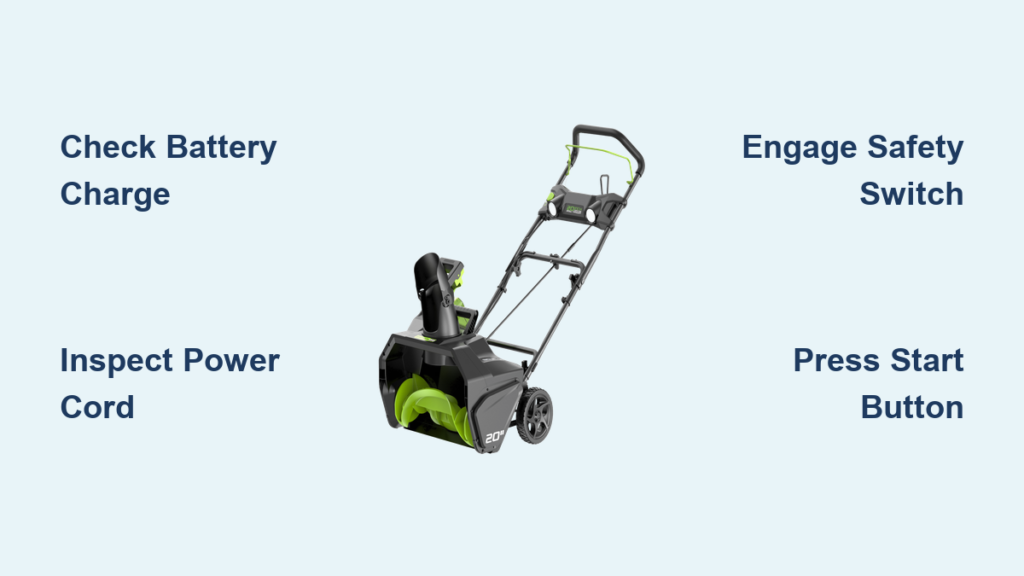
Check Battery Charge Level

Before attempting to start your Greenworks snow blower, verify the battery has sufficient charge. A low or depleted battery is the most common reason for failure to start.
Locate Battery Indicator Lights
Press the battery charge indicator button on the top of the battery pack. Green lights show remaining power. Three or more lights mean adequate charge. If only one or two lights appear, recharge before use.
Charge a Low Battery
Plug the compatible Greenworks charger into a standard outlet and connect it to the battery. Charging time varies by model, typically 60 to 120 minutes. Do not attempt to start the snow blower while charging.
Use Correct Battery Model
Ensure the battery is rated for your specific snow blower model. Using an incompatible or underpowered battery may prevent startup or reduce performance.
Inspect Power Cord (If Applicable)
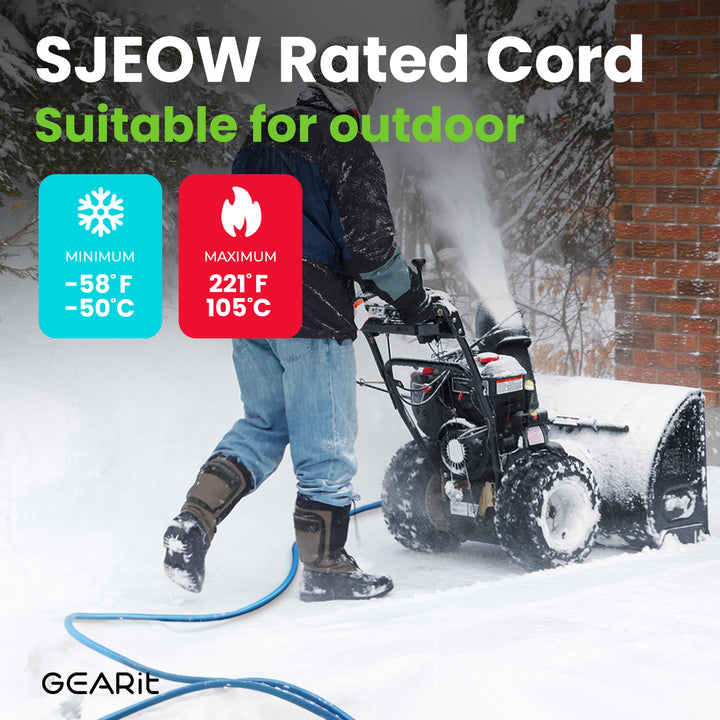
Some Greenworks snow blowers are plug-in electric models. These require a power cord and grounded outlet to operate.
Test the Electrical Outlet
Plug in a different device, like a lamp, to confirm the outlet works. If no power, check your circuit breaker or GFCI reset button.
Examine Cord for Damage
Look for cuts, frays, or bent prongs. Damaged cords create safety hazards and interrupt power flow. Replace if any wear is visible.
Connect Cord Securely
Fully insert the cord into both the snow blower and the wall outlet. A loose connection prevents startup. Use an outdoor-rated extension cord if needed. Never use indoor cords outside.
Engage Safety Features
Greenworks snow blowers include built-in safety mechanisms to prevent accidental starts. Understanding these features is essential before you try to start a Greenworks snow blower.
Locate the Safety Switch
Most models have a red safety switch or trigger lock near the handle. This must be disengaged or pressed before starting.
Hold Trigger Correctly
Grip the handle and squeeze the trigger fully. Some models require the trigger to be held for 3 to 5 seconds before motor activation.
Check for Obstructions
Inspect the auger housing and chute for ice, snow buildup, or debris. The safety system may prevent startup if blockages are detected.
Prime the Motor (Electric Models)
While electric snow blowers don’t need fuel priming, they benefit from a brief system check before startup.
Power-On Sequence
After confirming battery charge or cord connection, turn the power switch to “On.” Wait 3 to 5 seconds for internal systems to initialize.
Listen for Activation Sound
You may hear a soft click or hum indicating the motor is ready. This confirms electrical flow and control board function.
Avoid Rapid Start Attempts
If the blower doesn’t start immediately, wait 10 seconds before retrying. Repeated attempts can overload the motor or trip internal protection circuits.
Start the Snow Blower
Now that all checks are complete, it’s time to start the machine.
Pull Start (Not Applicable)
Greenworks snow blowers are electric. There is no recoil starter. Attempting to pull can damage internal components.
Press Start Button or Pull Trigger
Depending on your model, follow one of these steps:
– Button-start models: Press and hold the start button for 2 seconds.
– Trigger-start models: Squeeze and hold the trigger until the motor engages (usually 1 to 3 seconds).
Confirm Motor Engagement
Once started, the auger should begin rotating slowly, then ramp up to full speed within 5 seconds. If it doesn’t, recheck power and safety settings.
Troubleshoot No-Start Issues
If your Greenworks snow blower still won’t start, diagnose the issue systematically. Many startup problems trace back to simple fixes.
No Response When Triggered
Common causes include:
– Battery not charged: Recharge or replace
– Safety switch engaged: Disengage red lock
– Faulty trigger: Inspect for damage or sticking
Intermittent Operation
Try these solutions:
– Loose battery connection: Remove and reinsert firmly
– Damaged extension cord: Replace with outdoor-rated 14-gauge or thicker
– Overheating protection: Let unit cool 15 minutes before retrying
Error Lights or Beeping
Refer to your model’s manual. Flashing lights or beeps indicate specific faults such as low voltage, motor overload, or sensor failure.
Maintain Startup Readiness
Keep your Greenworks snow blower ready for the next storm with simple maintenance habits.
Store Battery Properly
Keep the battery indoors at room temperature. Avoid freezing conditions, which reduce performance and lifespan.
Clean After Each Use
Remove snow and ice from the auger, chute, and housing. Moisture left overnight can freeze and block moving parts.
Inspect Monthly
Check battery contacts for corrosion. Wipe with a dry cloth. Test startup every 4 to 6 weeks during winter.
Optimize Cold-Weather Performance
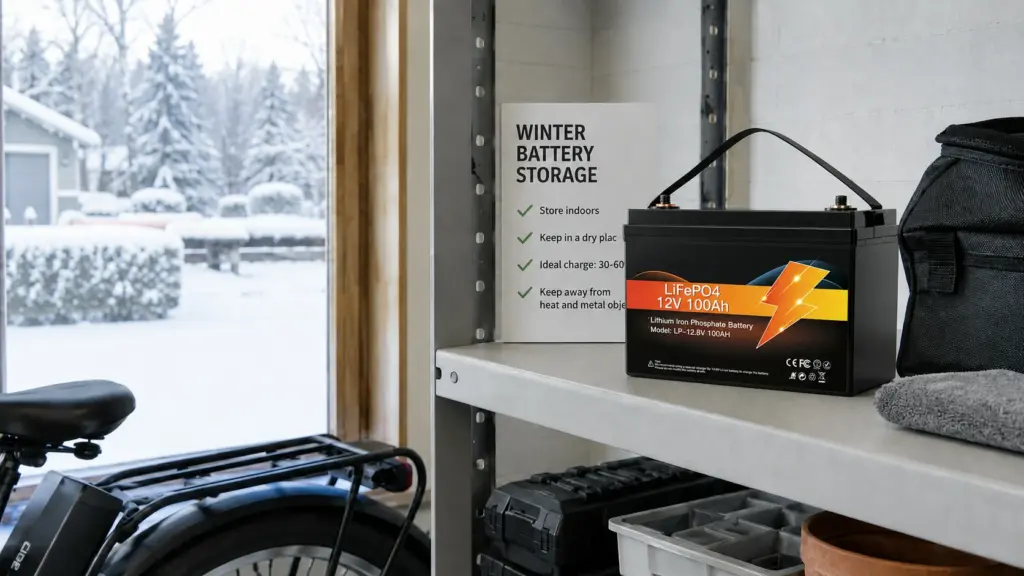
Cold temperatures affect battery efficiency and startup speed. A few simple adjustments can help you start a Greenworks snow blower reliably in harsh conditions.
Warm Battery Before Use
Keep the battery inside your home until ready to use. A warm battery delivers more power in subzero conditions.
Use Fresh Batteries
Batteries degrade over time. If yours is more than 3 to 5 years old, consider replacement, even if it charges.
Limit Runtime Per Charge
High snow loads reduce runtime. Plan to clear snow in sections, especially with older batteries.
Frequently Asked Questions About Starting a Greenworks Snow Blower
Why won’t my Greenworks snow blower start?
The most common reasons are a dead battery, an engaged safety lock, a damaged power cord, or obstructions in the auger. Work through each possibility systematically before assuming a motor fault.
How long does it take to charge a Greenworks snow blower battery?
Charging time varies by battery model, but most Greenworks batteries fully charge in 60 to 120 minutes using the compatible charger.
Can I start a Greenworks snow blower with a pull cord?
No. Greenworks snow blowers are electric and use either a push-button start or a trigger start. There is no recoil starter, and pulling can damage the machine.
What should I do if my snow blower beeps or flashes lights?
Consult your model’s manual for the specific error code. Flashing lights and beeps typically indicate low voltage, motor overload, or sensor issues that need attention.
How do I start a Greenworks snow blower in cold weather?
Store the battery indoors until you’re ready to clear snow. A warm battery performs significantly better in freezing temperatures and starts more reliably.
Is it safe to use an extension cord with a Greenworks snow blower?
Yes, but only use outdoor-rated extension cords rated 14-gauge or thicker. Ensure the cord is fully inserted and free of damage before each use.
Final Thoughts on Starting Your Greenworks Snow Blower
Starting a Greenworks snow blower comes down to three essentials: confirm your power source, disengage all safety locks, and activate the correct start method for your model. Most startup problems stem from overlooked basics like a low battery, loose cord connection, or an engaged safety switch. Taking 60 seconds to check these before each use saves time and frustration.
For best results, store your battery indoors during winter, clean the machine after every use, and test it monthly during the off-season. These small habits keep your electric snow blower starting reliably, storm after storm. Next time snow hits, you’ll be out clearing the driveway in under two minutes while your neighbors are still troubleshooting.