Is your lawn struggling despite regular watering and fertilizing? The problem might not be on the surface. Compacted soil and thatch buildup can block air, water, and nutrients from reaching grass roots, leading to thin, weak turf vulnerable to drought and weeds. Knowing when to aerate your lawn is one of the most important decisions in lawn care. This guide provides a clear, science-backed timeline based on your grass type, soil conditions, and regional climate.
Best Time to Aerate by Grass Type

The single most important factor in determining when to aerate your lawn is the type of grass you have. Aerating during peak growing seasons ensures fast recovery and optimal root development.
Cool-Season Grasses: Aerate in Early Fall
If you live in the northern United States and have Kentucky bluegrass, tall fescue, or perennial ryegrass, early fall is the best time to aerate. Target late August to mid-October when grass is actively growing, temperatures are cool but soil is still warm, and rainfall keeps soil moist. This timing also maximizes overseeding success due to ideal germination conditions.
Fall aeration beats spring for several reasons. It avoids competition with pre-emergent herbicides used in spring to prevent crabgrass. It allows roots to establish before winter. And it takes advantage of natural growth surges that help the lawn recover quickly.
Spring Aeration for Cool-Season Lawns
If you missed the fall window, early spring (March to April) serves as a backup. Aerate just as dormancy ends but before the lawn hits full growth. This gives grass time to recover before summer stress. Avoid aerating in late spring because disturbing roots during active growth can weaken the turf.
In colder zones, late winter (February to March) works as an alternative. Aerate as soil thaws. Grass is still dormant, so root disruption is minimal, and nutrient release from damaged roots supports upcoming growth.
Warm-Season Grasses: Aerate in Late Spring
For Bermuda, Zoysia, St. Augustine, or Centipede grass in southern and Gulf Coast regions, aerate during late spring to early summer (May to June). This is when soil temperatures exceed 65°F and grass is in peak growing mode. Recovery from aeration is rapid under these conditions.
Avoid aerating in winter when grass is dormant. Also avoid mid-summer because heat stress combined with aeration can slow recovery and invite disease.
Signs Your Lawn Needs Aeration
Aeration is not needed every year. Look for these red flags before scheduling the aerator.
Soil Feels Hard or Spongy
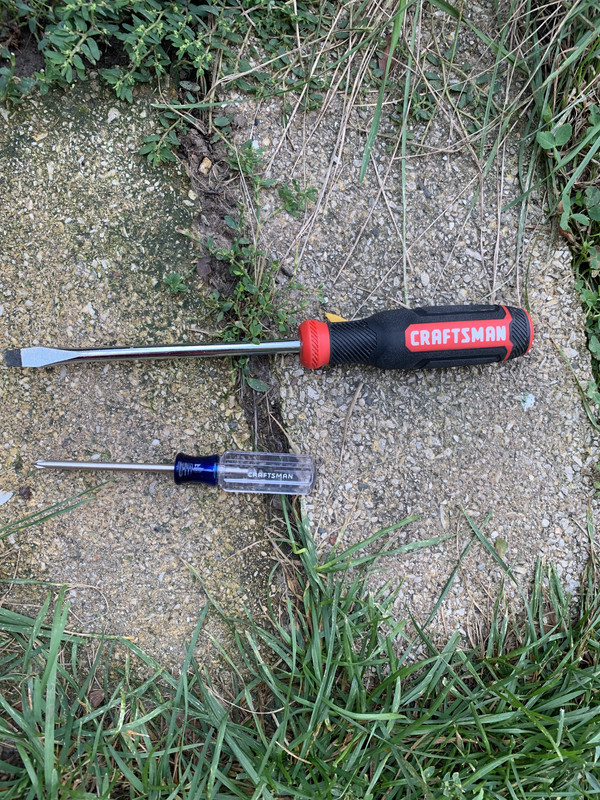
Hard soil indicates compaction where roots cannot penetrate and water runs off. A spongy feel signals thatch buildup over half an inch thick, which blocks nutrient flow. Perform the screwdriver test by pushing a screwdriver into the soil. If it stops at 2 to 3 inches or requires heavy force, your lawn needs aeration.
Water Pools or Runs Off
Poor infiltration means compacted soil. Instead of soaking in, water sits on the surface or flows away. This wastes irrigation and erodes soil. If you notice puddles remaining hours after watering, compaction is likely the culprit.
Heavy Foot Traffic or New Lawn
Lawns used by kids, pets, or outdoor events compact quickly. New lawns, especially those built over stripped topsoil, often have compacted subsoil that needs annual aeration in the first few years.
Thatch Layer Exceeds Half an Inch
Cut a 4-inch deep plug from your lawn. If the spongy brown layer between grass and soil is thicker than a quarter, it is time to aerate.
Aerate and Overseed Together
Aeration and overseeding work powerfully when combined. The holes left by aeration create perfect seedbeds that protect seeds from drying out and birds while ensuring direct soil contact.
Fall Aeration Plus Overseeding for Cool-Season Lawns
The ideal window runs from mid-August to mid-October. This provides 6 to 8 weeks of growth before winter arrives. Aerate right before or after overseeding. Avoid using pre-emergent herbicides in the same season because they block seed germination.
If you applied pre-emergent in spring, wait until fall to overseed. The herbicide barrier lasts 4 to 6 months.
Spring and Summer Aeration Plus Overseeding for Warm-Season Lawns
The best time is May to June. This matches peak growth for fast establishment. Avoid overseeding in fall because new grass will not survive winter dormancy.
Choose the Right Aeration Method
Not all aeration methods deliver results. Some can make compaction worse.
Core Aeration: The Only Real Solution
Core aeration removes 2 to 4 inch soil plugs that are 0.5 to 0.75 inch wide. This method relieves compaction, improves soil structure, and boosts overseeding success. The downside is that plugs remain on the lawn but break down in 1 to 2 weeks. TruGreen and other turf experts recommend only core aeration for lasting results.
Slicing Aeration for Light Compaction
Slicing aeration uses rotating blades to slice through soil and thatch. This works best for sandy soils or mild compaction. Avoid using it on clay because it is less effective than core aeration.
Spike Aeration: Avoid It
Spike aeration pokes holes with solid tines. The problem is that it compresses soil around the hole, worsening compaction. This method is not recommended for home lawns.
Liquid Aeration: No Real Benefit
Liquid aeration sprays surfactants to loosen soil. The reality is that this provides only a temporary effect with no proven long-term improvement. Skip it because it is not recognized as a valid turf practice.
How Often Should You Aerate
Most lawns need aeration only once per year. Over-aerating stresses turf and invites weeds like annual bluegrass.
Clay soils or high-traffic lawns may need aeration 1 to 2 times per year, ideally in fall and spring. Sandy soils typically need aeration every 2 to 3 years or only in problem areas. New lawns require annual aeration for the first 2 to 3 years to counter construction compaction. Healthy, thick lawns need aeration only when signs of compaction appear.
The golden rule is aerate when needed, not on a fixed schedule.
Prepare, Aerate, and Care for Best Results
Prep Your Lawn One to Two Days Before
Water the lawn thoroughly so soil is damp but not soggy. This helps aerator tines pull deep plugs. Mow lower than usual to improve machine contact with soil. Mark sprinkler heads and utilities to prevent costly damage.
Aerate Like a Pro
Use a core aerator (rent for $55 to $100 per day). Make overlapping passes in two directions, especially in high-traffic zones. Target 2 to 4 inch deep holes spaced 2 to 3 inches apart. Sharing a rental with neighbors cuts costs and effort.
Aftercare: What to Do Post-Aeration
Leave the plugs on the lawn and let them dry and break down naturally. Break up large plugs with a mower or rake after 1 to 2 weeks. Overseed immediately because seeds fall into holes for ideal germination. Fertilize or amend with humic acid, kelp, or compost to boost recovery. Water daily for 2 to 3 weeks to keep soil moist for seedlings. Avoid heavy foot traffic until new grass is established.
Applying a thin layer (quarter inch) of compost or sand-soil mix after aeration enhances drainage and microbial activity, especially helpful for clay soils.
Pair Aeration with Soil Amendments
Apply Lime After Aeration in Fall
Fall is the best time to apply lime, especially if soil tests show low pH or calcium deficiency. Aerate first, then apply lime because holes allow deeper penetration. Wait 6 to 8 weeks before first frost for maximum effectiveness.
Pelletized lime is easier to spread and less dusty. Dolomitic lime adds magnesium along with calcium. Always test soil first through your state extension service for accurate results.
Regional Aeration Timing Guide
Massachusetts and Northern Climates
Early fall (late August to mid-October) is best for cool-season grasses. Early spring (March to April) serves as an alternative. Avoid mid-summer heat and winter frost. Use UMass Extension for soil testing and recommended products like CarbonPhix and Lesco fertilizers.
Virginia and Similar Regions
Mid-September to mid-October is optimal. Late summer works if the lawn is healthy. Avoid drought or extreme heat. Combine with lime application in fall for pH correction and improved nutrient uptake.
Debunking Aeration Myths
Myth: Aeration Breaks the Pre-Emergent Barrier
Research shows aeration does not reduce crabgrass control from pre-emergent herbicides. However, do not overseed in the same season because pre-emergents prevent grass seed germination.
Myth: You Must Aerate Every Year
Only aerate when compaction or thatch is confirmed. Over-aeration damages roots and soil structure.
Myth: Spike Aeration Works as Well as Core
Spike aeration compresses soil, worsening compaction. Core aeration is the only method with proven long-term benefits.
When to Aerate: Final Checklist
| Grass Type | Best Time | Secondary Window | Avoid |
|---|---|---|---|
| Cool-Season (bluegrass, fescue) | Early fall (August to October) | Early spring (March to April) | Mid-summer, winter, late spring |
| Warm-Season (Bermuda, Zoysia) | Late spring to early summer (May to June) | None | Winter, extreme heat |
Universal rules apply across all grass types. Aerate during active growth. Soil should be moist, not wet. Use core aeration with no exceptions. Combine with overseeding and fertilization for best results.
Frequently Asked Questions About When to Aerate Your Lawn
Can I aerate my lawn in summer?
Avoid aerating in mid-summer when heat and drought stress weaken turf. Recovery is slow and disease risk increases. If compaction is severe, spot aerate only the most compacted areas showing annual die-off.
Does aeration help with clay soil?
Yes, clay soils compact easily and benefit most from regular core aeration. Aeration relieves compaction, improves drainage, and allows roots to penetrate deeper. Clay lawns may need aeration twice per year.
Should I aerate before or after applying fertilizer?
Aerate first, then apply fertilizer. The holes allow fertilizers to reach the root zone more efficiently. For best results, overseed immediately after aeration and follow with a light fertilizer application.
Can I aerate a lawn that has been overseeded?
Wait at least 4 to 6 weeks after overseeding before aerating. New grass seedlings need time to establish strong roots. Disturbing them too early can damage or kill the young plants.
What happens if I aerate too often?
Over-aeration stresses turf, damages roots, and disrupts soil structure. It creates openings for weeds like annual bluegrass. Most lawns need only one aeration per year or even less frequently.
Key Takeaways for Aerating Your Lawn
The best time to aerate your lawn depends on your grass type and growing conditions. Cool-season grasses thrive with fall aeration, while warm-season grasses perform best when aerated in late spring. Always use core aeration because spike and liquid methods either worsen compaction or provide no real benefit. Combine aeration with overseeding and proper aftercare for maximum results. Test your soil, watch for compaction signs, and aerate only when needed. Your lawn does not need aeration every year, but when it does, timing is everything.