If your lawn feels hard underfoot, develops puddles after rain, or shows thin, patchy grass, it is likely suffering from soil compaction. Aerating your lawn creates small holes in the soil that let air, water, and nutrients reach the roots, revitalizing your turf from the ground up. Without this essential step, even the best mowing, watering, and fertilizing routines fall short. This guide walks you through exactly how to use a lawn aerator, from choosing the right type and timing your effort, to prepping your yard, running the machine, and caring for your lawn afterward.
Best Time to Aerate Your Lawn
Timing your aeration correctly ensures fast recovery and maximum benefit for your grass.
Aerate During Peak Growth
Aerate when your grass is actively growing so it can quickly fill in the open holes. The ideal window depends on your grass type.
Cool-season grasses including fescue, bluegrass, and ryegrass thrive when aerated in early fall, when warm soil and cool air create perfect conditions with less weed pressure. Early spring serves as a backup if fall was not possible.
Warm-season grasses such as Bermuda, Zoysia, and St. Augustine benefit from aeration late spring to early summer, after the second mowing and when soil reaches 55°F.
Avoid aerating dormant, drought-stressed, or scorched lawns, especially when temperatures exceed 85°F.
Check Soil Moisture First
Soil should be moist but not soggy, similar to a damp sponge.
Too dry soil prevents tines from penetrating properly. Too wet soil causes smearing, damages roots, and clogs the machine.
Water your lawn lightly one to two days before aeration if no rain has fallen, or aerate the day after a light shower.
Choose the Right Aerator Type
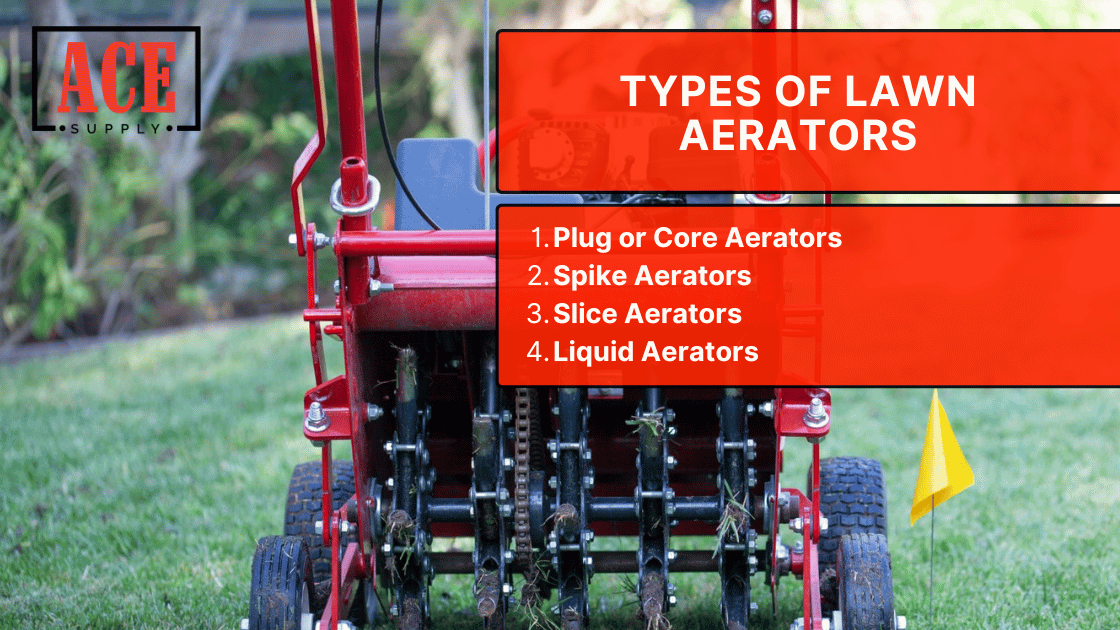
Not all aerators work the same way. The right choice depends on your soil type, lawn size, and budget.
Core Aerator: Best for Most Lawns
Core aerators remove soil plugs two to three inches deep, relieving compaction and breaking up thatch. They are ideal for clay soils, high-traffic lawns, and annual maintenance. Rental costs run approximately $100 per day.
The hollow tines actually pull out soil cores, opening the soil for air and nutrients to reach the root system.
Slicing Aerator: Minimal Disruption
Slicing aerators use rotating blades to cut through thatch and soil without removing plugs. They work best for lawns needing frequent, low-impact aeration and pose no compaction risk like spike models.
Spike Aerator: Use With Caution
Spike aerators poke holes with solid tines but can worsen compaction in clay or loam soils. Only use spike aerators on sandy soils where compaction is not a concern.
Liquid Aerator: Supplement Only
Liquid aerators are chemical solutions that improve soil structure over time. They are easy to apply with a sprayer but do not replace mechanical aeration. Use liquid aerators as a follow-up to core aeration for best results.
Prepare Your Lawn Properly
Skipping preparation leads to poor results and potential equipment damage.
Mow Lower Than Usual
Cut grass one-half inch below normal height to help tines penetrate more easily. Do not scalp the lawn by removing more than one-third of the blade length. Mow one to two days before aeration.
Mark All Underground Hazards
Protect sprinkler lines, pet fences, and utilities before starting.
Call 811 two to three days before to mark gas, electric, and water lines for free. Manually mark sprinkler heads, irrigation lines usually sitting four to eight inches deep, invisible pet fence wires, and tree root zones.
Clear the Area
Remove toys, rocks, furniture, and debris before aerating. This prevents machine damage and eliminates tripping hazards while ensuring smooth, even passes.
Water If Soil Is Dry
Apply ten to twenty minutes of irrigation one to two days prior if the soil is dry. Test moisture by pushing a screwdriver into the ground by hand. If it resists, water first.
How to Run a Core Aerator
This method delivers the best results for most homeowners.
Step 1: Start at the Lawn’s Edge
Begin in a corner or along a straight edge. Align your first pass with a driveway or fence for straight, even lines.
Step 2: Move Slowly and Steadily
Walk at a normal pace, similar to mowing speed. Let the machine do the work rather than forcing it, which causes skips and incomplete holes.
Step 3: Make Parallel Passes
Run straight lines across the lawn, overlapping each pass by two to three inches. This prevents missed spots and ensures consistent coverage.
Step 4: Crisscross for Full Coverage
Make a second pass at a 90-degree angle to the first pass. This creates a grid pattern for even aeration and is especially important in high-traffic areas.
Step 5: Target Compacted Zones
Add extra passes over walkways, pet runs, play areas, and thatch-heavy spots where compaction is most severe.
Step 6: Adjust for Tough Soil
If tines are not pulling plugs, the soil may be too dry or too wet. Water and wait 24 hours. If the machine bounces or skips, reduce speed or add sandbags to the machine tray for more weight.
Using Manual or Spike Aerators
For small lawns or spot treatments, manual tools work well.
Manual Core Aerator
Manual core aerators work best for lawns under 1,000 square feet. Step down firmly to drive tines two to three inches deep, then pull the handle to extract the plug. Work in a grid pattern every four to six inches, focusing on compacted zones.
Spike Aerator
Roll or step across the lawn in straight lines with spike aerators. Make a second pass at 45 degrees for better coverage. Never use spike aerators on clay soil because they compress the soil further.
What to Do After Aeration
Post-care determines whether your effort pays off.
Leave Soil Plugs on the Lawn
Do not rake or remove soil plugs. They contain beneficial microbes that break down thatch and return organic matter to the soil. Plugs dry in one to two weeks and decompose naturally. Mow over dried plugs to speed breakdown, but sharpen your mower blades afterward.
Fertilize Immediately
Apply balanced fertilizer within 48 hours of aeration. Nutrients reach roots more effectively through fresh holes. Avoid pre-emergent herbicides if you plan to overseed.
Water Wisely
Wait one to two days before watering to let soil breathe. Then water lightly and consistently, keeping soil moist but not soggy. Resume your regular watering schedule after one to two weeks.
Overseed for a Thicker Lawn
Aeration creates the best time to overseed. Seeds fall into the holes, improving germination and protection. Use region-appropriate grass seed and water daily until seedlings establish.
Avoid Common Aeration Mistakes
Even well-intentioned efforts can backfire without proper knowledge.
Aerating at the Wrong Time
Aerating cool-season grasses in summer increases stress. Aerating warm-season grasses too early catches dormant grass that will not recover. Match timing to your grass type and growth cycle.
Damaging Sprinkler Systems
The 811 service does not mark irrigation lines. Shallow sprinkler lines sitting four to eight inches deep are easily pierced by aerator tines. Flag all sprinkler heads and suspected line paths before starting.
Using Spike Aerators on Clay
Solid tines compress clay soil, making compaction worse instead of better. Stick to core or slicing aerators for clay soils.
Removing Soil Plugs
Raking off soil plugs robs your lawn of organic matter and beneficial microbes. This slows thatch breakdown and reduces the benefits of aeration. Leave plugs to decompose naturally.
How Often Should You Aerate
Frequency depends on soil type and lawn use.
Most lawns benefit from aeration once per year. Clay soils or high-traffic lawns need aeration twice yearly, in spring and fall. Sandy soils require aeration only every two to three years. New lawns on subsoil benefit from annual aeration for the first three years.
Signs you need aeration include water pooling on the surface, grass thinning, and soil that feels hard when pressed.
Can You Aerate in Spring
Yes, but with conditions.
Spring aeration works best for cool-season lawns that missed fall aeration. Avoid aerating if you plan to apply pre-emergent herbicide and overseed in the same season. Wait until soil is workable and grass is actively growing.
Should You Topdress After Aeration
Topdressing is not required but offers benefits.
Apply one-fourth inch or less of compost or screened topsoil after aeration but before overseeding. This helps level low spots and adds organic matter. Water lightly to settle the material into the holes.
Most benefits come from leaving soil plugs, so topdressing remains optional rather than essential.
DIY vs. Hire a Pro
Weigh cost, effort, and results before deciding.
DIY aeration costs approximately $100 per day for rental and works best for lawns under 5,000 square feet. Professional aeration runs $107 to $202 on average and suits large or heavily compacted lawns. Hire a pro for complex layouts, past aeration failures, or when bundling with overseeding and fertilization services.
Troubleshooting Aeration Problems
Aerator Will Not Pull Plugs
Soil that is too dry or too wet prevents proper plug extraction. Clean clogged tines and add weight to the machine tray. Water and wait 24 hours if moisture is the issue.
Uneven Coverage
Missed passes and irregular patterns cause uneven results. Use the crisscross method and mark gaps with flags to ensure complete coverage.
Lawn Looks Worse After Aeration
Visible holes and plugs on the surface look alarming but are normal. Improvement appears within two to four weeks. Continue watering and fertilizing.
Sprinkler Lines Damaged
Unmarked shallow lines get pierced during aeration. Repair with a coupling and reseed damaged areas. Mark all lines before next aeration.
No Improvement After Four Weeks
Wrong timing, poor aftercare, or incorrect grass type may cause failures. Reassess your watering schedule, fertilization routine, and overall soil health.
Frequently Asked Questions About Lawn Aeration
When is the best time to aerate a lawn
The best time depends on your grass type. Aerate cool-season grasses in early fall or early spring. Aerate warm-season grasses in late spring to early summer when soil reaches 55°F.
Can I use a spike aerator on clay soil
No. Spike aerators compress clay soil further, making compaction worse. Use a core aerator instead for clay soils.
Should I remove soil plugs after aerating
No. Leave soil plugs on the lawn to decompose naturally. They return organic matter and beneficial microbes that improve soil health.
How long does it take to see results from lawn aeration
Visible improvement typically appears within two to four weeks. The full benefits develop over several months as roots grow deeper and the lawn becomes healthier.
Can I aerate my lawn myself or should I hire a professional
DIY aeration works well for lawns under 5,000 square feet. Hire a professional for large lawns, heavy compaction, or complex layouts.
Do I need to overseed after aerating
Overseeding is not required but highly recommended. Aeration creates ideal seed-to-soil contact, improving germination and helping fill thin or bare areas.
Key Takeaways for Using a Lawn Aerator
Using a lawn aerator correctly transforms compacted, struggling turf into a lush, resilient lawn. Core aerators deliver the best results for most homeowners, especially on clay soils and high-traffic areas. Time your aeration to match your grass type, with cool-season grasses benefiting from fall aeration and warm-season grasses from late spring treatment.
Prepare by mowing low, marking underground hazards, and ensuring moist soil. Make crisscross passes for complete coverage, then leave plugs to decompose naturally. Fertilize and overseed immediately after aeration for maximum benefit.
Most lawns need aeration once per year, while clay or high-traffic lawns benefit from twice-yearly treatment. Avoid common mistakes like using spike aerators on clay or aerating during dormancy. With proper technique and aftercare, your lawn will breathe easier and thrive for years to come.