A lush, green Bermuda grass lawn is the hallmark of a well-maintained yard in warm climates. Known for its toughness, drought resistance, and rapid recovery from foot traffic, Bermuda grass thrives in full sun and hot temperatures, but it demands consistent, timely care to stay dense and healthy. Without proper mowing, watering, fertilization, and seasonal maintenance, even the strongest Bermuda lawn can thin out, invite weeds, or suffer disease. This guide delivers a science-backed, step-by-step approach to keeping your Bermuda grass thick, green, and resilient year-round. You will learn how to time your fertilizing, scalp in spring, manage weeds effectively, and avoid common mistakes that sabotage results.
Spring Lawn Revival for Bermuda Grass
Spring is the critical starting point for Bermuda grass care. Begin when soil temperatures reach 50°F, signaling the start of active growth. Use a soil thermometer to check readings at a 2-inch depth in mid-morning for accuracy. Starting too early wastes effort and resources, while waiting too long delays green-up and weakens turf competitiveness.
Apply Pre-Emergent Herbicide at the Right Time
Pre-emergent herbicide is essential for preventing crabgrass, foxtail, sandspurs, and winter annuals like poa annua. Apply when soil temps stabilize between 51–53°F, around mid-March in many southern zones. Use products containing prodiamine, dithiopyr, or pendimethalin for long-lasting control. For best results, split applications between granular and liquid formulas. Avoid applying pre-emergent if you are planning to seed or overseed within 8–12 weeks.
Perform Spring Scalping Correctly
Scalping removes winter-killed thatch, promotes faster greening, and reduces disease pressure. Time it when 50% of your lawn shows a green haze and daytime temperatures are consistently in the 70s. Cut the grass to half its normal summer height, for example from 1.5 inches down to ¾ inch. Use a sharp rotary or reel mower to ensure clean cuts. Never burn off Bermuda grass as it is a fire hazard and can damage living stolons.
Dethatch and Aerate When Necessary
Bermuda builds thatch over time. If it exceeds ½ inch, use a bladed dethatcher or verticutter to remove it. Avoid prong dethatchers which can tear up healthy stolons. Core aeration improves soil compaction, enhances water infiltration, and boosts root development. Perform aeration in late spring to early summer when Bermuda is growing vigorously. Leave the soil plugs on the lawn to decompose naturally.
Summer Growth Management
During peak growing season, Bermuda grass requires frequent attention to maintain its dense, healthy appearance.
Mow Frequently at Proper Height
Mow Bermuda grass every 2–3 days during peak growing season to maintain a height of ¾ inch to 1.5 inches. Hybrid varieties like TifTuf or Celebration can be cut lower but require reel mowers and smooth terrain. Always follow the one-third rule: never remove more than one-third of the blade length in a single mow. Cutting too short causes browning due to loss of photosynthetic tissue. Vary mowing patterns weekly to prevent soil compaction and ruts.
Fertilize Based on Growth Needs
Apply 2–4 lbs of nitrogen per 1,000 sq ft annually, depending on soil type. Sandy soils require higher nitrogen due to leaching, while clay soils need lower applications. Use a 4-1-2 or 3-1-2 NPK ratio if no soil test is available. Fertilize in three key phases: late spring after full green-up, mid-summer with high potassium, and late summer before August 15 for winter readiness. Never fertilize before green-up, during drought, or in fall/winter.
Calculate Fertilizer Application Rates
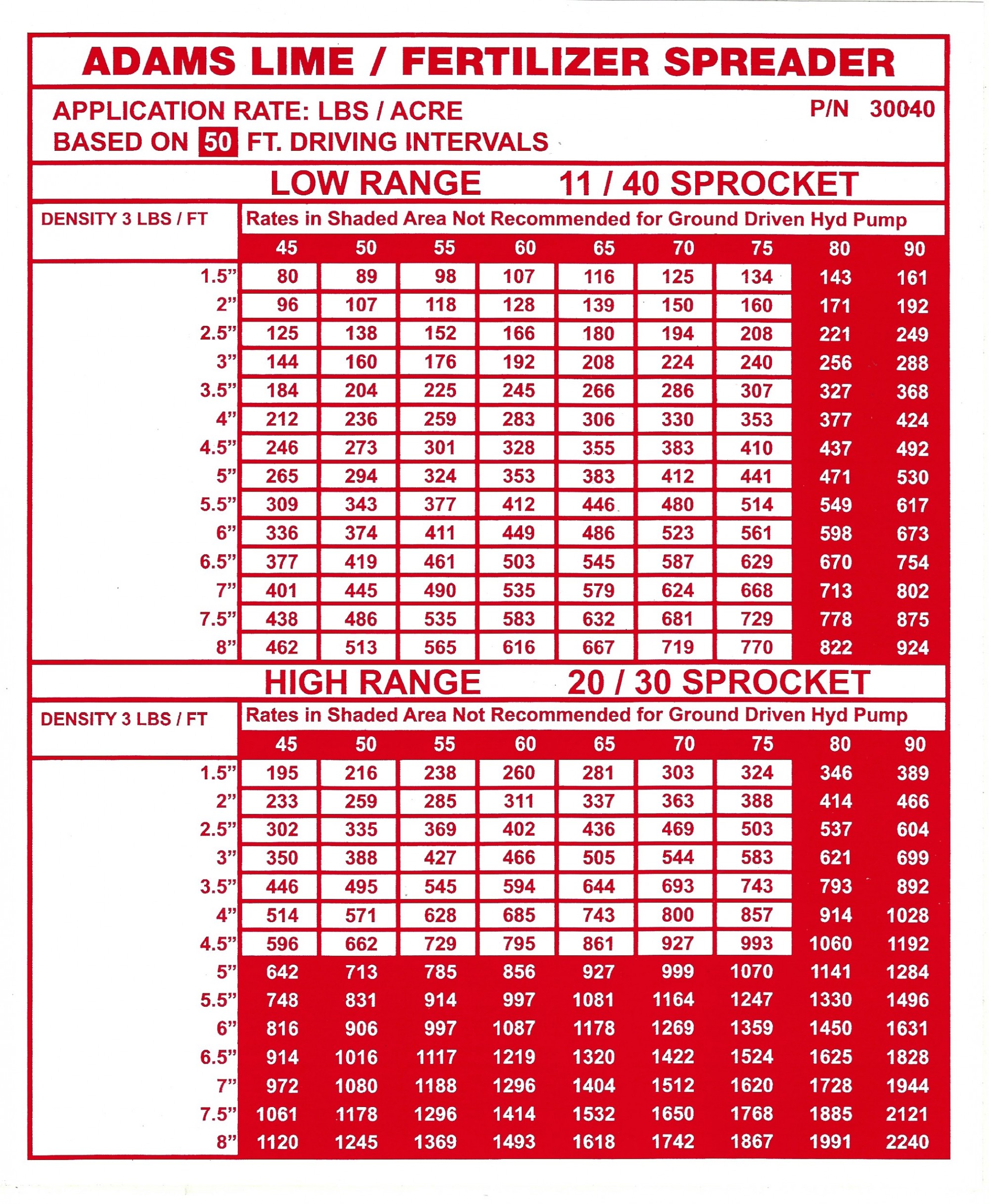
To apply 1 lb of nitrogen per 1,000 sq ft, divide 100 by the first number on the fertilizer bag. For example, 16-4-8 yields 6.25 lbs per 1,000 sq ft. For 0.5 lb N, divide 50 by the first number. Calibrate your spreader to ensure even coverage and avoid streaks or burn spots.
Water Deeply and Infrequently
Provide 1 inch of water per week, including rainfall. During extreme heat over 95°F, increase to 1.5 inches split over three days. Water early in the morning between 2 a.m. and 8 a.m. to reduce evaporation and fungal risk. Signs of drought stress include blue-gray leaf color, wilting or folded blades, and footprints remaining visible after walking on the lawn.
Fall Transition Strategies
As days shorten, Bermuda grass care shifts toward winter preparation.
Raise Mowing Height for Winter Protection
Increase mowing height by ½ inch in early fall to insulate the crown and improve cold tolerance. Timing varies by region: mountains in early to mid-September, piedmont in mid to late September, and coastal areas late September to mid-October. Continue mowing until growth slows significantly.
Stop Nitrogen and Apply Potash
Halt nitrogen applications 4 weeks before the first expected frost to avoid tender growth vulnerable to cold damage. Instead, apply 1 lb of potash per 1,000 sq ft using 1.6 lbs muriate of potash or 2 lbs potassium sulfate. Use a low-nitrogen, high-potassium fertilizer like 5-10-30 to strengthen cell walls and improve winter hardiness.
Apply Fall Pre-Emergent and Consider Overseeding
Schedule a second pre-emergent application around November 15 to control winter weeds like henbit, chickweed, and annual bluegrass. For year-round green color, overseed with perennial or annual ryegrass when night temperatures consistently fall below 65°F. Prepare by mowing low, removing clippings, and ensuring good seed-to-soil contact.
Winter Dormancy Care
Dormant Bermuda grass requires minimal intervention but some maintenance prevents problems.
Minimize Traffic and Watering
Dormant Bermuda grass does not grow and requires no mowing, though overseeded ryegrass needs maintenance at 2 inches. Avoid walking on frozen dormant Bermuda to prevent crown damage. Water lightly only during extended dry spells, especially when warm sunny days precede freezing nights, to protect the crown from desiccation.
Avoid Fertilizing and Focus on Equipment Maintenance
Do not apply nitrogen or balanced fertilizers during dormancy as the grass cannot absorb nutrients. Use winter downtime to submit a soil test every 2–3 years to guide next season’s program. Winter is also the perfect time to service your gear: sharpen mower blades, replace spark plugs, oil, and air filters, and clean spreaders and sprayers.
Soil Health Optimization
Healthy soil produces healthy Bermuda grass.
Maintain Ideal pH Levels
Bermuda grass performs best in soil with a pH of 6.0–6.5, where nutrients are most available. Test your soil every 2–3 years through your local extension service. Adjust high pH by applying 5 lbs pelletized sulfur per 1,000 sq ft when temps are below 75°F. Apply lime for low pH according to test recommendations. Recheck pH after 3 months as full correction may take a year or more.
Boost Organic Matter and Microbes
Bermuda lawns lack natural organic decay, so supplement with HUMICHAR, a blend of humic acid and biochar that improves nutrient retention, water holding, and microbial activity. Apply HUMICHAR any time of year, even during heat, with no risk of overuse. DirtBooster is another microbial inoculant that can be applied with a spreader and watered in.
Establishing a New Bermuda Lawn
Proper establishment sets the foundation for a healthy lawn.
Choose the Right Planting Time and Method

Plant Bermuda grass in late spring to early summer when soil temperatures reach 65–70°F. This ensures rapid germination and strong establishment before fall. Only common Bermuda is available in seed form. Hybrid varieties like Tifway, TifTuf, and Celebration must be installed as sod, plugs, or sprigs. Avoid low-quality seed from big-box stores.
Follow Proper Seeding Steps
Kill weeds 2–3 weeks before planting. Loosen soil with a rake or bladed dethatcher. Plant seed at 1/8 to 1/4 inch depth at 1–2 lbs per 1,000 sq ft. Water 2–3 times daily for the first two weeks, then transition to deep watering every 2–3 days by week three. Avoid herbicides for the first 8–12 weeks. Seedlings emerge in 7–14 days under ideal conditions.
Lay Sod for Instant Results
For faster establishment, lay Bermuda sod in early to late spring. Prepare soil by conducting a soil test and applying 10-10-10 fertilizer weeks in advance. Water new sod 3 times daily in week one, 2 times daily in week two, and once daily in week three. Keep soil moist but not soggy and avoid heavy use for 2–3 weeks.
Mower and Clipping Management
Proper equipment and techniques keep your lawn looking its best.
Select the Right Mower Type
Reel mowers work best for lawns cut under 1 inch like hybrid varieties. Rotary mowers suit most residential lawns at standard heights. Use scalp wheels on rotary mowers to prevent uneven cuts. Wider mowers with front rollers handle bumpy terrain better.
Manage Clippings Wisely
Leave clippings when mowing frequently as they return nutrients and decompose quickly. Bag clippings only when grass is too tall, clippings form thick mats, or fungal disease is present. Excess clippings can smother grass and encourage disease. Control thatch buildup by using a verticutter or bladed dethatcher during active growth if the layer exceeds ½ inch.
Frequently Asked Questions About Bermuda Grass Lawn Care
When should I start caring for my Bermuda grass in spring?
Begin Bermuda grass care when soil temperatures reach 50°F, typically in late winter to early spring depending on your region. This signals the start of active growth and is the right time to apply pre-emergent weed control and light fertilization.
How often should I mow Bermuda grass during summer?
Mow Bermuda grass every 2–3 days during peak growing season to maintain a height of ¾ inch to 1.5 inches. Follow the one-third rule and never remove more than one-third of the blade length in a single mowing.
What is the best fertilizer ratio for Bermuda grass?
Use a 4-1-2 or 3-1-2 NPK ratio, such as 16-4-8, if no soil test is available. Apply 2–4 lbs of nitrogen per 1,000 sq ft annually, with higher rates for sandy soils and lower rates for clay soils.
How do I prevent weeds in my Bermuda grass lawn?
Apply pre-emergent herbicide twice yearly, in spring when soil temps reach 51–53°F and again in fall around November 15. Use post-emergent herbicides for existing weeds, and spot-treat tough weeds like nutsedge and dallisgrass.
Can I overseed Bermuda grass for winter color?
Yes, overseed with perennial or annual ryegrass when night temperatures consistently fall below 65°F. Prepare by mowing low, removing clippings, and avoiding herbicides for 3 weeks prior to seeding.
Key Takeaways for Maintaining Bermuda Grass

A beautiful Bermuda grass lawn comes down to five essential practices applied consistently throughout the year. First, timing is everything: apply pre-emergent in spring and fall, scalp when 50% green-up occurs, and stop nitrogen 4 weeks before frost. Second, mow frequently at the right height, keeping blades sharp and following the one-third rule to avoid scalping. Third, fertilize smartly using 2–4 lbs N per 1,000 sq ft annually with a 4-1-2 ratio, splitting applications from late spring through late summer. Fourth, water deeply and infrequently, providing 1–1.5 inches per week in the early morning to encourage deep root development. Fifth, prioritize soil health by maintaining pH between 6.0–6.5 and supplementing with organic matter like HUMICHAR. By following these proven practices consistently, you will grow a dense, weed-resistant Bermuda lawn that thrives under heat, drought, and heavy use.